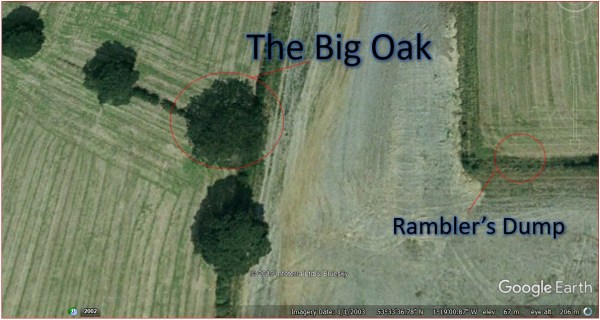
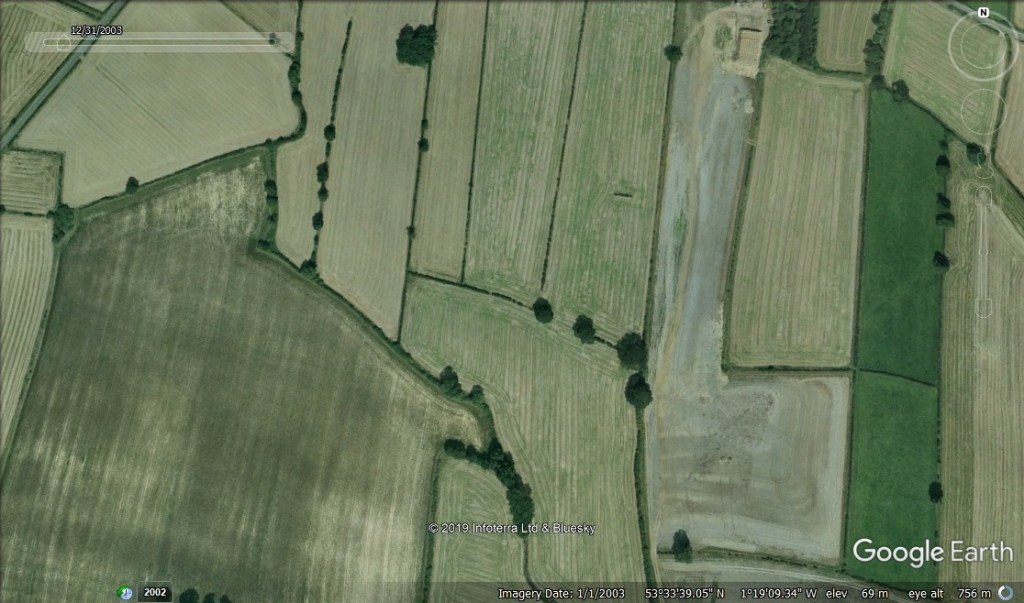
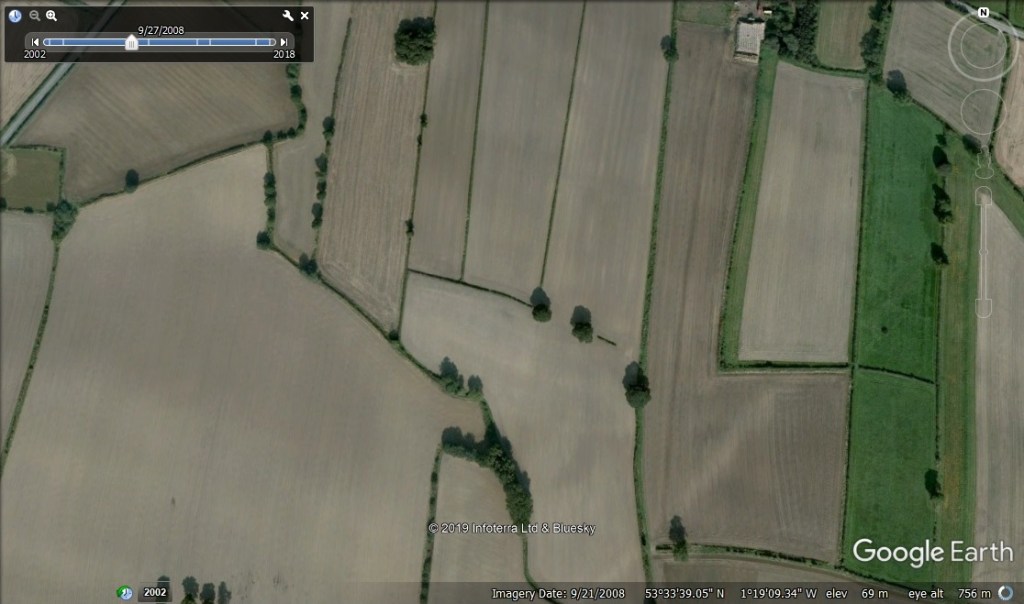
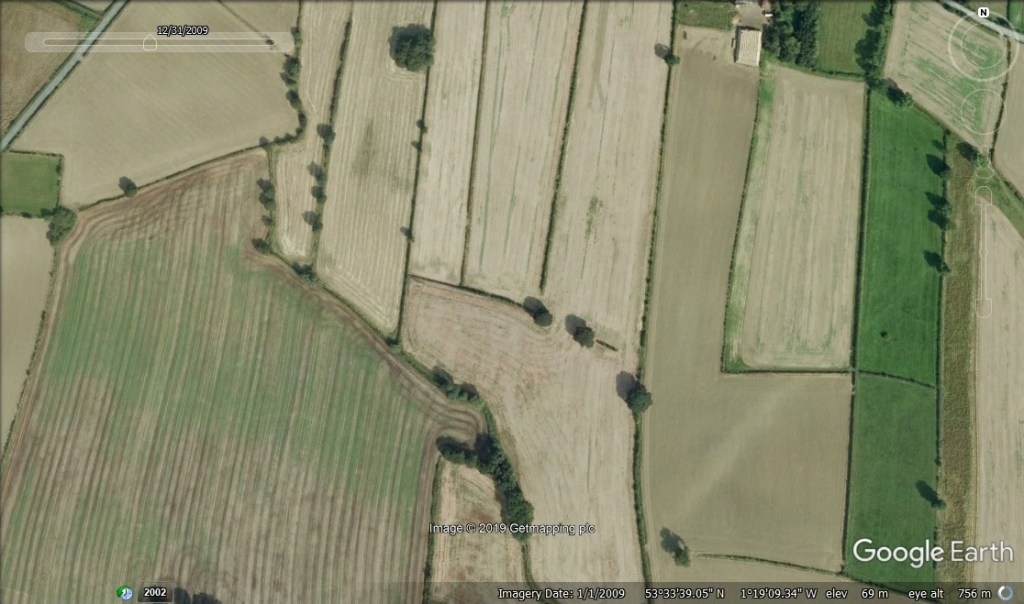
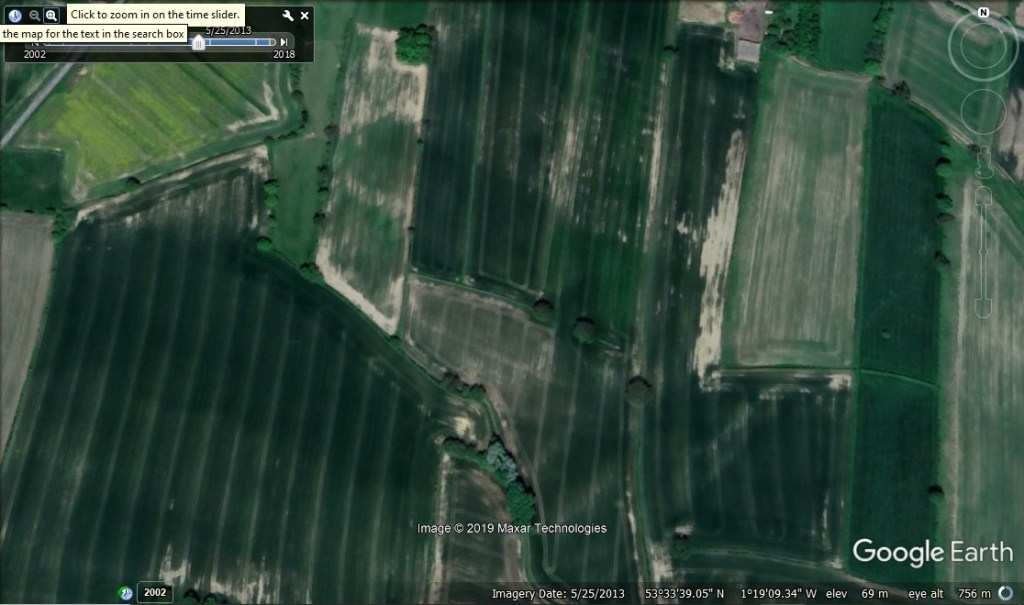
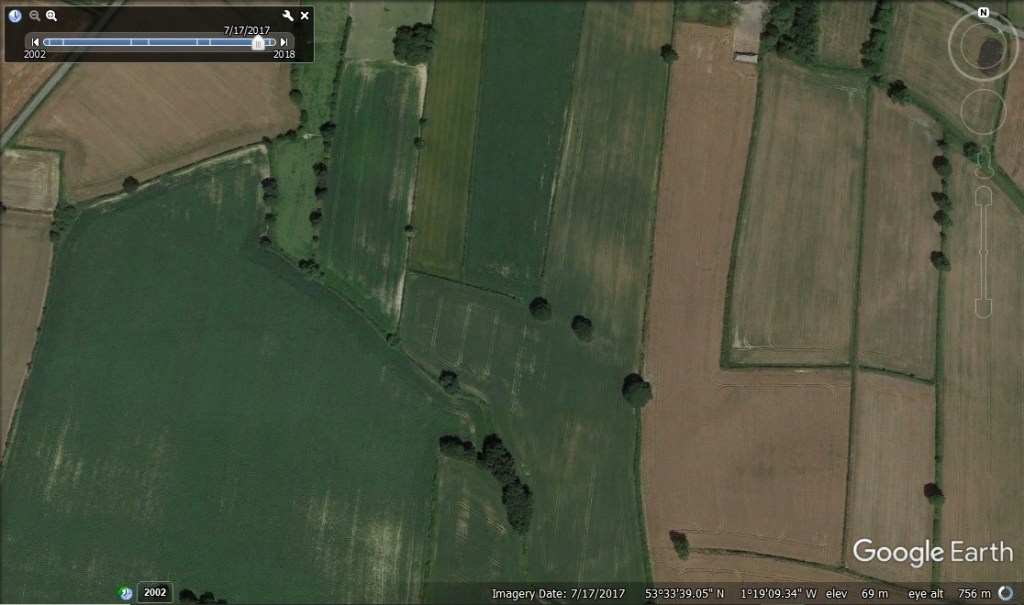
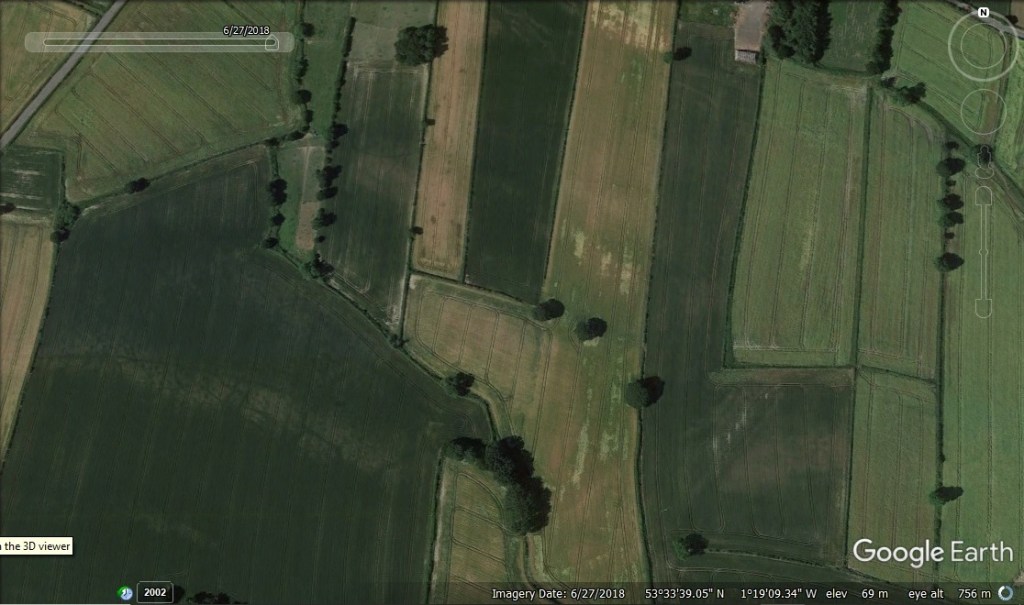
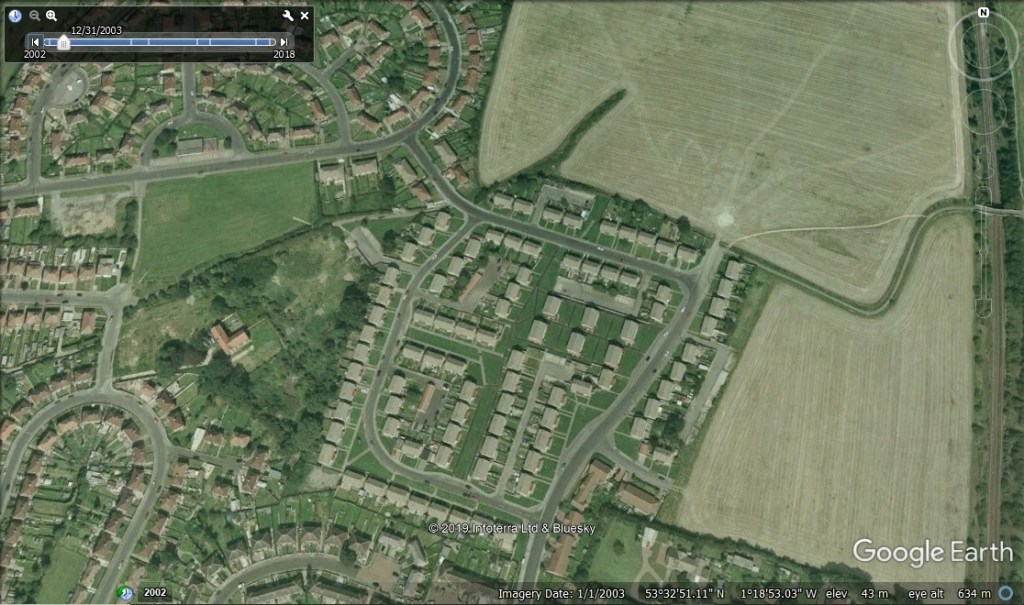
This is a follow up to a previous post about growing up in Thurnscoe. I had wanted to show the kids some of the places that I had played as a child, and to climb my favourite tree, but it wasn’t there. The tree wasn’t just cut down, every trace of it was obliterated from the Yorkshire landscape. I must confess to a smidgen of self doubt now. Had I somehow remembered it wrong? Was there ever a tree there at all? Were my adventures in the high branches just a dream, the product of some childhood fever?
No. The tree was real, and I have found it on Google Earth.
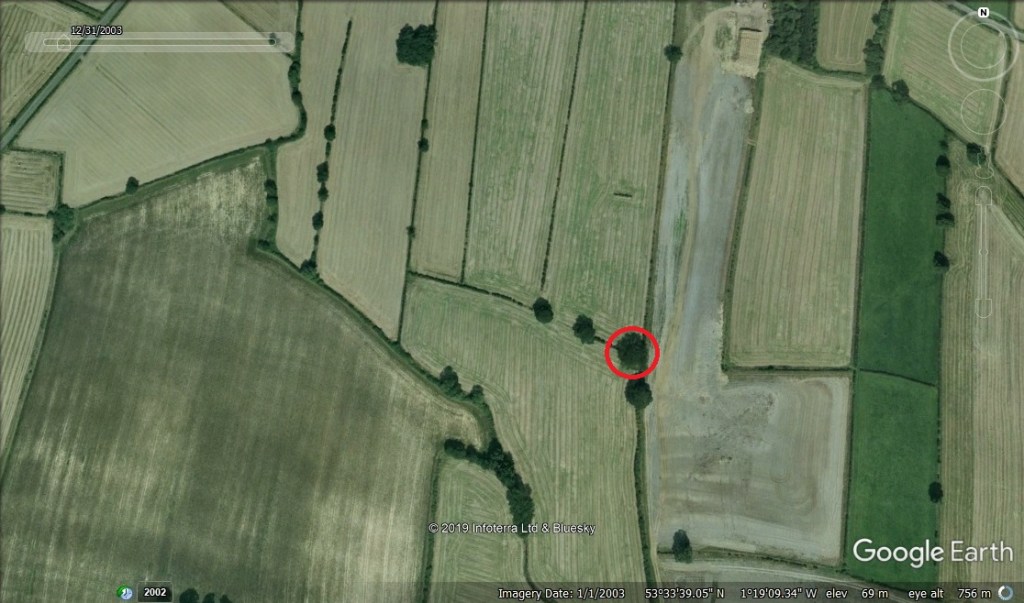
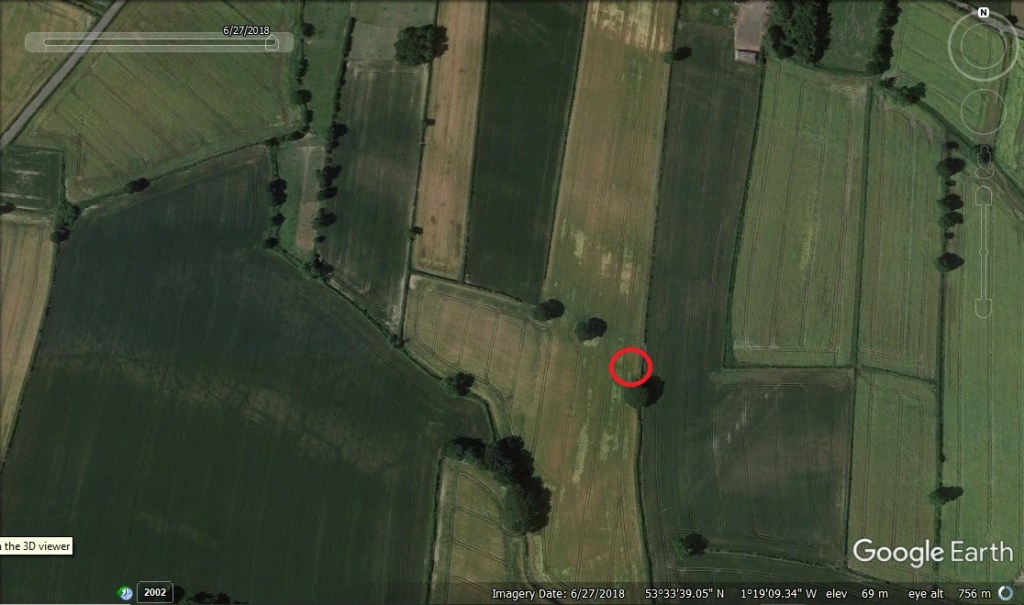
20032018Before and After
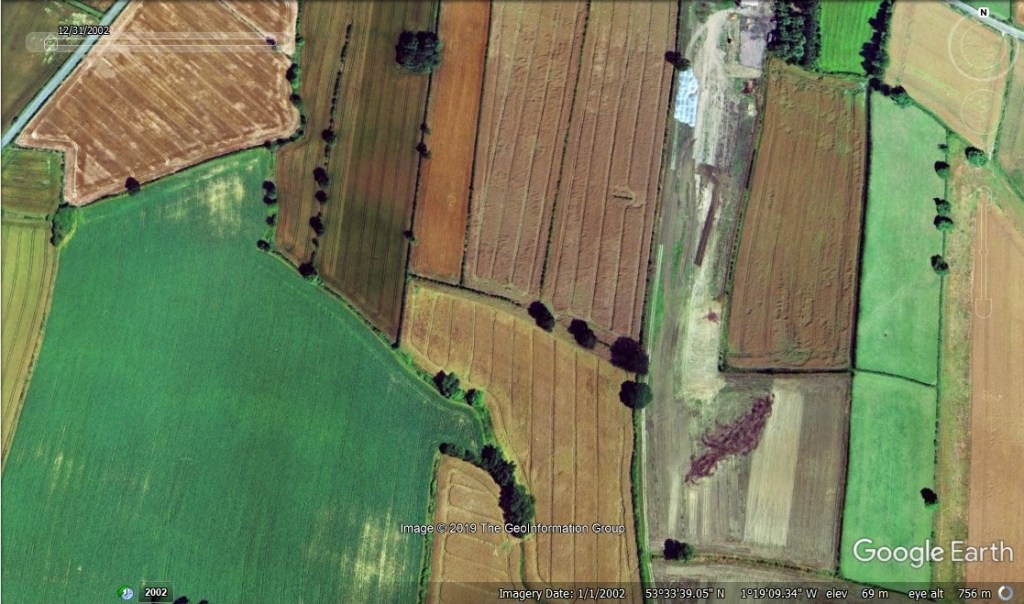
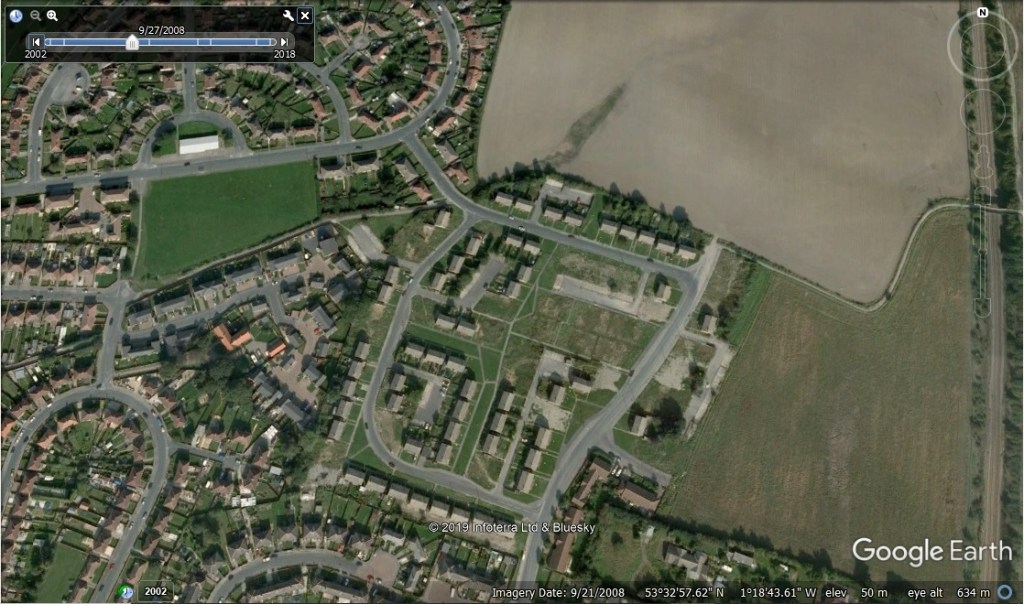
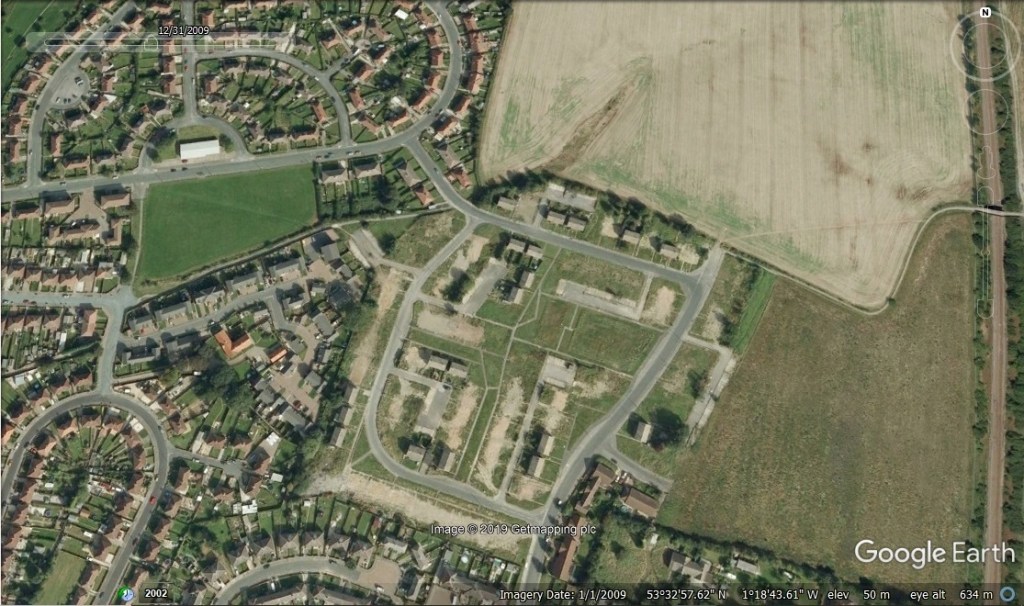
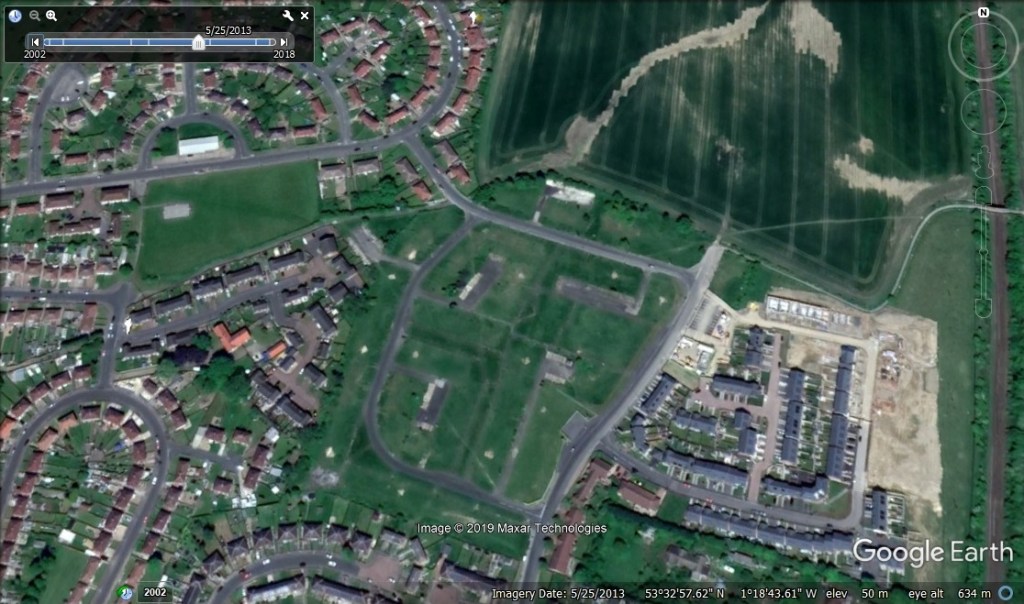
Google Earth has a fantastic feature that allows you to wind back the clock. Some data goes back decades, but for this obscure corner of the Dearne Valley, the earliest recorded imagery is 2002. This will be a great tool for the academics of the future, centuries from now.
The red circles indicate the position of the tree. It wasn’t my imagination, and significant changes have also taken place in the field to right, it seems to have been cleared and worked over.
2002200320082009201320172018
So, I know at least that memory was spot on, and that the tree disappeared some time between 2003 and 2008. There must be something in the archives about this. I’m planning to check the local papers and the planning applications.
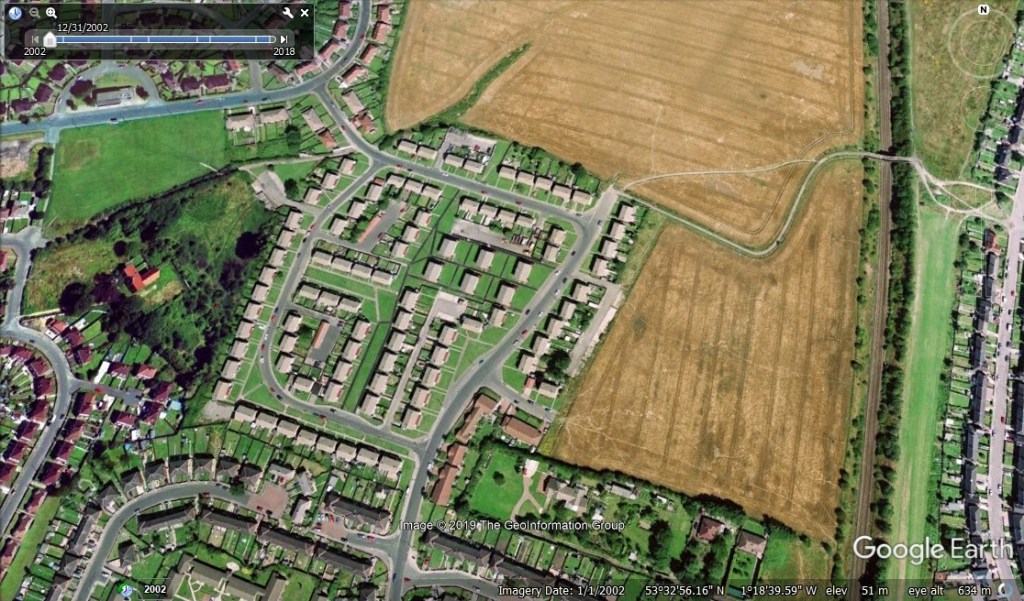
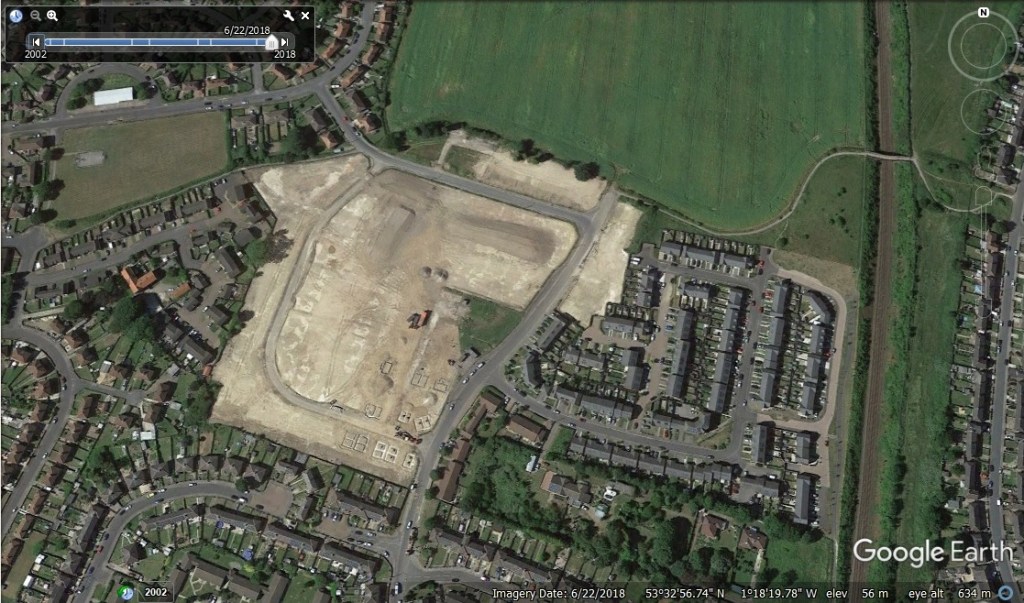
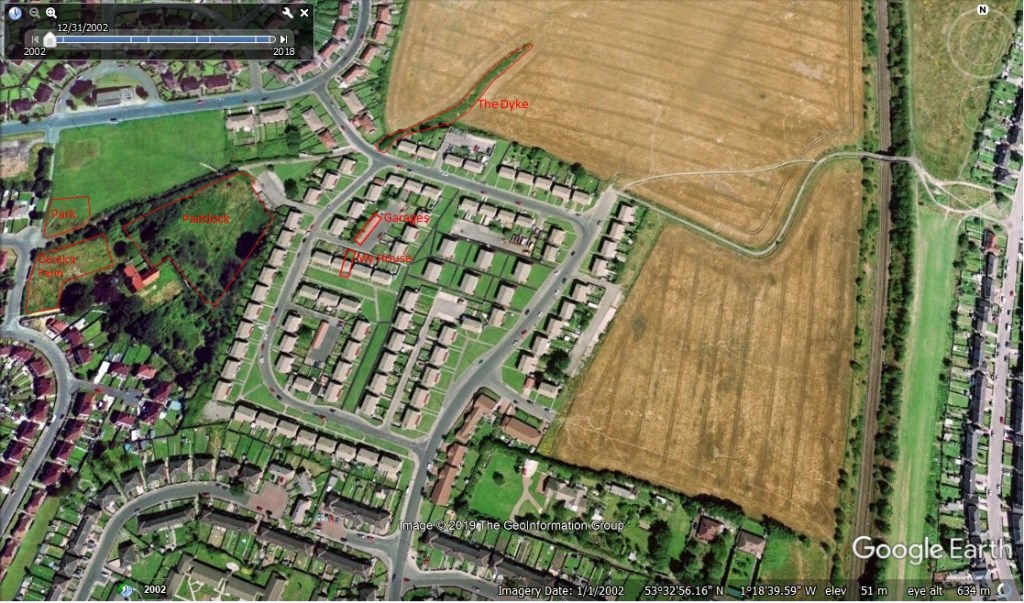
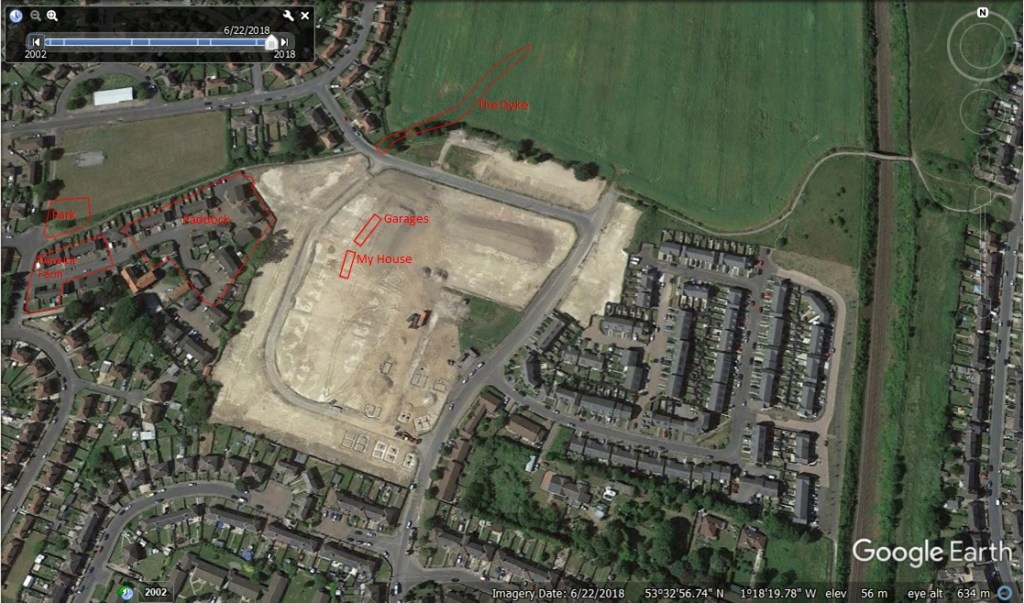
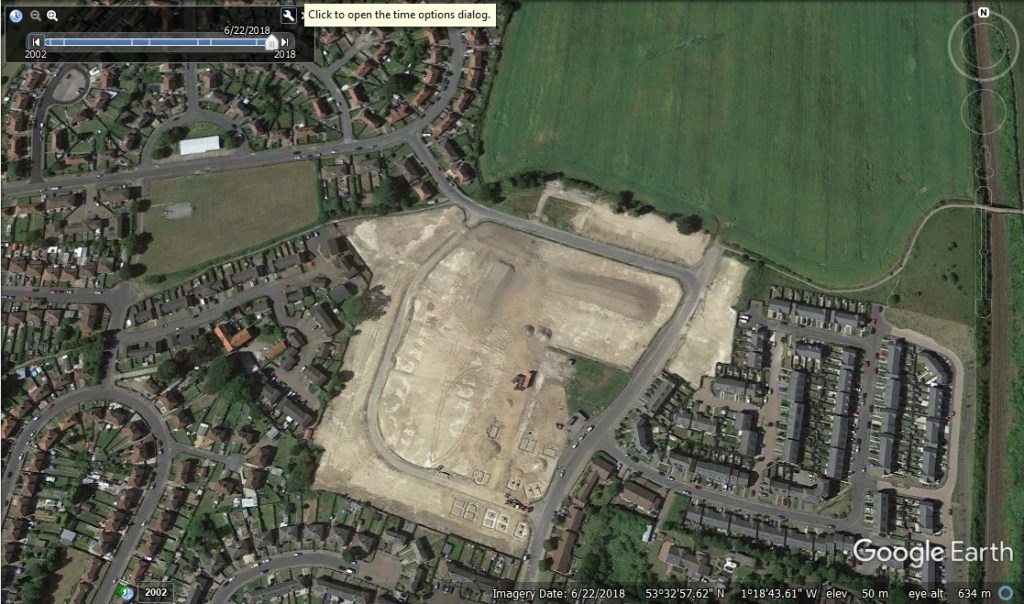
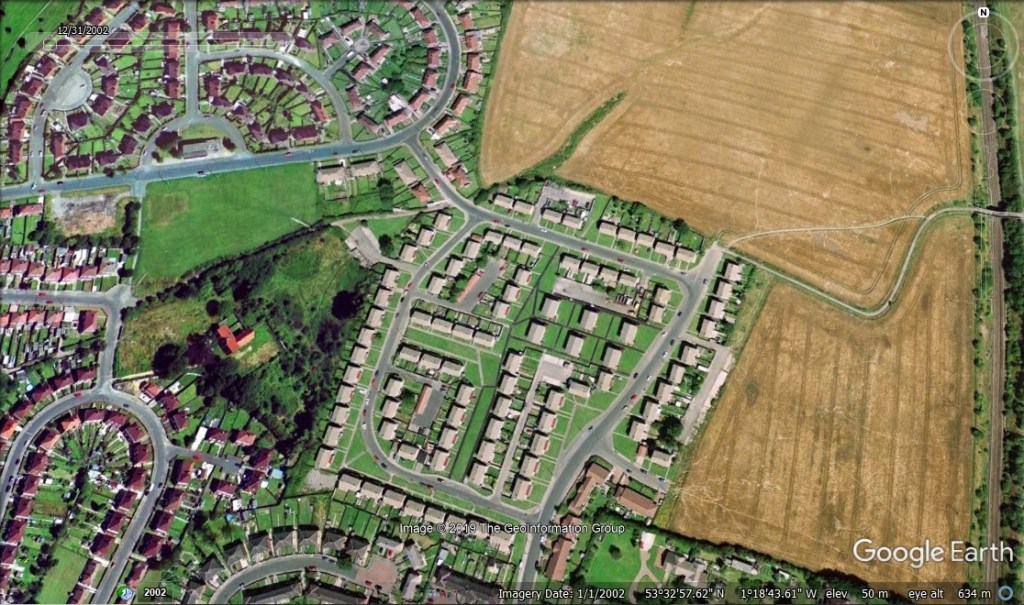
Reema ThenReema NowNothing lasts forever
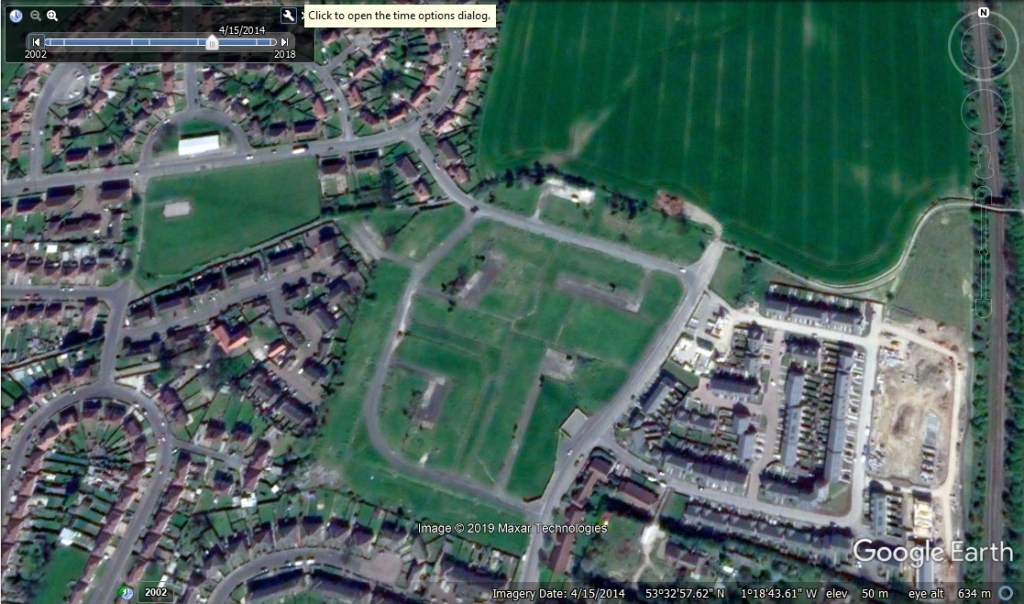
Google Earth has some great images of the Reema Estate going back to 2002. During that time, the entire estate has been torn down and work started on building replacement housing. Next to the estate was a farm, that was already reduced to just a house surrounded by derelict farm buildings, abandoned stables, the shell of a barn, and a large overgrown paddock. All of this is now housing. The arable fields to the east have also become a new housing development.
Many of the places that I knew were gone before the first aerial pictures were taken, but I’ve highlighted them here.
This is not as clear as I’d hoped, but I’m teaching myself how to edit images properly using Gimp. Good images are imported.
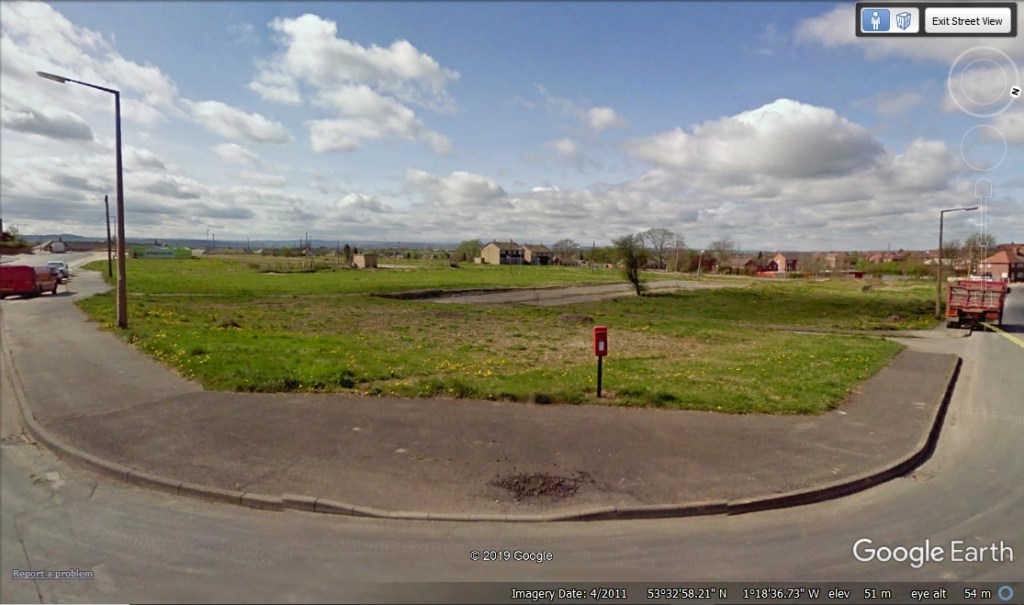
I was hoping that there would be better Streetview Images, but unfortunately not.
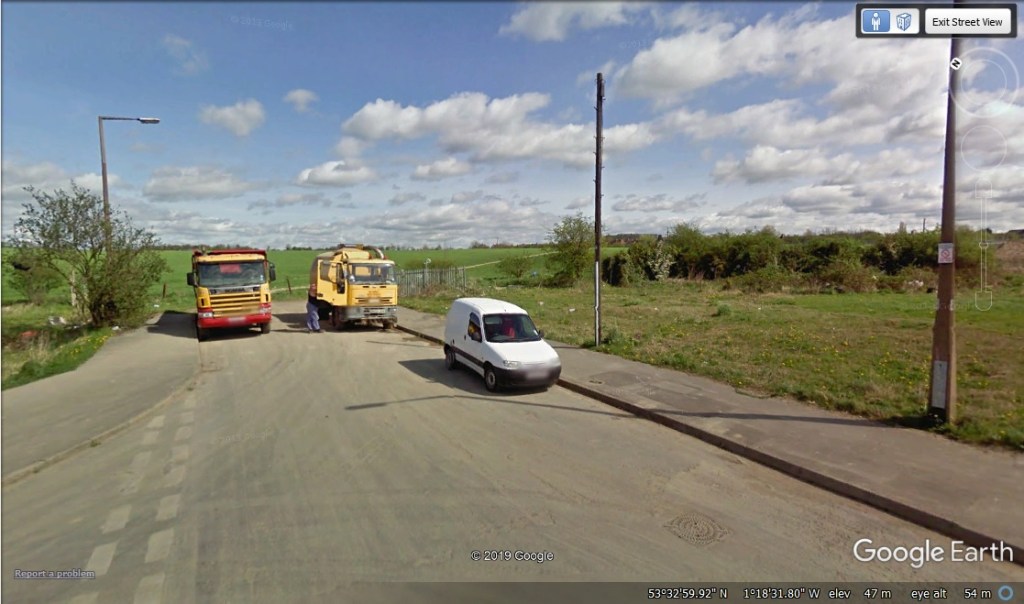
There is this one image though, from the corner of the Reema estate, by the path that led to the railway. I have very distinct memories of going here when I was very small. It represented the absolute boundary of where I was allowed to play. Beyond here were the dangerous places. The road was busier, wider, this was the bus route. It felt exposed, open, foreboding, and it still does. This was the frontier, and it always felt like there should have been more houses here, and its quite likely that there should have been. This corner was a T Junction, but only two roads.
I have had this dream for a long time, of being a story teller in the visual medium.
I have dabbled here and there with miniatures, building sets, and even learning how to use Blender. My biggest obstacle has always been satisfying characters. Characters are difficult.
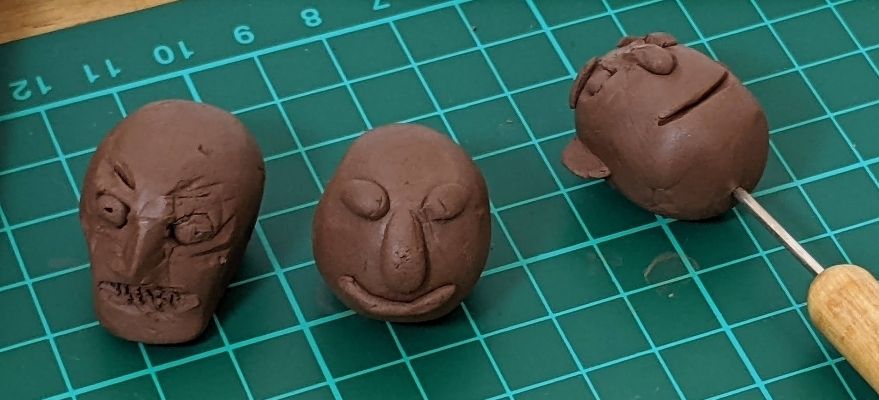
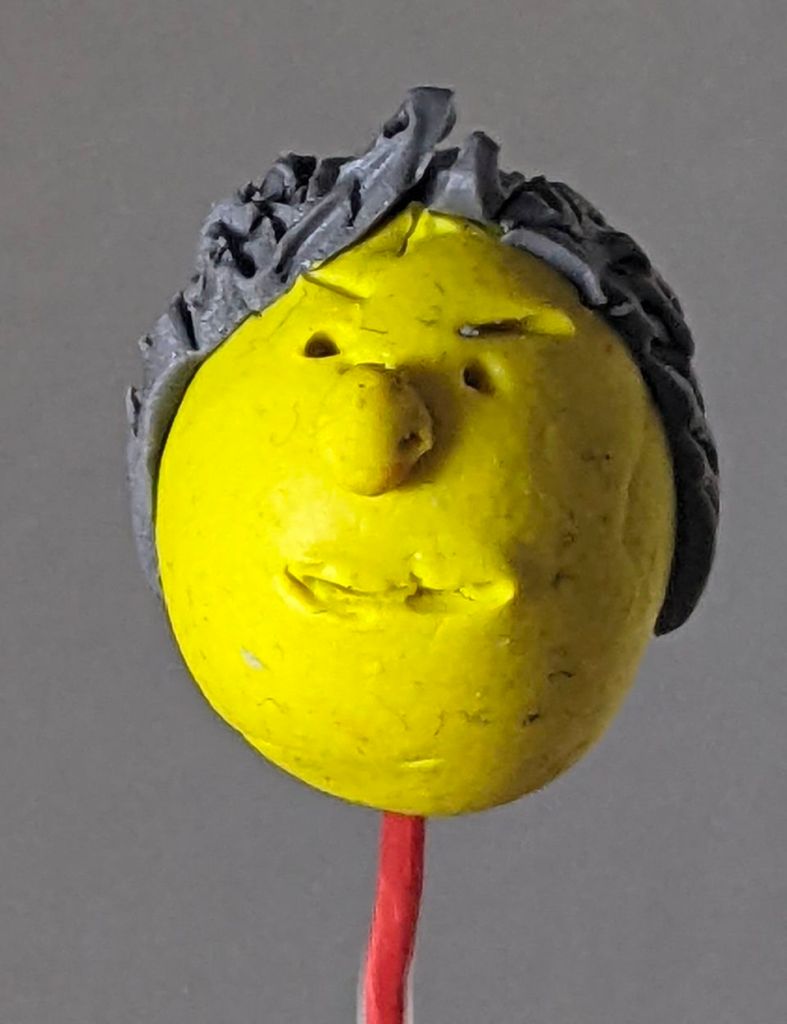
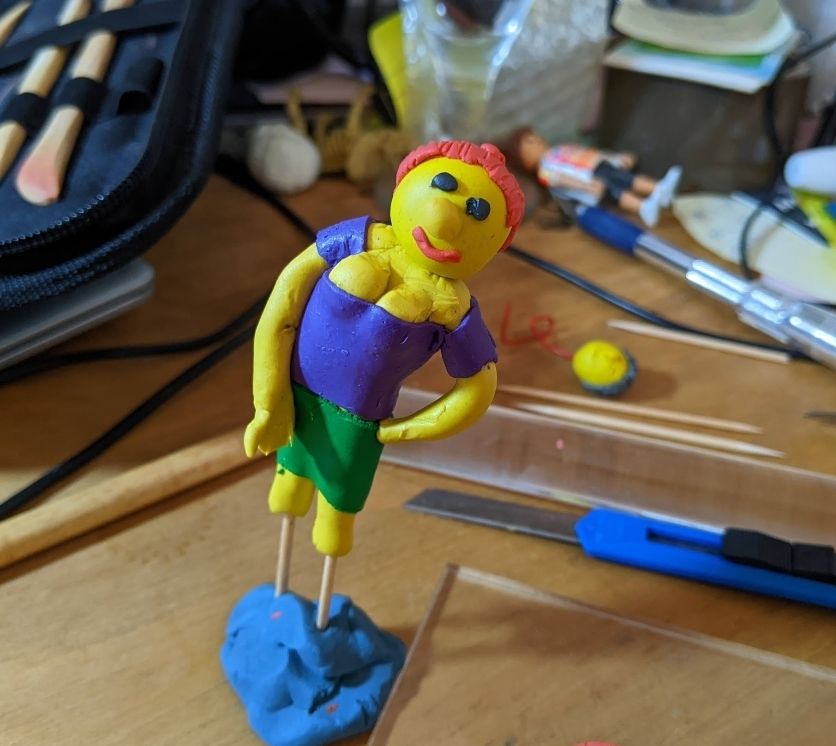
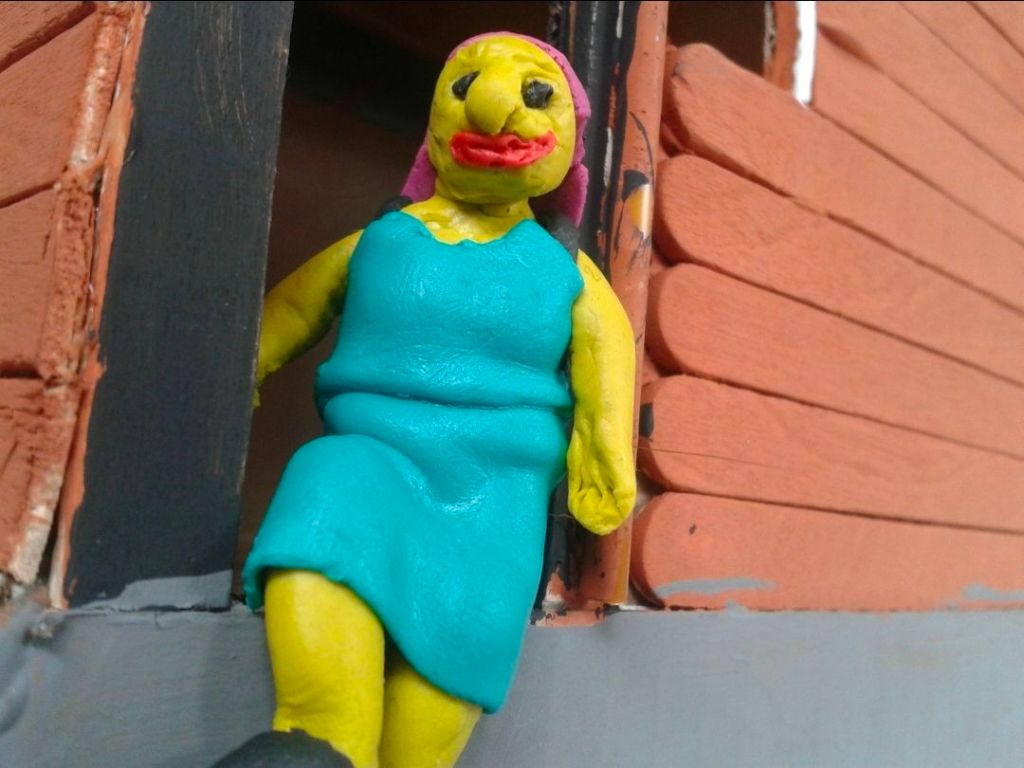
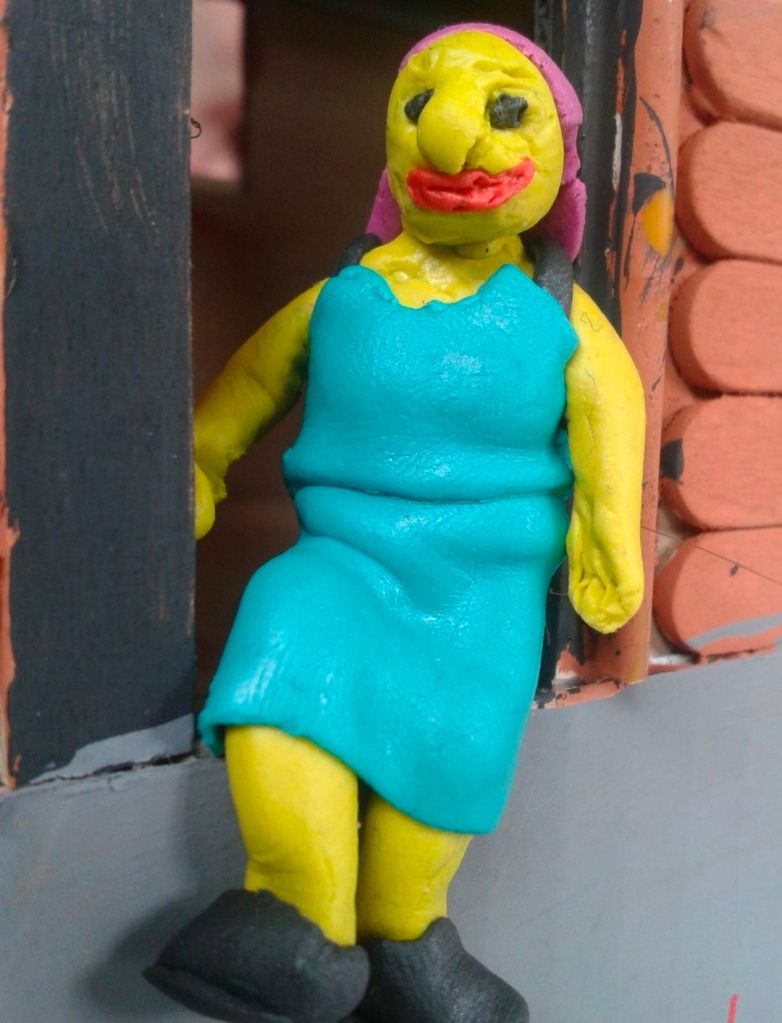
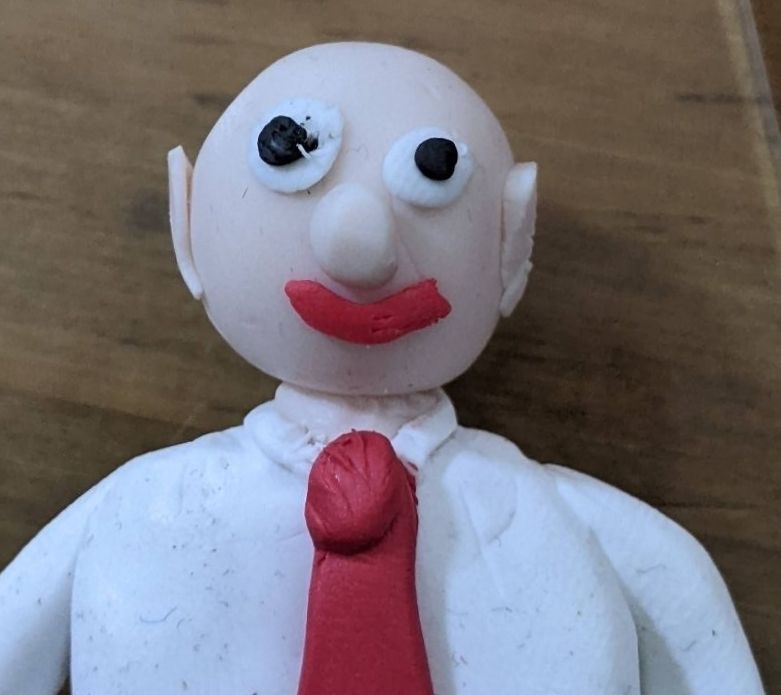
I tried my hand at clay sculpting. I had this idea that maybe I could do stop motion. But it turns out that sculpting is really difficult and I’m not that good at it.
I think my problem was scale. I tried to do everything in 1:24 scale, but that was really all that I have space for. It doesn’t help that I don’t have the eyesight for small details.
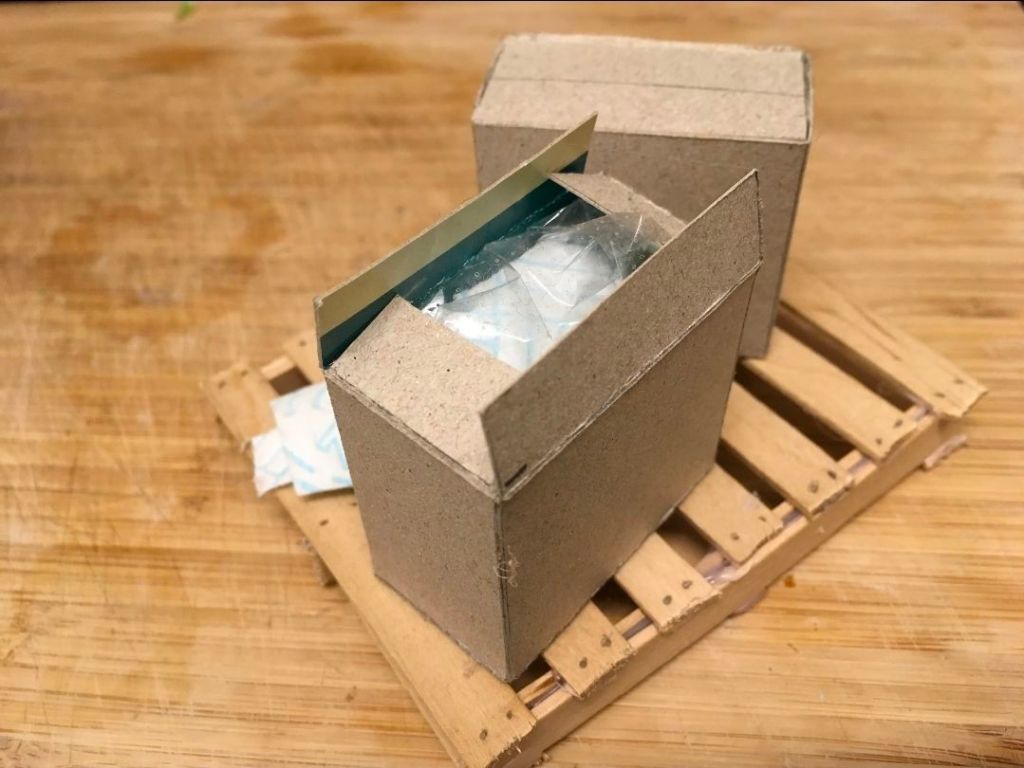
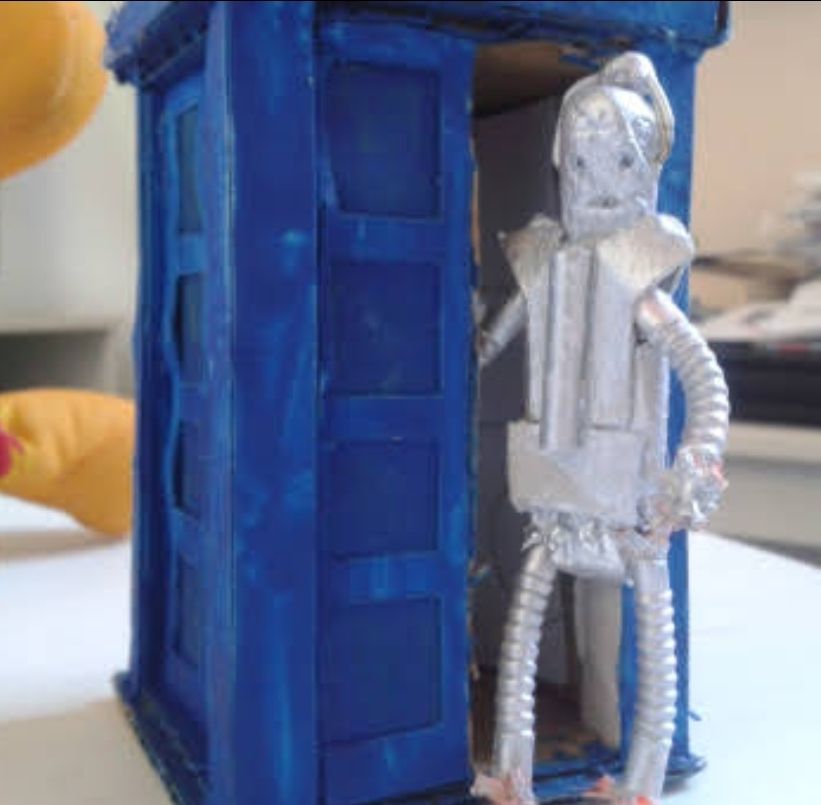
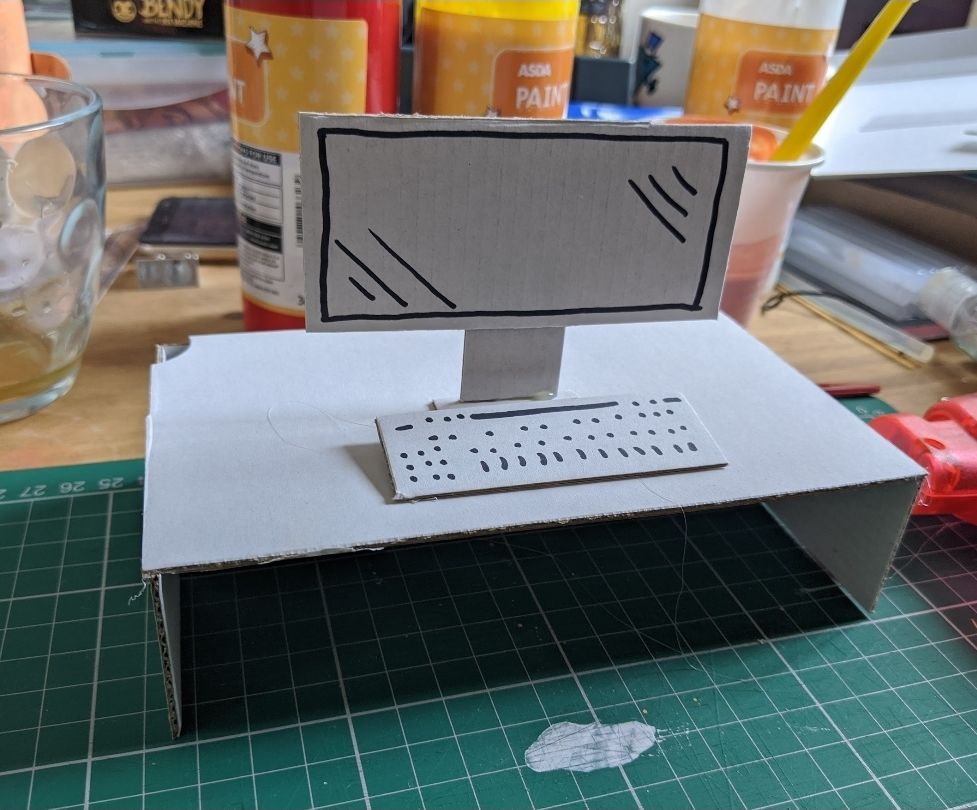
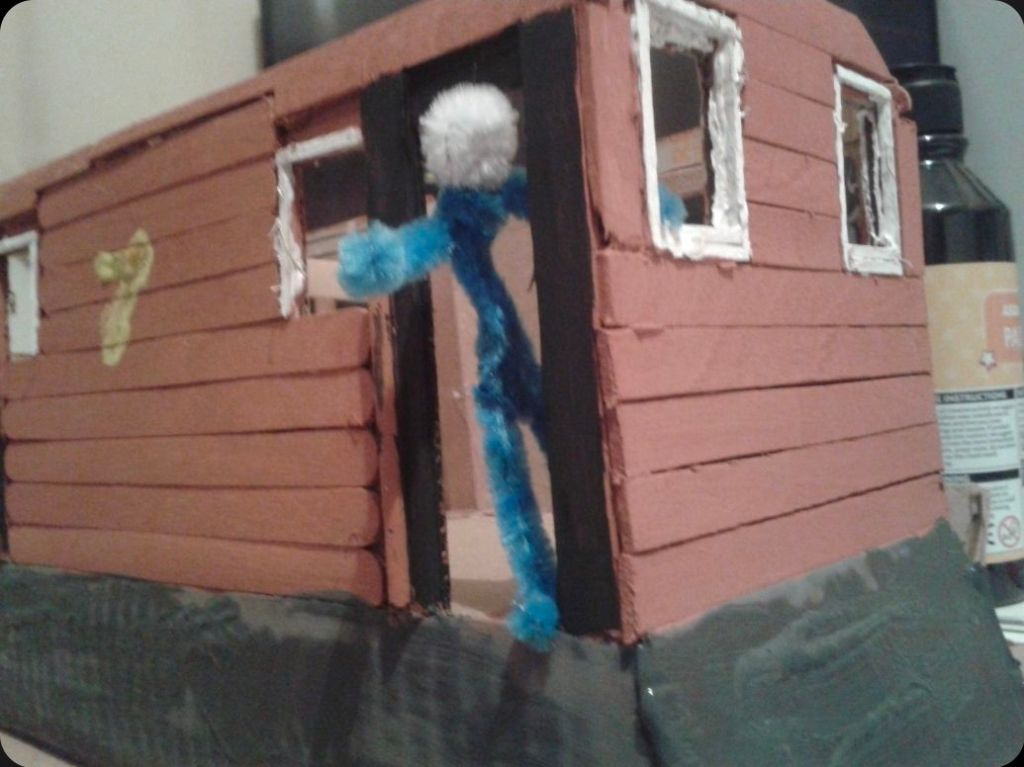
Modelling with card was a bit easier, but its not about the characters with the card.
Admittedly, some of these were made as toys for the boys, but I was working out a style, or trying to. These were passable toys, but no one would watch a video in this quality.
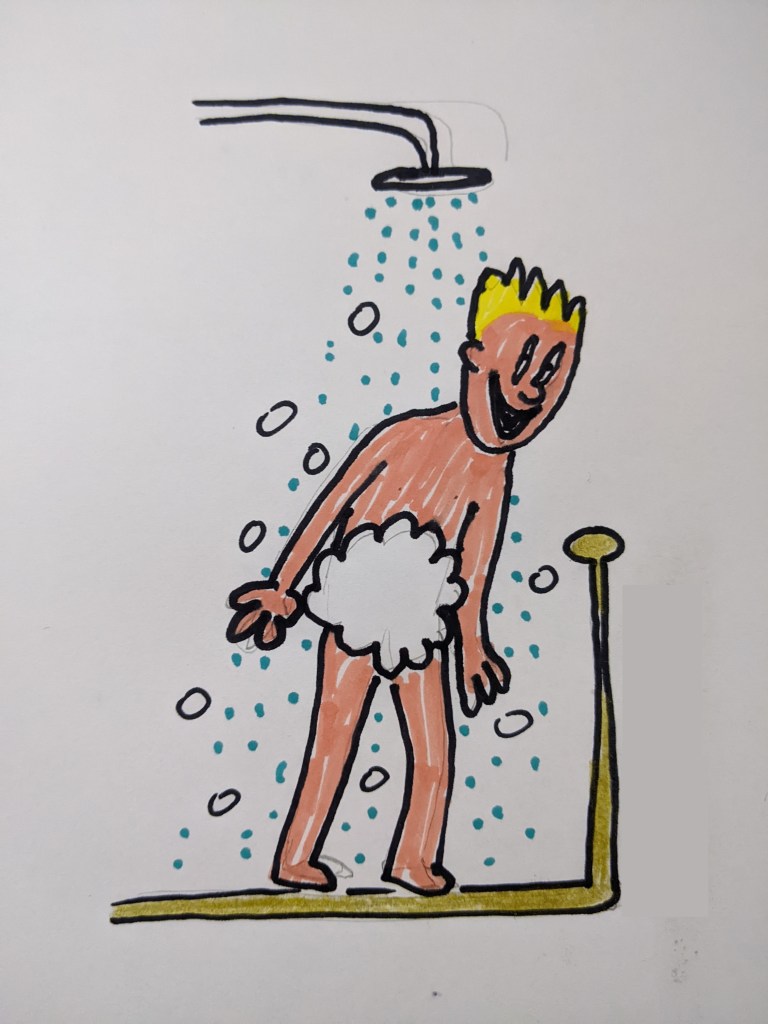
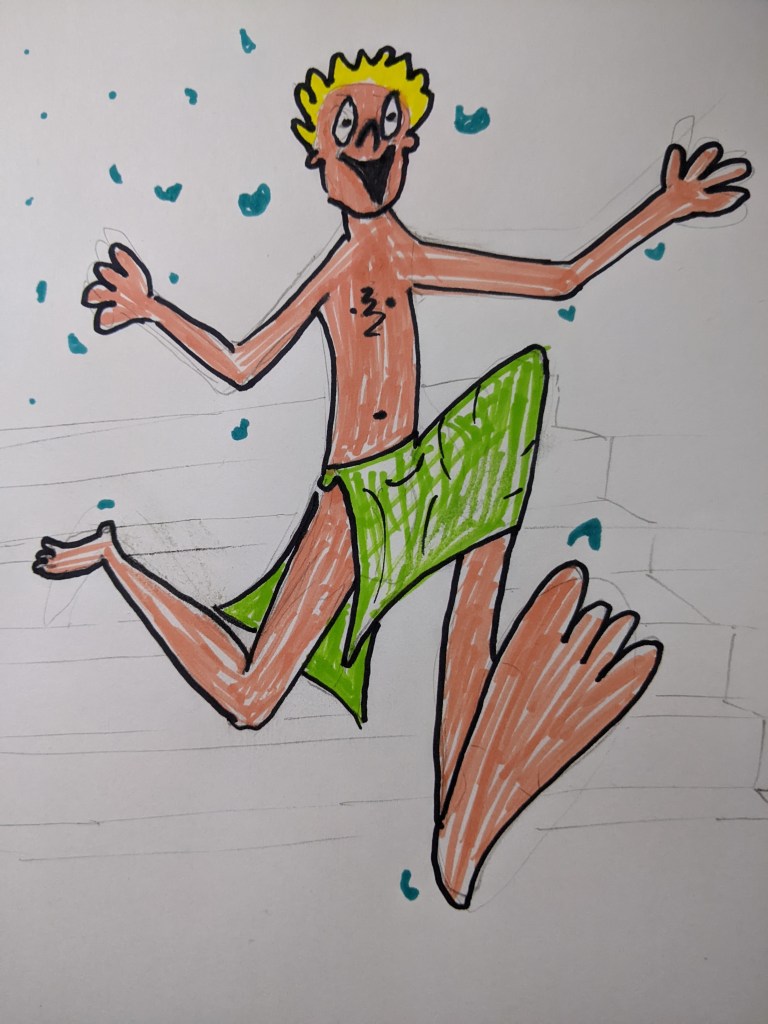
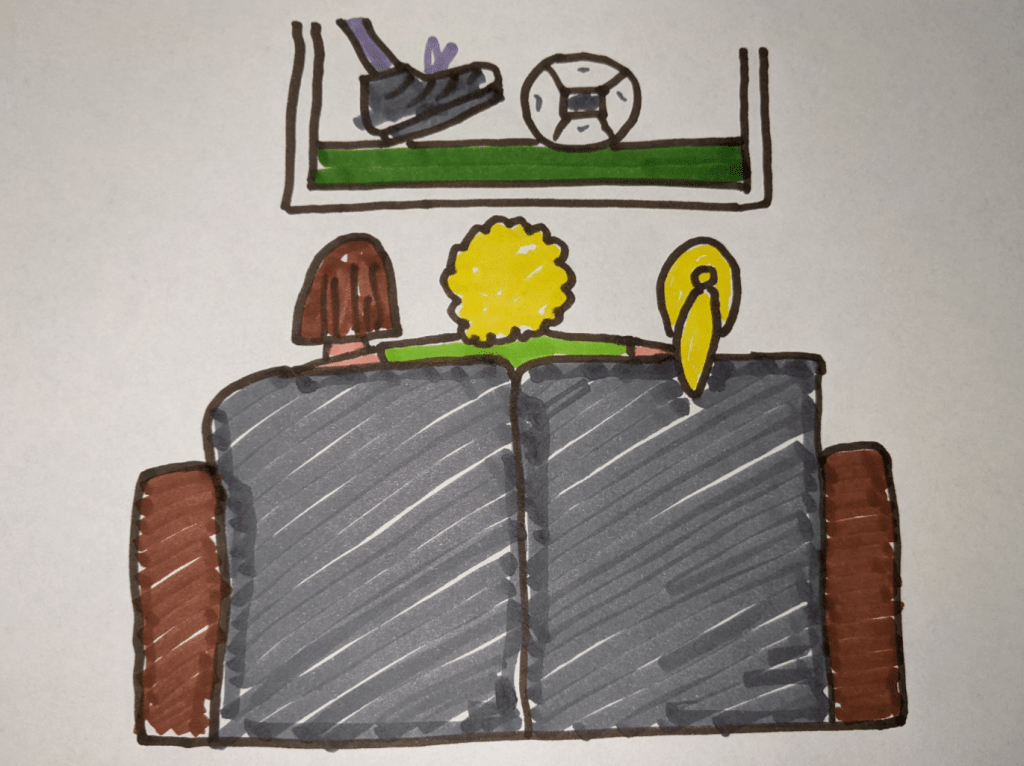
The last resort, though I never attempted puppetry, fabrics being way outside of my skill set and experience, was hand drawn illustrations.
I have used these hand drawn cartoon images to illustrate some of my articles, and with a bit of effort, it could work. Its definitely an option. With work.
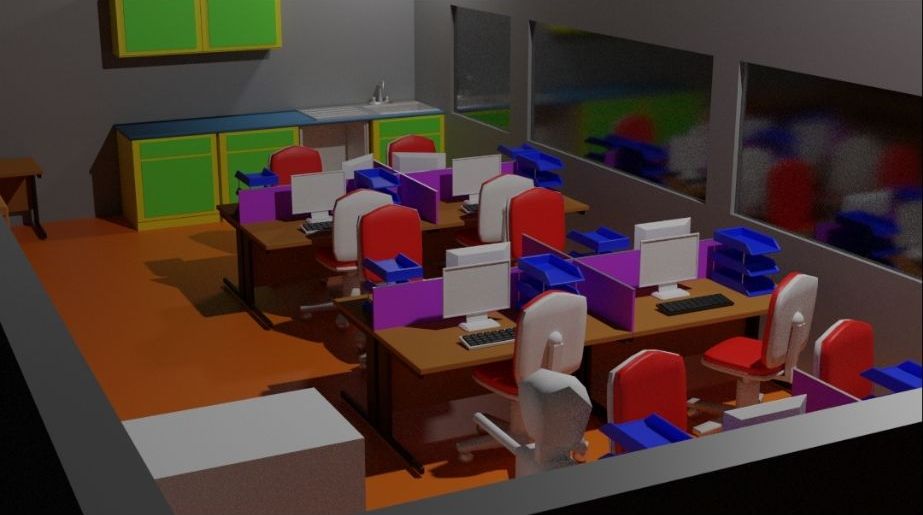
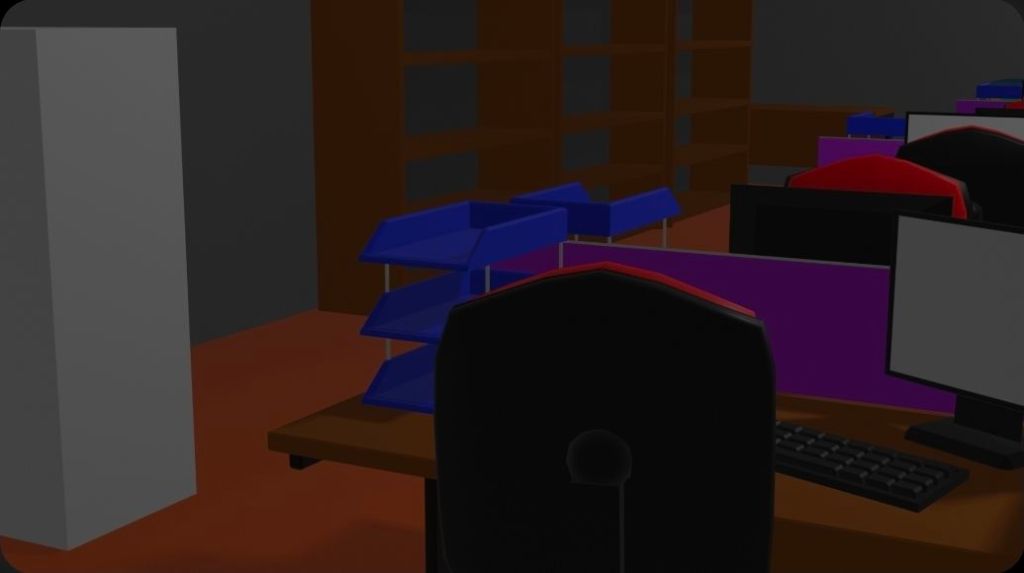
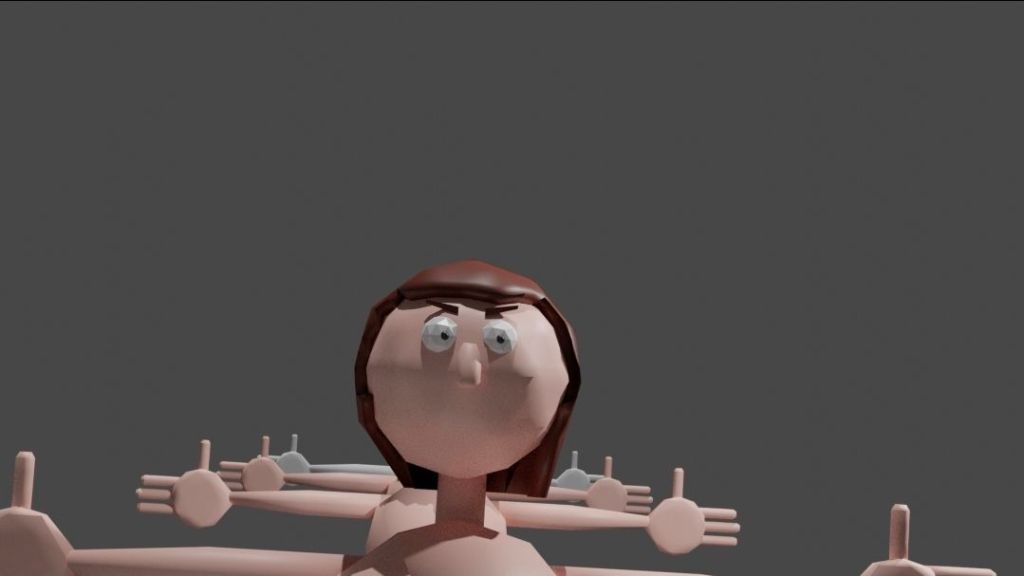
The other option I was looking at for a while was 3D animation. I taught myself the basics of Blender, but I hit the same problem, again and again. People. Characters.
Its easy to build an office in 3d, its just polygons coloured accordingly. But people are difficult.
So there are options available to me, but with work and effort and swear words.
There’s also the other option that no one wants to talk about. AI.
I don’t like AI, no one likes AI, but is it an option?
I admit, I do use AI to assist with illustrations. I prefer to use my own images, or stock, but sometimes I can’t find an image of something that I want because it doesn’t exist, or it does but its blurry or grainy or something. Not ideal, but its there, and AI can make it suit my needs.
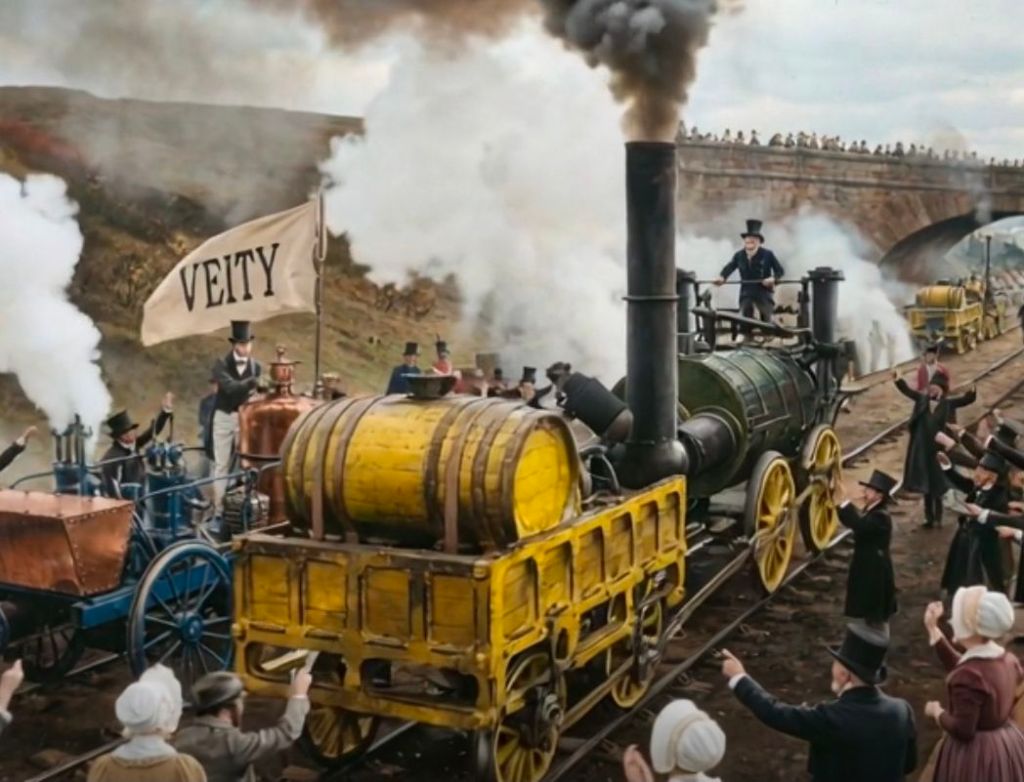
There’s just no getting away from it though. Its here for good, so I’ve been playing with it to generate trains and some of the results are ok.
To anyone that knows anything about trains, these are terrible, but they’d pass, would they not, in a short film?
Maybe they would, so I had a go at creation something more sci fi, to see how it might work for one of my science fiction stories.
Or maybe I could make my own episode of Star Trek? I dreamed of doing that in the nineties.
The results are a bit hit and miss though. The prompt doesn’t always draw what you have asked for. But you can animate your own images.
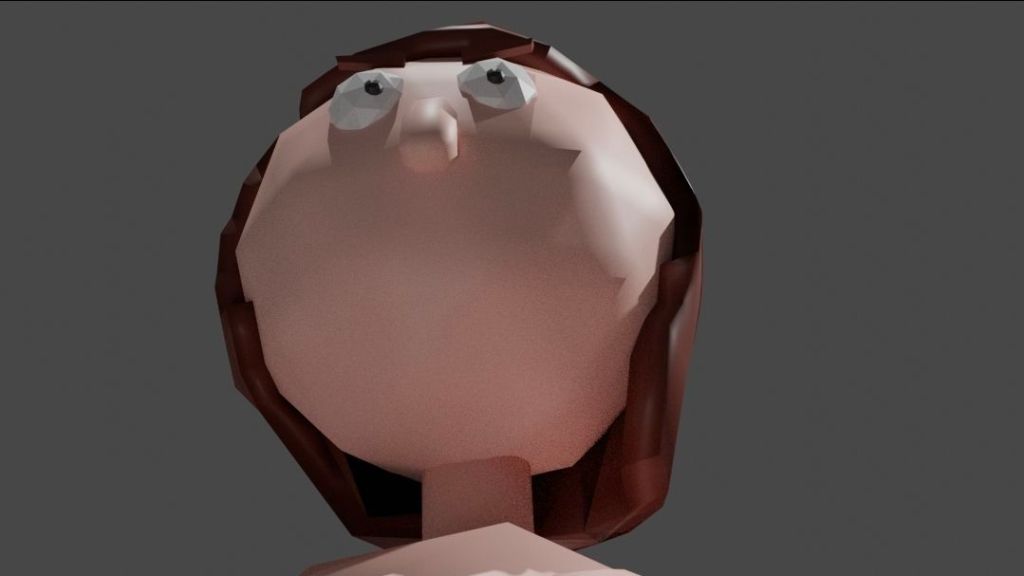
I used it to animate one of my own images, and the result was genuinely creepy.
I used it to animate one of my cartoons. Its not terrible I suppose. Its an option.
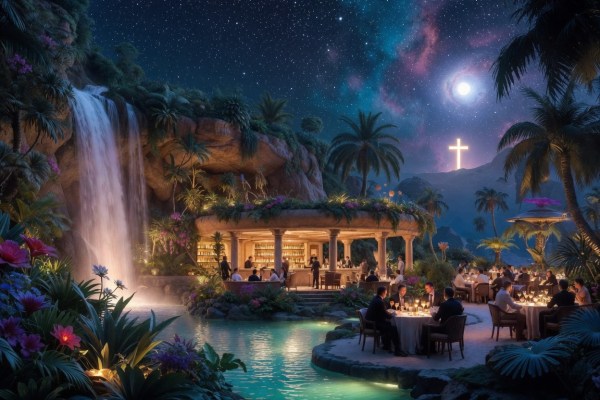
More recently I have been looking at the capabilities of creating fantastical places, but I keep running in to the same issues.
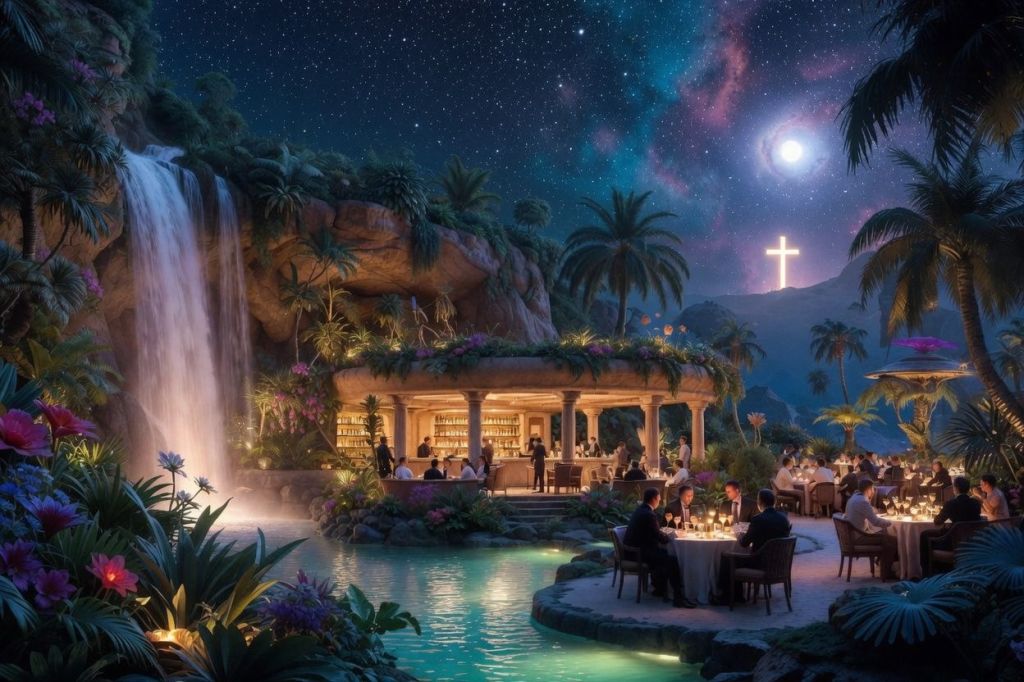
Here’s a bar on a distant planet, a million light years away.
Fantastical Evening
So I then thought, what about the same place during the day, what if it was a wedding? A
I did not ask the animation to include audio. It added that by itself. Do I have to specify everything? Including what not to include?
So I ran it again, this time to drop the dialogue, and instead give me a cinematic scene panning through the crowd and centering on the cross.
It went a bit bonkers.
So I tried again, asking it to keep it real.
And then I ran out of credits.
AI appears maddeningly good, but its also expensive. Who wants to spend that time and money on frustratingly close but unusable footage?
I think the time will come, but when it does, it will be too expensive for the likes of me, and everyone will be demanding authenticity in their art anyway.
They often ask, if you could say three words to your eighteen year old self, what would they be?
I would have to give it some serious reflection, but its highly likely that I would say something deep and profoundly meaningful and important.
“Journal Your Curries!” I would say.
I cannot change the past. I cannot revisit those delightful dishes and document them for posterity like I should have done, but I can change the future. I can journal the future curries that are yet to come, for the good of humanity.
In the meantime. I can look back on some of the curries I have enjoyed previously, and the ones I had the foresight and wisdom to photograph, I will share here.
Lamb Katmandu
The Lamb Katmandu is a lentil based dish that I enjoyed at the Indian Garden in Kirkwall. I am only recently starting to enjoy lentil based dishes, having been turned against them in childhood by an Episode of The Young Ones.
It was a very tastey and perhaps over salted dish. The excess salt would not normally be a problem, but this was an unlicensed restaurant, and there was no beer.
Also of note was the absence of the lime pickle on the pickle trays. Not a deal breaker, but highly irregular. I am in two minds whether I would go for the Katmandu again.
Lamb Kathmandu
Lamb Kabuli
Although I don’t take formal notes, I did begin sharing curry highlights with my Southern Curry Bud. On this occassion I had the Lamb Kabuli at the Sultan in Lancaster.
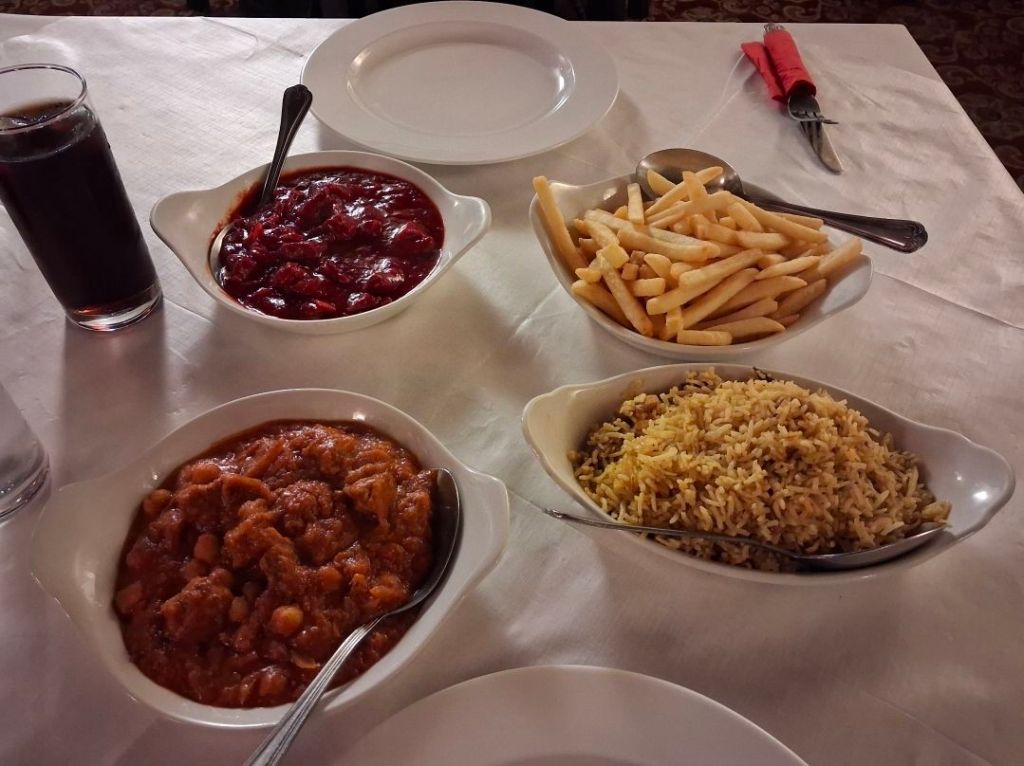
I noted that it was Lentils and Chickpeas, tangy, with a little spice, not much heat, and that I would have it again.
My Northern Curry Bud had the Lamb Deewana if I remembered correctly. I noted that while it looked appealing, it had a sweetness that I cannot abide in a curry, and that I must remeber not to order it in future as its not the one I was thinking about.
The Sultan is s good and long standing Curry House in Lancaster. It has been there for as long as I can remember. I note that they do an excellent Lamb Naga, and their mushroom rice is the finest I have had anywhere.
Curry Night at the Sultan
Chicken Makhani
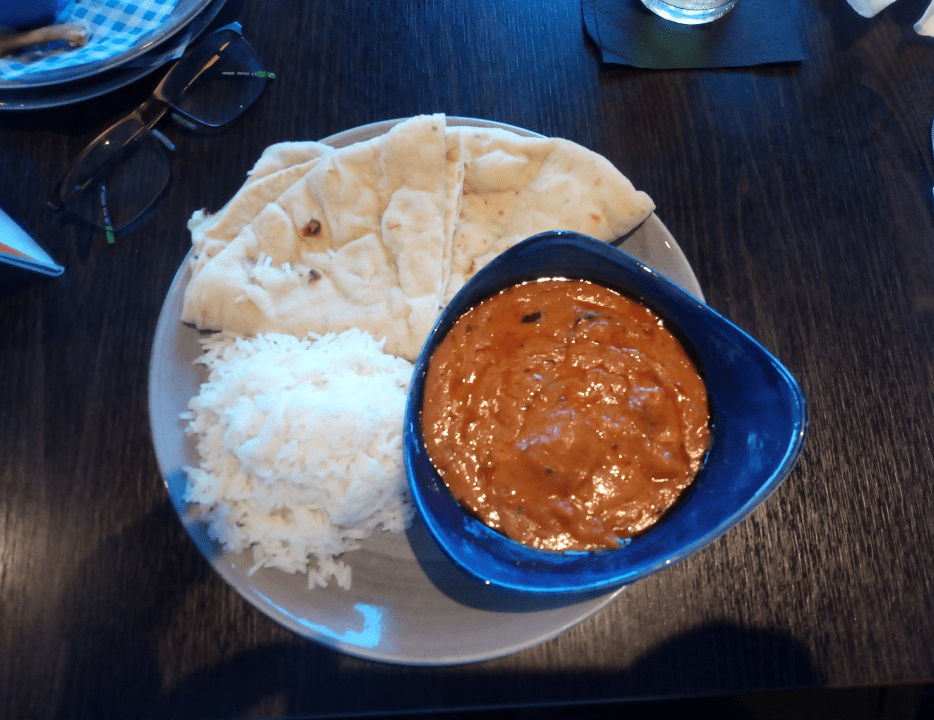
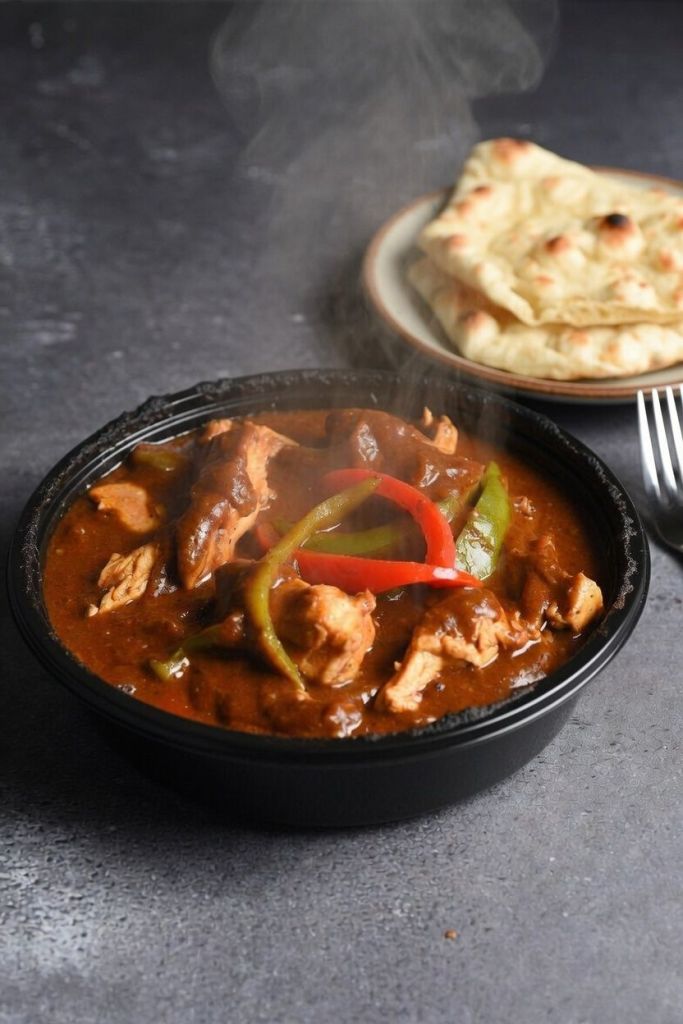
I had the Chicken Makhani the Holiday Inn in Derby. Not strictly a curry night, but it is a curry, and I did enjoy it. I noted at the time I paid £16.50 for Marinated chicken breast in a rich curry sauce, served with basmati rice and sourdough Naan. 1080 kcal. I also noted that I was tempted to look up the recipe for this one.
The internet tells me that it’s made with marinated chicken (often tandoori-style, grilled or baked first) simmered in a rich, creamy tomato-based gravy flavored with butter, cream, spices (like garam masala, cumin, coriander, and chili), and sometimes fenugreek.
Chicken Mekhani
I do look for this one menus in proper Indian restaurants. Nice as it was, at the Holiday Inn, for all I know it could have come out of a can.
Others?
I don’t have access to many others at the moment, not many that are useable here, which is odd, given the number of curries I had, and how often I take photos of food.
I had hoped I’d have one of the Lamb Methi, one of my firm favourites, or the banana and shrimp curry that my son ordered once but wasn’t edible. I think that one was only on the menu for a joke, do many people really order the banana and shrimp curry? Surely not.
I should mention one of my old favourites, one I oftem try to recreate by can’t quite capture the flavour of the respite in anotherwise arduous thankless day with an employer of last resort. For a time, back when work wasn’t going my way, I would leave my desk for an hour, collect a hot jacket potato topped with chicken tikka masala, and enjoy it in the park by myself.
Though I know how to make the perfect jacket spud, two hours in the oven, skin crispy from the beef dripping, and the creamy buttery insides, dripping with salt and butter, and though there are many options now for chicken tikka, I have to recreate that delicious combination of the jacket spud, the creamy tikka sauce, and the bit of peace afforded to me on my lunch break.
Sometimes the curry is as much about the moment, as it is about the curry. Sometimes.
“Hark at you with you galavanting off on your foreign holidays. You do you think you are!?”
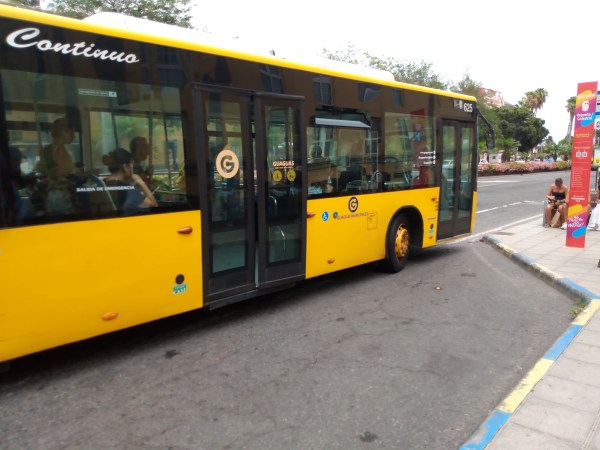
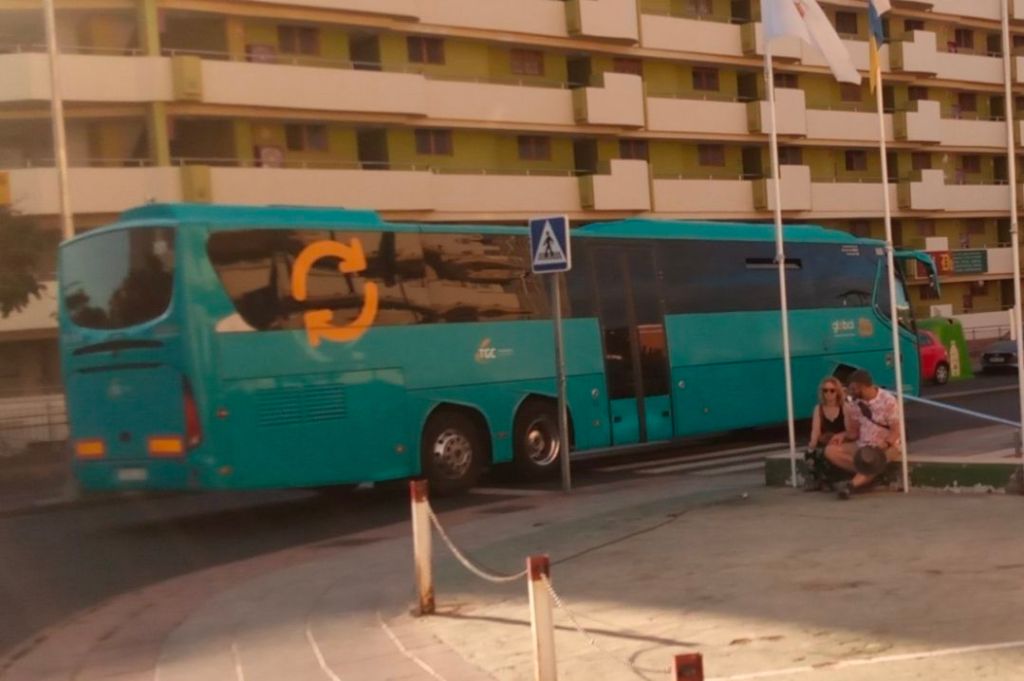
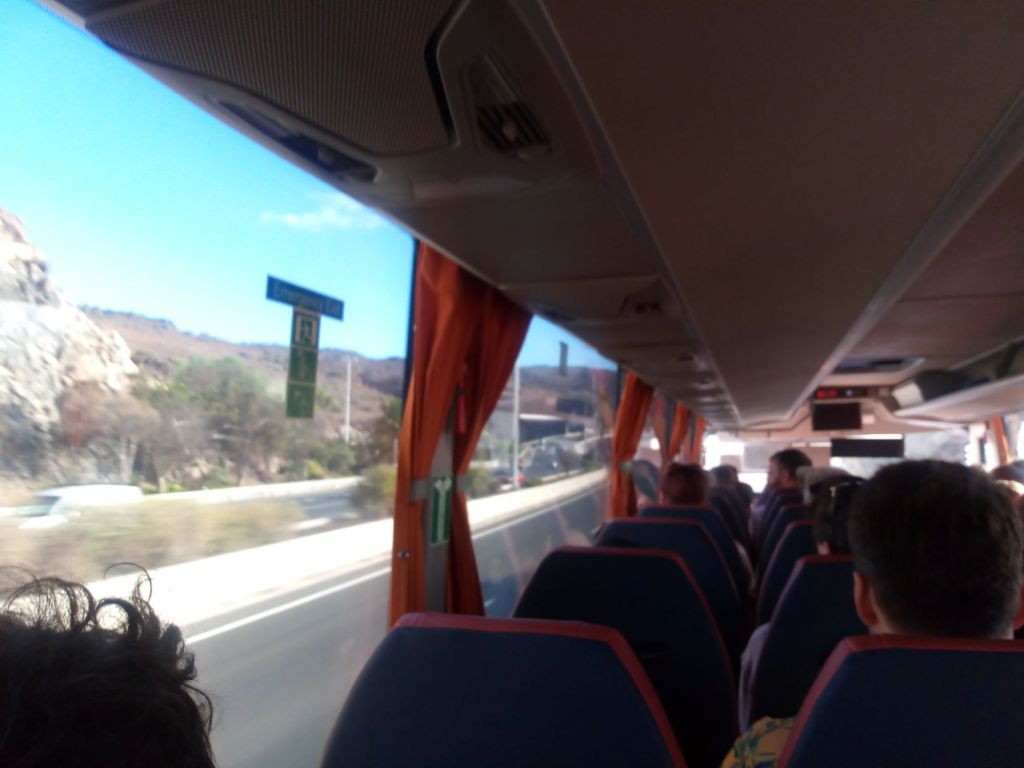
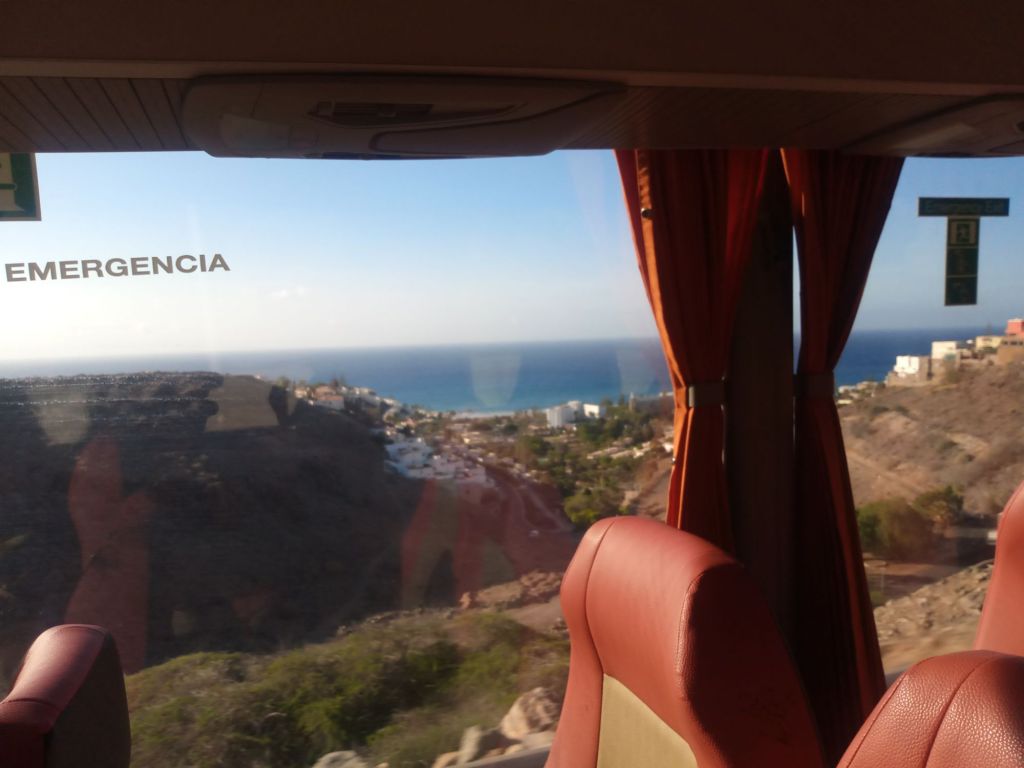
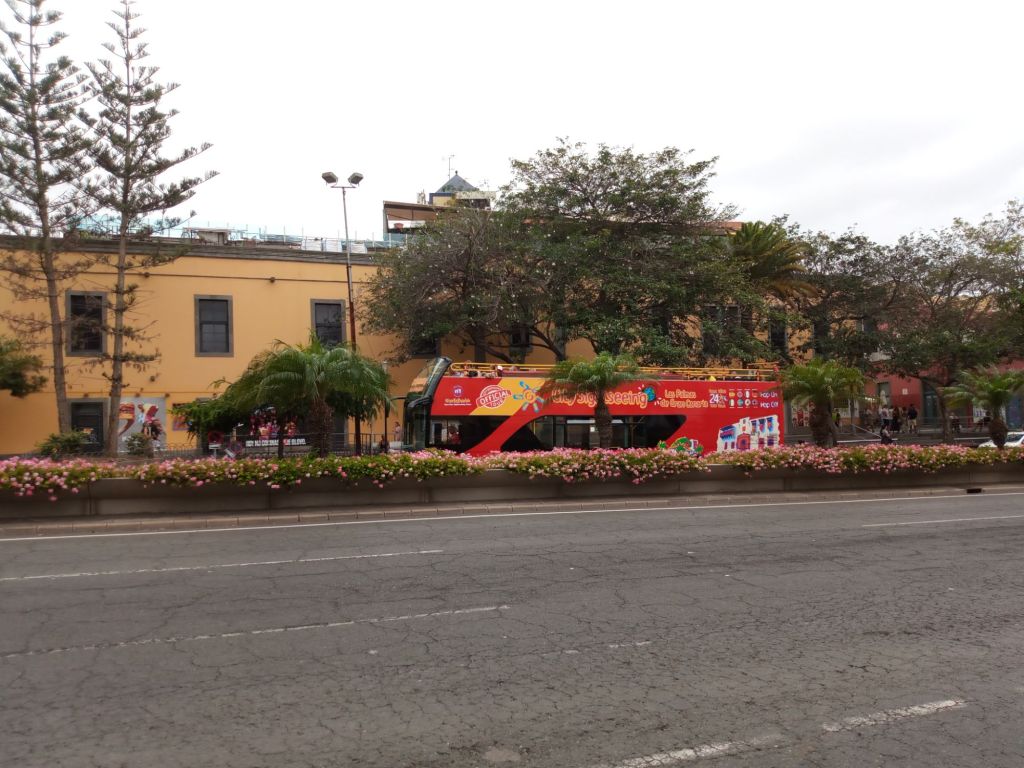
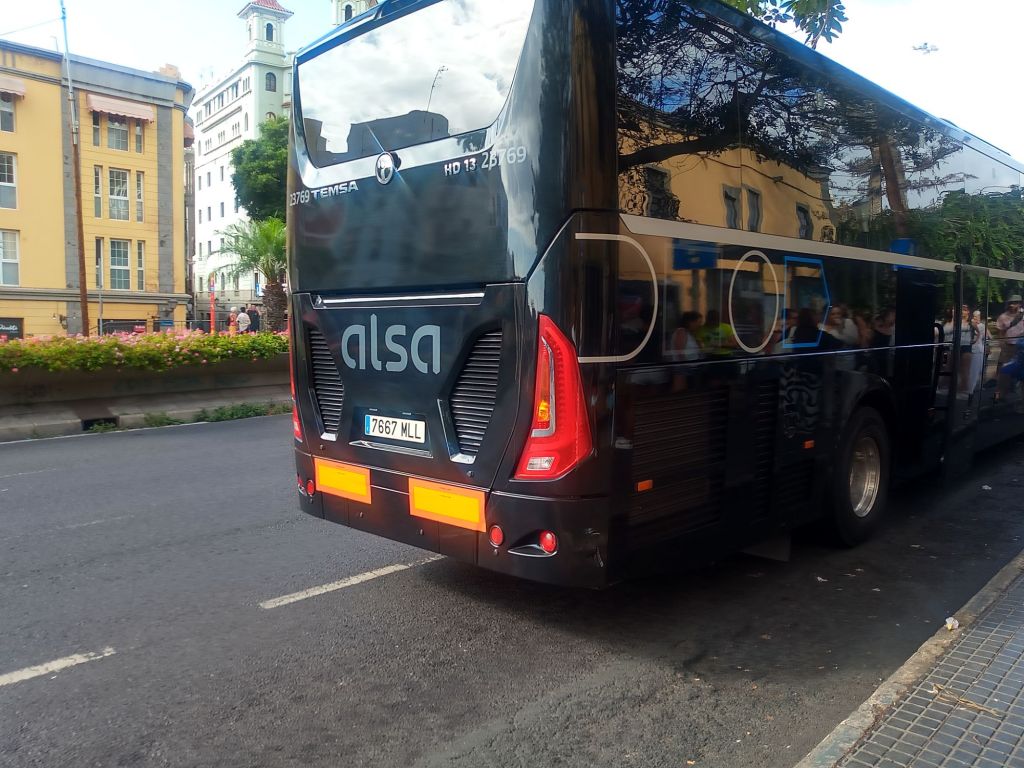
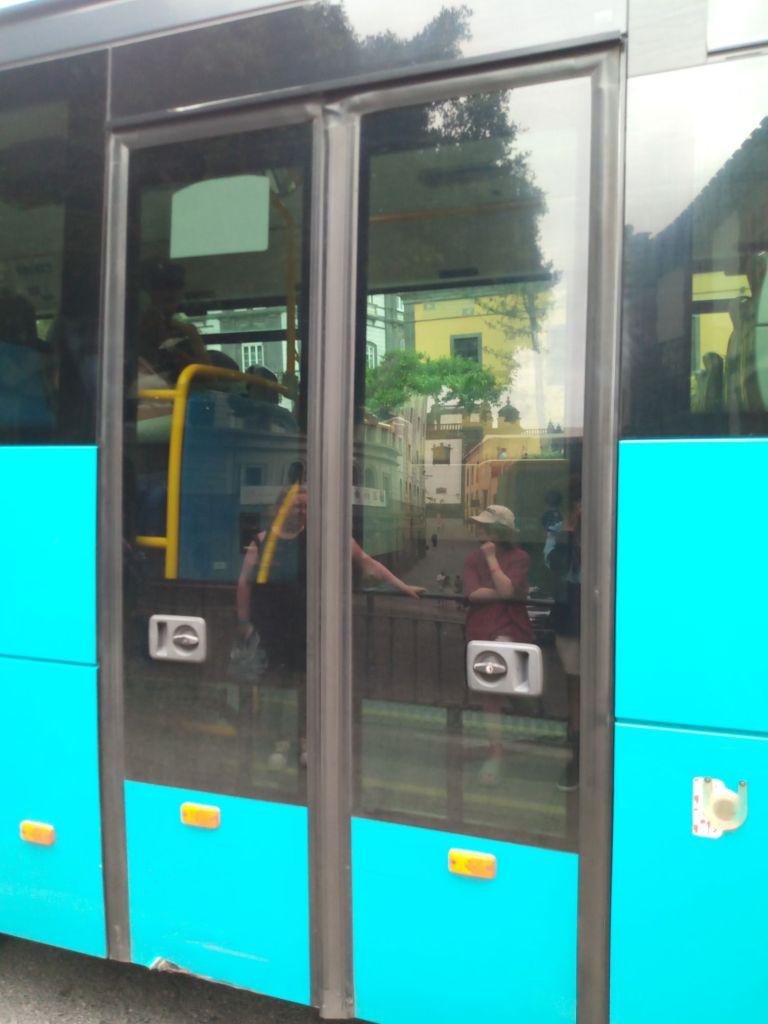
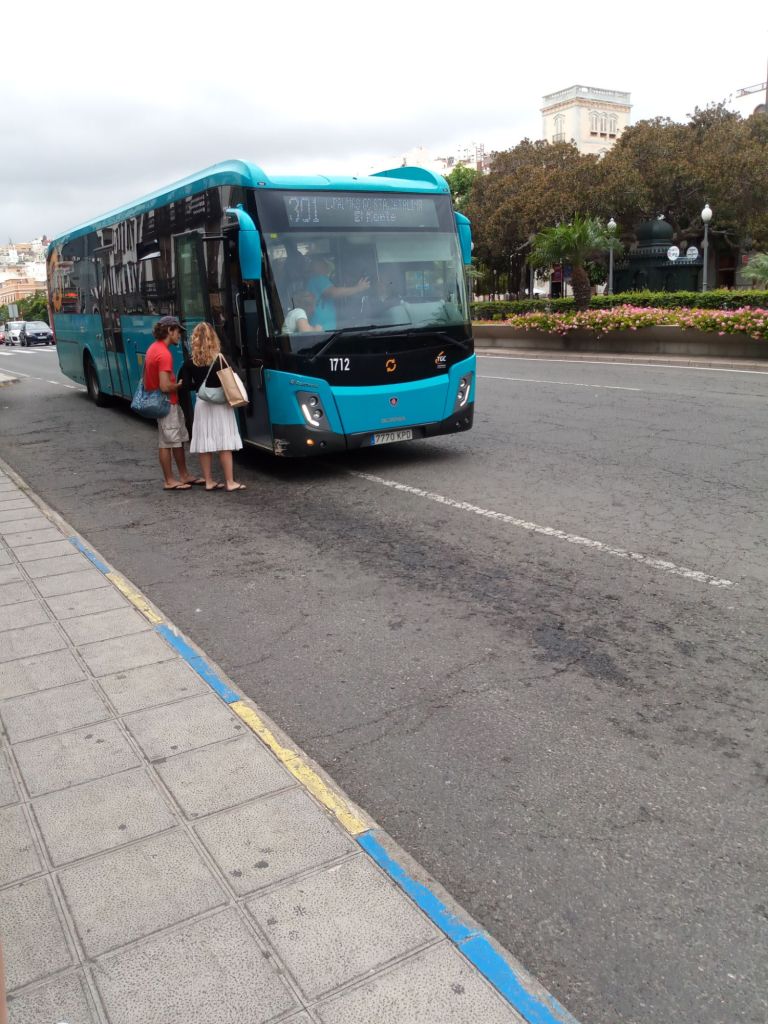
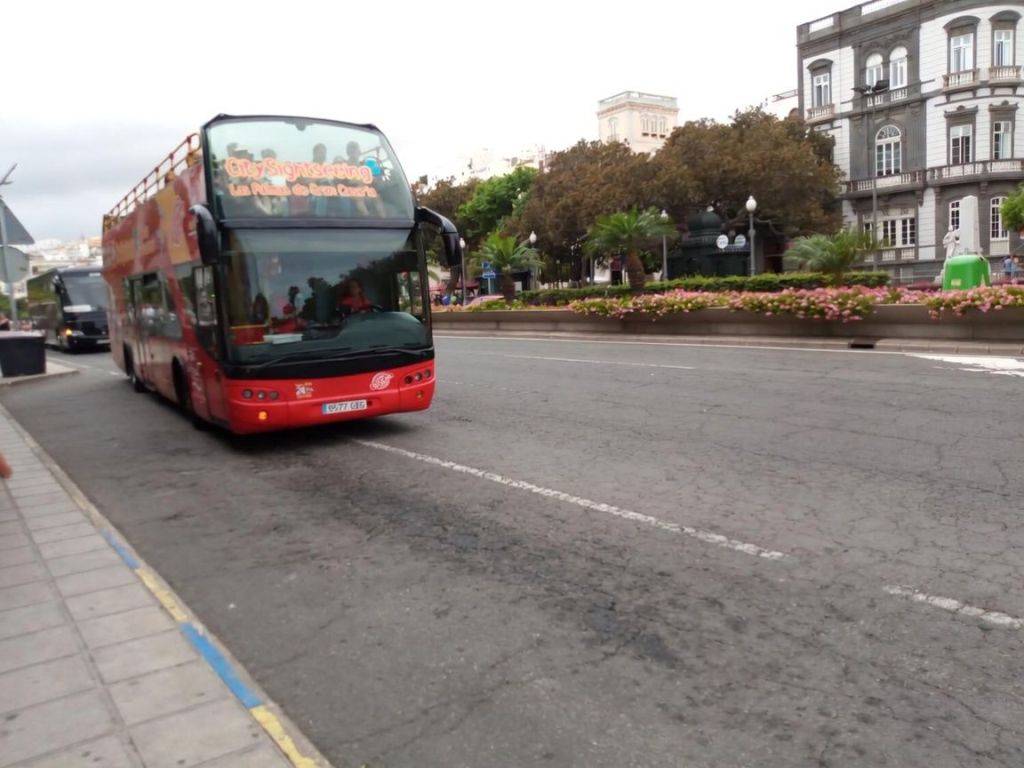
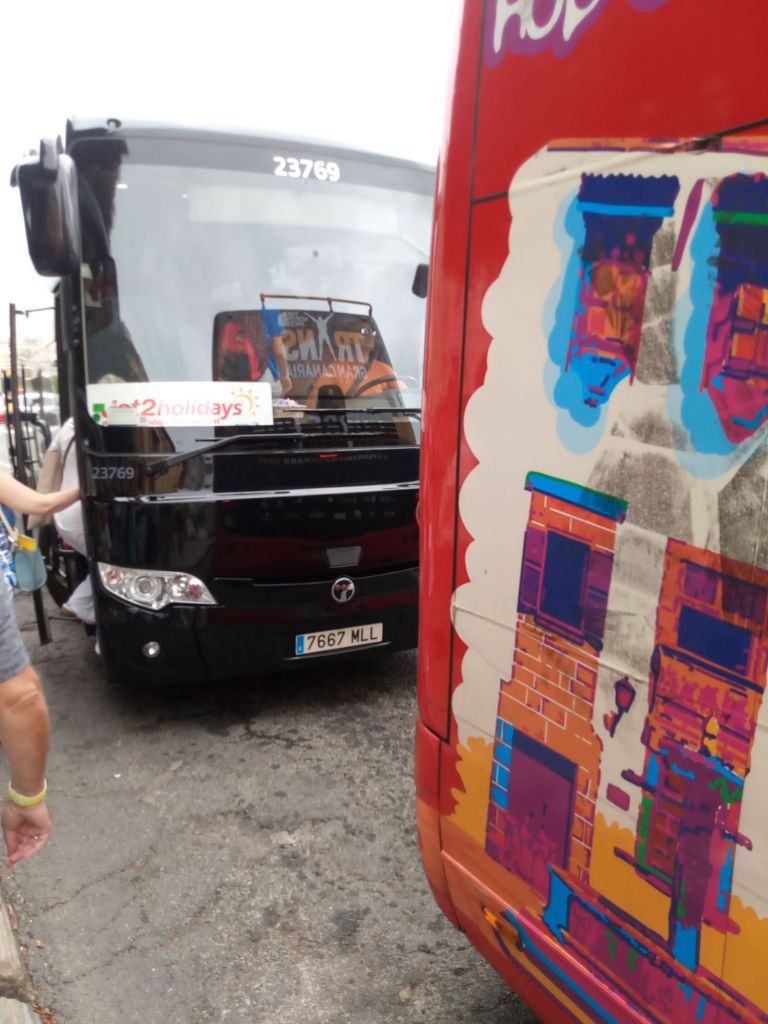
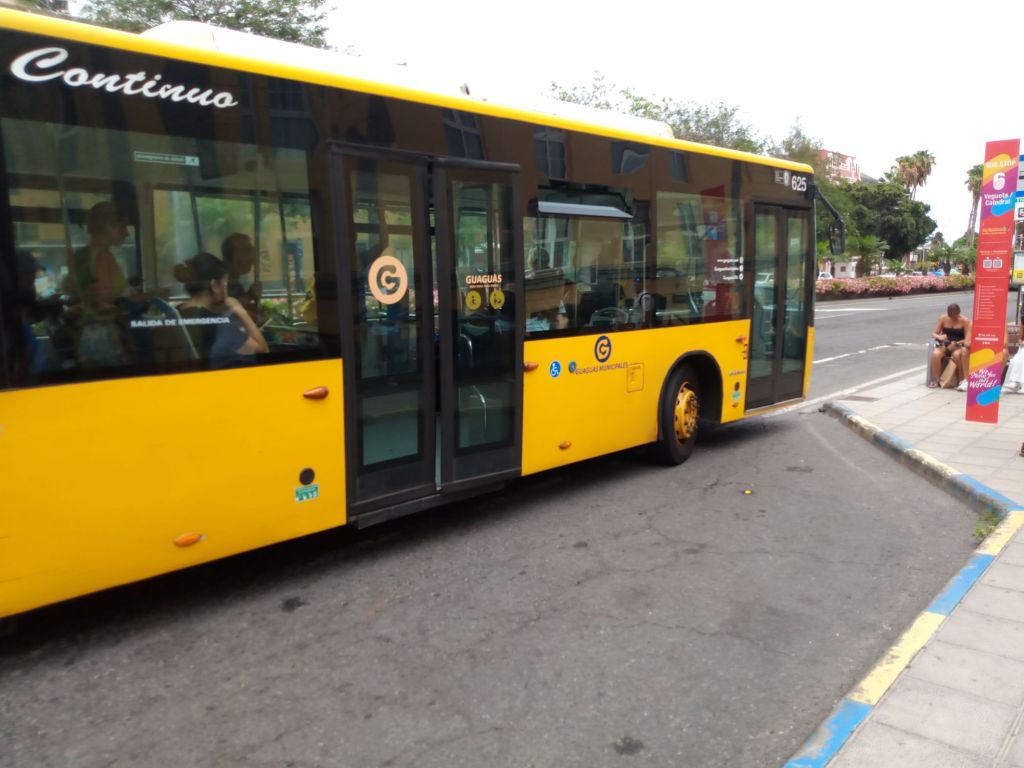
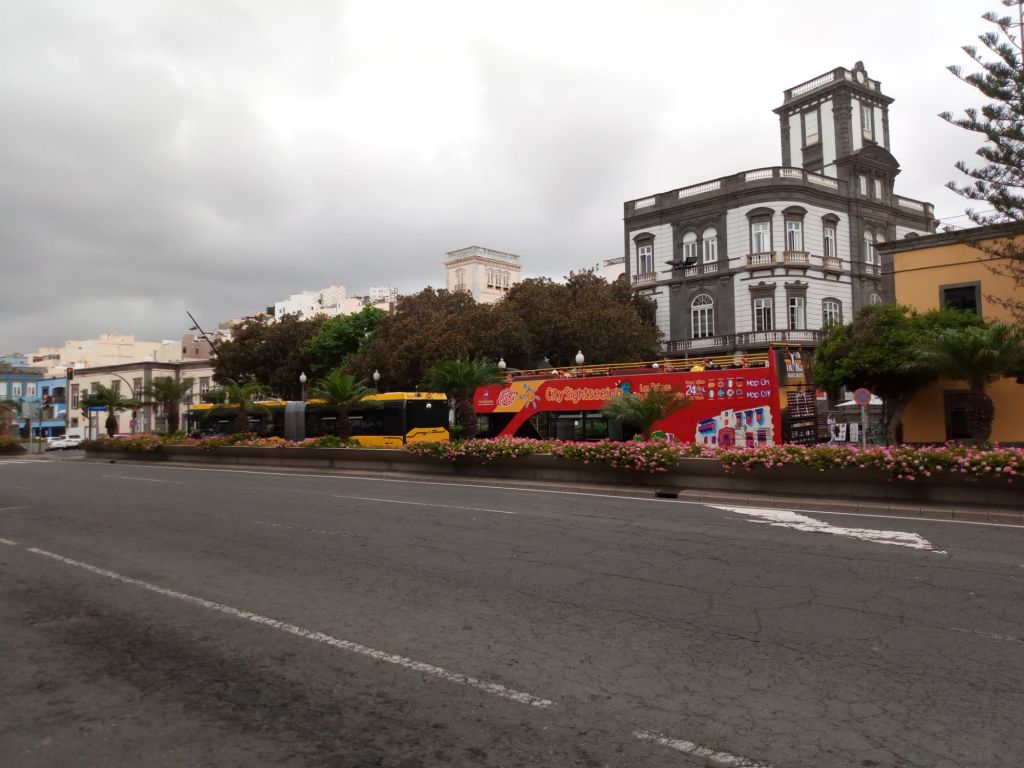
It’s true. I had a summer holiday in the Canaries, and while I was there I took some photos of buses. I uploaded them here because thats the sort of thing I do.
For some reason, I only have one image of a Bendy Bus, even though there were loads. What was I thinking?
It was a quarter past one in the morning and Derek was leading me down a long country lane toward a small town nestled in the valley bottom. The year was 2150, Derek had told me, and the first thing that you notice about 2150, on a cloudless night such as this, is that at 01:15 in the morning, its not completely dark. Its not bright, like at daytime, but its much lighter than a full moon. Enough to make out the details of the land, buildings, trees, pylons etc, but the sky was a deep dark blue, and the brightest of the stars shone through, along with everything else in that night sky that I’d never seen before.
‘See those bright lights up there?’ Derek said, pointing to about twenty or so over sized stars in the sky above. ‘Mirrors‘
‘Mirrors?‘ I said.
‘Mirrors, in space‘ he explained. ‘The sky is full of mirrors here. They channel sunlight, control the weather, and keep the nights warm and bright‘
‘Twenty four hours of sunlight‘ I said, ‘That’s got to be bad for the wildlife‘
‘Well its not good‘ he said, ‘but aren’t you going to ask where we’re going?’
I’d been asking Derek all week where our next adventure would take us and he’d been deliberately evasive every time so naturally I stopped asking. Our next what? Or oh, you’ll see, or who can tell, he’d say. I often thought that Derek would benefit from a punch in the gob, not that I could administer it though. I hadn’t hit out at anyone in over thirty years, and she went and told the teacher on me, besides, without Derek and his mysterious means, how else would I grice in the fourth dimension?
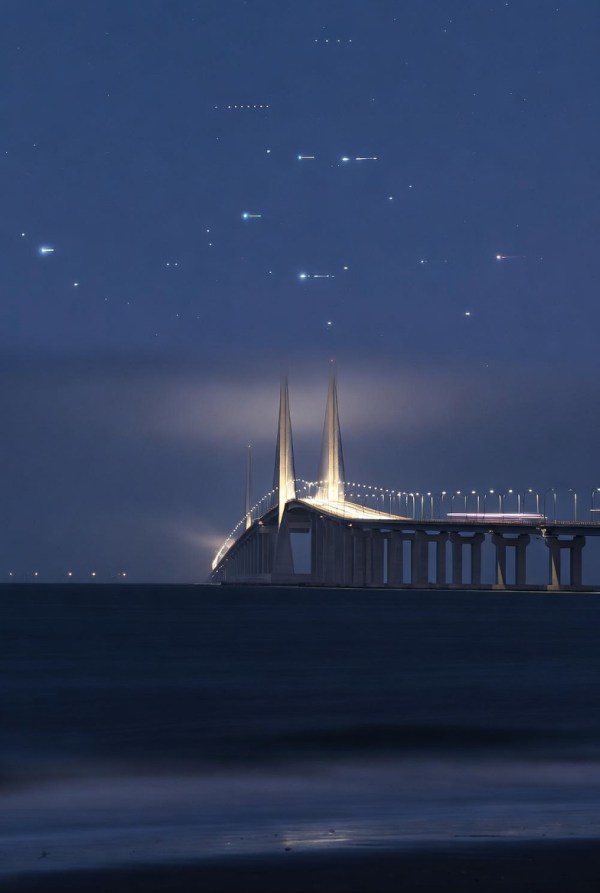
We continued our descent toward the town, following the winding narrow lane, skirting the edge of a large forest that had so far blocked much of our view. Now, as the road began to turn, we rounded the high tree line and could see where we were really headed. Beyond the small town that we were walking toward was a large body of water and an enormous structure spanning it, out to the horizon and disappearing in to the twilight haze and beyond the curvature of the earth.
‘Where are we Derek?‘
‘That,’ Said Derek, pointing to the town below, ‘is Portpatrick, and that…‘
‘Is a bridge to Ireland‘ I said, interrupting him, ‘They did it then, they actually built a bridge to Ireland?’
Derek chortled at me, but I was too busy taking in the view to bite. This was probably the largest structure that I had ever seen. The bridge deck was low toward the shore, but it rose steadily and became a series of cable stayed bridges crossing the open water. The bridge was lit by white street lamps and road traffic was clearly visible by the headlights and tail lights moving at speed. One hundred and thirty years in to future and our love of cars showed no sign of ending.
‘Its Twenty One Fifty‘ Derek said, ‘There are lots of bridges to Ireland…‘
‘And what about the track gauge?‘
‘Its Twenty One Fifty, track gauge isn’t a problem‘
‘Can we cross it?‘ I said, ‘On a train?‘
‘Of course‘ he said, ‘why else do you think we’d be here?’
‘Awesome!‘ I said, ‘But won’t I need a passport or something?’
‘Its Twenty One Fifty‘ Derek said, for the third time, ‘We don’t need passports.’
Another thing I noticed about this future sky was the number of things in it that weren’t stars. Drones, I assumed, and airliners, satellites. Maybe even star ships. A lot could have happened in a hundred and thirty years.
‘STOP RIGHT THERE!‘ An angry man’s voice with a Scottish accent called up the road from a blockade ahead of us. We’d been so busy looking at the bridge and the sky that we hadn’t noticed the heavily guarded check point up ahead of us. ‘STOP!‘
Then there was gun fire. Warning shots I imagine, they didn’t look like the type of shooters that would miss. It all looked very formal and sincere. Instinctively, we both ran to the edge of the road and threw ourselves over the low dry stone wall and in to the forest.
With our backs against the wall for cover, we felt the bullets hitting the other side of the wall, ricocheting in all directions, whizzing over our heads and snapping at leaves and branches mere inches away. Tree debris rained down on us.
‘They’re shooting at us Derek!‘ I had to shout over the sound of gun shot and the stones being gunned behind us. It was only a matter of time before the armed guard was upon us, wanting an explanation that we couldn’t possibly give.
‘Its Twenty One Fifty!‘ Derek said, ‘There’s a bit of a war on‘
‘A bit of a war? Did you not think about that before we got here?‘ I began picturing a white circle drawn around Derek’s mouth, with concentric red circles and a red dot in the middle, a target, right on the kisser.
Derek fumbled with his mysterious device, manipulating its unfathomable functions to zap us out of this time and place, all the while being extra certain that I didn’t get a good look at it. Even now, under machine gun fire and almost certain imminent death, he shielded his precious device from my prying eyes.
‘I forgot about the war‘ he said, ‘I can’t remember everything. I keep telling you, I don’t do politics‘
Then there was the flash of light. I was starting to get used to it, but I still felt scrambled. The sound of guns still rang loud in my ears, and my eyes were blinded by the sudden daylight; they would take a moment to adjust. The damp cold forest floor, and the hard stone of the wall had been replaced by something softer, warmer, but no less damp.
I heard laughter. Figures were beginning to resolve themselves in my vision. We were being pointed at, sneered at, jeered at. We were sat in manure.
Actually, that word, manure, accurate as it was, just doesn’t quite do it justice. We we stuck in a huge pile of steaming horse shit and the passersby were laughing at us. And now that my eyes were recovering, I could see that these folk were in period dress. Nineteenth century, I guessed.
‘Where are we Derek?‘ I said, ‘Not in some other bloody war I hope.’
The people around us had northern accents and were dressed in a mixture of styles both elegant and pauper. No one seemed to be carrying a gun though, and if anything, there was a buzz of excitement in the air.
‘Two minutes‘ Derek said, ‘I’m just resetting the chronometrics…’
‘Take your time‘ I told him, and I stood up to get a better look over the heads of the people walking by. I knew that I could work it out from the scenery, in particular, the big sign by the road. ‘We’ve hit the big one Derek!’ I shrieked excitedly. The rush of being shot and the euphoria of then not being shot at, got the best of me, for the briefest of moments.
The large crowd of people were hurriedly making their way down the cinder path toward a wooden frame fence decorated with bunting. To the left of the opening was a large sign, and in big red letters, the word ‘Parkside Station, Grand Opening.’
If I knew my history, and until I started travelling with Derek, I really thought that I did, then today was the 15th September 1830, and beyond that fence, crowds were gathering to see the world’s first passenger trains. All children are taught about the Rocket, the little yellow wooden steam engine that became the worlds first passenger loco, and I’ve seen it at the museum in York, I’ve even traveled behind a replica of it. But this is the actual real deal, if I knew my history.
‘Its the Opening Derek, the opening of the Liverpool and Manchester Railway! How exciting is that?‘
‘Not very exciting at all if I’m perfectly honest with you‘ he said, carefully putting his mysterious device in to his satchel.
‘What?!‘ I couldn’t believe what I was hearing. For a trainspotter like Derek, this should be like a Christian sneaking in to that stable in Bethlehem or something.
‘Well, they’re not proper trains are they? ‘ He said. ‘Not very sophisticated, just wood and pipes, and bits that break. They don’t even have whistles, or numbers, you do know its all about the numbers‘.
I had such great plans for the Curry Diary, and the follow up to the Kala Bhuna needed to be something special, something new. The idea was that we’d get the train and ride a few stops up the coast but I didn’t get round to booking a table. Best laid plans and all that.
The best alternative to seeing if they had a table anyway was to do something at home instead, but a combination of shredding my hand with a DIY plumbing job, and shredding my hand again assembling rust proof steel frame flat pack free standing shelves for the cellar, I needed something simple. I opted for a jar of balti.
Anecdotally
Balti was my first curry. Well, chinese mushroom curry and chips was my first curry but chinese curry and Indian curry are two different beasts.
That first curry was a Chicken Balti ready meal type affair in the early nineties. Call it 1993/4. The college years. After an hour on the bus I’d arrive home at about half six and see what was in the freezer, at least once a week there was a frozen balti ready meal and miniature naan bread to go with it.
This Balti was unique among baltis. It cooked for about forty minutes in the oven. And it was a deeper richer, perhaps even burnt flavour than I ever seen sunce. I’ve spent decades trying to find a balti even remotely similar but without luck.
Something like this as I recall.
The Meal
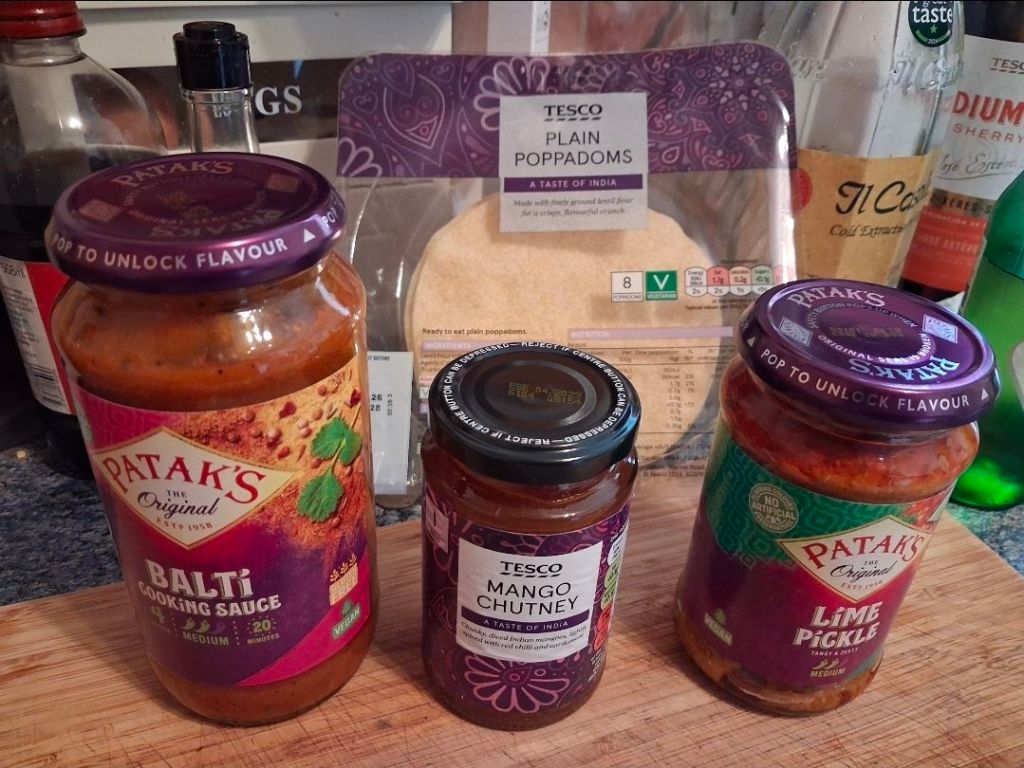
From the shop of Tesco it came. I really wanted something good. A nice slap up family meal at a trusted Indian restaurant. What we got was alright. From a jar.
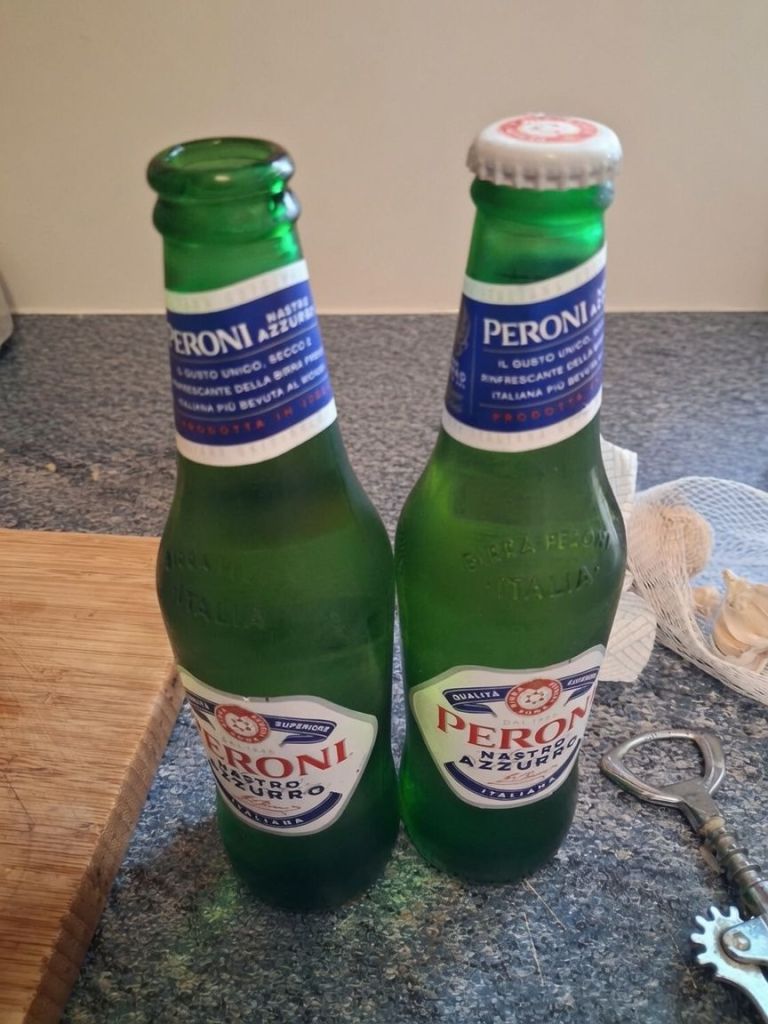
Peroni, the lager of choice right now.JarsStarters
Peroni has somehow become the curren lager of choice, but I wouldn’t usually have it with a curry. King Fisher is for a curry, surely.
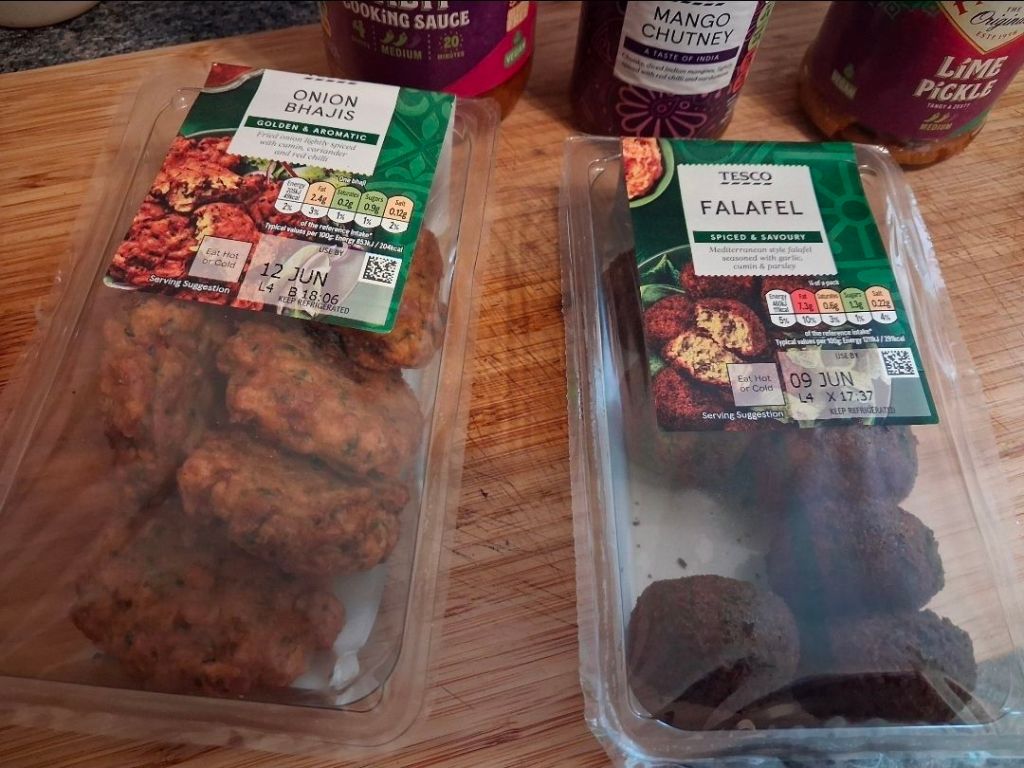
If we had been at the restaurant, we would have a pickle tray, the only dip available from our little Tesco was Lime Pickle, but I also got some Barjis and Falafals. I learned how to make Onion Barjis several years ago, and they were always better than store bought. What was I thinking.
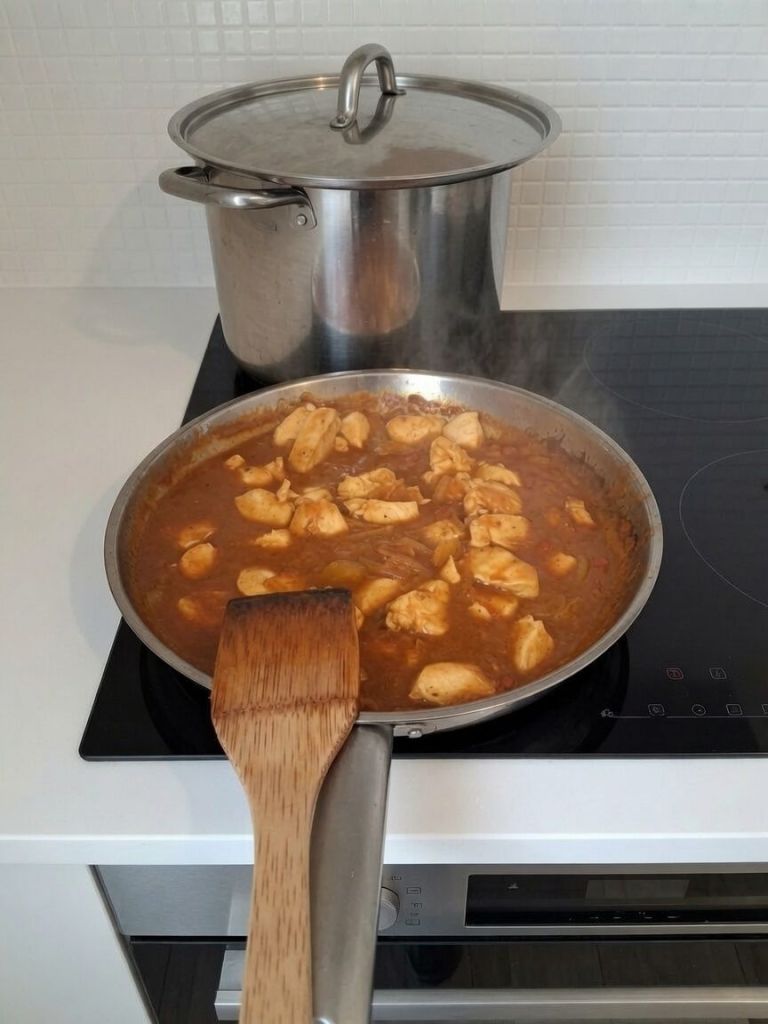
For the Curry, I fried up some onion, fried up some chicken, and then added the sauce from the jar. Incredibly easy. Deeply unsatisfying. What was I thinking.
Unnaturally clean stove top…
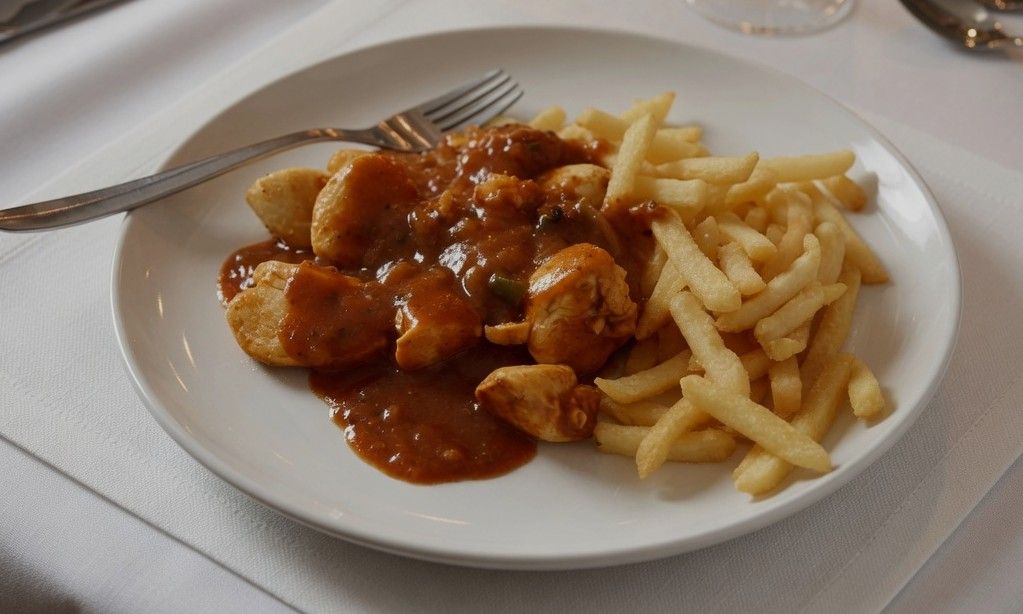
For the side, I did McCains Fries. They’re cooked in seed oils, frozen, and take about an hour to cook in the oven. They pass for a chip, but they’re no Maris Piper, parboiled and deep fried in tallow. What was I thinking?
It is what it is.
Antithesis
What was meant to be a family curry night, with a short but scenic train ride, a few beers, a good selection of sides and note taking worthy culinary experience became me in the kitchen, cooking alone sipping beers, pouring out the content of a jar over meat. Frozen chips. The laughter and anecdotes and ‘how was your week?s’ that i had looked forward to, turned, replaced with the sound of ‘thanks dad’ and the stomping of feet on stairs and the slamming of doors, as everyone retreated with food to their own spaces.
Oh the humanity.
Lately, it seems like the universe is trying to tell me that one cannot cut corners in life, and what more proof do we need than curry from a jar.
Lesson learned.
Waste Not Though
I have learned my lesson indeed, but I still have a bunch of corner cutting futilities to chomp through. Lets not be over committing ourselves…
Maybe its an age thing, maybe I just never paid that much attention. But I was lazily scrolling through some old photographs this afternoon when I was joined by the youngest son.
Recognising some old memories he sat with me for a while and we talked about the old days. It was when we reached photos from about 2015, from a trip to a park we used to visit, my scrolling was stopped.
“They changed the bridge!” He said.
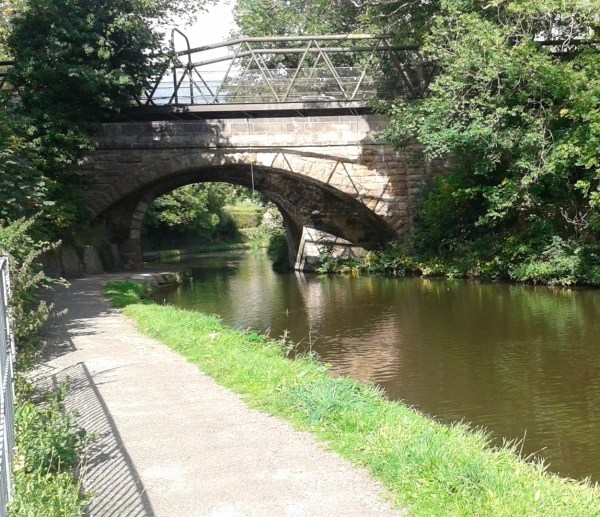
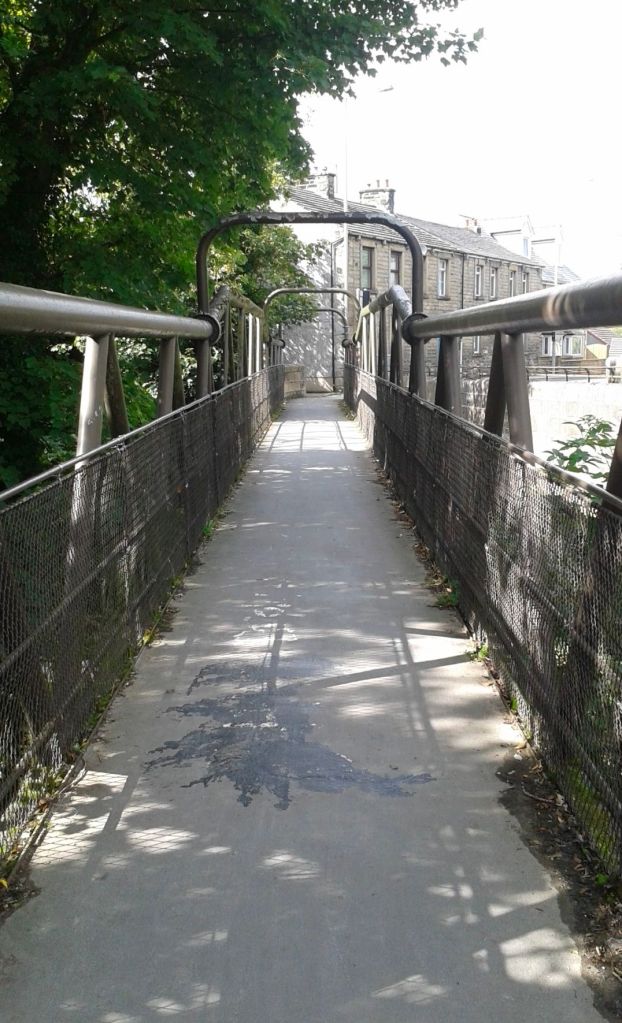
By the park theres a canal, and the canal is crossed by an old steel tube Bridge. I based a short story on it The Follow Me Bridge. I was very familiar with it so we argued back and forth.
“It looks nothing like that!” He said.
So we went looking through my old photos for a more recent image of the bridge. And I’ll be darned.
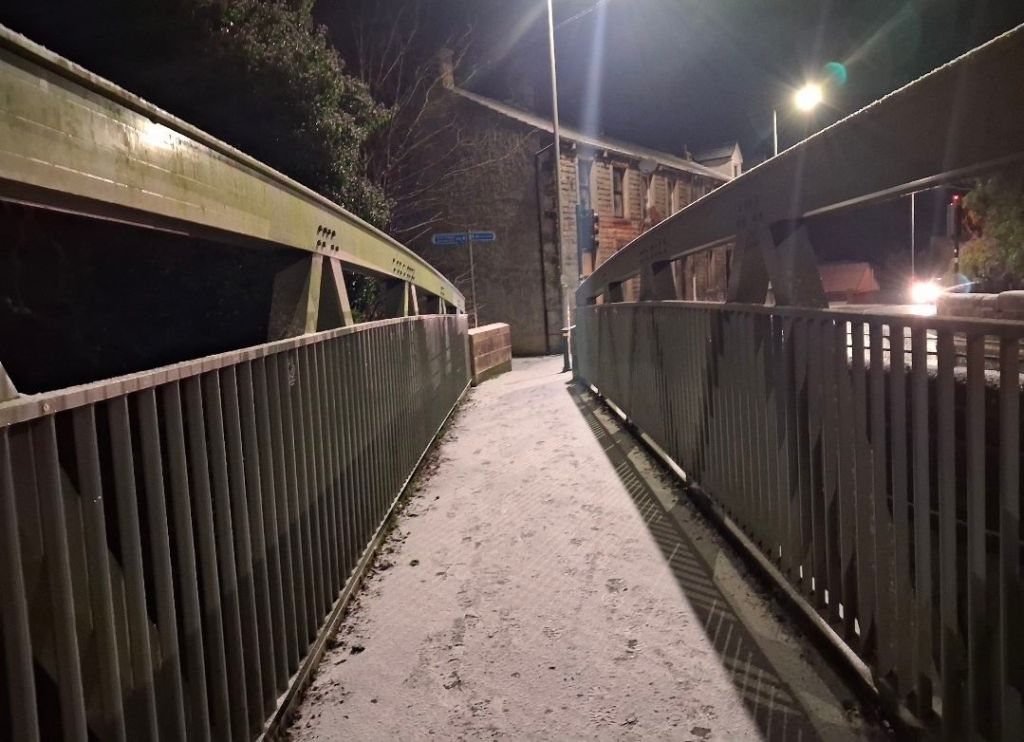
Then NowSame bridge but not.
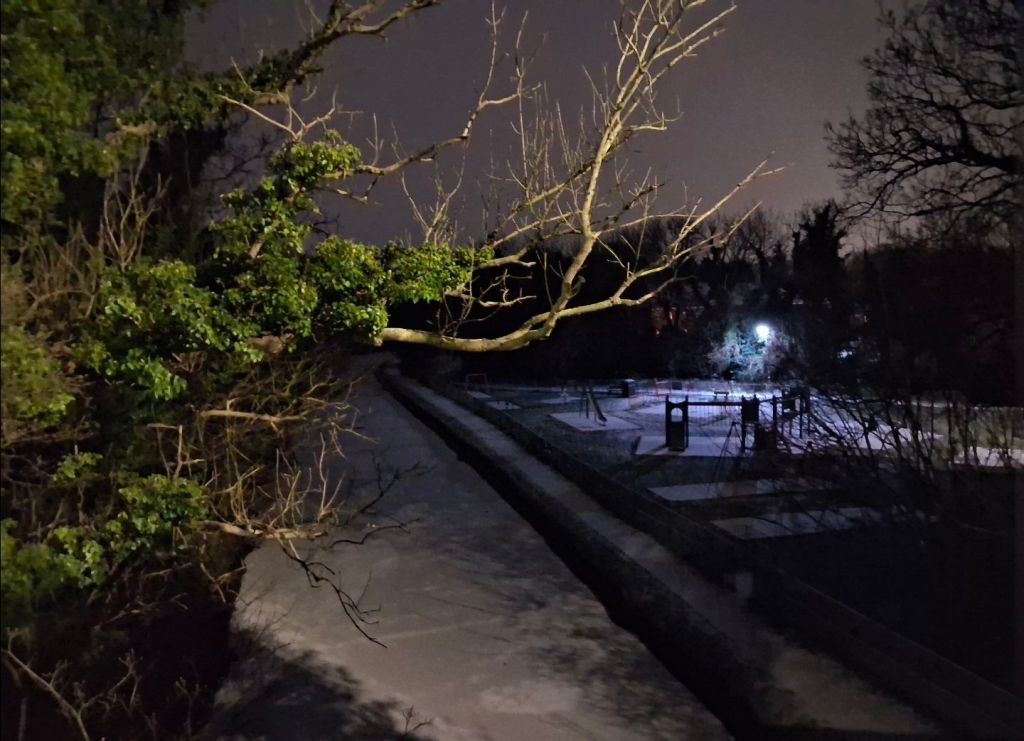
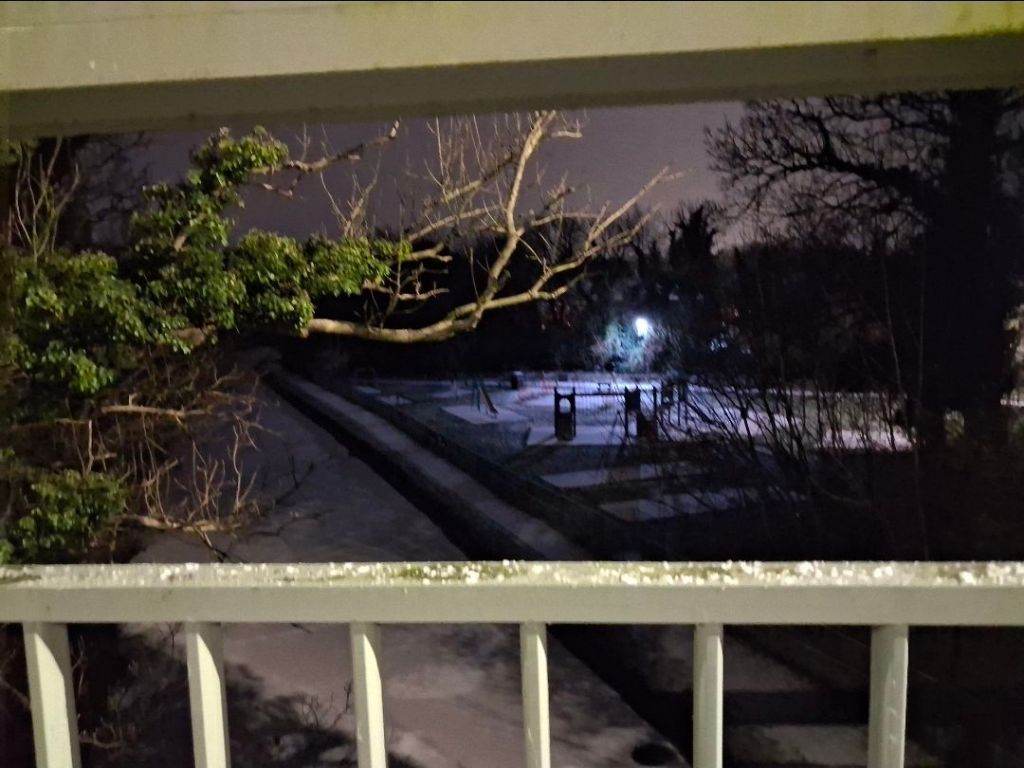
I have some snowy images of the bridge from this Christmas taken on the way back from an evening of drinks and nibbles at the vicarage. About ten years separate these images.
I have no idea when the new bridge went in, I simply didn’t notice. Probably too busy thinking up spooky stories to pay attention to the real world.
But can you blame me, living somewhere as spooky cool as this?
There used to be a feature on the Inflight Entertainment where you could watch your progress across the ocean on the little screen embedded into the back of the seat in front. Even though progress across the Atlantic was slow, watching the little plane increment its way across the little map was usually better than the Inflight movie.
I haven’t been on a plane with Inflight Entertainment systems like this for a long time, and I don’t suppose they are necessary anymore, now that everyone carries their own devices. That must be a lot of unnecessary weight they’ve been able to remove.
The problem with carrying your own device though means that flight mode must be active, and that means no Inflight tracking. Until now.
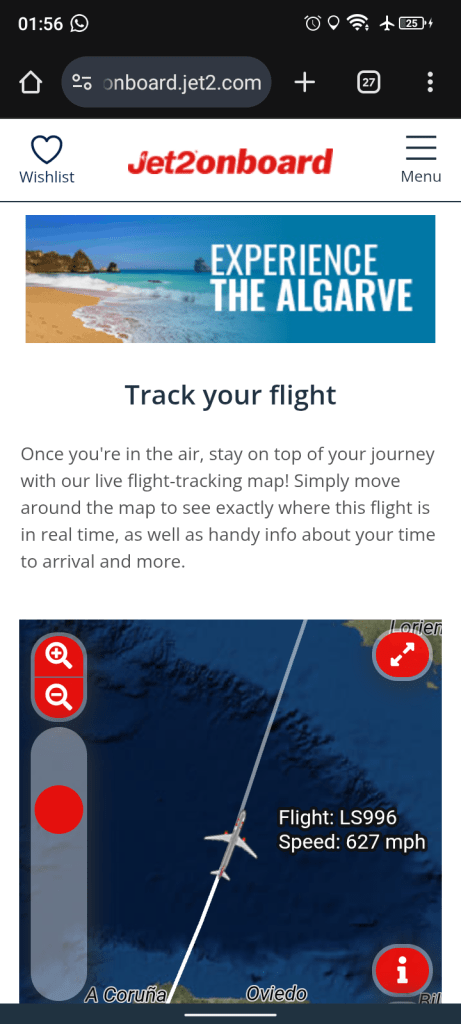
On my last flight they were trialling a new customer app that allows you to order food and drink, duty free etc from your seat. I’m not really interested in that sort of thing, but what did grab my attention was the flight progress monitor.
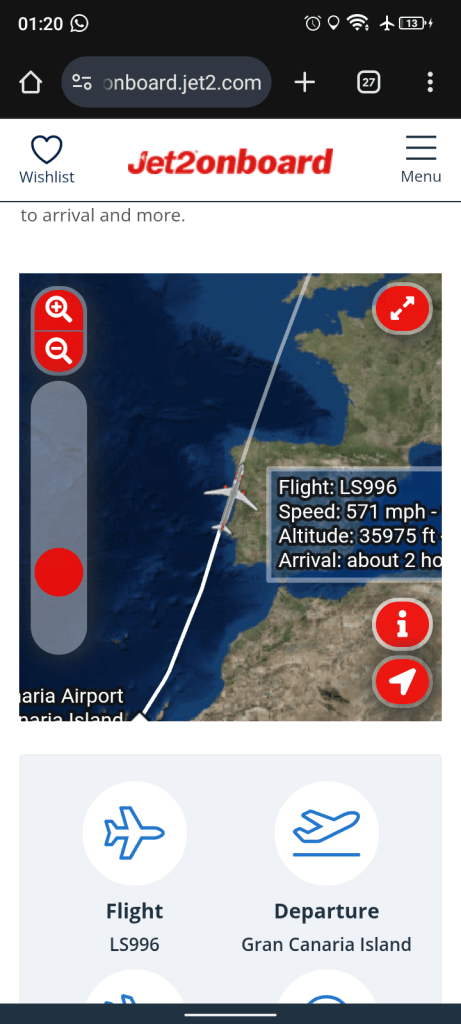
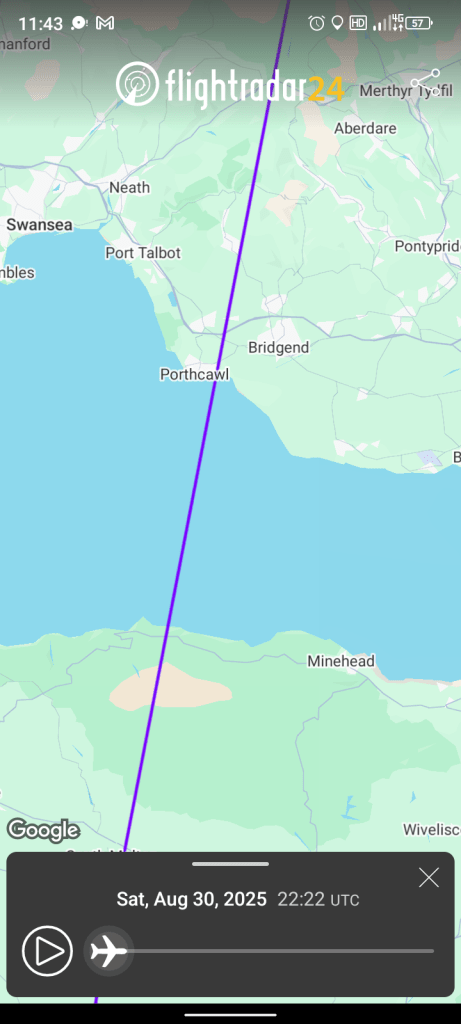
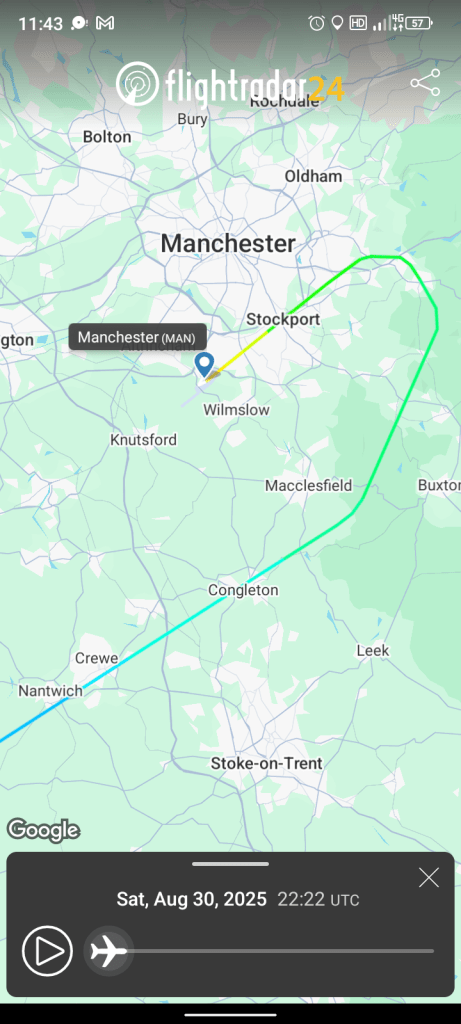
With Flight Mode on, you can now connect your phone to the local loop network on the plane, and then open up a map that shows your progress. It shows you where you are, your direction, altitude and even speed.
On this particular flight we topped out at 650 miles per hour, at 36000 feet. This is somewhat faster than regular flights but we were very late.
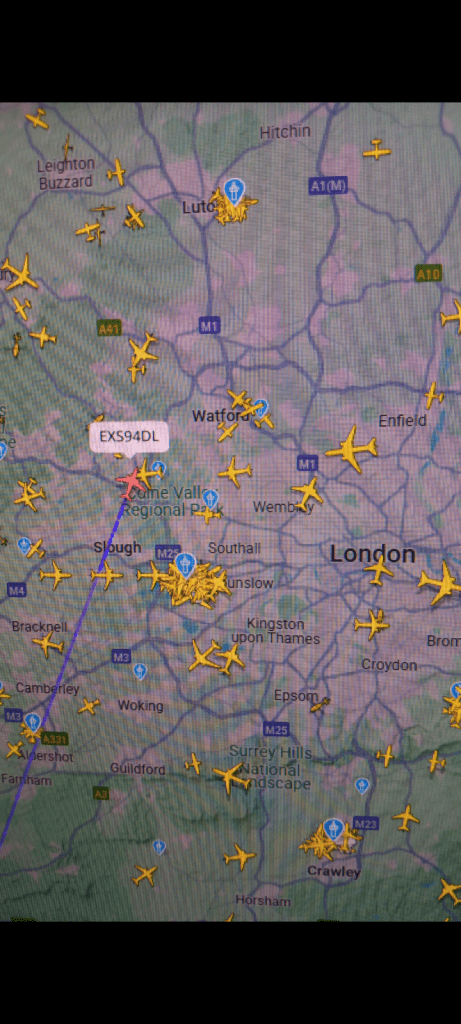
It’s interesting to compare this with the Flight Radar app. Flight Radar is an app that tracks your flight in real time and logs it for replaying later.
Comparison Shots
This is really cool. I use Flight Radar all the time. Usually when something loud flies overhead and I want to know it was. Indeed, the highlight of a holiday in Puerto del Carmen was sitting on the balcony, looking out to sea, and watching the planes circle and land at the very nearby Aracife airport, looking up where they came from on the app. Not that I make a habit of such things.
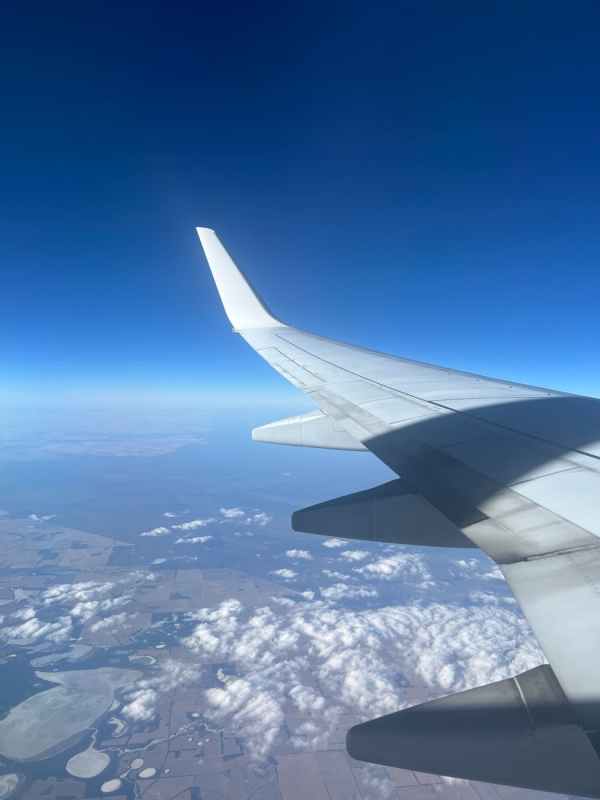
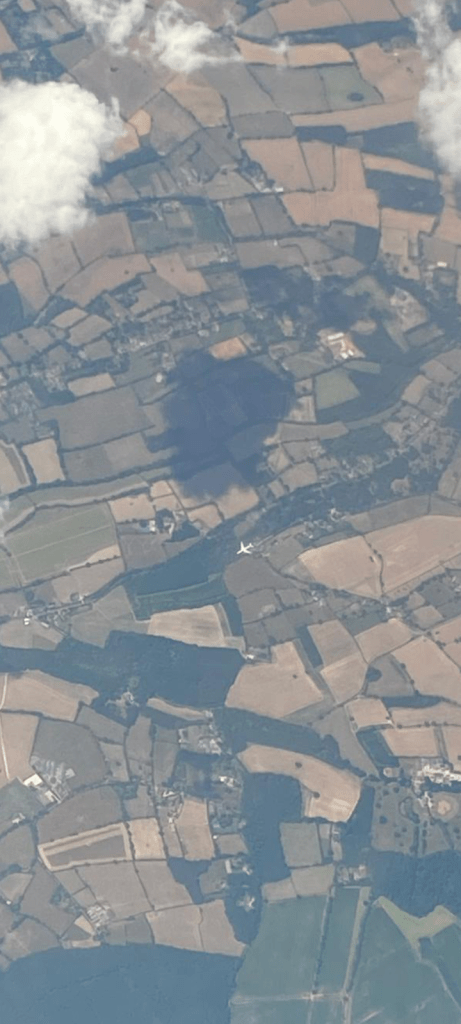
On the way back from a school trip earlier this year, my son was snapping shots from the plane at the same time as I was taking screenshots of the flight app. When he got home we compared notes. These are two photos taken within a minute of each other, and I could identify the plane in the photo on the right. Modern technology might be evil, but that doesn’t mean it can’t be cool.
I’ve been a regular on the 16:30 from Euston for over four years. Not every day, no, just when I’m needed down south, usually just for a couple of days every other week or so. Sometimes I get the half five or the half six, even the half seven if I can be persuaded to stay for another pint or so, but the half seven is a risk; there is no half eight to fall back on, and its been known to get cancelled.
So this was a fairly typical journey, different only in that I had my son with me, and it was a Monday.
The school had an inset day. We used to call them teacher training days, but it meant that the school was closed to pupils, and rather than allow the children to enjoy a bit of spare time to themselves, they instead devised a way to ruin that.
Take Your Child to Work Day, they called it. There was a form to fill in, some proviso for insurances, safeguarding, health and safety etc, and the children were given a workbook to complete along the way. An excellent learning experiment, and the perfect opportunity to take the youngest to my Favourite curry house. We do both enjoy a good curry.
So the day arrived and it gave me the opportunity to teach the lesson of the overnight business trip. Pack spare pants, washbag, laptop, a charger and power bank for every possible eventuality. Then was the lesson of the Greggs, for in the vicinity of any good train station, there is a Greggs, and for the three hours it takes to get to London, you need a Greggs.
The trip proceded without hicup, and we did the lesson of finding a seat on the train. We did the lesson of sitting still and chatting quietly. We did the lesson of checking in at the hotel and hanging up our clothes for the next day. We did the lesson of the Curry House and the enjoying of the food.
We did the lesson of watching traffic and listening to sirens all night from our hotel room next to the Emergency Department. Need to remember that when I’m booking the next one. Note to self: avoid hotels next to hospitals.
We did the lesson of the getting up in the morning and making instant coffee with the tiny kettle. The lesson of checking the room for forgotten chargers and toothbrushes for the forty seventh time. And the lesson of facing and then filtering through the hoards of commuters swarming from the secret hatches of The London Underground.
We did the lesson of finding a desk at the office. Except for a stretch of desk permanence in the second half the Twenty Tens, I’ve been hot desking since 2000. Its the norm. After that we did the lesson of the casual chatter in the staff kitchen while making a brew. The lesson of the checking the schedule for the day ahead, checking for urgent messages, and then compiling the priorities for the day.
Then it got boring for the little one as I, as he put it, was just writing emails, and he asked if he could watch YouTube with his headphones instead. I said yes.
I wasn’t just writing emails, I was writing Teams messages too, updating Jira, SharePoint. I was preparing code for deployment. None of which is particularly interesting to a thirteen year old, and I wasn’t going to force him to watch every mouse click and key stroke just for the sake of it.
The day passed quickly, as the busy ones do. We had a pub lunch and numerous stops through the day to discuss progress and fill out his booklet for school. Before we knew it, it was home time, and time to rush for the scrum that is the 16:30 from Euston. Today was different.
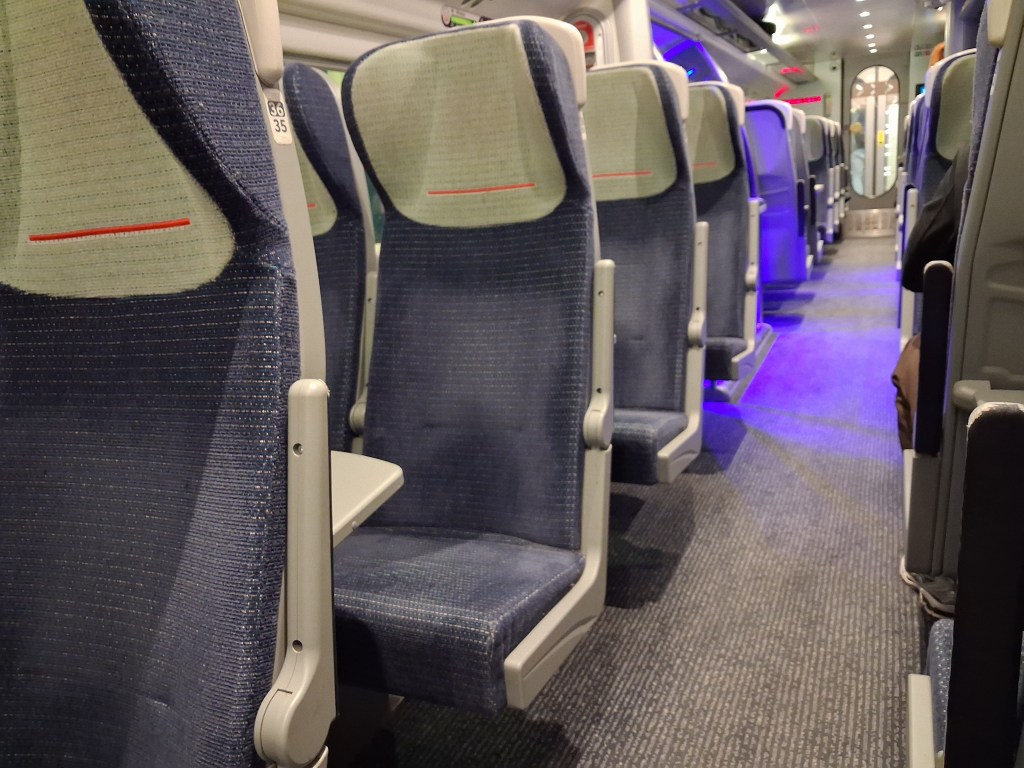
Euston station is rarely quiet, and never at the times that I have to use it, but today it seemed a little subdued. We arrived in good time, and using my special app that tells me which platform our train will depart from, we stood at the gate and waited patiently to be allowed on to the platform and board our train. We were joined by a handful of others and when the gate opened our tickets were checked, and we made a civilised run for a seat in Carriage G. There is usually a stampede at this time as seats are limited and if you’re not fast enough you can find yourself standing all the way to Warrington. That didn’t happen on this occassion, and I counted no more than three other passengers in our carriage. Clearly, Mondays are the day to travel north.
We left Euston on time and were soon up to speed, whizzing through the suburbs of North West London, and out in the countryside at full pelt.
After about half an hour, we came to a screeching juddering halt, the sort of stop that sends your belongings sliding off of the table. We were out in the middle of nowhere, stopped at a red signal. Red signals happen quite a lot, but they’re not usually that abrupt. Outside to the right, trains were still running normally on the other three lines. I don’t know what it is about sitting on the express train watching the slower commuter services pass us, but I find that particularly annoying.
After ten minutes, the train manager announced that we were stopped at a red signal, which we’d already guessed, and would proceed as soon as we were cleared to do so. Another six minutes passed, and the train manager chimed in with more information. We were being held just outside of Milton Keynes station whilst a Welfare Check was completed on one the platforms.
A welfare check, not to be confused with a Welfare Cheque, is when the authorities or emergency services intervene on behalf of an individual that they believe to be in danger. In this case, a person standing at the platform edge where we were about to pass through at one hundred and twenty five miles per hour.
We were never told the outcome of this welfare check other than they were no longer in danger, and that we were ok to resume our journey.
As our train picked up speed and very soon was whizzing through Milton Keynes Central, I wasn’t concerned about the delay. I was just grateful that whatever might have been about to happen, didn’t because at the very last second, the signal flipped to Red.
There is something about Indian Cuisine that keeps me going back for more, and there is so much choice that its impossible to keep track of them all. And then I thought about it some more and realised that it wasn’t impossible to keep track of them at all. I just needed to keep a log of my curry journey. Some sort of Curry Journal, a Curry Diary even. Ta da.
So here we are. Entry one. And as curries go, this one is a cracker.
We Begin With The Anecdote
This is possibly the greatest experience of Indian Cuisine that I have ever tasted. I first encountered Kala Bhuna, what, two years ago now and it took a while to sink in.
It was an after work thing, you know what its like. Someone says “fancy a pint” and before you know it you’re finishing your third pint and its now your round. Then some one says “Is anyone else hungry?” And as if by magic, you’re sat looking a menu.
I don’t know London that well, but those in the know know about Drummond Street, and though it no longer is what once it was, it still remains a treasure trove of Indian and Indian style eateries, and so that is where we went. And at random, from all of the options, we chose the Drummond Villa, and an excellent choice it was too.
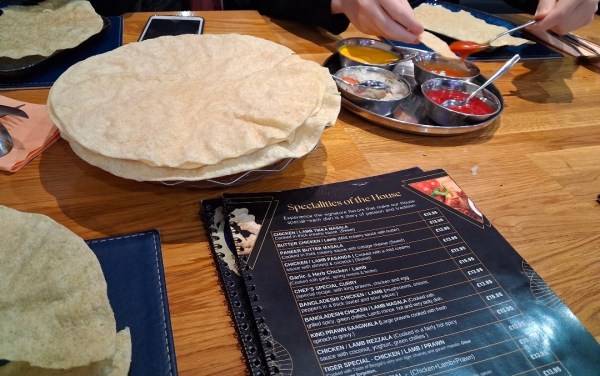
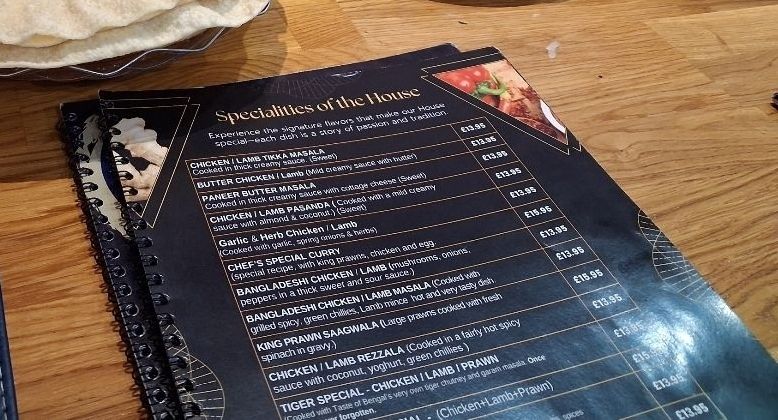
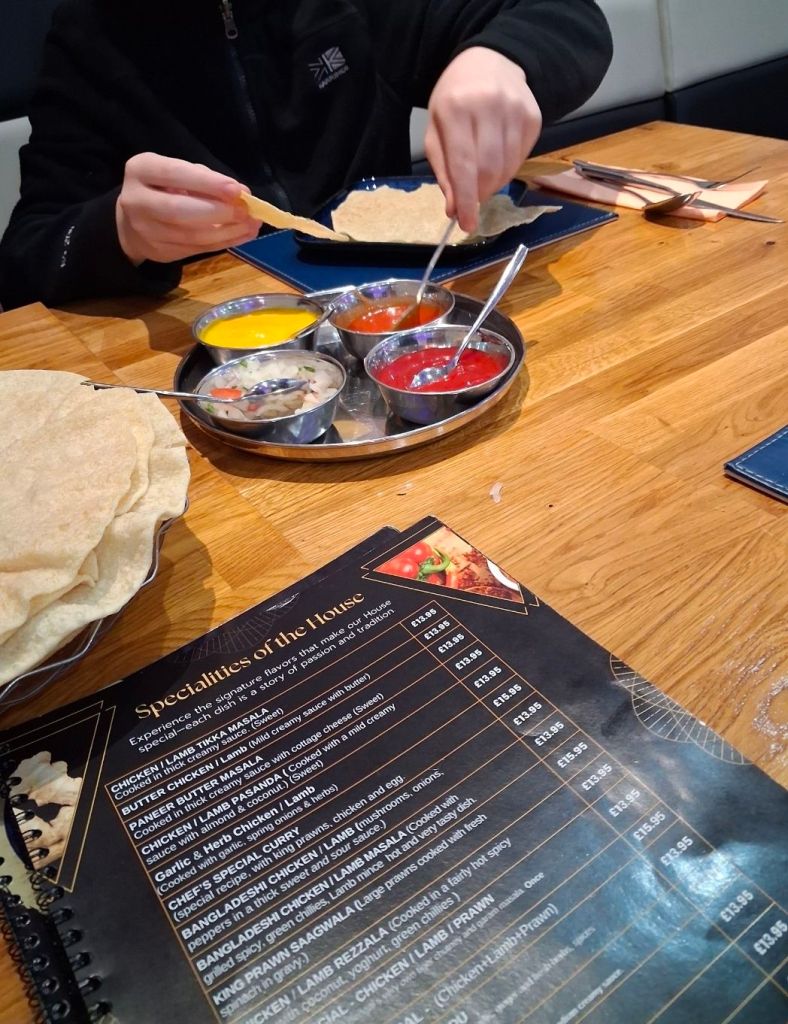
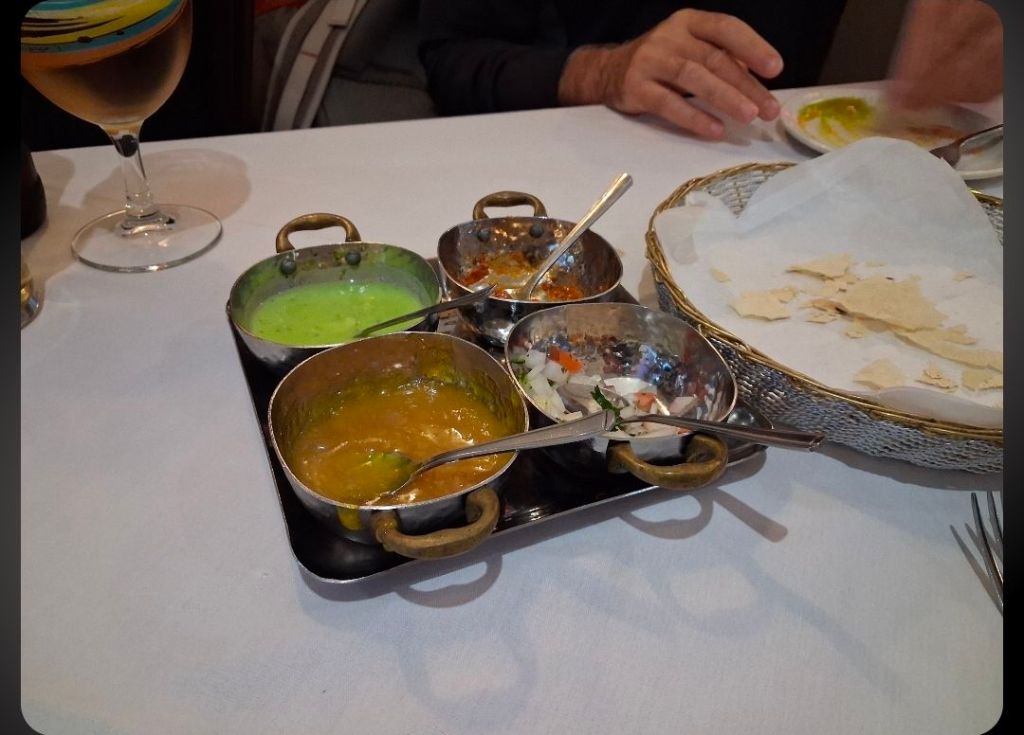
Mandatory Pickle Tray
There were a few of us, so the pickle tray was mandatory for starters, and for my main, I have no idea what I ordered, this being before I thought to journal my curries, but it was almost certainly lamb something.
Who had what? Dunno, I didn’t keep a record.
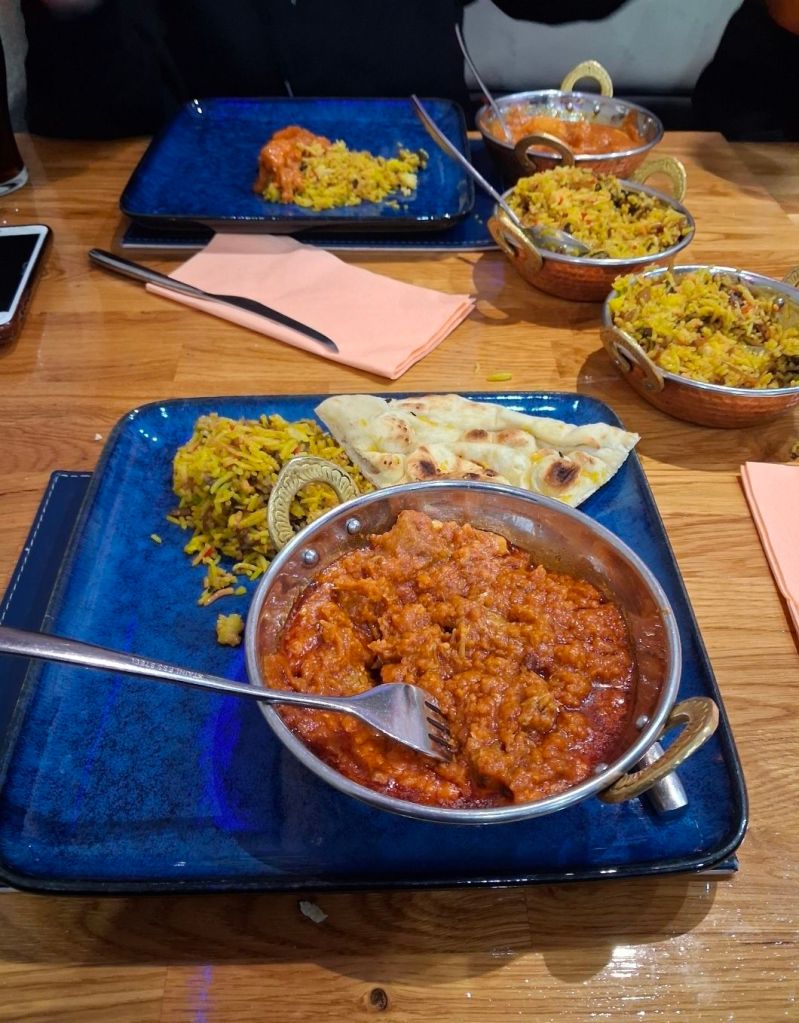
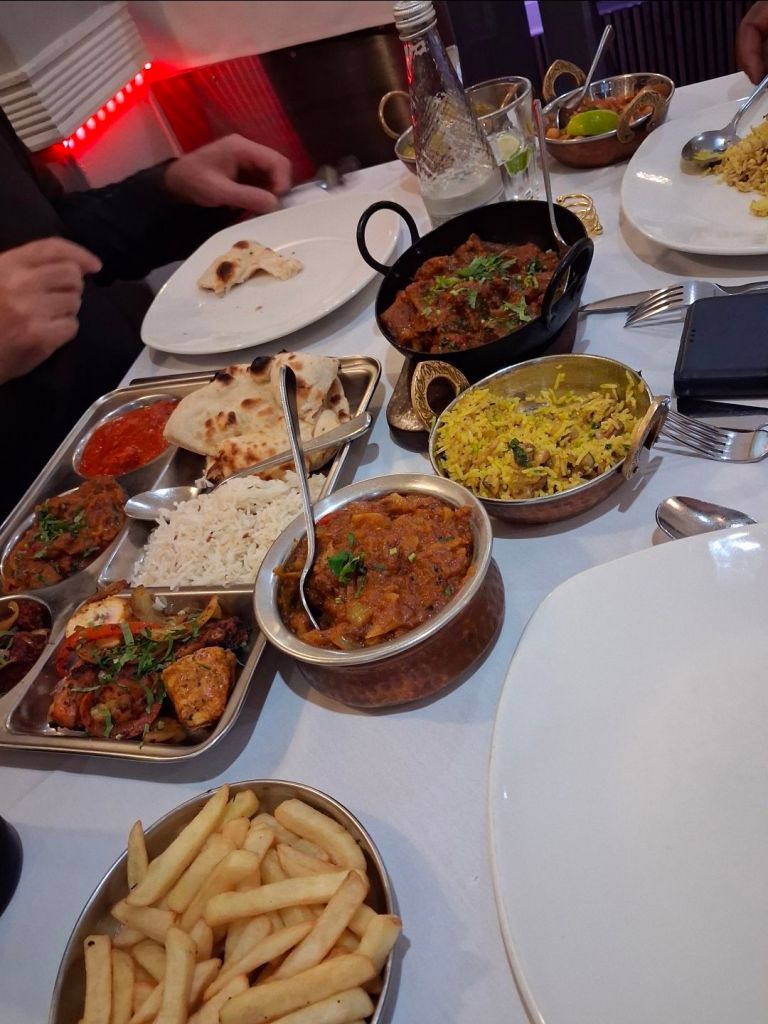
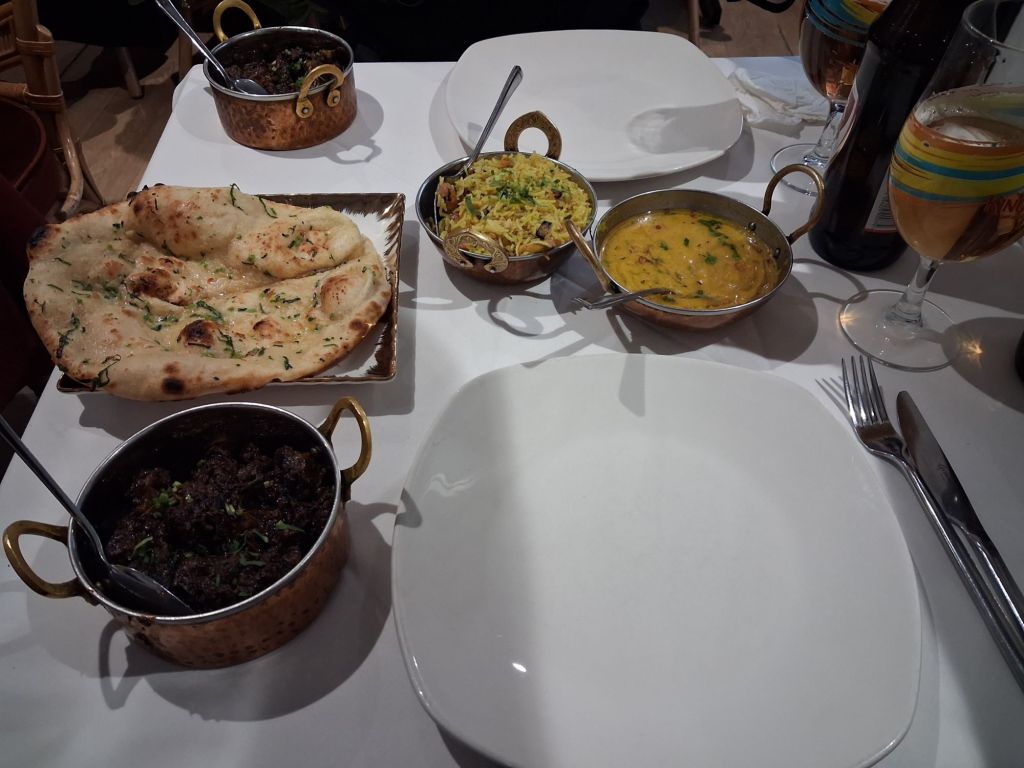
Whatever it was that I had, I no doubt had it with chips and mushroom rice. Looking back on the old photos, the one above probably wasn’t the night that introduced me to the Kala Bhuna, but I’m intrigued by what was served in the metal tray. There is rice, and naan, and portions of four other dishes. It looks amazing.
But thats not why we’re here. We’re here because on one such lovely evening the waiter recommended the Kala Bhuna, and one of us said yes. It wasn’t me, but I realised my mistake when the food arrived.
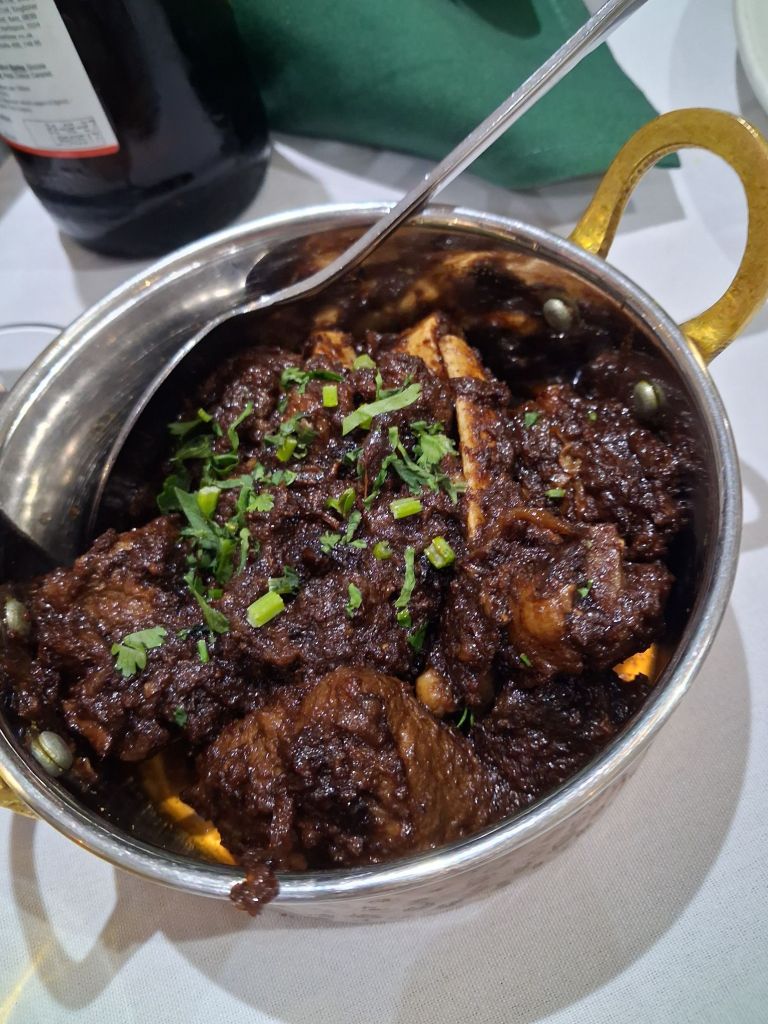
The Kala Bhuna is a dark curry, almost black, indeed, Kala Bhuna means black roast, and I was intrigued. I did have the opportunity to dip a chip in what was left of the sauce and was immediately impressed. I made a mental note of the name with the firm conviction that I would have this the next we came. I didn’t.
You know what its like when someone suggests a pint after work, and then a curry after pints, and then some more beers after the curry. With the best will in the world, you’re not going to remember two words like Kala Bhuna, or Saveloy Sausage. Saveloy Sausage is a story for another time, though.
And so days became weeks, weeks became months, months became years. Every Indian restaurant I visited, and there were a few, I scanned the menu looking for something vaguely similar to what I recalled of the Kala Bhuna, but I had no luck. Until, that is, about a month ago when I finally spotted it on the menu, and ordered it.
It arrived with a smile, the chiefs favourite dish. Blackened and spicy. But not hot spicy, its a contradiction in a dish, there is almost no heat to begin with, but the intensity of flavour, the heat grows toward the end. By the time you’re licking the bowls and plates clean, it really does have quite the kick to it.
It is now my curry of choice, though I’ve only been in to London twice since discovering it, but it is now also my London Curry Bud’s curry of choice.
We Say Something About The Curry
A bit of quick research tells me that Kala Bhuna is a traditional Bangladeshi meat curry originating from Chittagong. Kala means black in Bengali, and the name comes from the dish’s signature dark blackish-brown color, achieved by slow-cooking the meat with lots of onions and spices until it caramelizes deeply.
Bhuna is a South Asian cooking style where ingredients are fried and reduced until the spices are richly flavored and the sauce thickens. It is usually made with beef or mutton, though I have only had lamb, and is cooked with mustard oil, fried onions, ginger-garlic paste, and a blend of spices like chili, turmeric, cumin, coriander, and whole aromatics. It is slow cooked after frying, making the meat very tender and infused it with a rich smoky flavor.
I rate this 10/10. Bonza!
Enjoying Kala Bhuna
I don’t live in London. I only go there for curry, and work sometimes, so I did some more research on where to find a good restaurant that serves Kala Bhuna near where I live in Lancaster. There aren’t any. Infact, when I searched London menus for Kala Bhuna, only two came up, and the first one was Drummond Villa.
Its seems that if I’m going to be enjoying Kala Bhuna at home, I’m going to have to learn to cook it. Its a good job that I love cooking almost as much as I love eating.