Zoo Cafe & Half Moon Bay

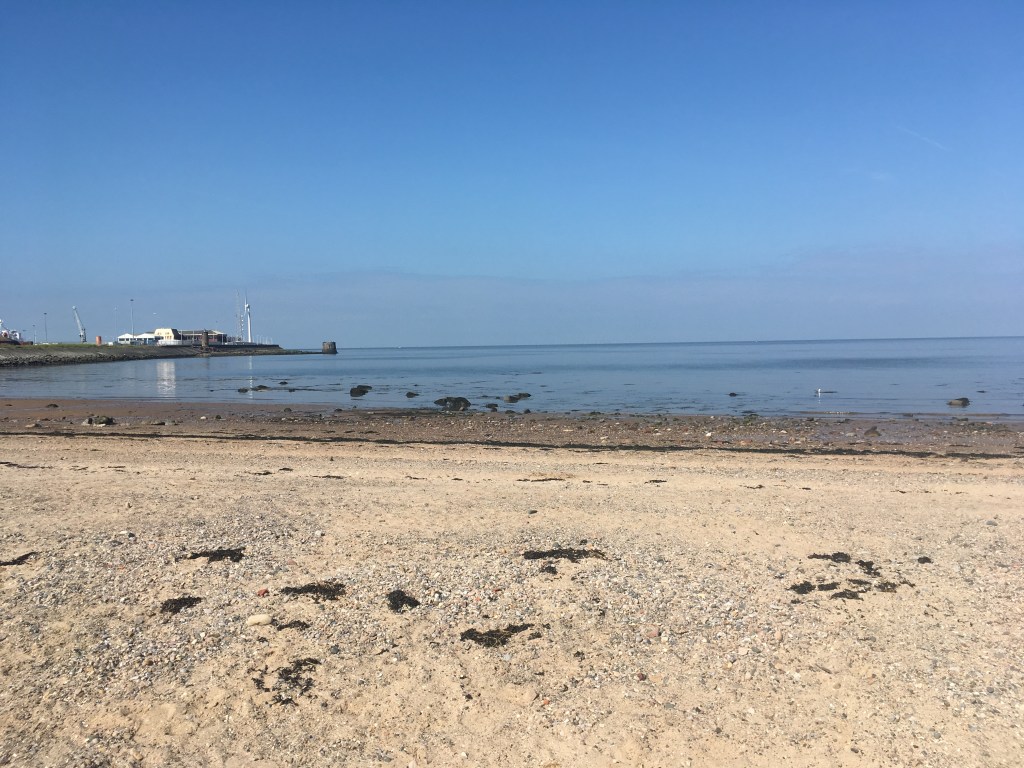
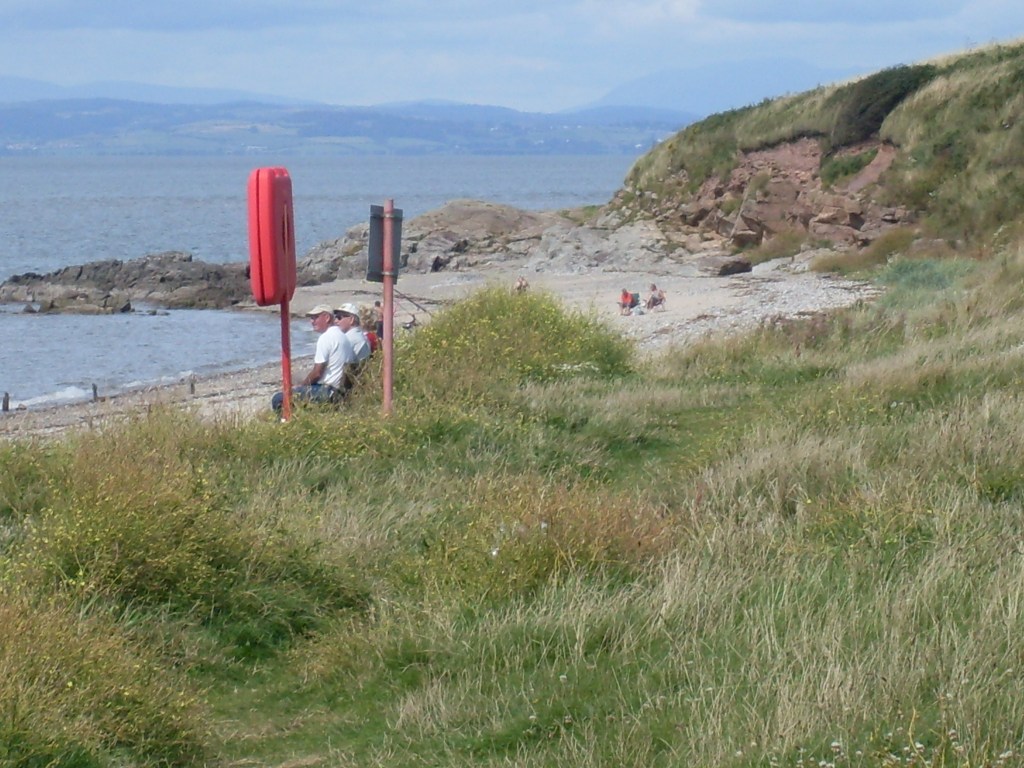
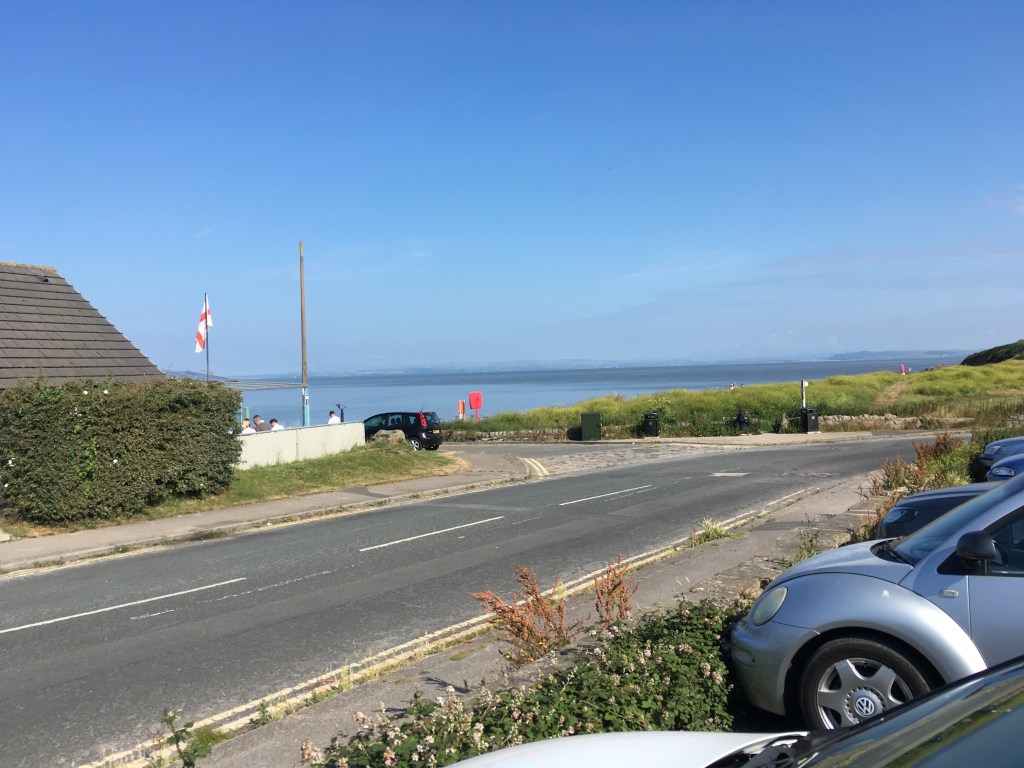
It was great to see one of our local cafes included in the Guardian’s list of best seaside cafes last week. Half Moon Bay Cafe, located on the shore by Morecambe Bay in Heysham is a genuine treat in a local beauty spot. I have many fond memories of enjoying a hot bacon butty and a coffee, taking in the sea air and the views of Morecambe Bay and the Lake District hills beyond, while the driving rain lashed against the sides of the cafe.
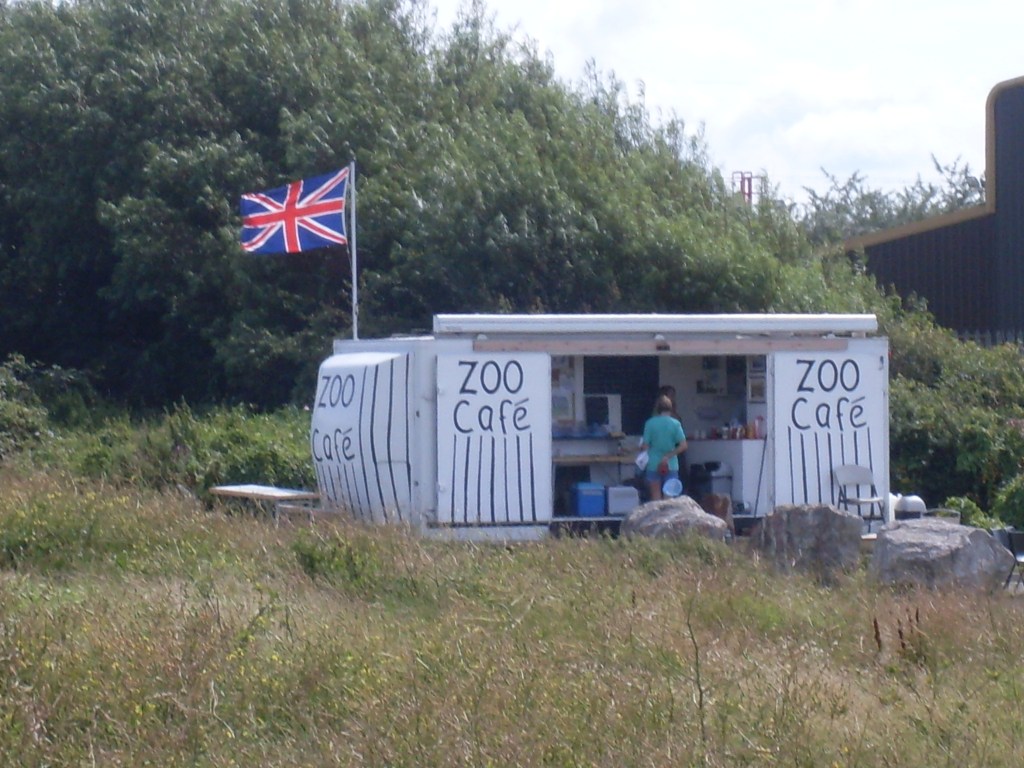
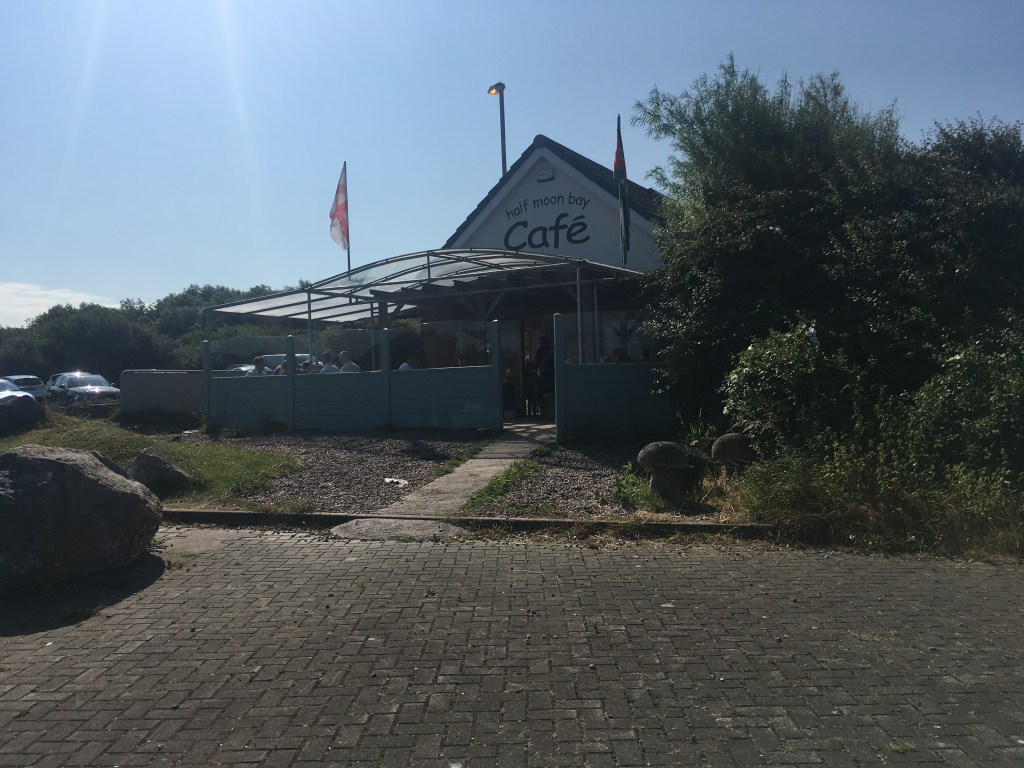
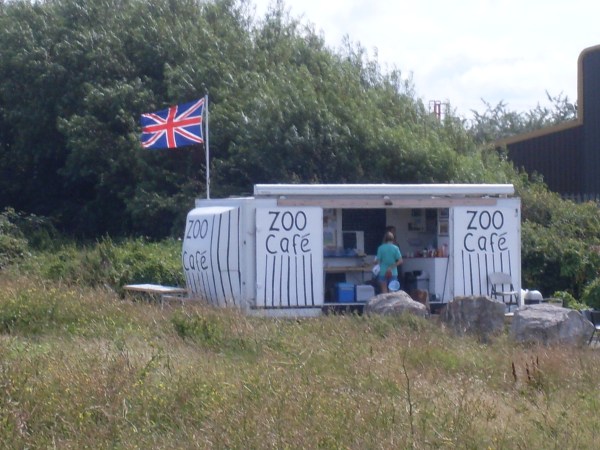
The cafe now occupies a permanent structure on the site of the original Half Moon Bay Cafe which closed in the seventies, but it started out in a small trailer called the Zoo Cafe in 2008.

Back then, the wife and I would take a weekend stroll along the grassy pathways that crisscross the area from Heysham Head and drop down on to the beach, occasionally buying a couple of coffees if we had enough time or loose change, but the habitual stroll soon became the weekly compulsory fried breakfast at the beach, and the strolling petered out.

Half Moon Bay

Half Moon Bay is beautiful, and we’re very lucky to have places like this on our door step, free to use by the whole community, and there’s something for everyone.

Dogs bring their humans here for their daily exercise.
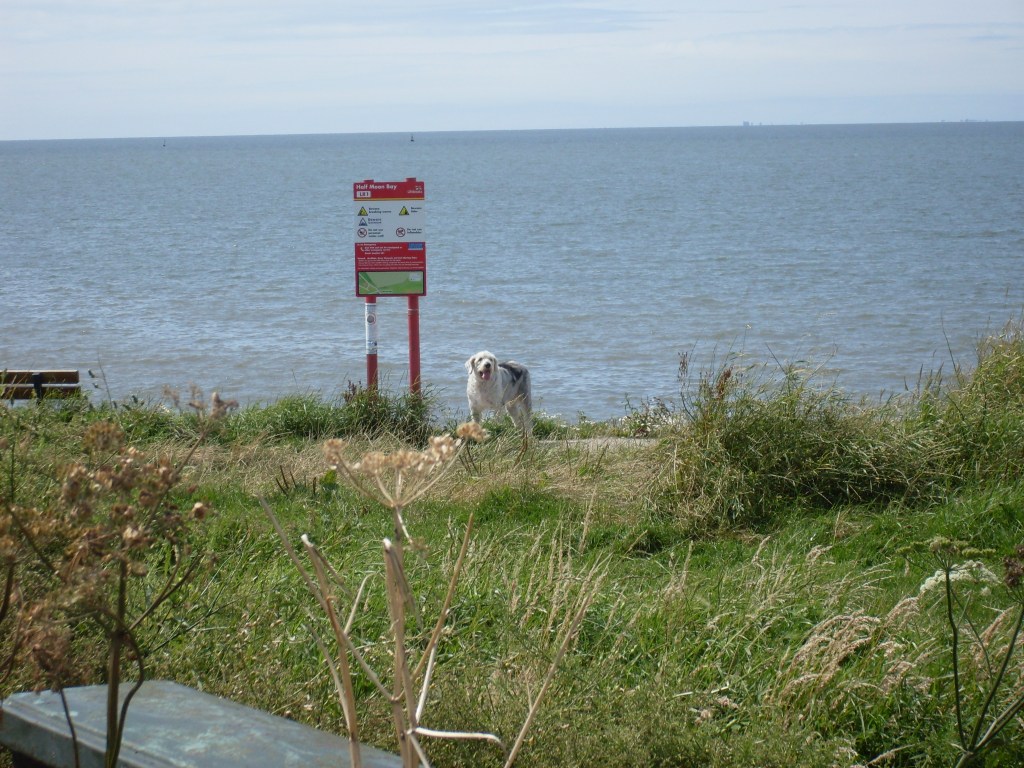
Have you seen my human? About five foot, green coat and carrying a red ball. Answers to “Woof…”

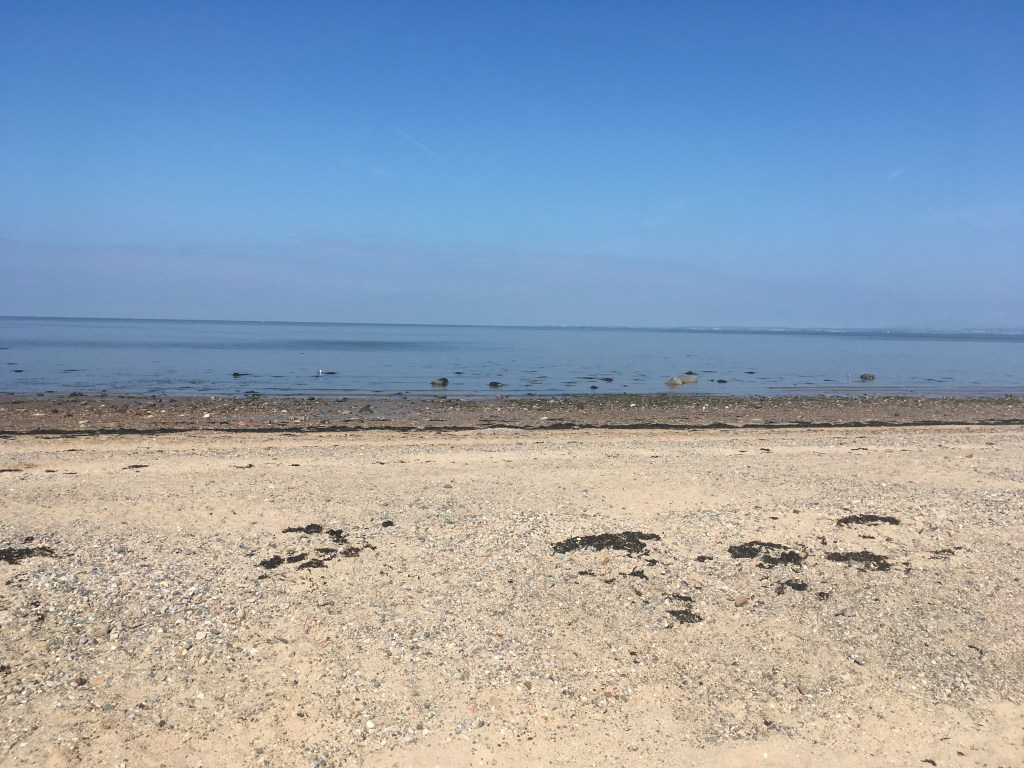
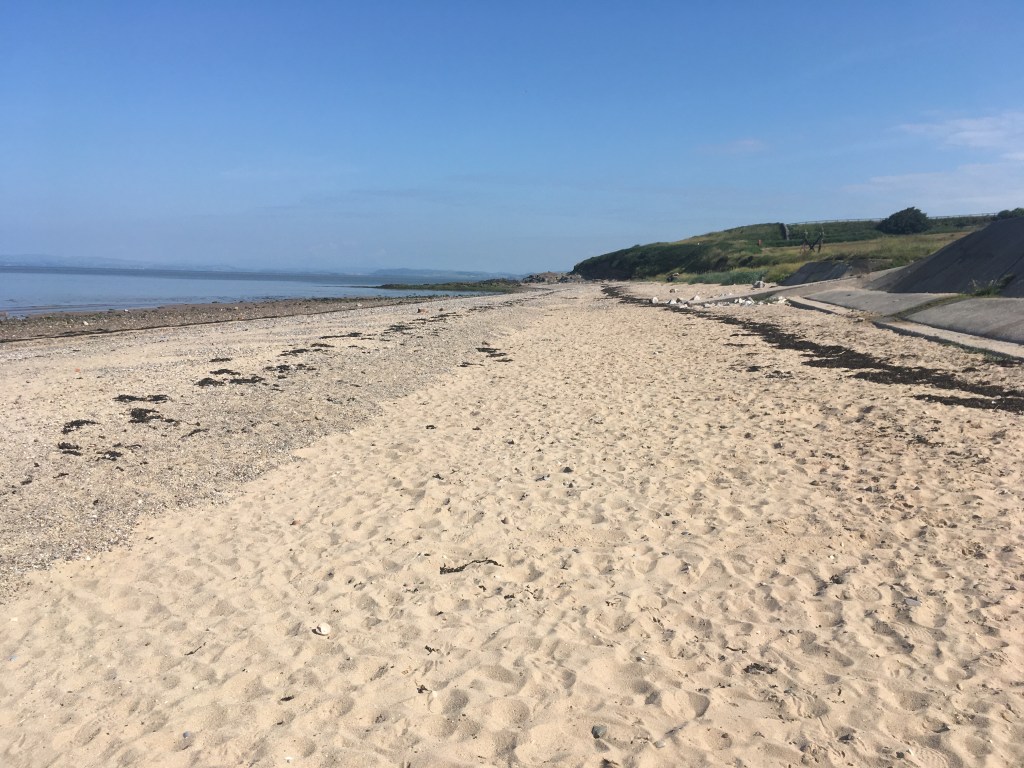
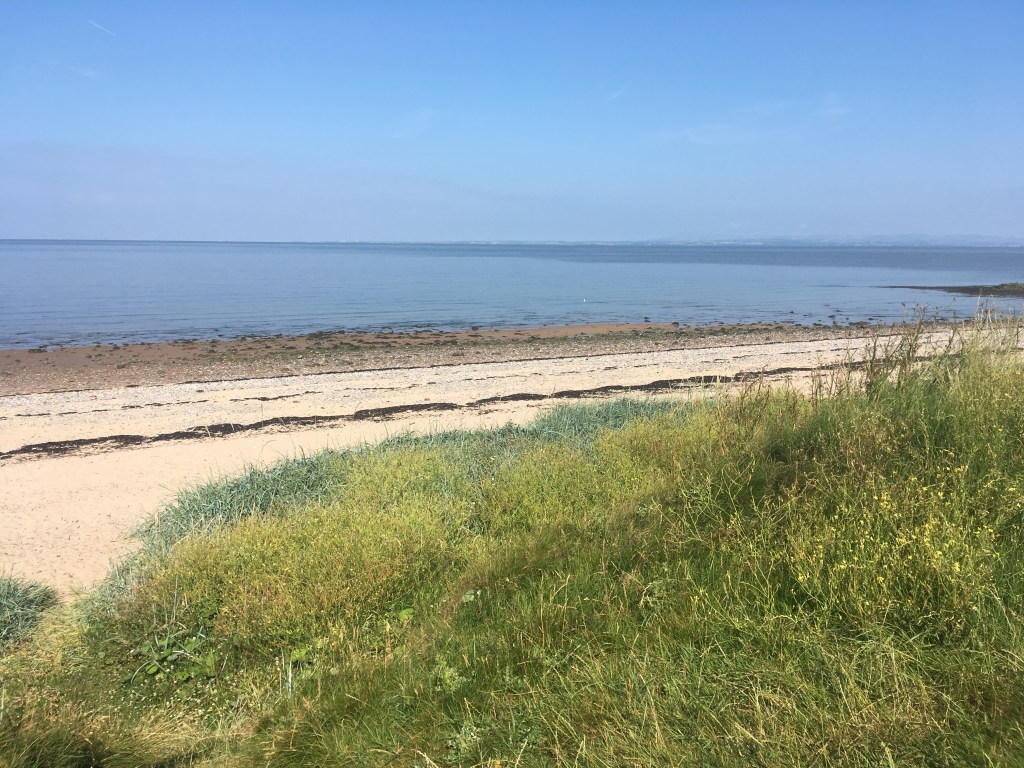
There’s the clean sandy beach.

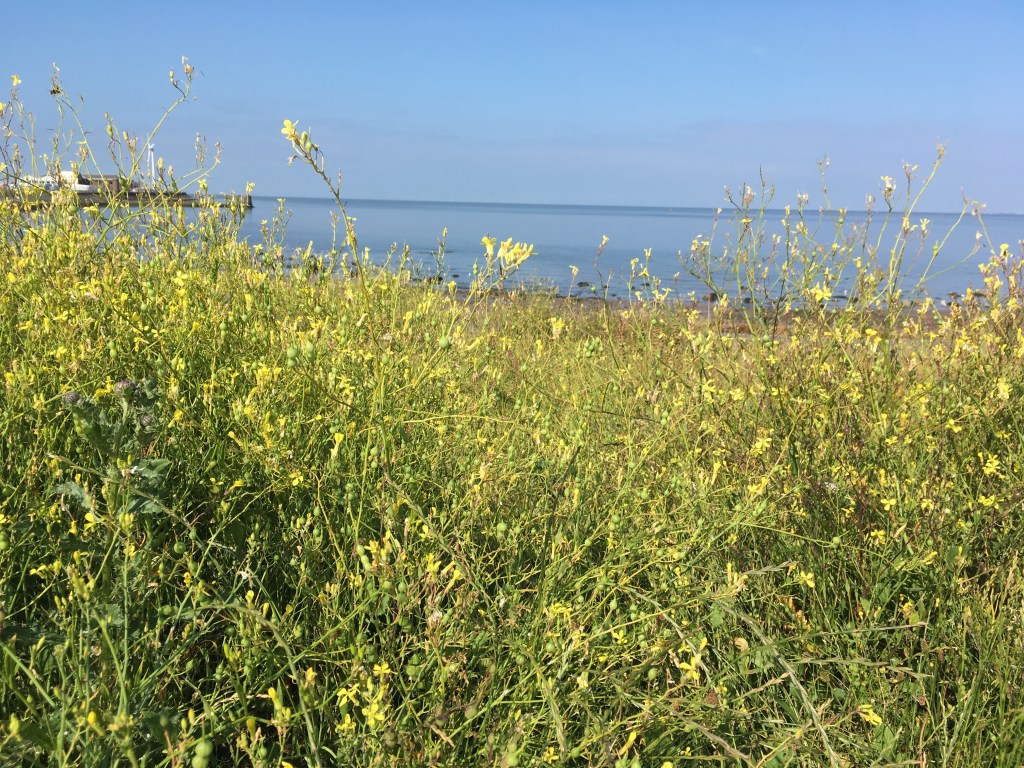
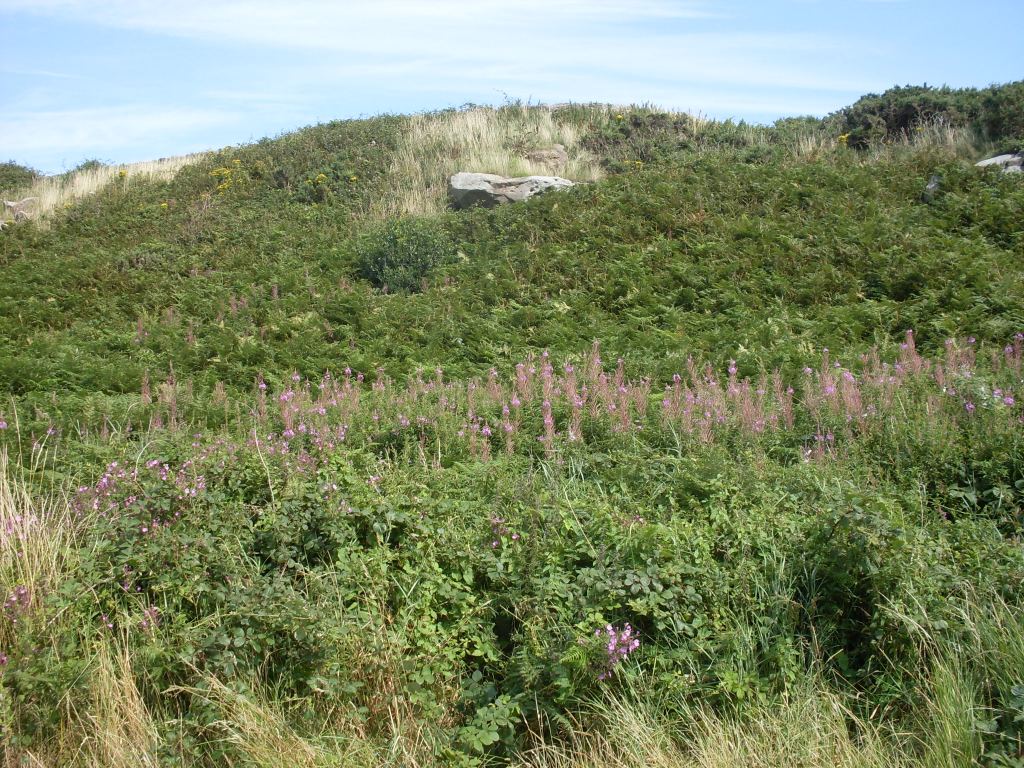
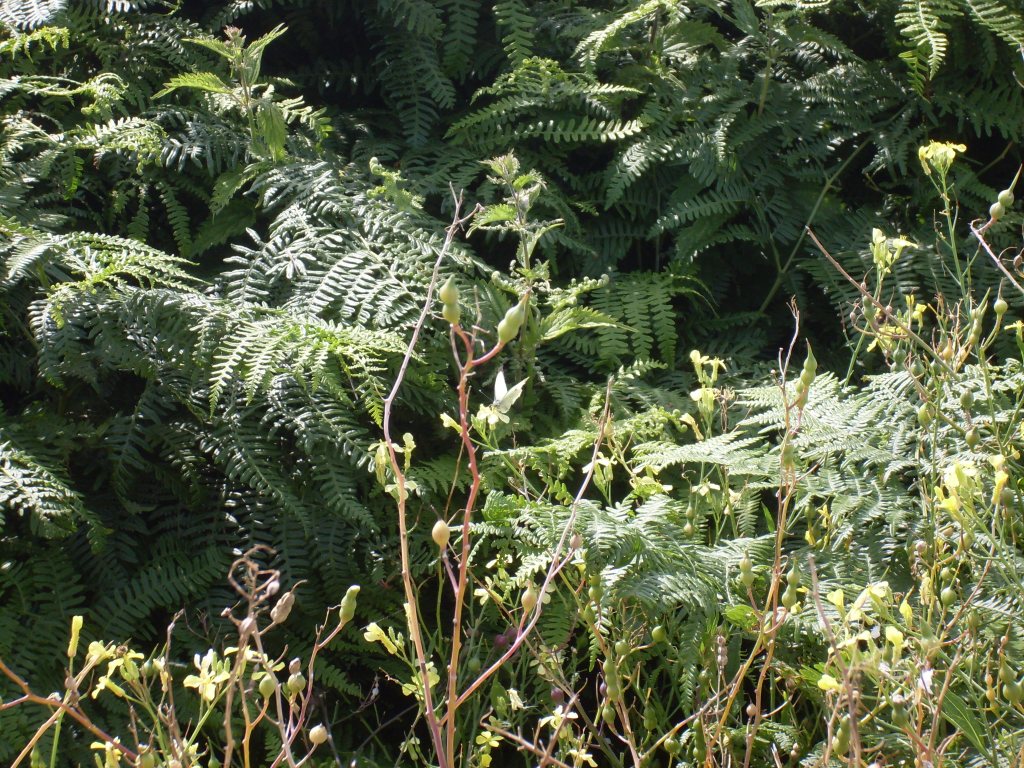
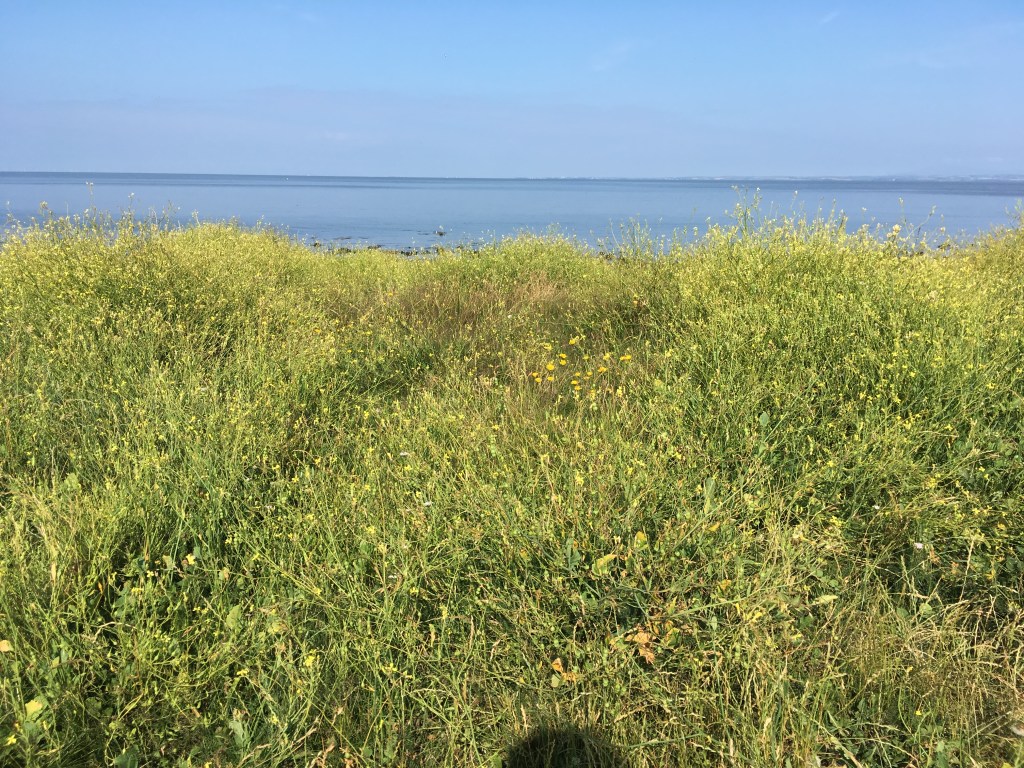
Wild grasses. A haven for bees, butterflies and crickets.
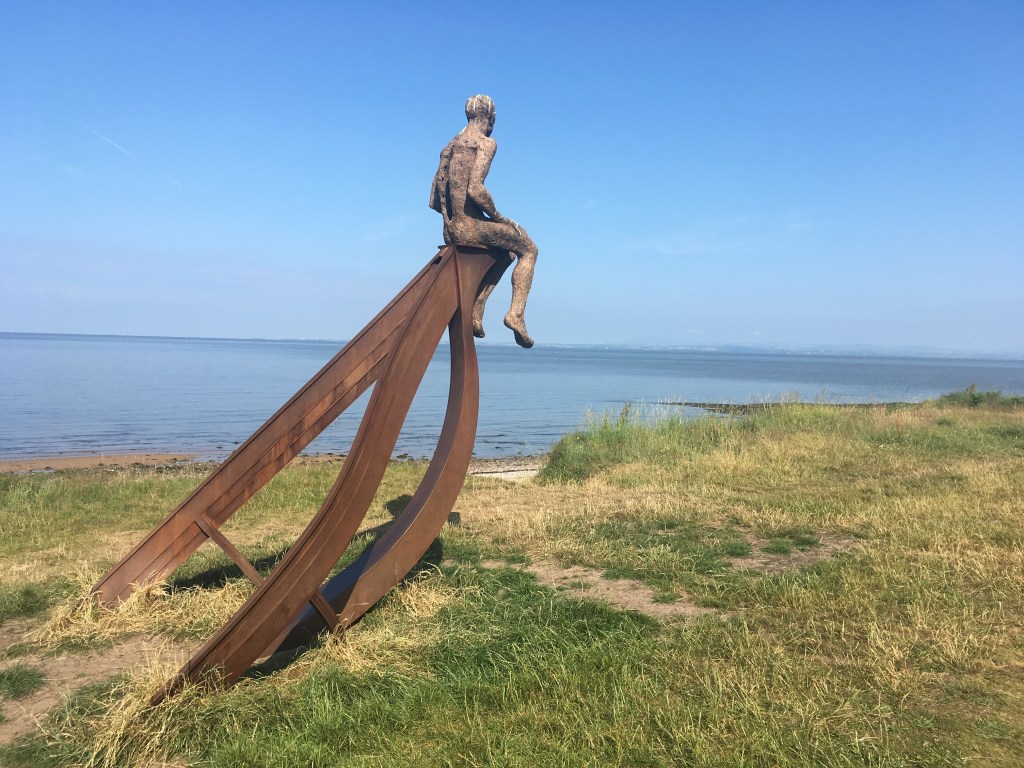
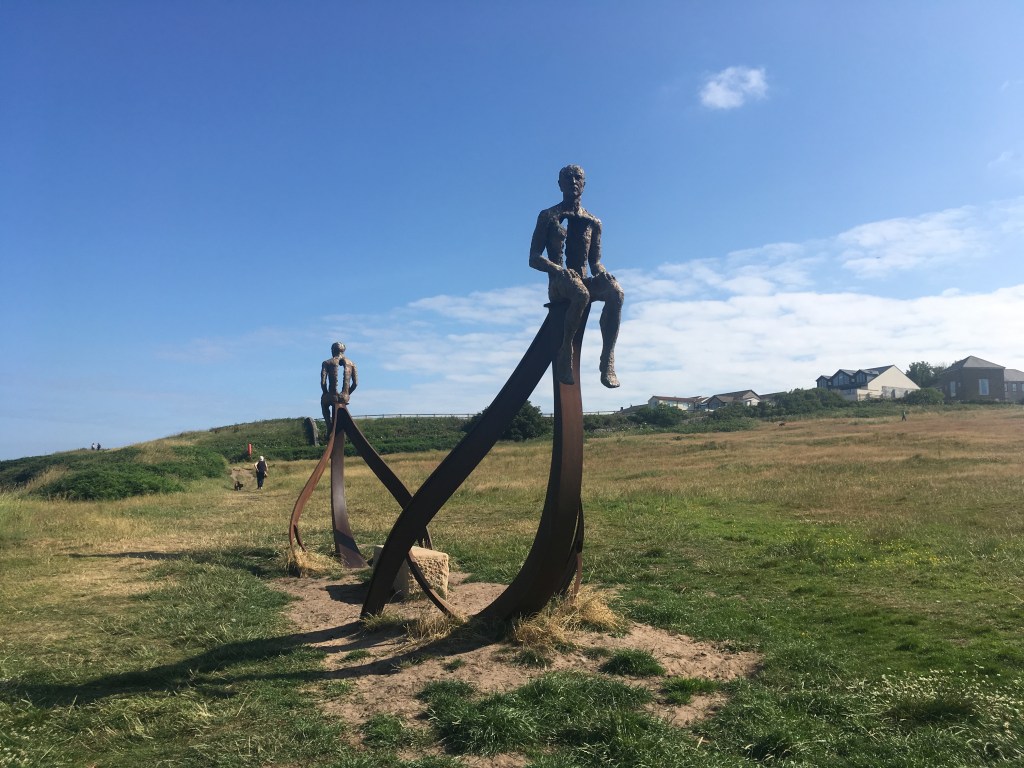
There’s art. This one is called ‘Ship’ by Anna Gillespie.
There are both types of beach here, gravelly, and sandy, and the bedrock is exposed at low tide leaving behind rock pools, abundant with marine life, to explore.
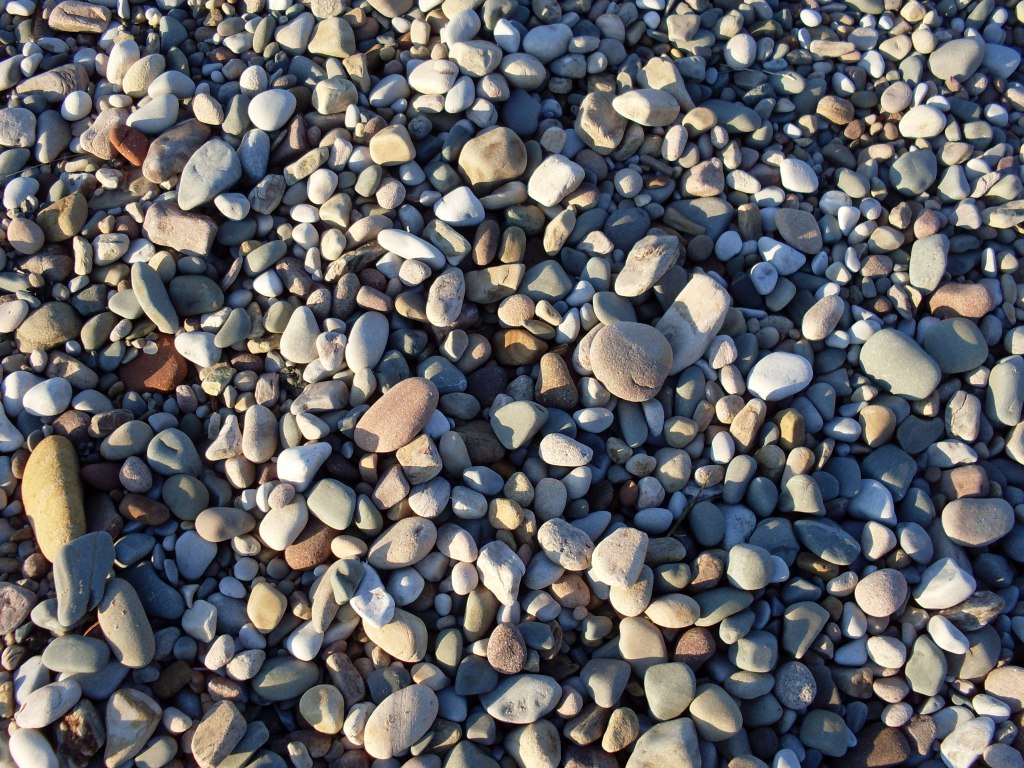
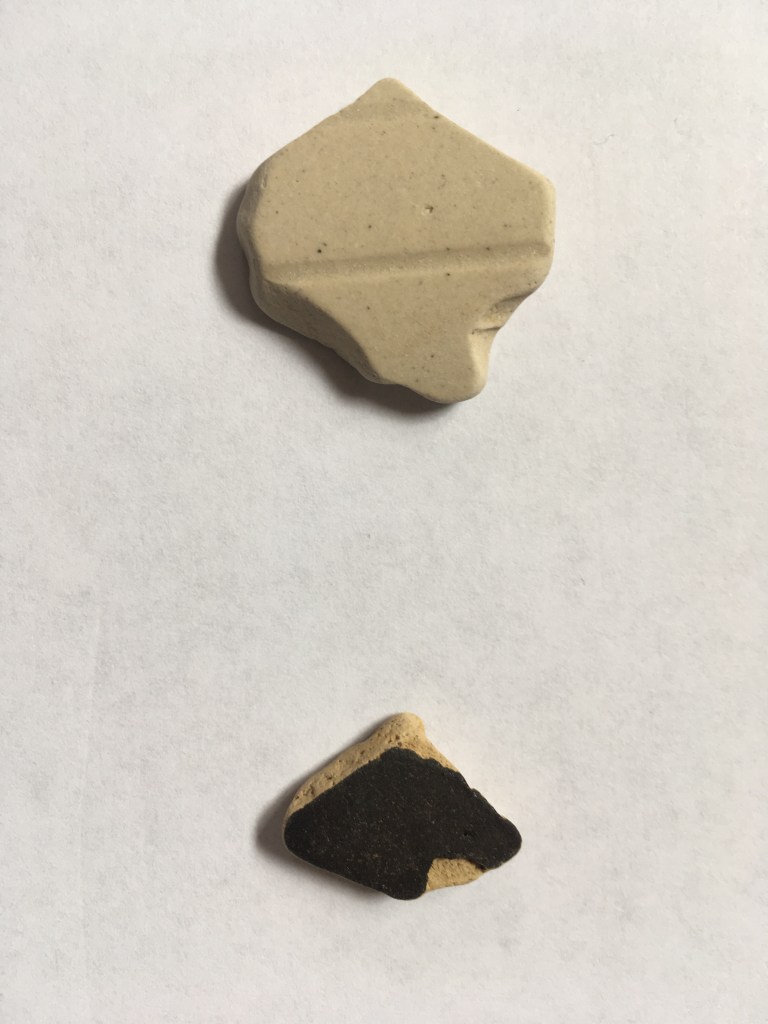
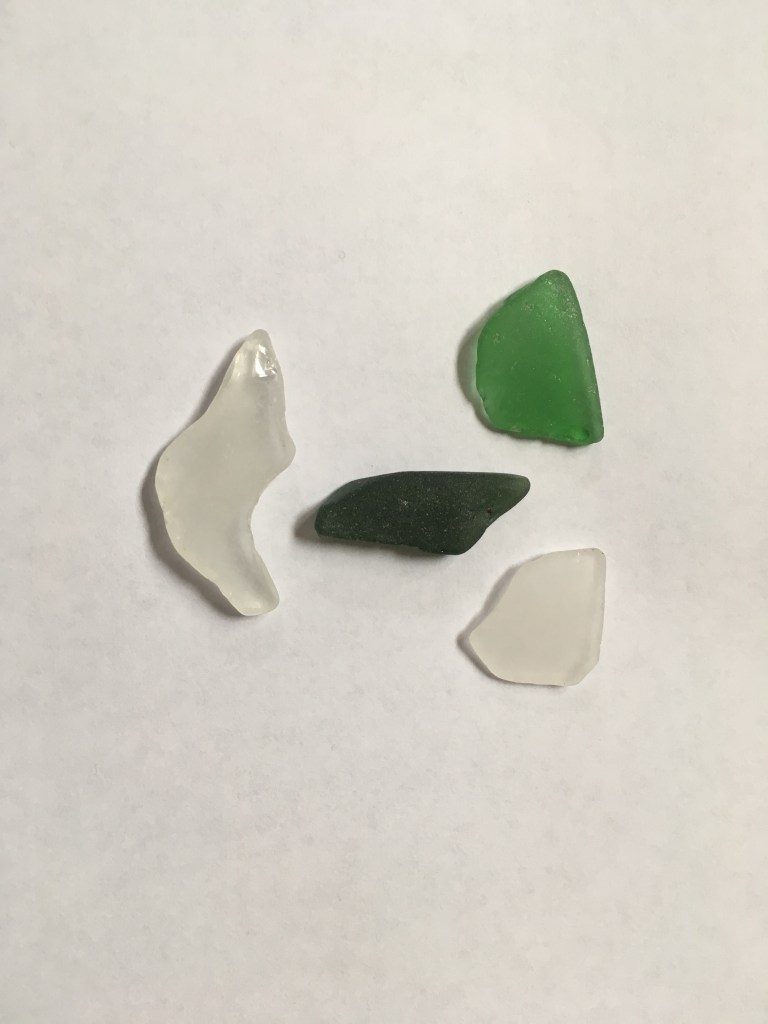
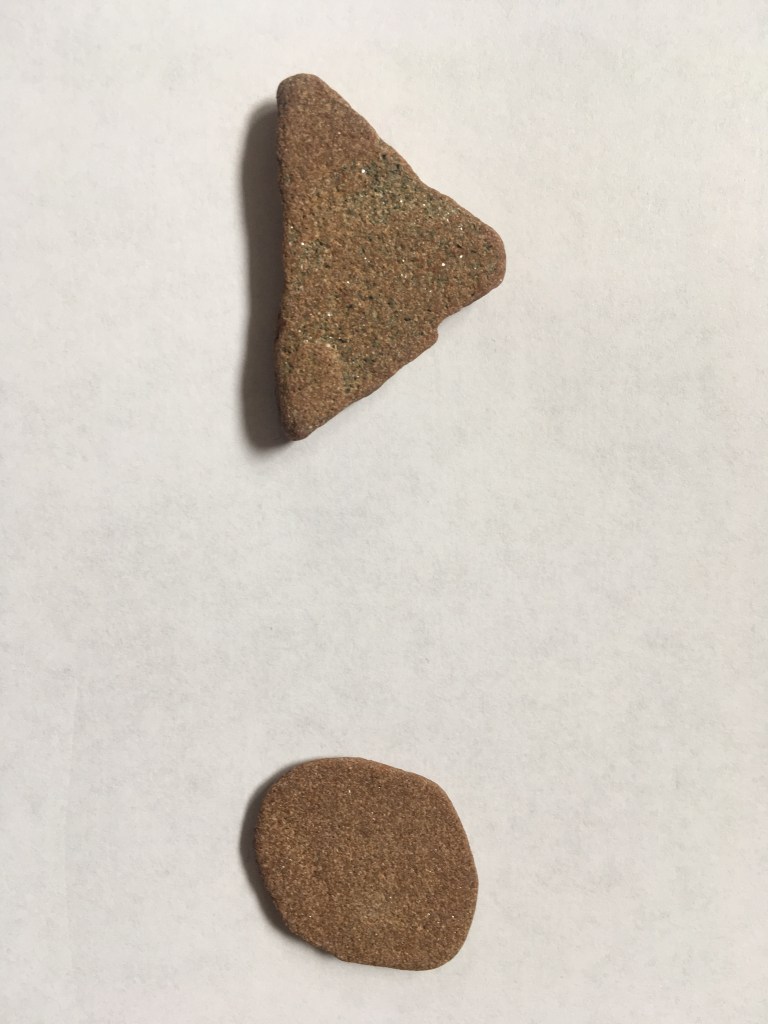
If you like collecting beach glass, and who doesn’t, there are many fine specimens to discover. Some of the stones are perfectly triangular.
You can park your glutes on one of the many benches, plant a deckchair on the sand, or even cast a line out to sea and catch yourself some supper.
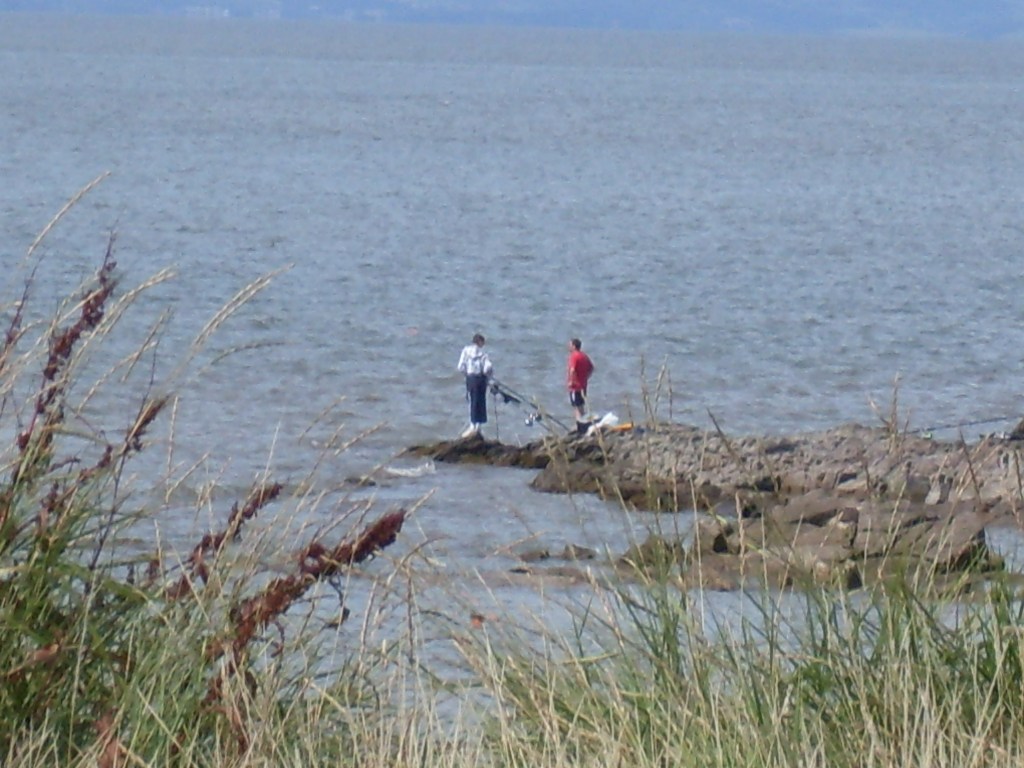
The Other View

Half Moon Bay has an alternative view. We all enjoy Television and frozen Yorkshire Puddings, and for that we need power. And Britain, being an Island, is also dependent on its ports. The ports and power stations have to go somewhere, and Half Moon Bay is one of those places.
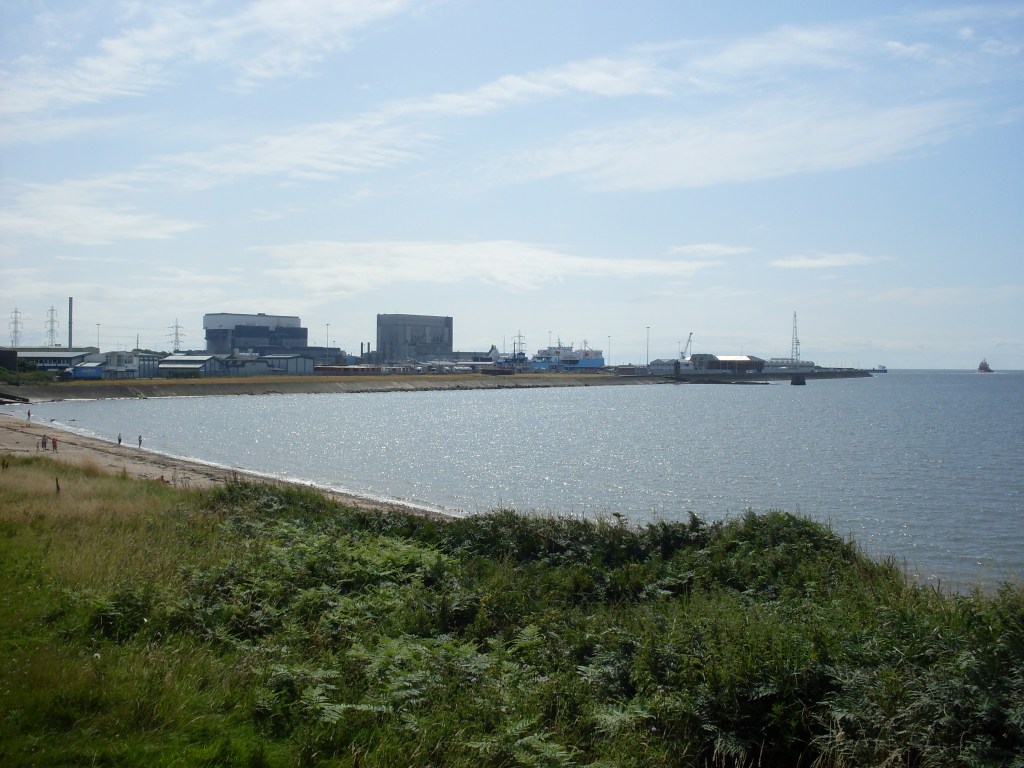
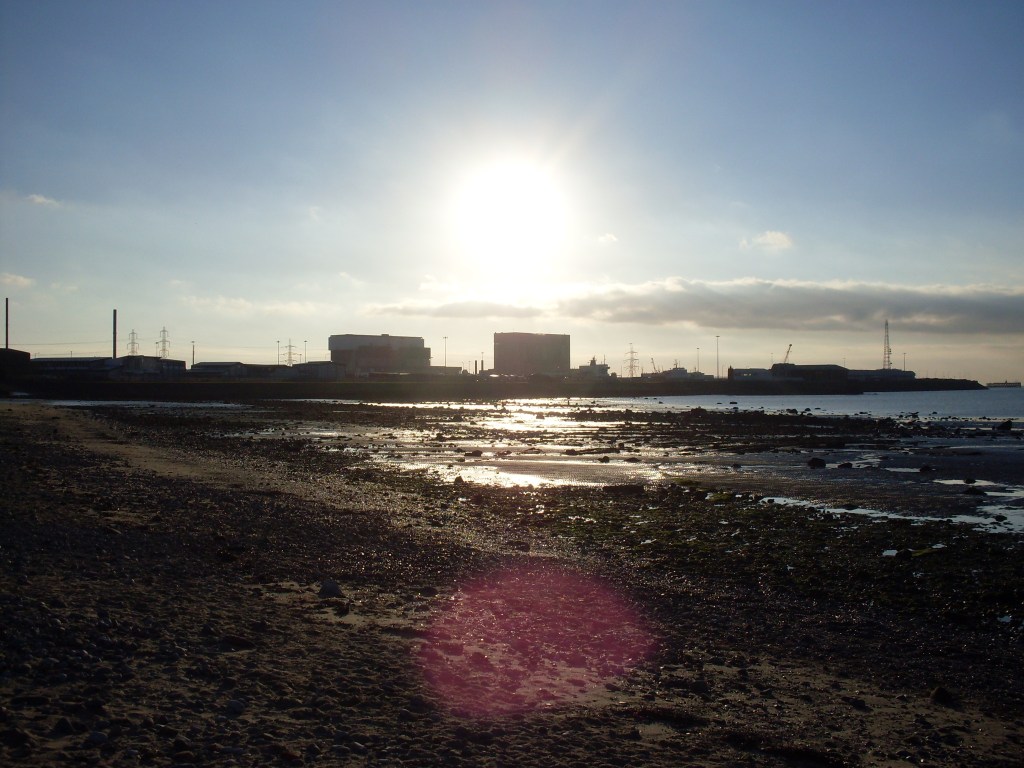
How many English villages can boast not just one thermonuclear power station, but two? The plans for Heysham 3, one of a new generation of nuclear power stations seem to be on hold for now, but nuclear isn’t the only way to generate electricity. We’ve also got a wind farm, a solar farm, and offshore gas comes ashore here. There’s a domestic waste incineration plant in the pipeline, and if the Bay Bridge ever happens, with its tidal energy schemes, this is where it will be. Talk about Northern Powerhouse!

Next to the power station is the port. A passenger ferry sails daily to the Isle of Man, and a freight only service runs to Ireland.
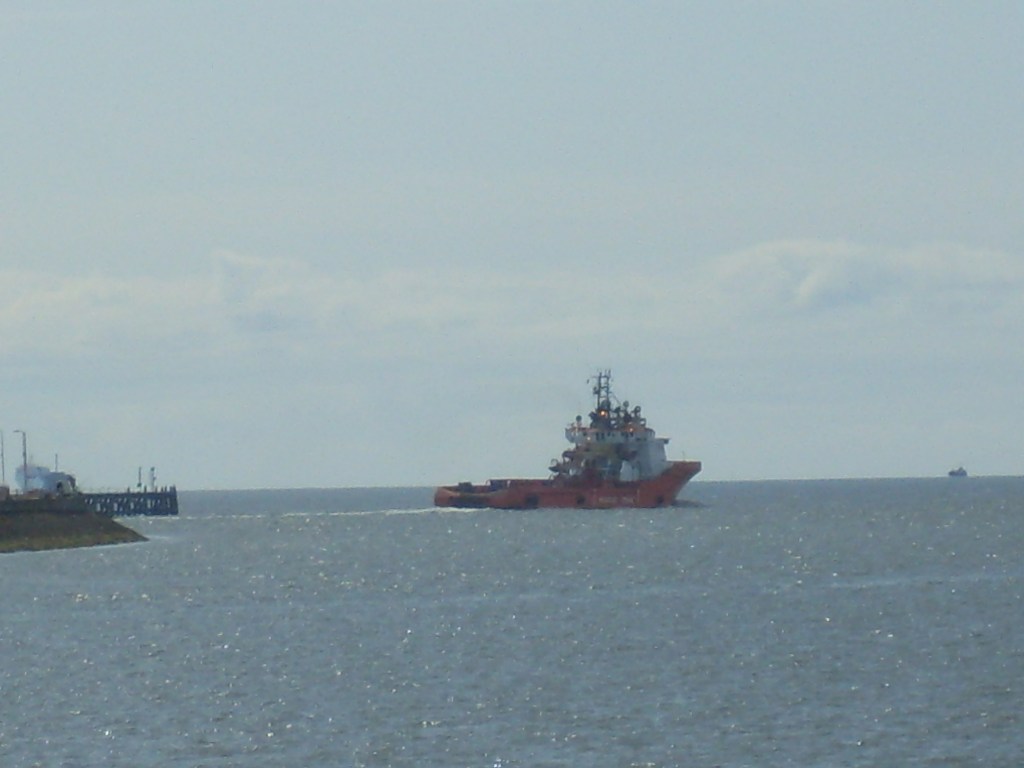
For thrill seekers, there’s opportunity to be blown to bits.

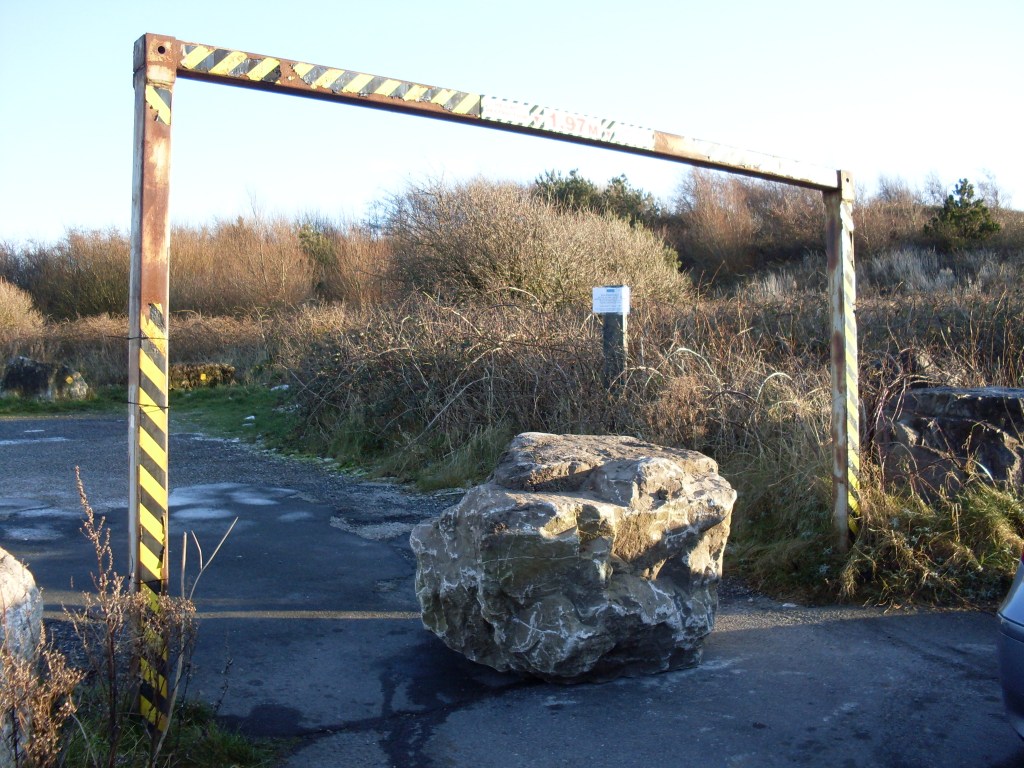
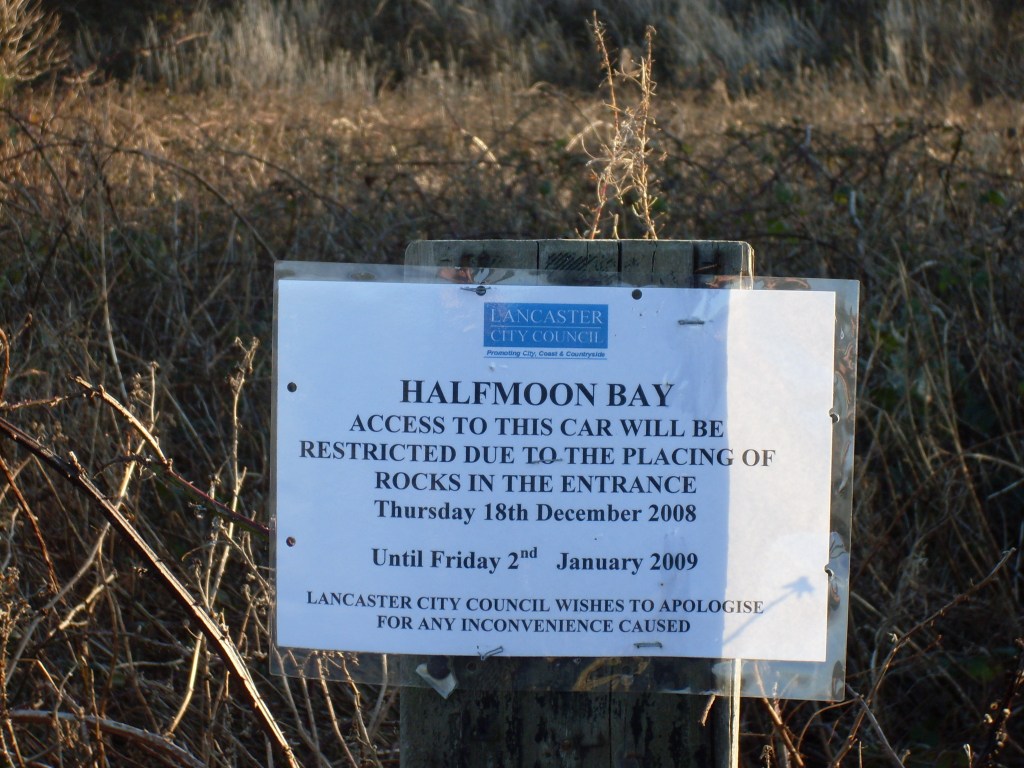
Free parking is available across from the cafe, but it can be unreliable at certain times of the year. Heysham is affected by roving boulders that sometime come to rest across the car park entrance and block access for vehicles, though the stay is short lived and the boulders eventually move on.
With so much to see and do here, its definitely worth a visit.

Links

https://www.theguardian.com/travel/2019/jul/08/20-best-uk-seaside-cafes-restaurant-seafood-beach-shacks

https://www.lancasterguardian.co.uk/lifestyle/nationally-recognised-heysham-cafe-owner-says-he-only-came-to-windsurf-and-sell-a-few-sausages-1-9871841

https://www.heart.co.uk/northlancs/news/local/half-moon-bay-to-host-ship-sculpture/
Research Trip – Liverpool Overhead Railway

I have a story that I have been meaning to write for some time, a few actually, that are set in the old and smokey docklands of Liverpool, and to write these stories with any authority and authenticity, I need to establish an understanding of the period and setting. There is only so much that you can garner from books and archive films, and nothing beats a site visit. That was my excuse at least for dragging my wife and two children all the way to Liverpool to look at a train.

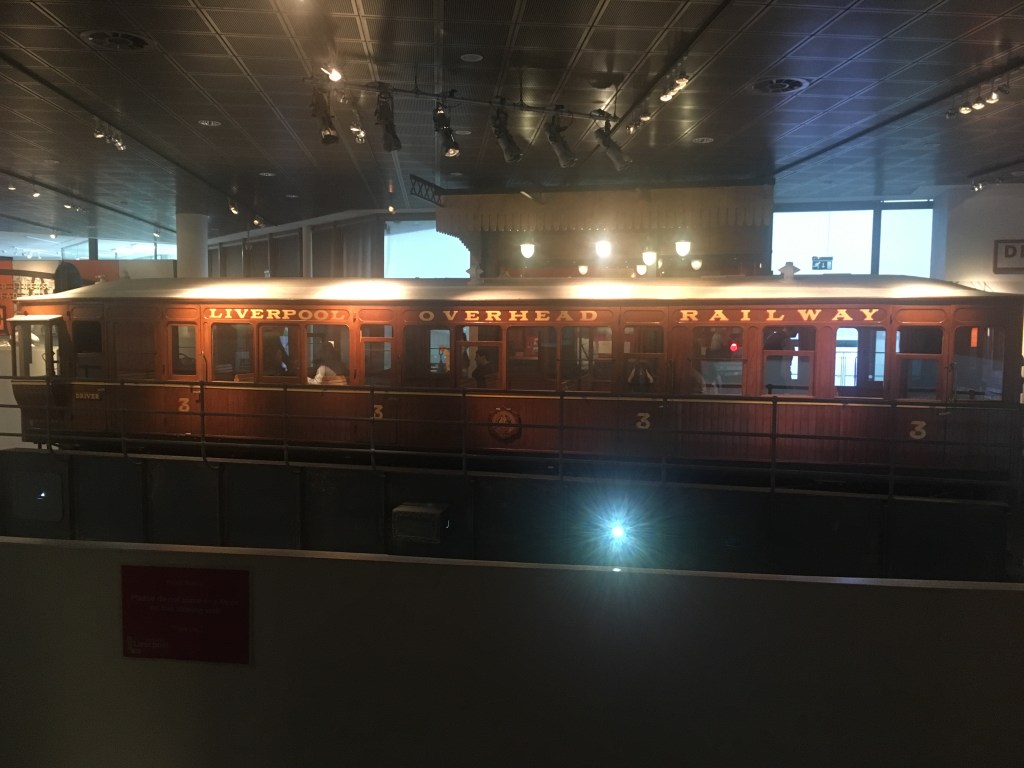
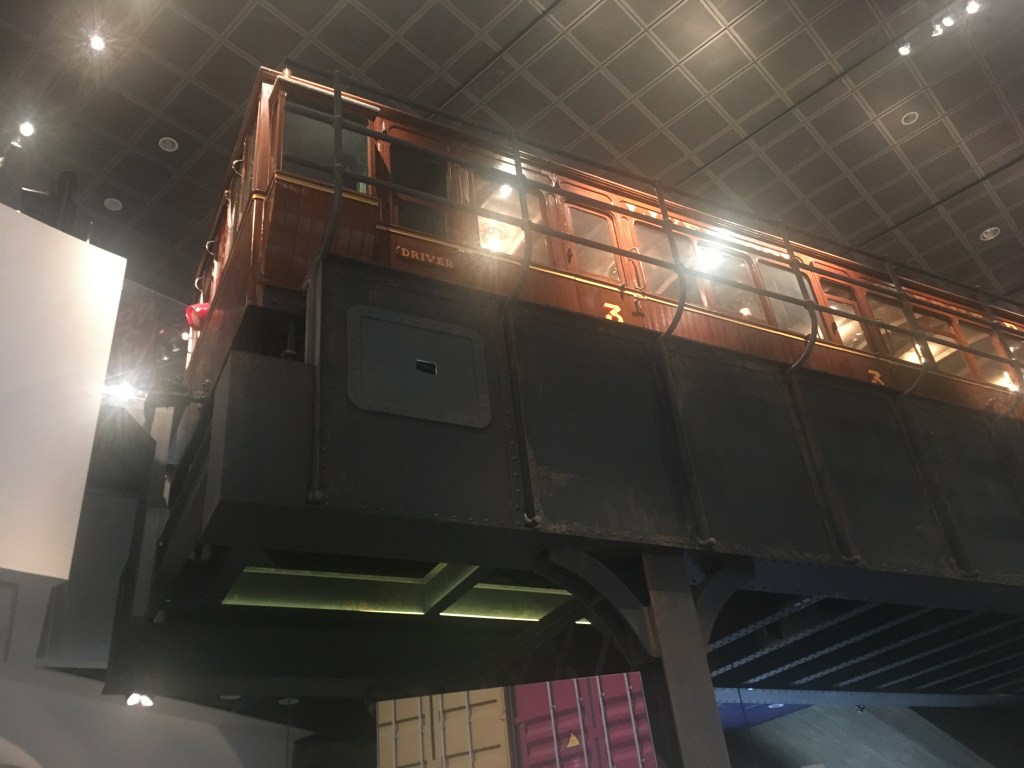
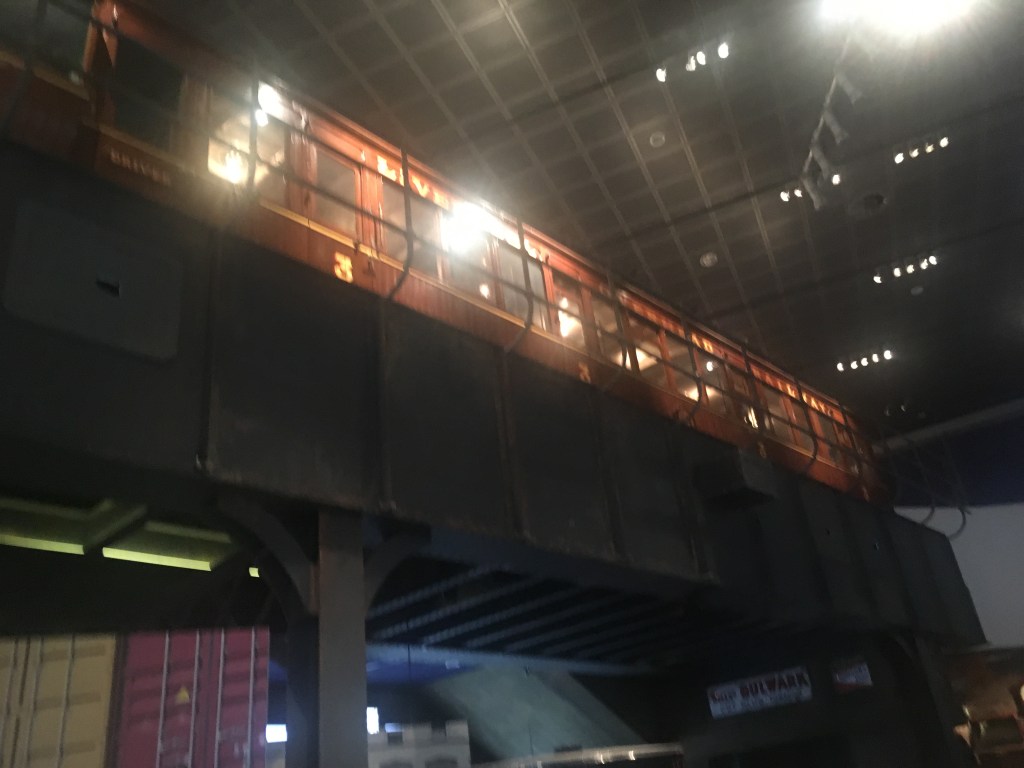
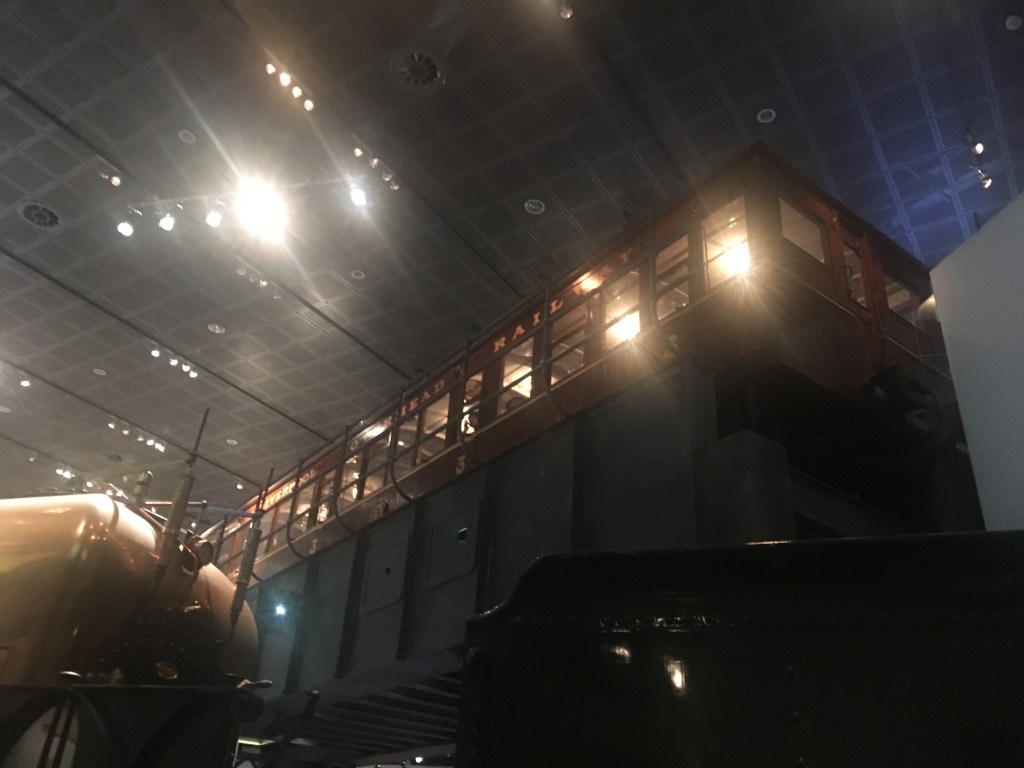
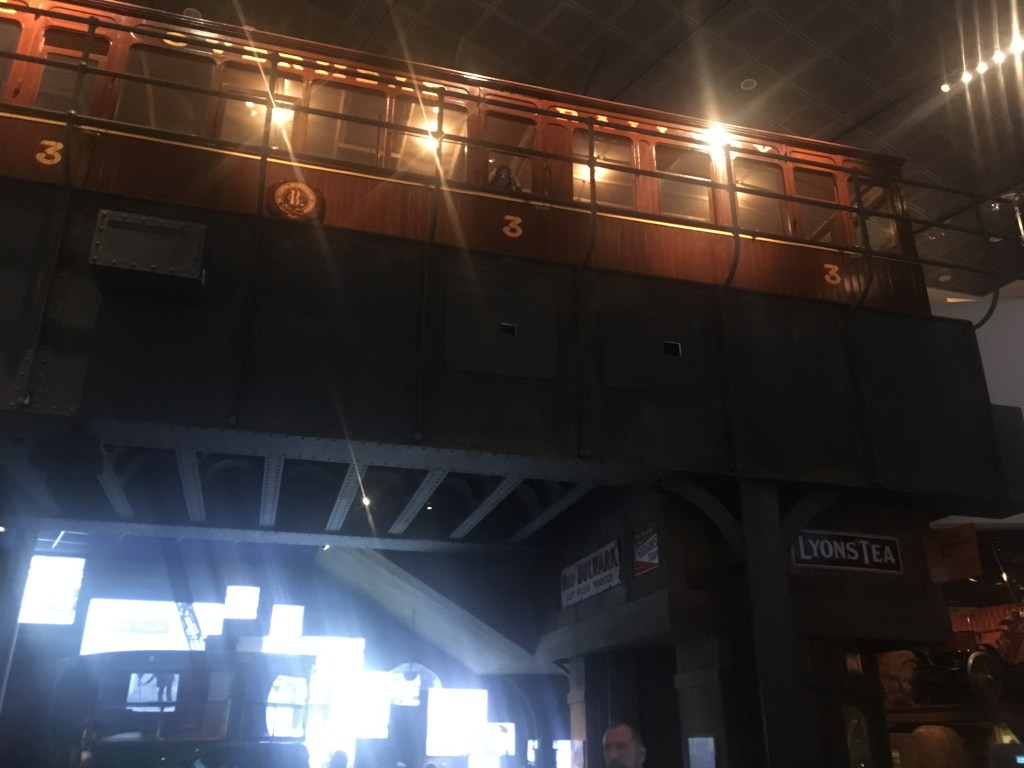
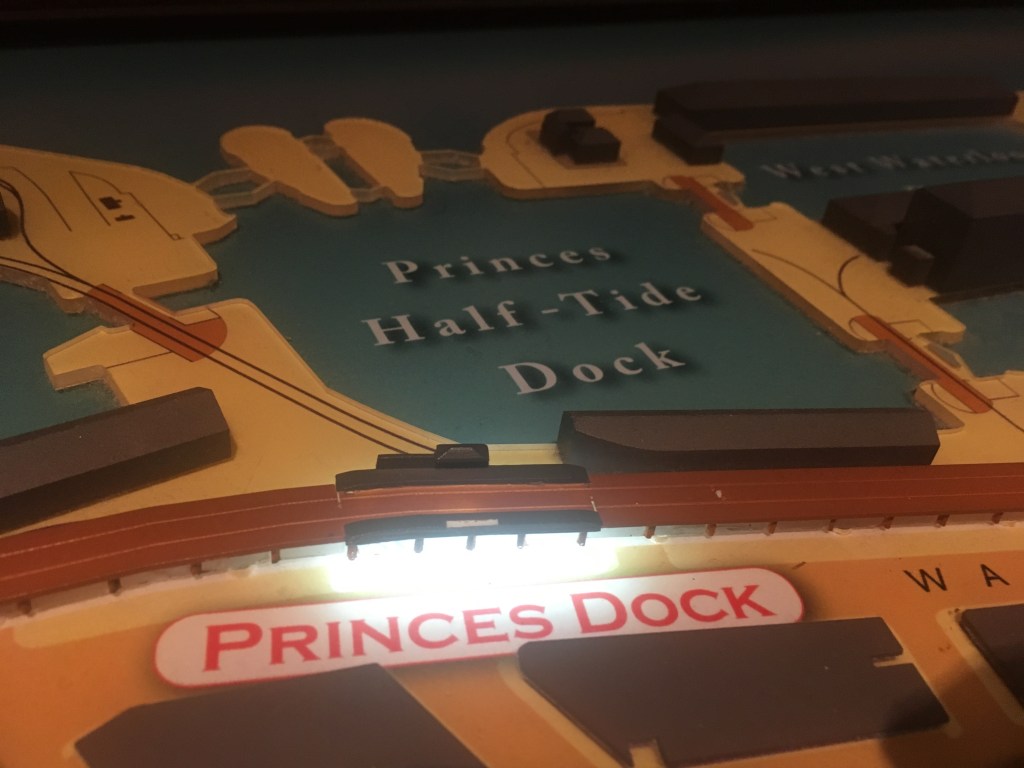
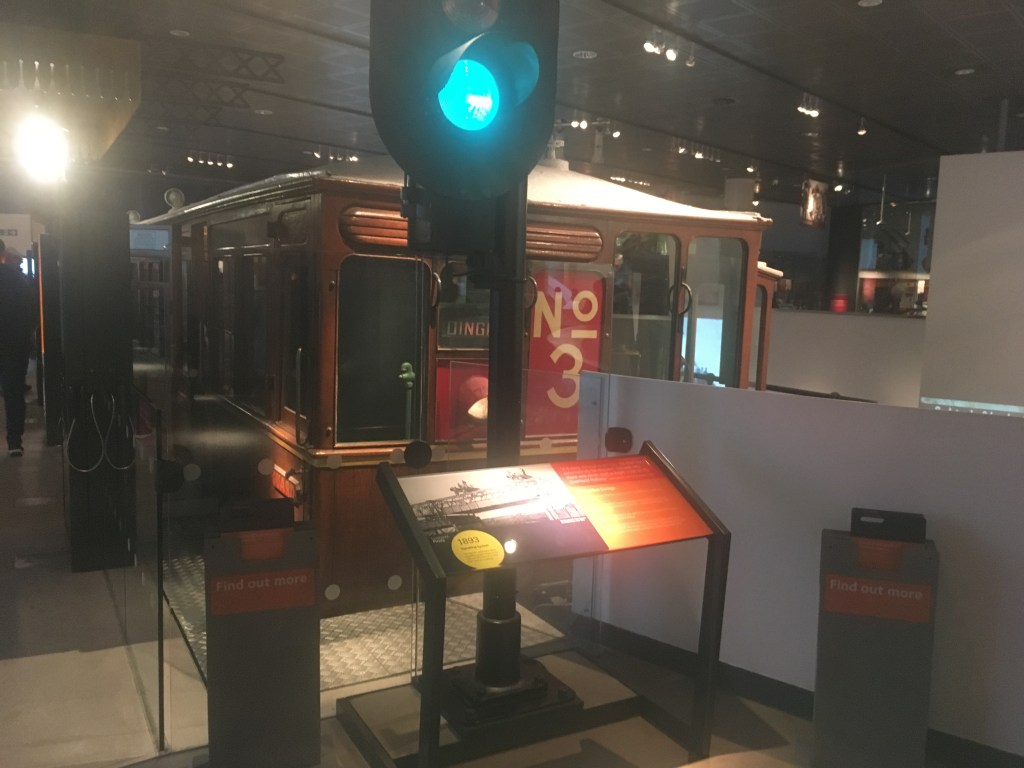
The train in particular that I wanted to see belonged to the Liverpool Overhead Railway, known colloquially as the Docker’s Umbrella. My digging told me that there was a preserved vehicle on Display at the Liverpool Museum, and probably a model railway too. Unfortunately the Model Railway wasn’t there, and I haven’t been able to track down the one that I saw at an exhibition a few years ago, but I’ll keep looking.

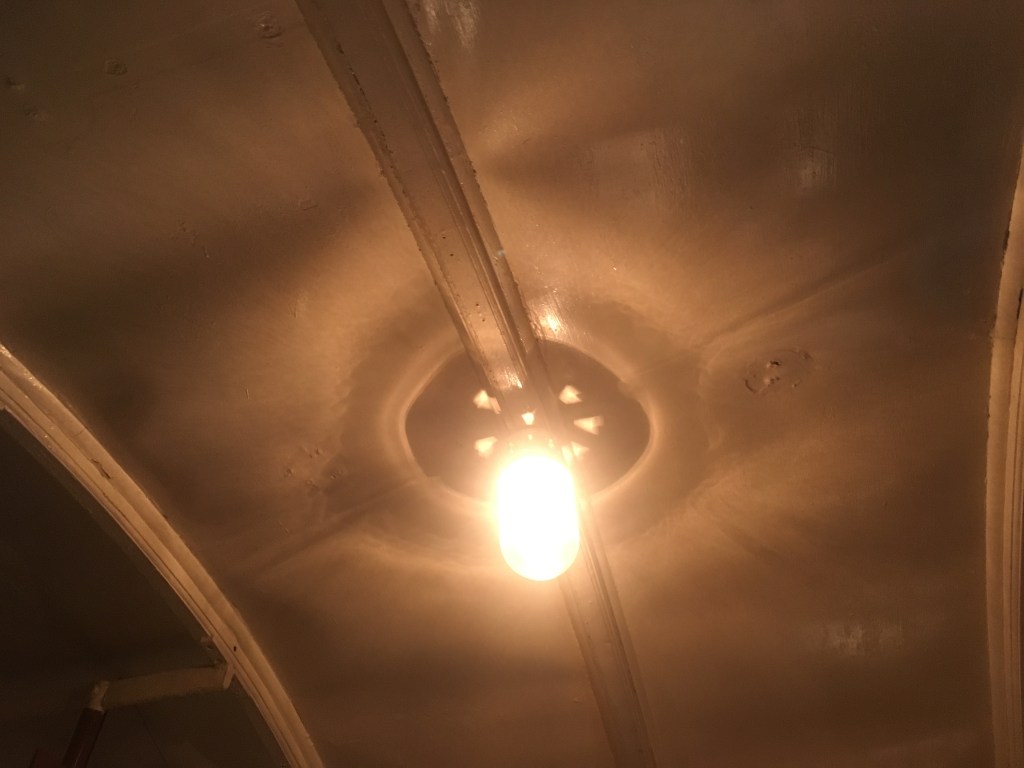
The lighting in the museum was really dim, and the spot lights caused a lot of glare and lens flare. J.J. Abrams would like it here.

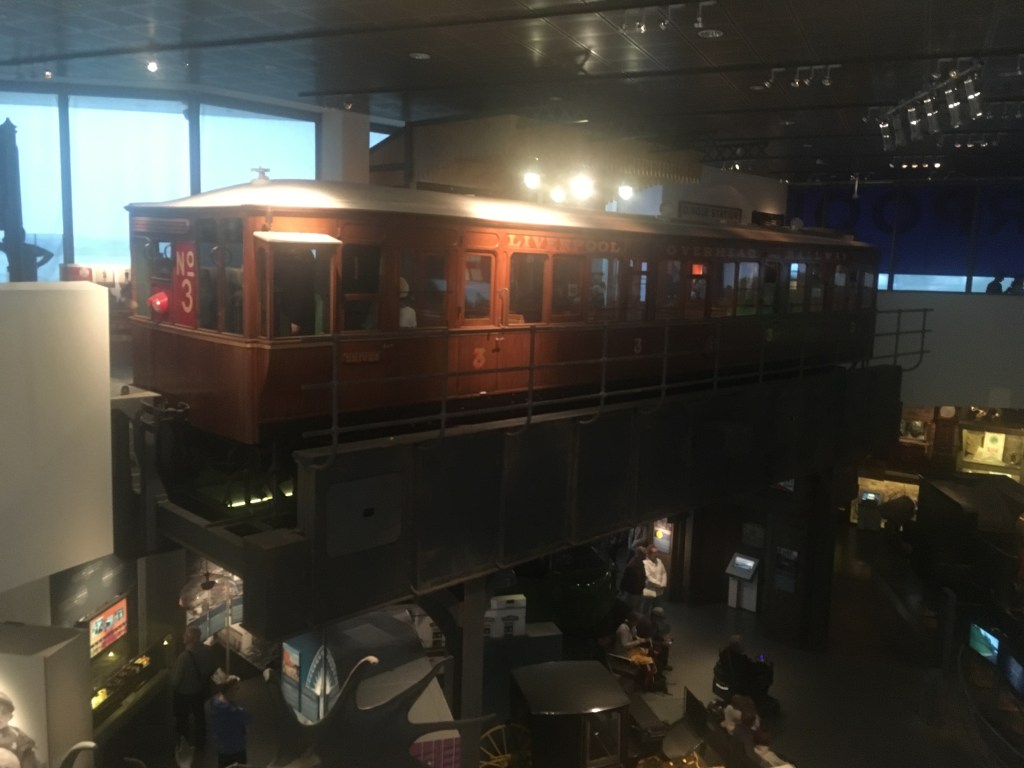
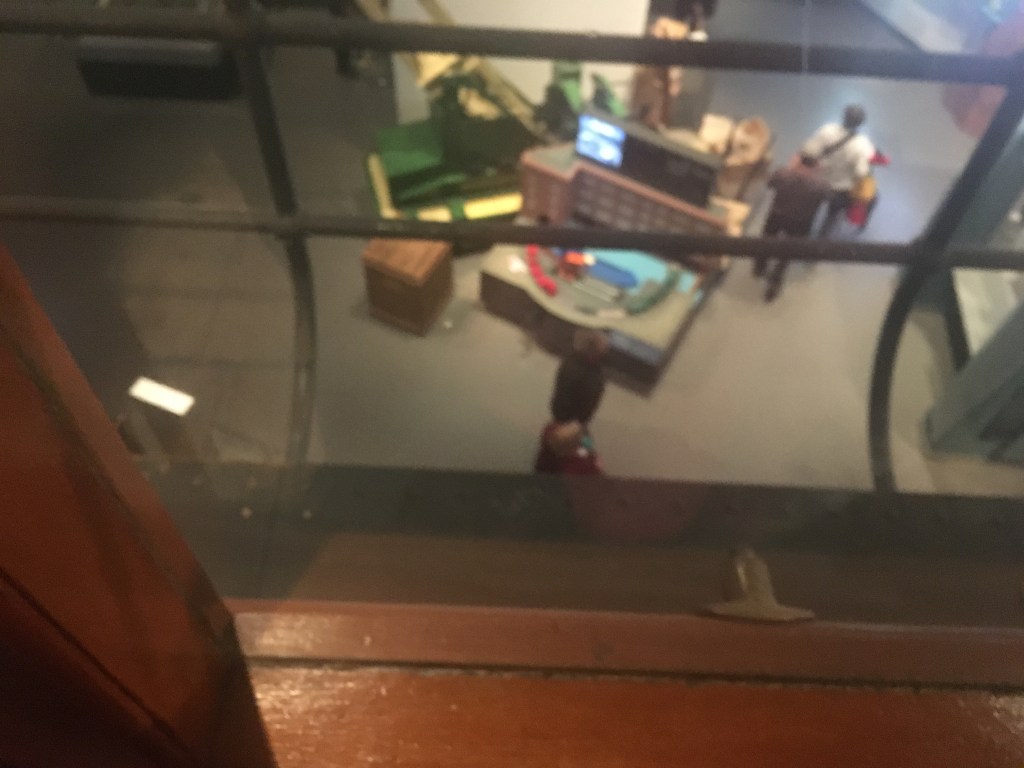
The view from beneath gives a good feel for what it might have been like to walk beneath the elevated track, and imagine the trains rumbling above our head.

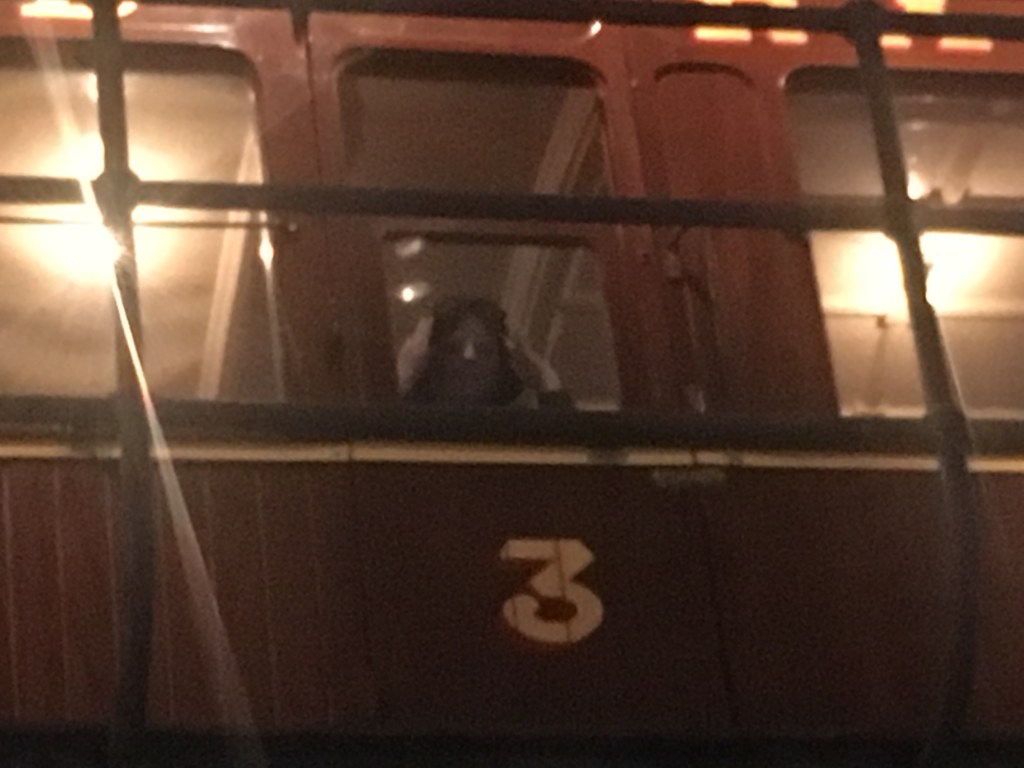
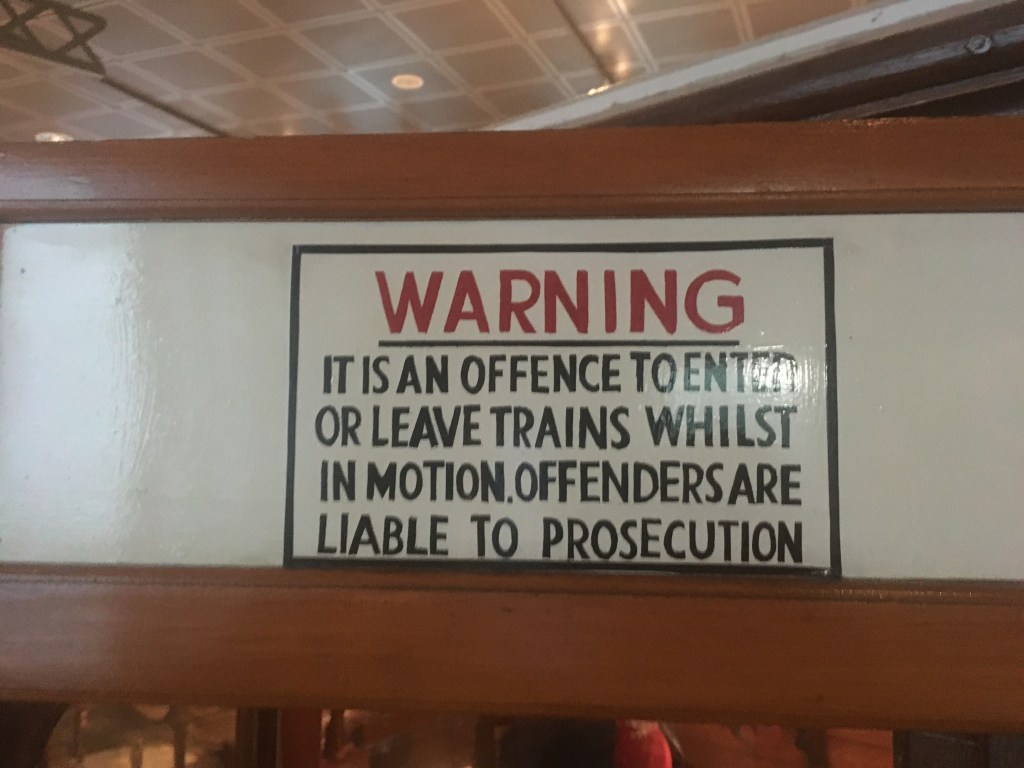
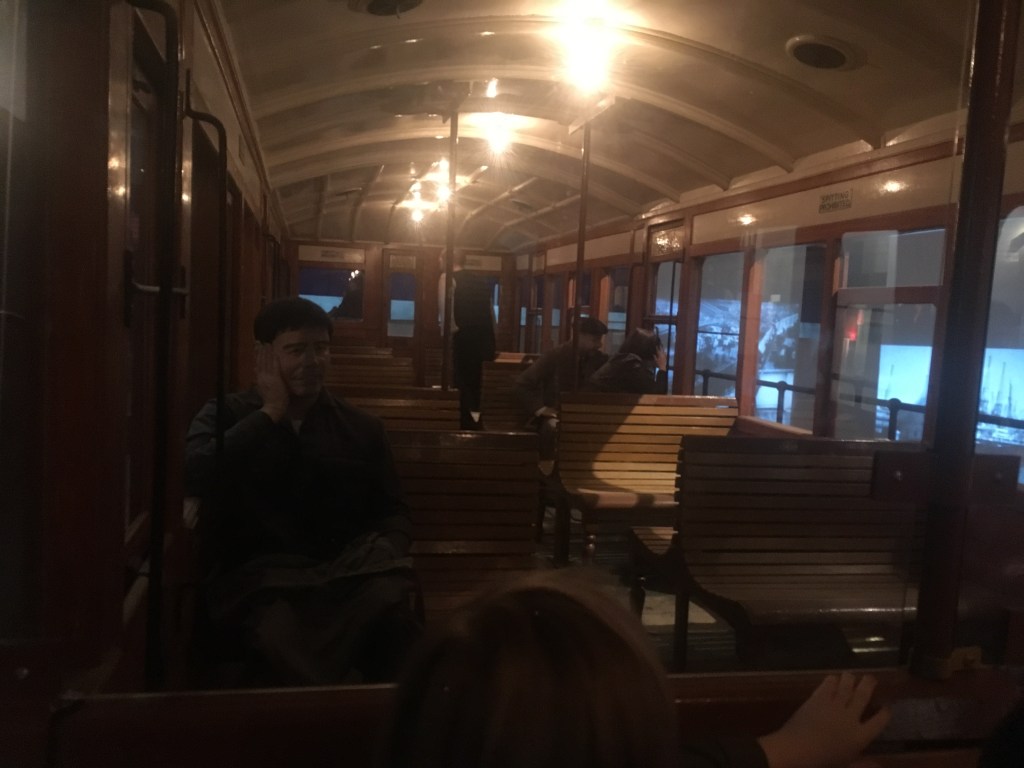
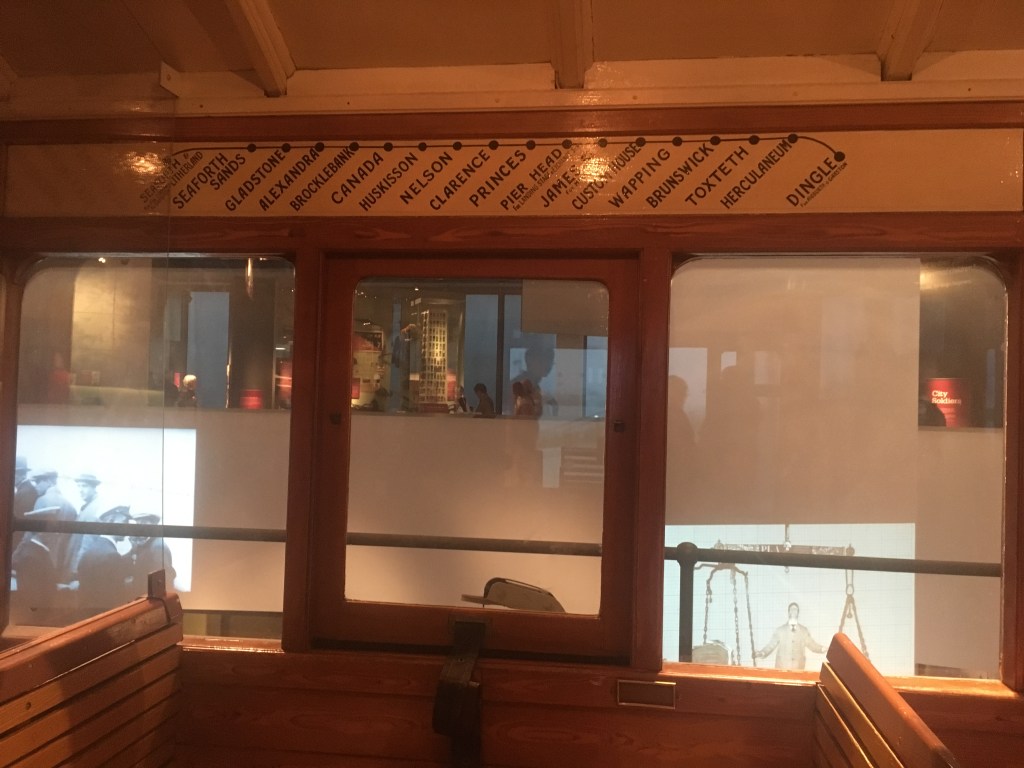
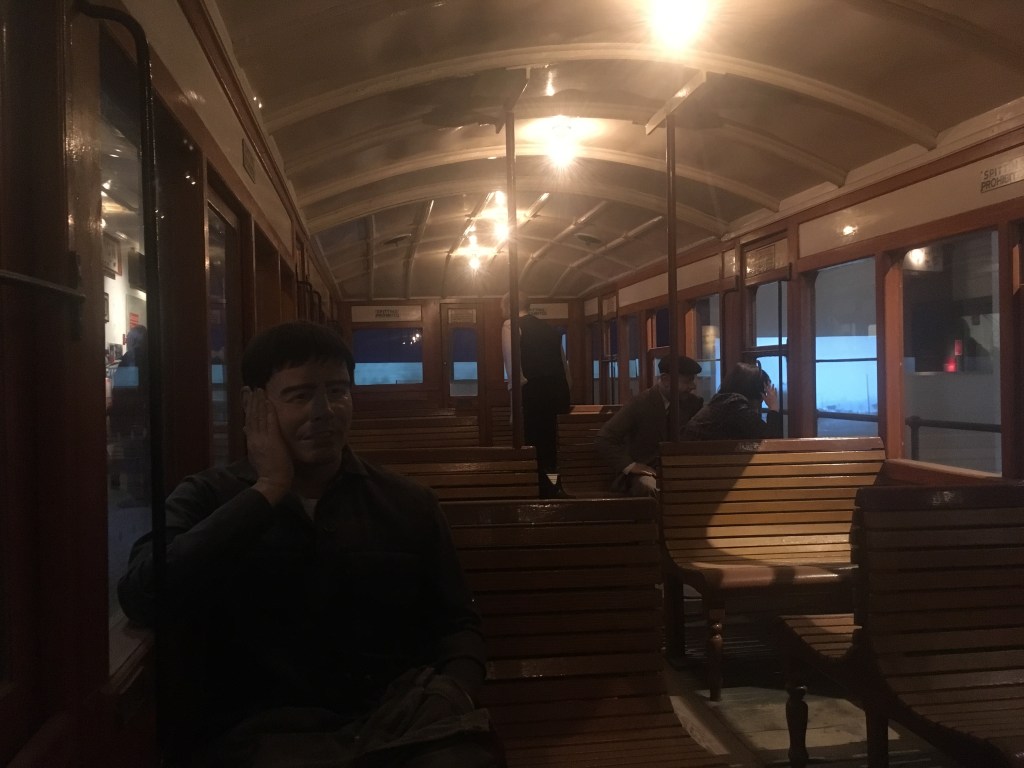
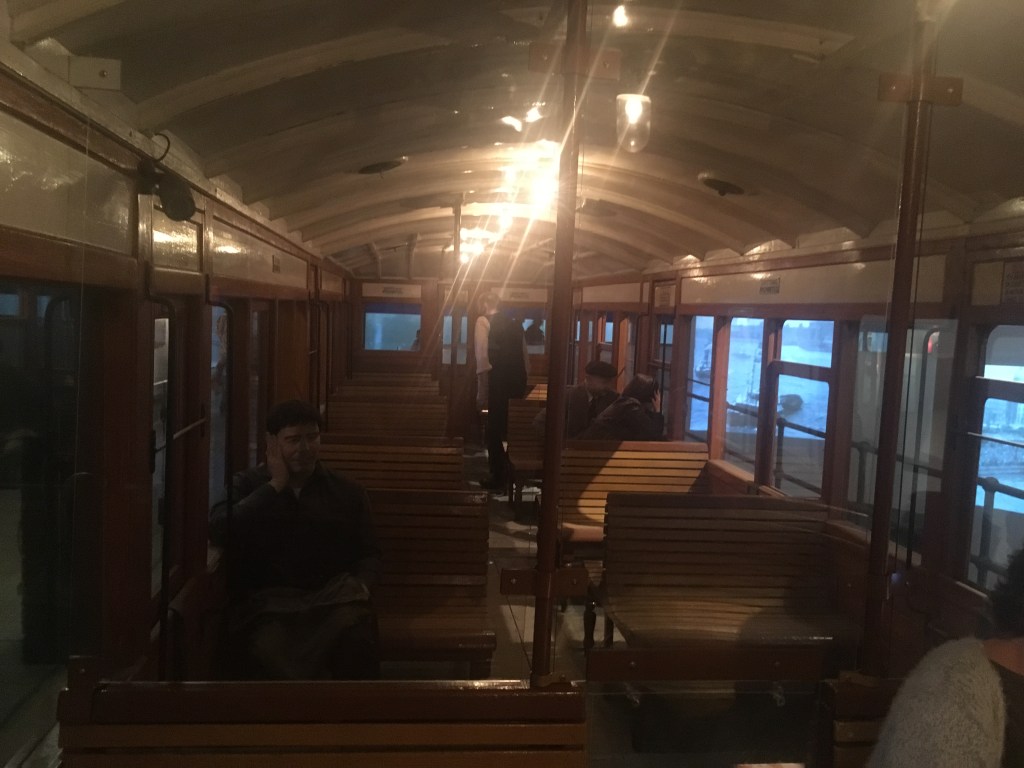
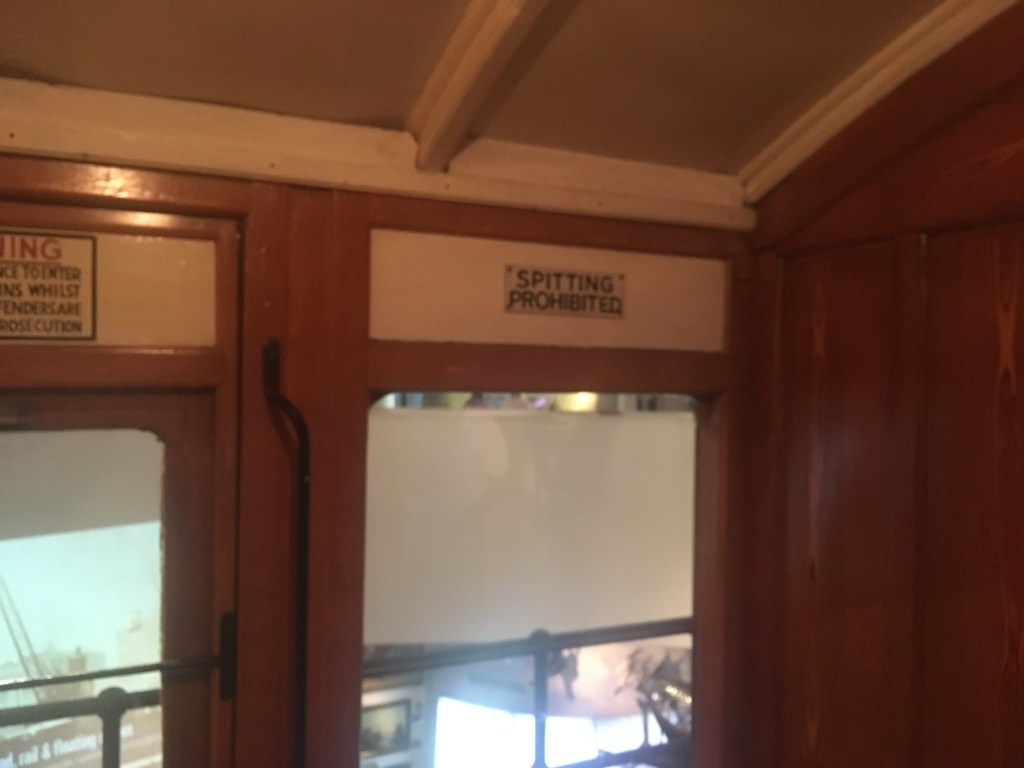
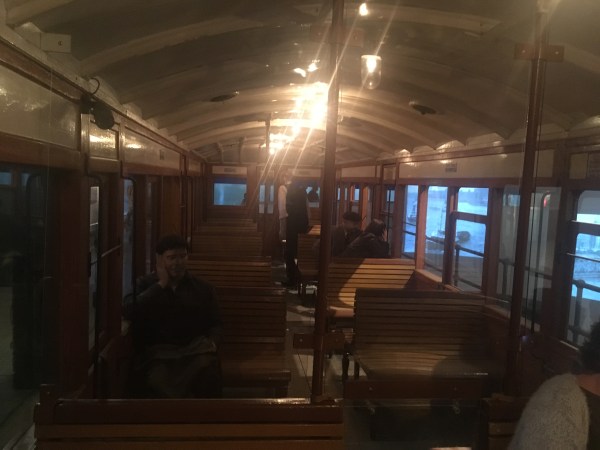
After taking the lift up to the first floor, there is a mock station display and part of the train compartment is accessible to visitors. We went inside and took a seat. I can’t imagine that these trains were this clean when they were in service. The elevated track ran for substantial sections directly above the steam operated dock railway. This would have been a much dirtier journey than we could ever expect today. Smoking would have been permitted too, and the floor was likely to be a grimy black, and littered with cigarette butts and paper wrappers.

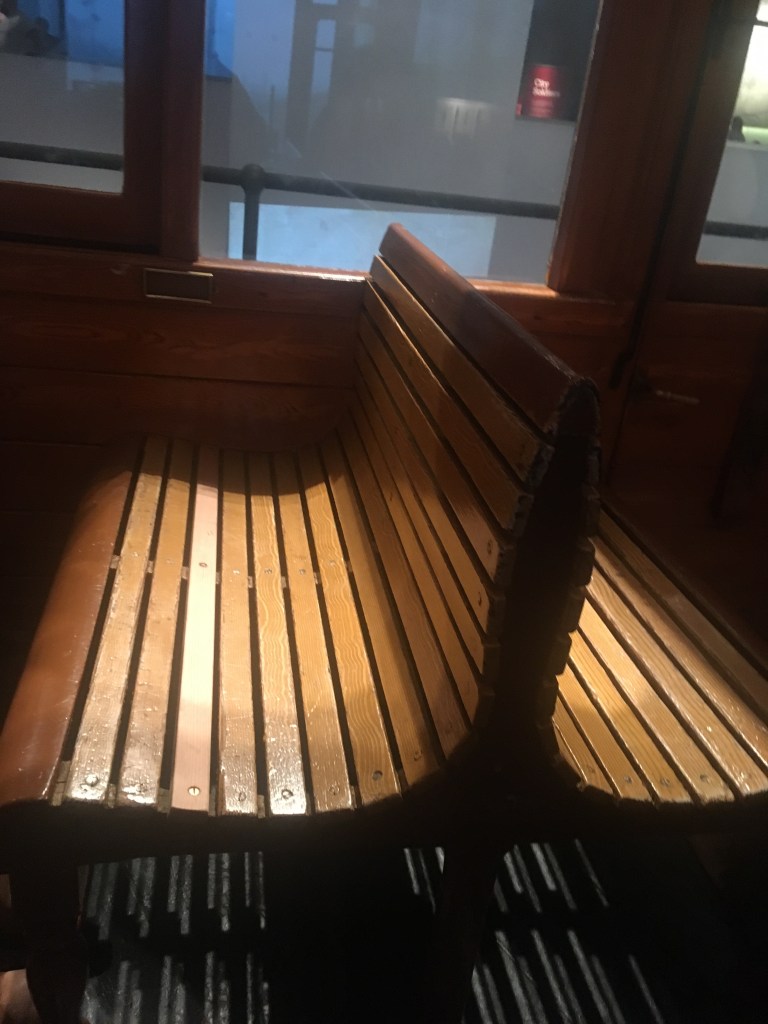
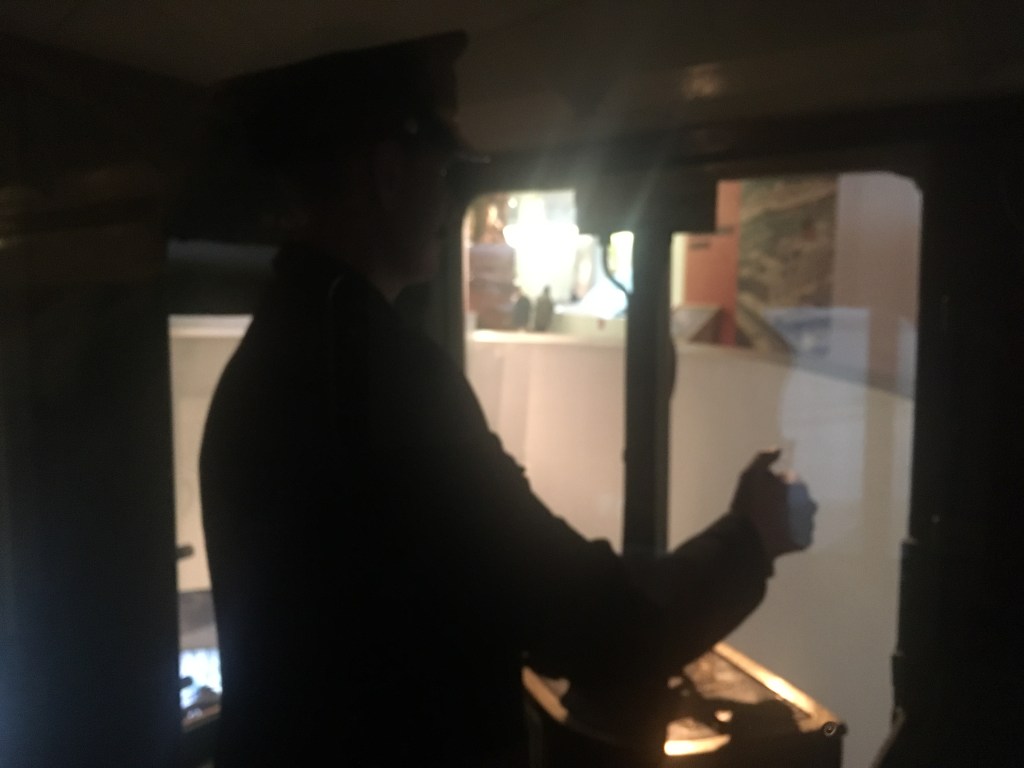
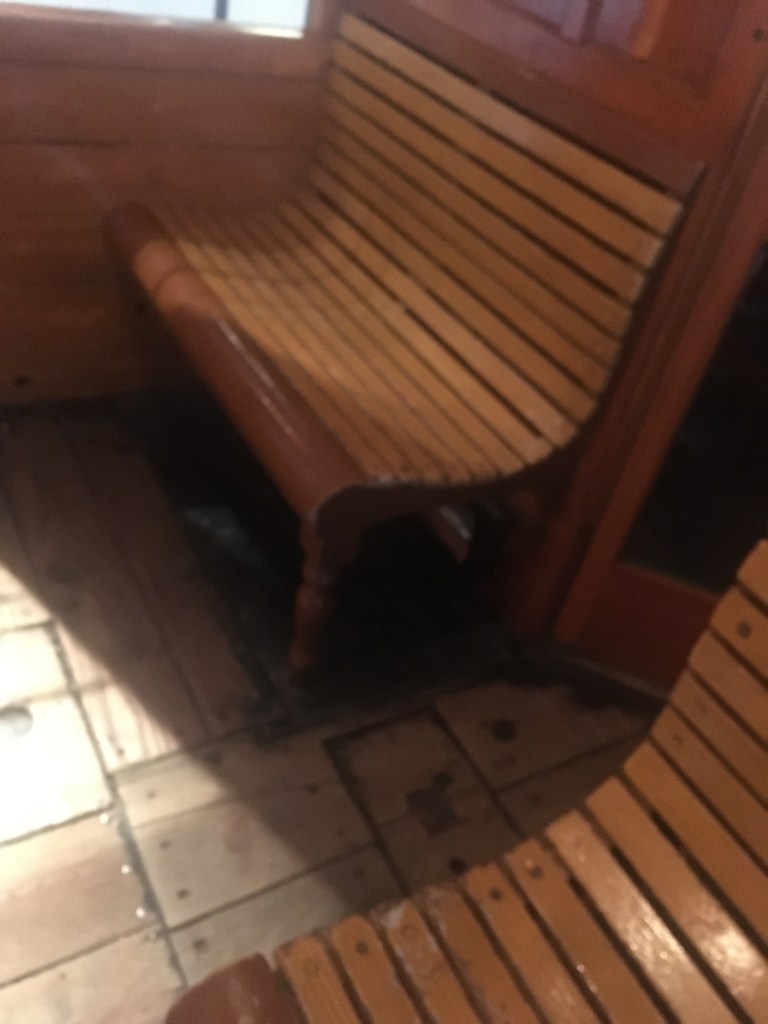
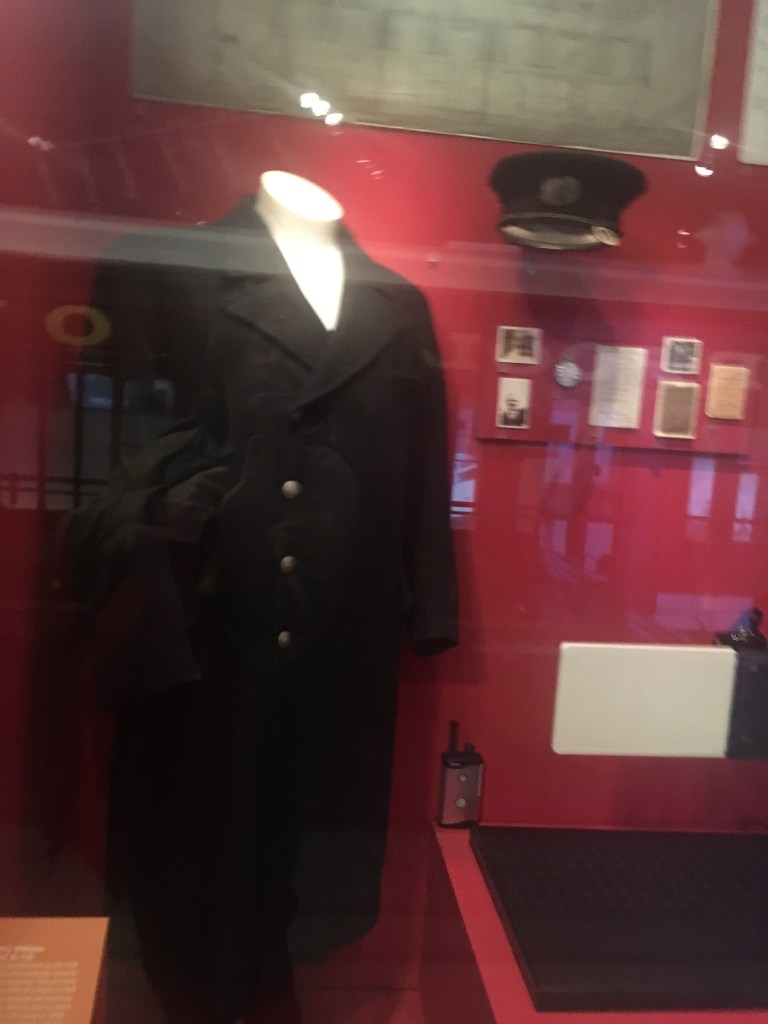
The seats, curved slatted wooden benches, were actually quite comfortable, this was a very well built machine. Two thirds of the carriage were inaccessible, but the mannequins in period dress posed behind the glass gave a good impression of what it was like in the fifties.

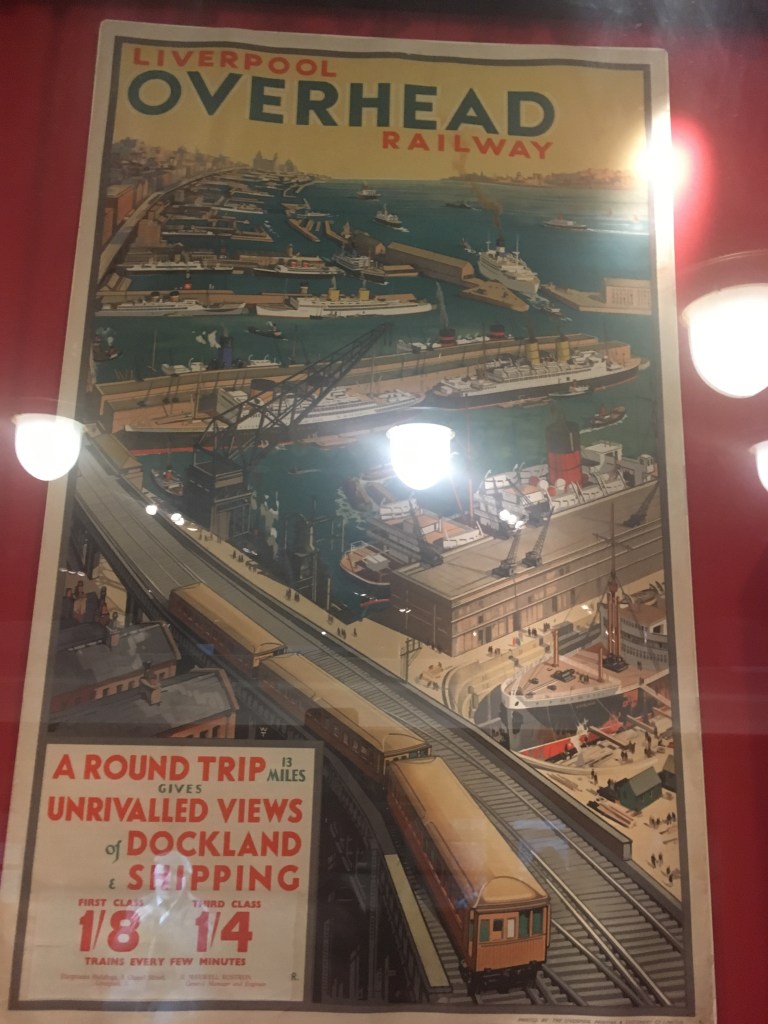
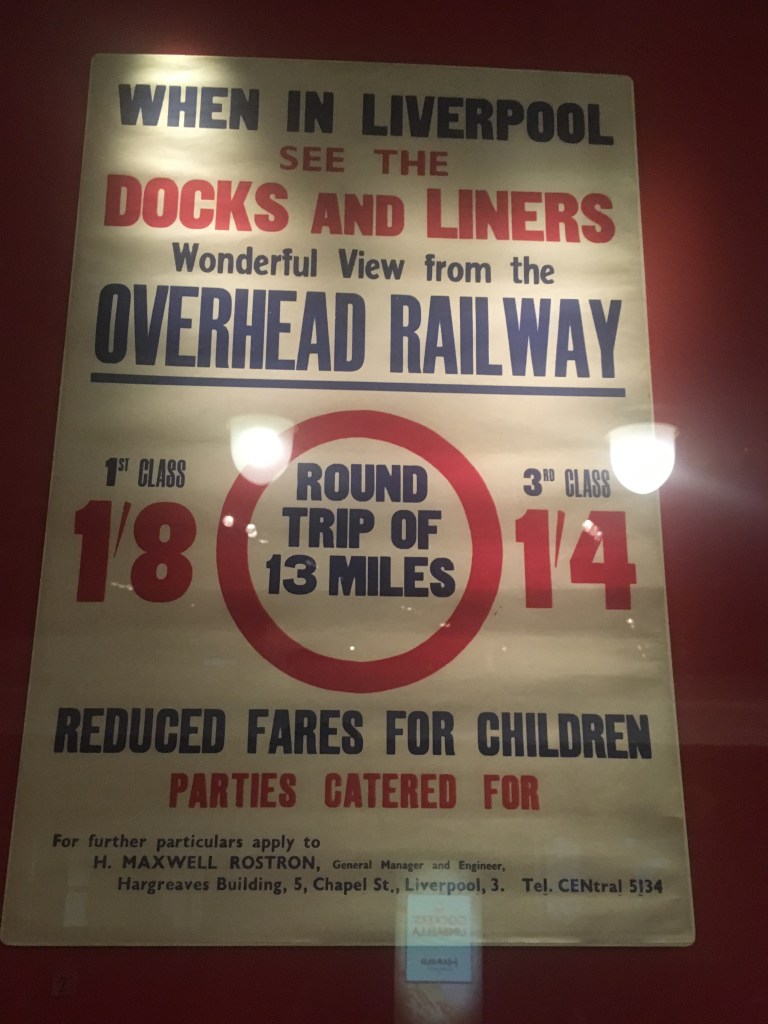
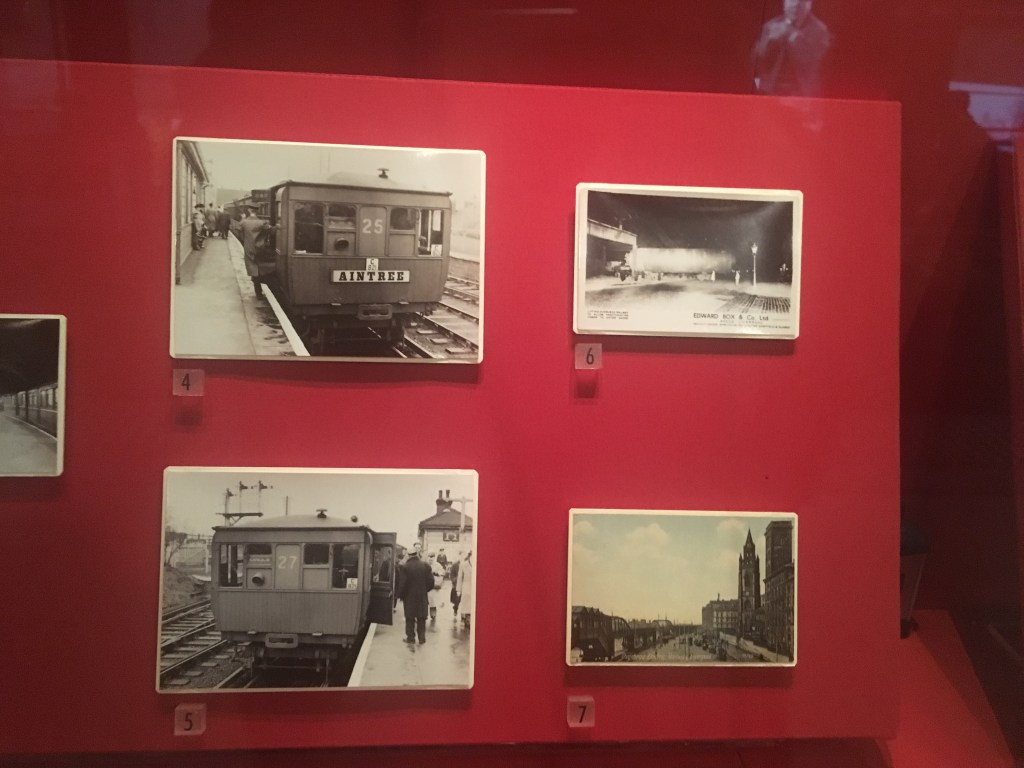
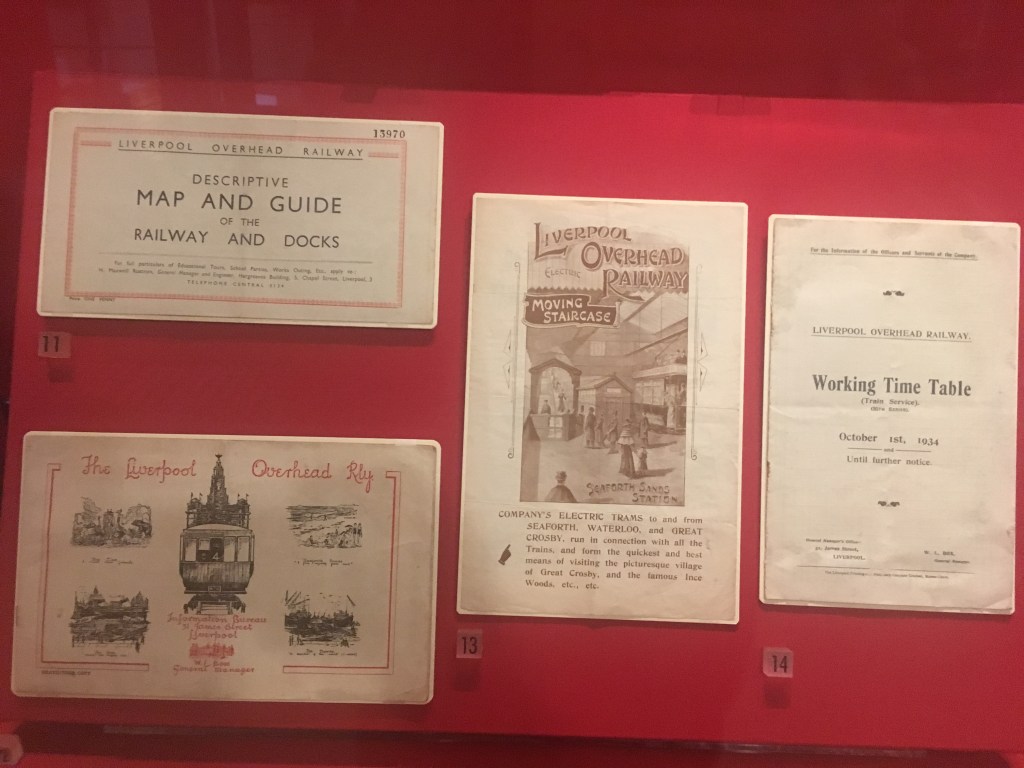
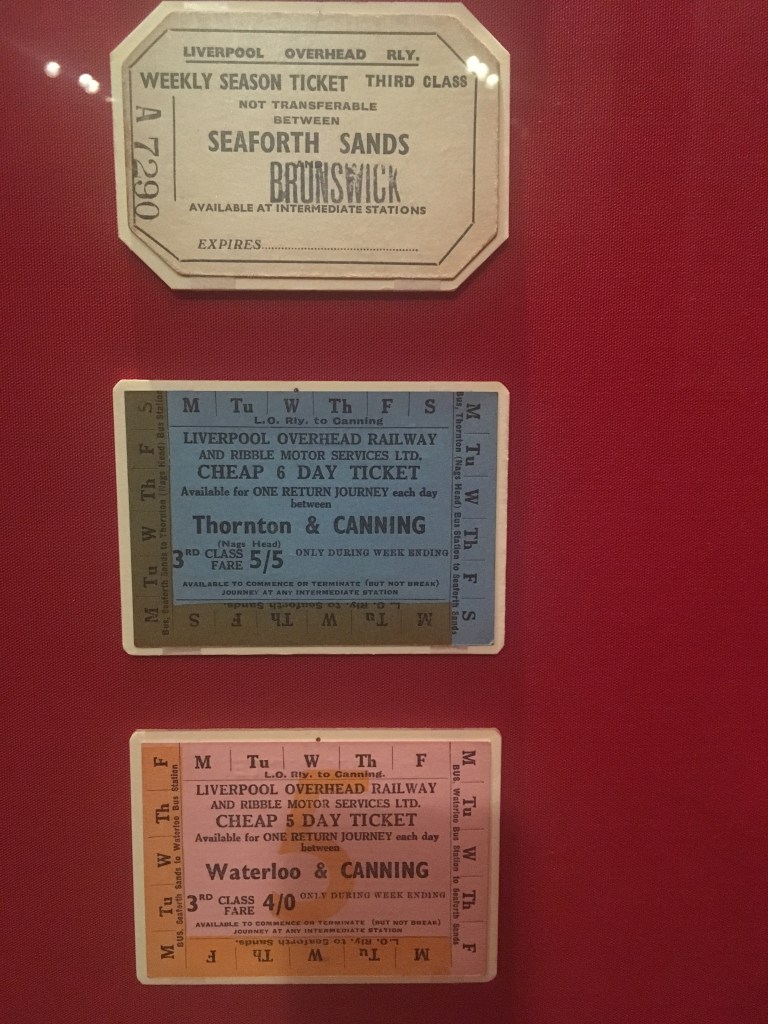
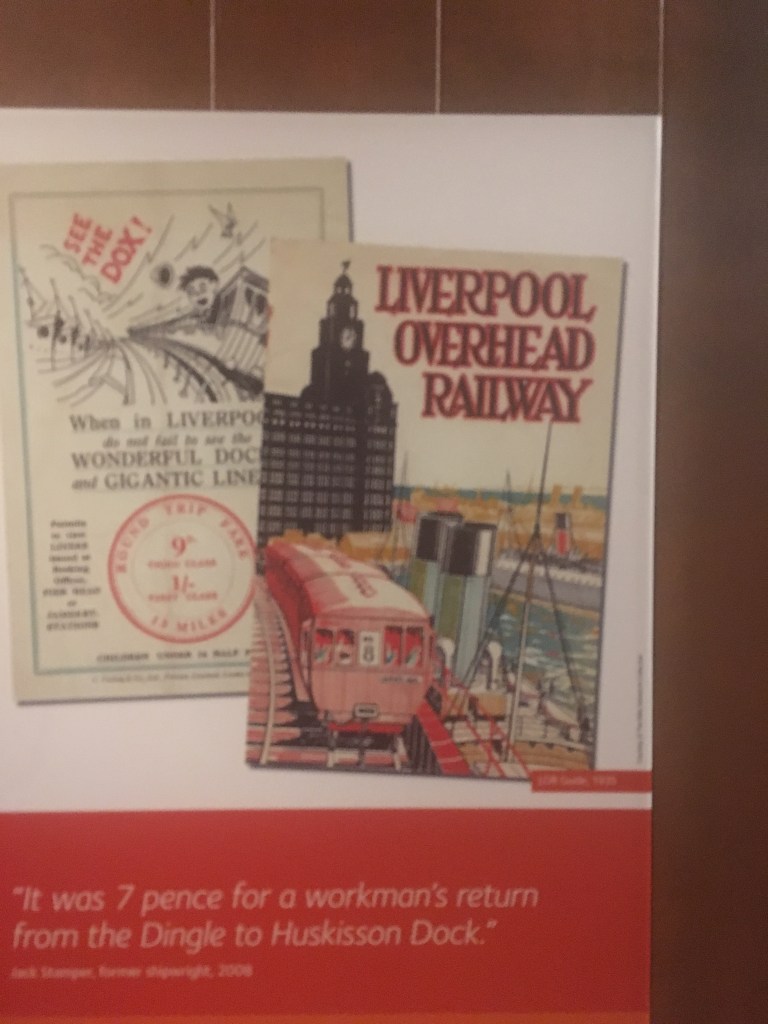
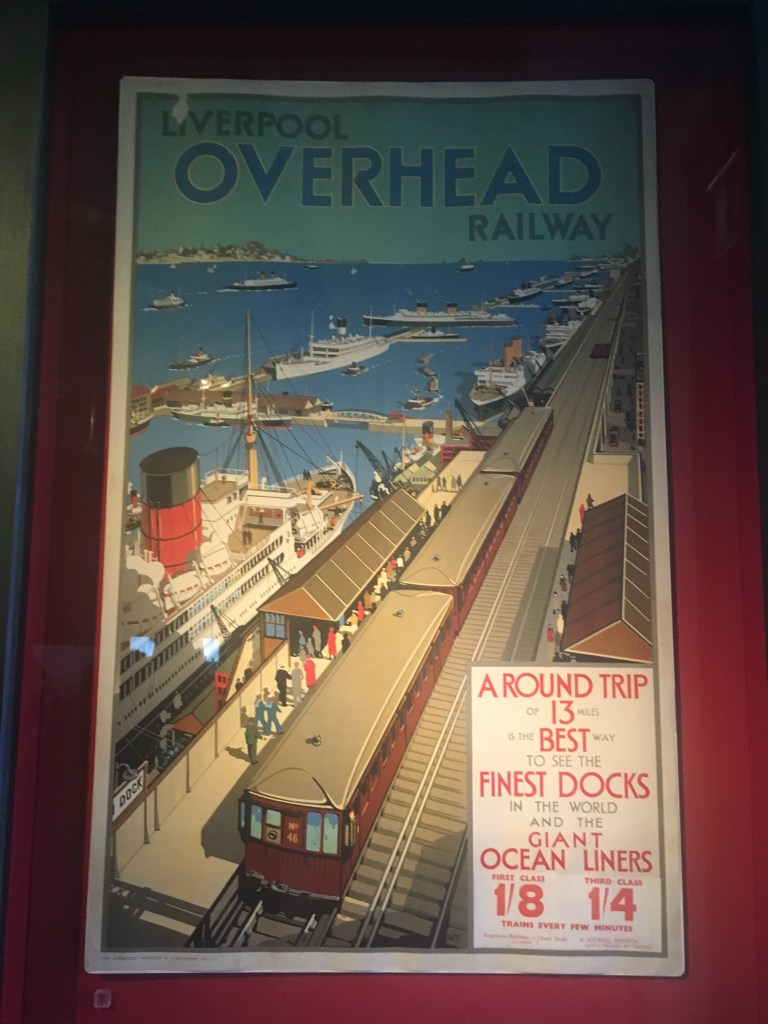
Around the carriage display, there are information panels, posters and memorabilia. Its a great shame that this railway didn’t survive and would be a great transport solution for Liverpool and tourist attraction in itself. Unfortunately, when the line was closed in the 1950s, the dock was in decline and the private motor car was in ascendance. Railways and tramways were being replaced by buses and the infrastructure being torn down. Even if there was an appetite to save this railway, the decades of steam and acrid smoke from the dock engines on the railway beneath had caused substantial damage to the iron structures and full replacement was never going to be feasible.

This was a great loss to Liverpool, and the country, but like all of the beloved railways of yesteryear, this one lives on in our imagination.

Further Reading

Read more of our train posts on our Wheels of Steel page, and more travel posts here.

Start a Blog at WordPress.com.

Up ↑