Sunday mornings for me of late have become a sort of sedentary stay in bed and generate AI art for a while type affair. Are we allowed to call it art? Dunno.
I have been thinking much lately, not least because I’ve been researching it, the lost ancient knowledge, or rather, what we can discern of it from the scraps of evidence that survived the passage of time thus far.
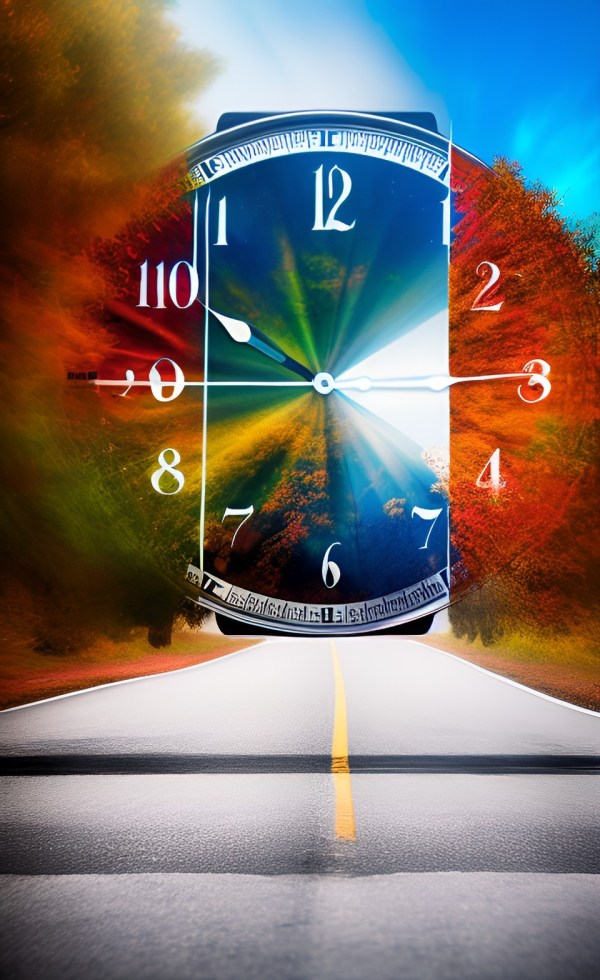
I wondered what the AI might tell me about the various ages of the zodiac. Aquarius is in ascendance, and the transition is often met with new dawns born of painful endings.
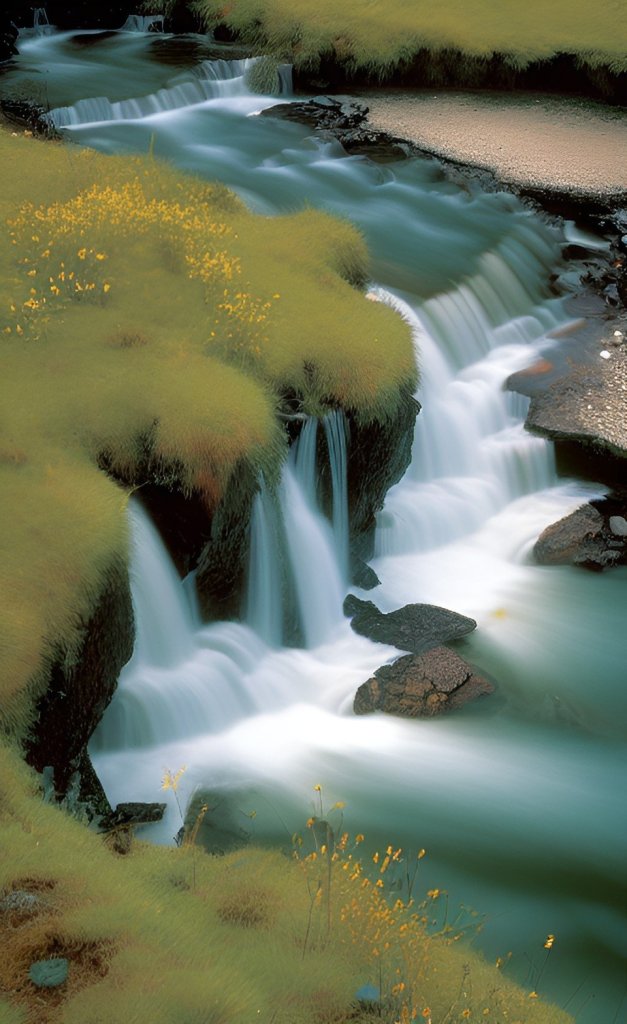
So what does Age of Aquarius mean to the AI?
It’s all a bit psychedelic and blended with Eastern mysticism. Hardly surprising.
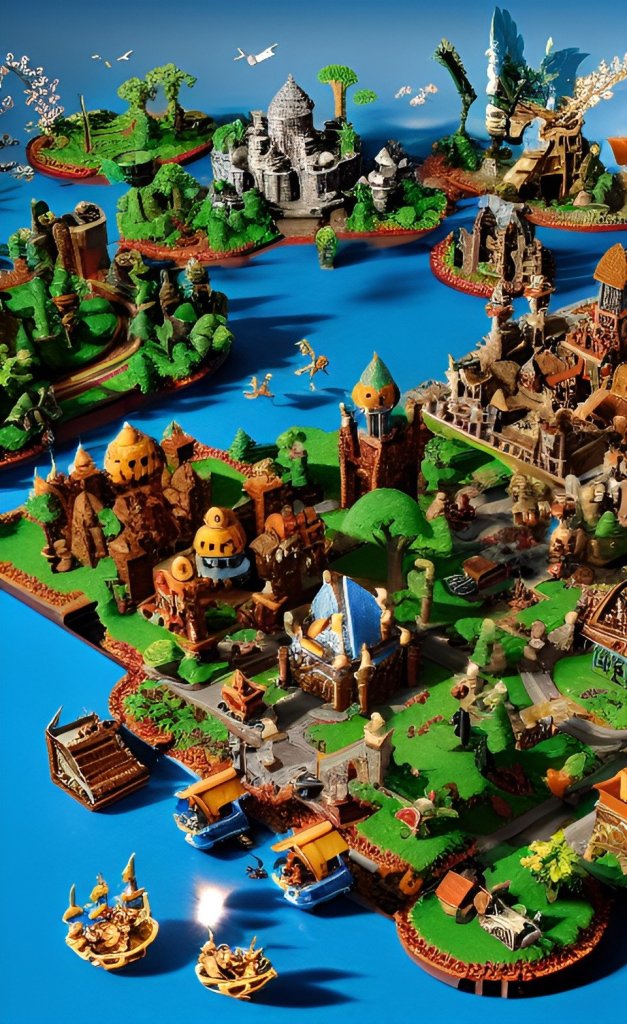
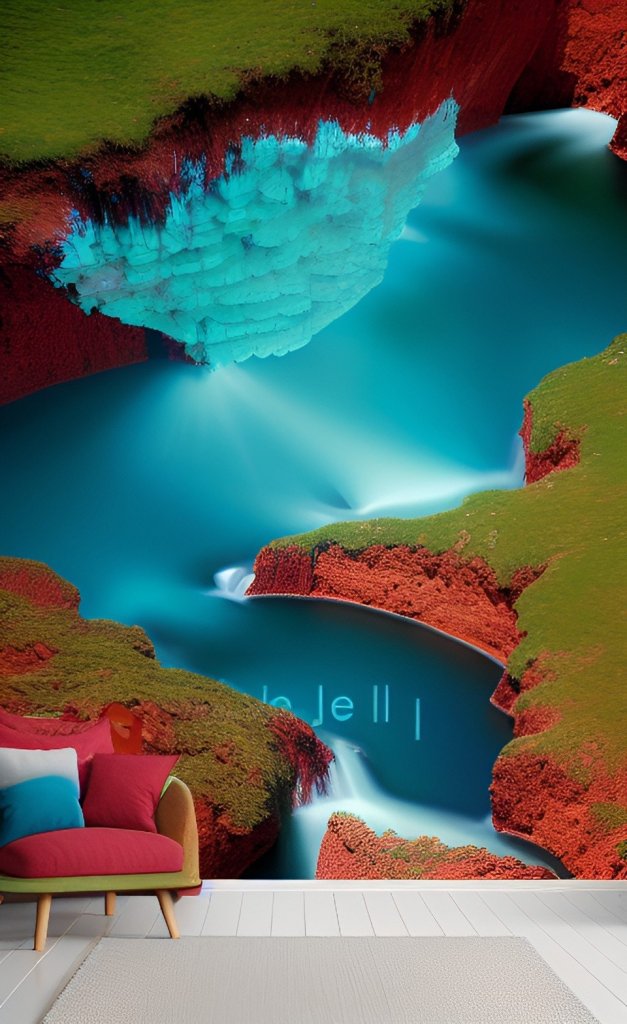
Age of Taurus?
Age of Taurus, the Bull, from 4300 bce to 2150 bce, is a much different affair. It was the dawn of the iron age, and growth of civilization, and cows.
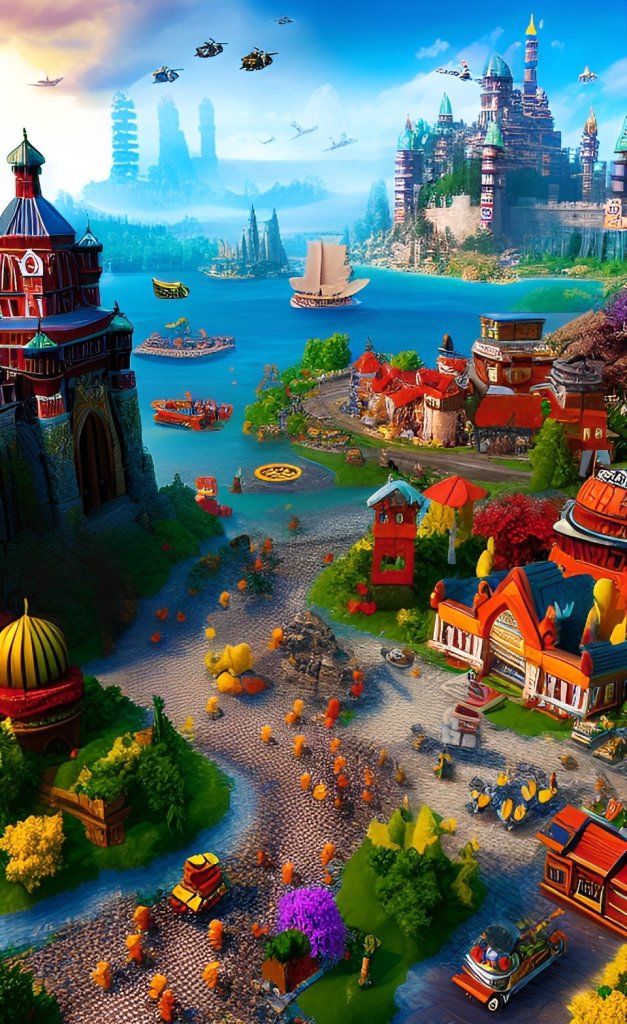
The Age of Pieces?
Pieces, the current astrological period began in year 1, and will run to 2150, at which point something cataclysmic may or may not happen. Curious imagery, looks like a video game. The age of Christianity and fish, not really getting that from the AI.
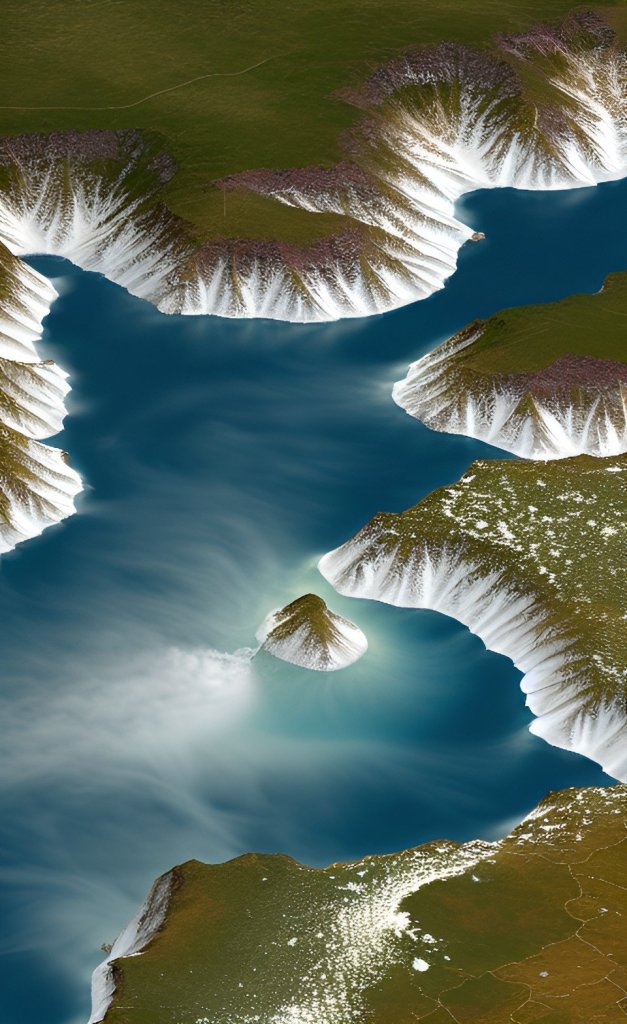
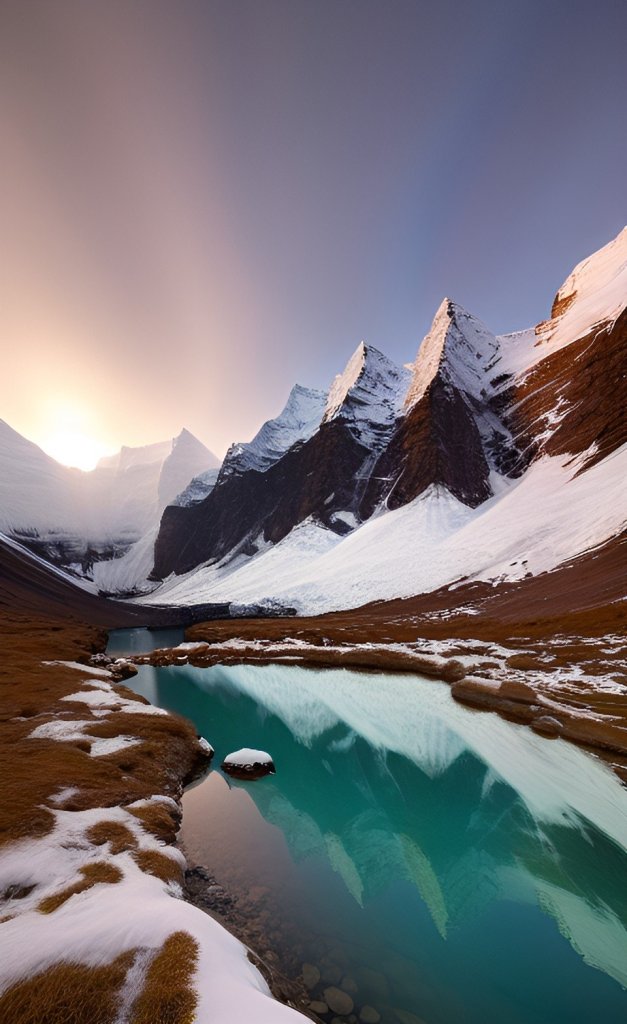
Next I tried Virgo, my own sign.
The Age of Virgo is duller than I imagined. It ran from 13000 to 10750 bce, the Younger Dryas period, the time as the great floods that reshaped the geography and climate across the planet. Maybe this is more representative of the next Age of Virgo in around 12772 AD.
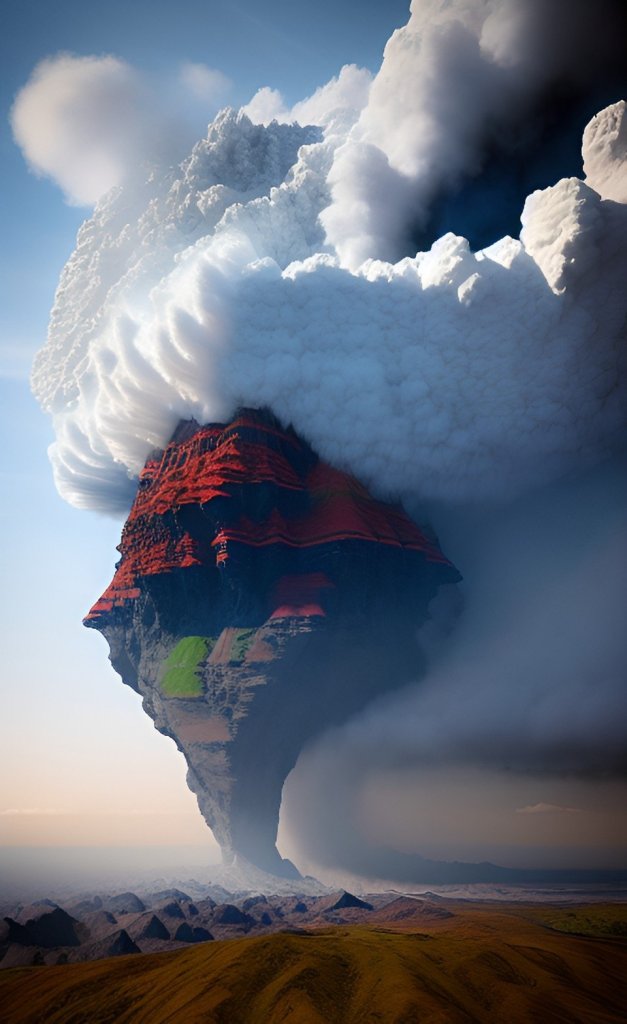
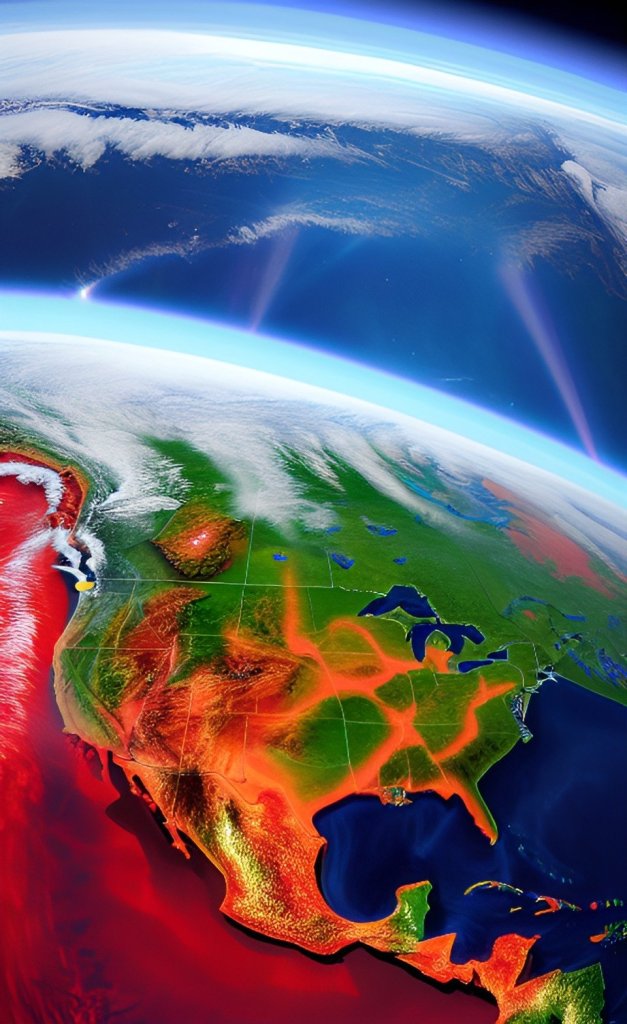
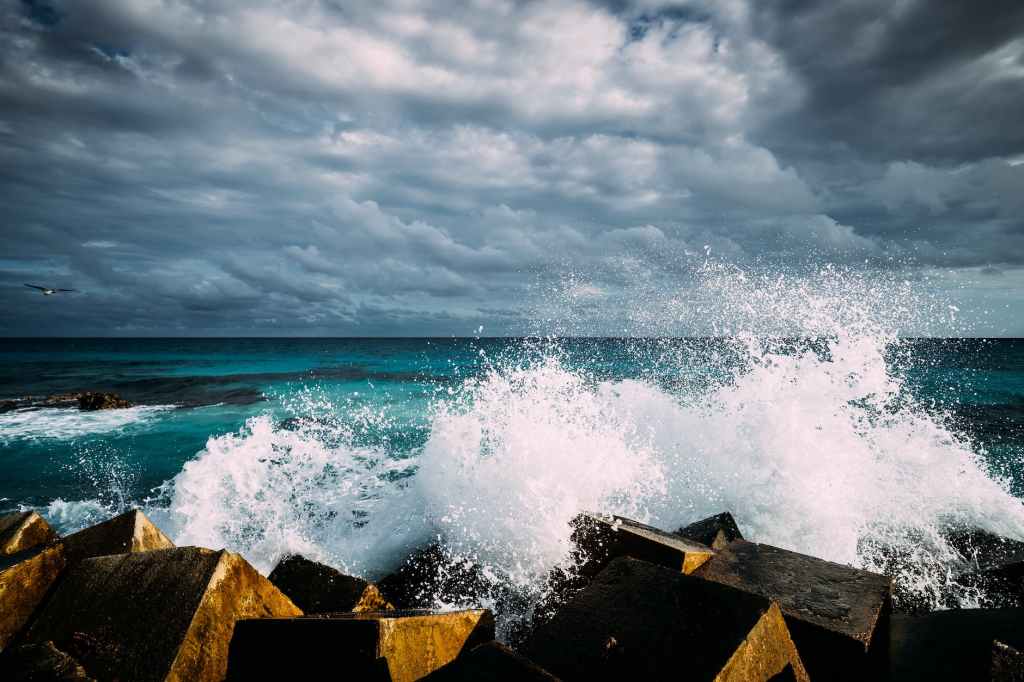
Out of interest, I wondered what AI might know of the Younger Dryas period and it gave me scenes of melting ice, which is accurate I think.
And with the addition of the word ‘catacylism’ we get more end of the world stuff.
These don’t tell me anything, the AI doesn’t know anything that we don’t already know, but it’s a fun way to spend a Sunday morning in bed, coffee to hand.
You know that feeling you get when something doesn’t ring true? I’ve been getting this a lot lately and I’m almost embarrassed to mention it in case I be carted off to the loonie bin.
There are certain indisputable facts on which all can agree. Such as modern Humans, people just like us, having existed well in excess 200,000 years, closer to 300 with more recent discoveries. We also know from the evidence available that the last ice age ended about 12000 years ago, abruptly, and with catastrophic sea level rise.
History doesn’t have much to say about the ice age because there are no written records of it, but stories of massive destructive floods have been passed down through oral tradition, but because no one thought to write it down at the time they can be easily dismissed as myth, campfire stories invented to entertain the tribefolk in the long winter months or something.
So the story goes, that modern humans, homo sapiens, appeared on earth about 300,000 years ago, give or take, and lived a hunter gatherer lifestyle for about 294,000 years, give or take, until about 6000 years ago, when there was a spark of creative genius and they invented religion, agriculture, writing, and architecture, practically over night. At this time they built massive structures, way beyond our capability to explain, nevermind replicate, all over the world, and then forgot how to do it.
These people were very clever but they had not yet fully understood the importance of documenting all of their developments.
So we know that writing was invented 6000 years ago because that’s how old the oldest discovered writing is. People wrote on stone tablets because they had not yet invented paper, which is lucky because stone tablets have a greater longevity than parchment.
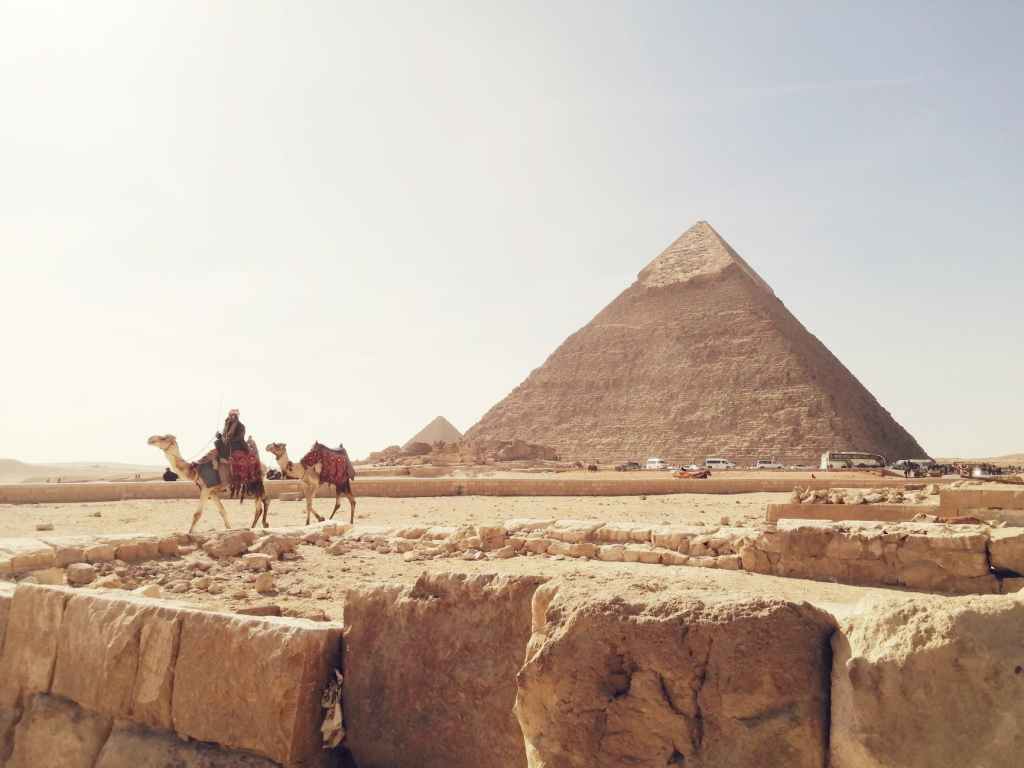
But this is where I struggle. The pyramids are an iconic mystery but their origin doesn’t seem to be up for debate even though the evidence is tenuous at best. There is a bit of graffiti inside the great pyramid that bears the name Khufu, and that is the only tangible thing that can be used, without it, there is no connection to the Ancient Egyptians apart from them being present in ancient Egypt.
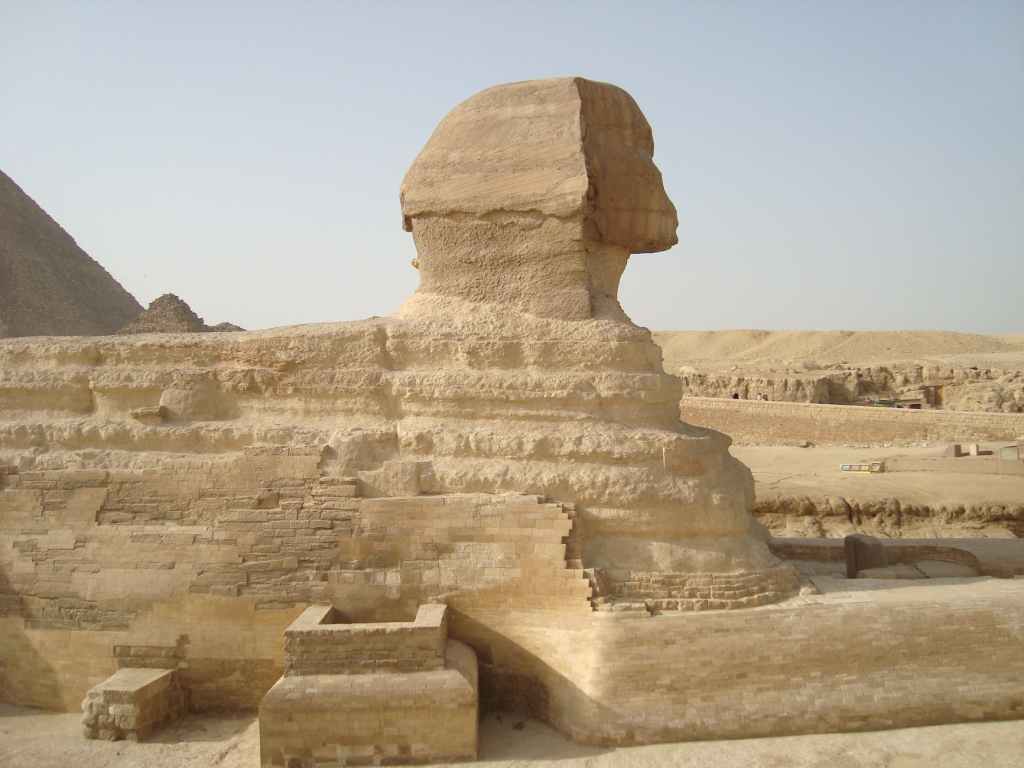
The Pyramids are one thing, but the Sphinx was also supposed to be built around the same time, even though it’s clearly weathered by thousands of years of precipitation. I live in North West England, I know what water erosion looks like.
The general insinuation when you don’t readily believe that a statue carved out of solid rock in a desert can show signs of extensive water erosion is that you must be some kind of deviant.
“Well if the ancient Egyptians didn’t build the pyramids, who did? Aliens?”
It’s a hell of a stretch isn’t it? Accept their story, in the face of everything else you know, or get called a name. I don’t have any skin in this game, it’s fascinating to me, but if it doesn’t ring true, I can’t help but ask questions, it’s not my fault the evidence isn’t there.
All in all, I find it baffling that the cataclysm at the end of the ice age doesn’t factor more prominently into human prehistory. What’s more plausible? That humans sat on their hands for 300,000 years, and, at the last minute, and in isolated pockets across the globe, made astonishing leaps forward, beyond what we can fathom today, and then forgot. Or that Humans didn’t take 300,000 years to get their act together, and that by the end of the ice age they were doing rather well for themselves.
Anyone that has a lawn to maintain knows how quickly nature takes back any square centimetre that goes unattended. My garden shed is thirty years old and is rotting away. Soon there will be nothing left of it.
Forty years ago, when I was a young scally exploring my village, I felt the world was permanent. That everything was the way it always was, and I’d be amazed when parents told me about the olden days. I had no idea that my home was only a few years old, and I definitely had no idea that it too would be bulldozed just 20 years later, gone without a trace and replaced with more modern houses. The place is unrecognisable.
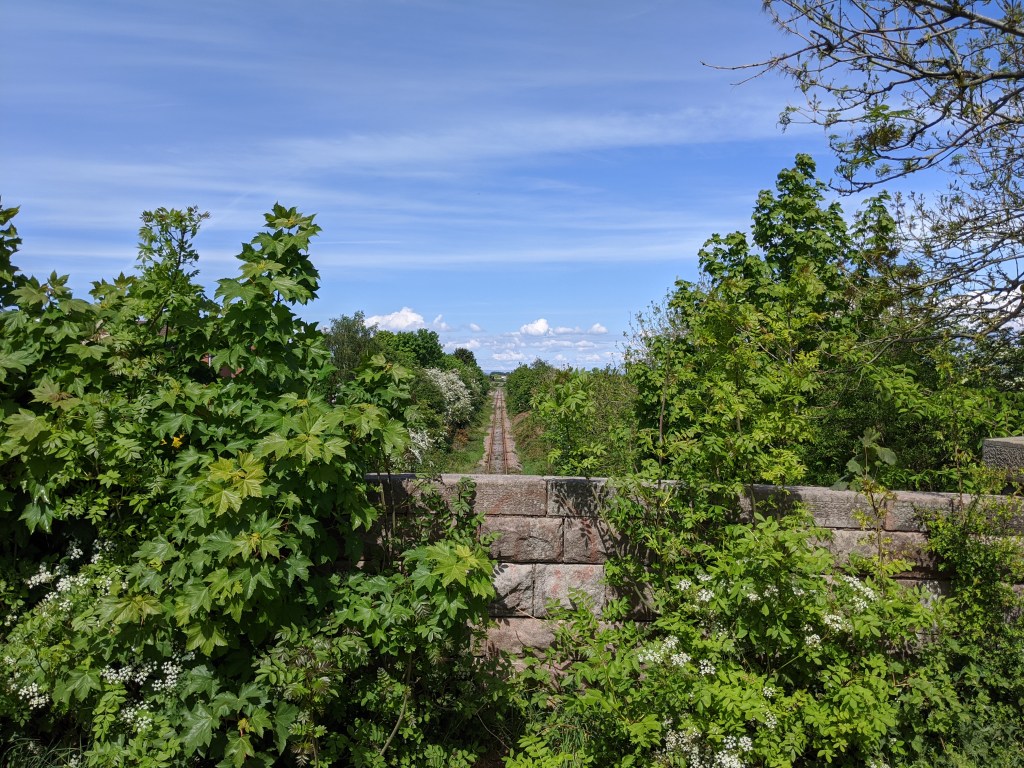
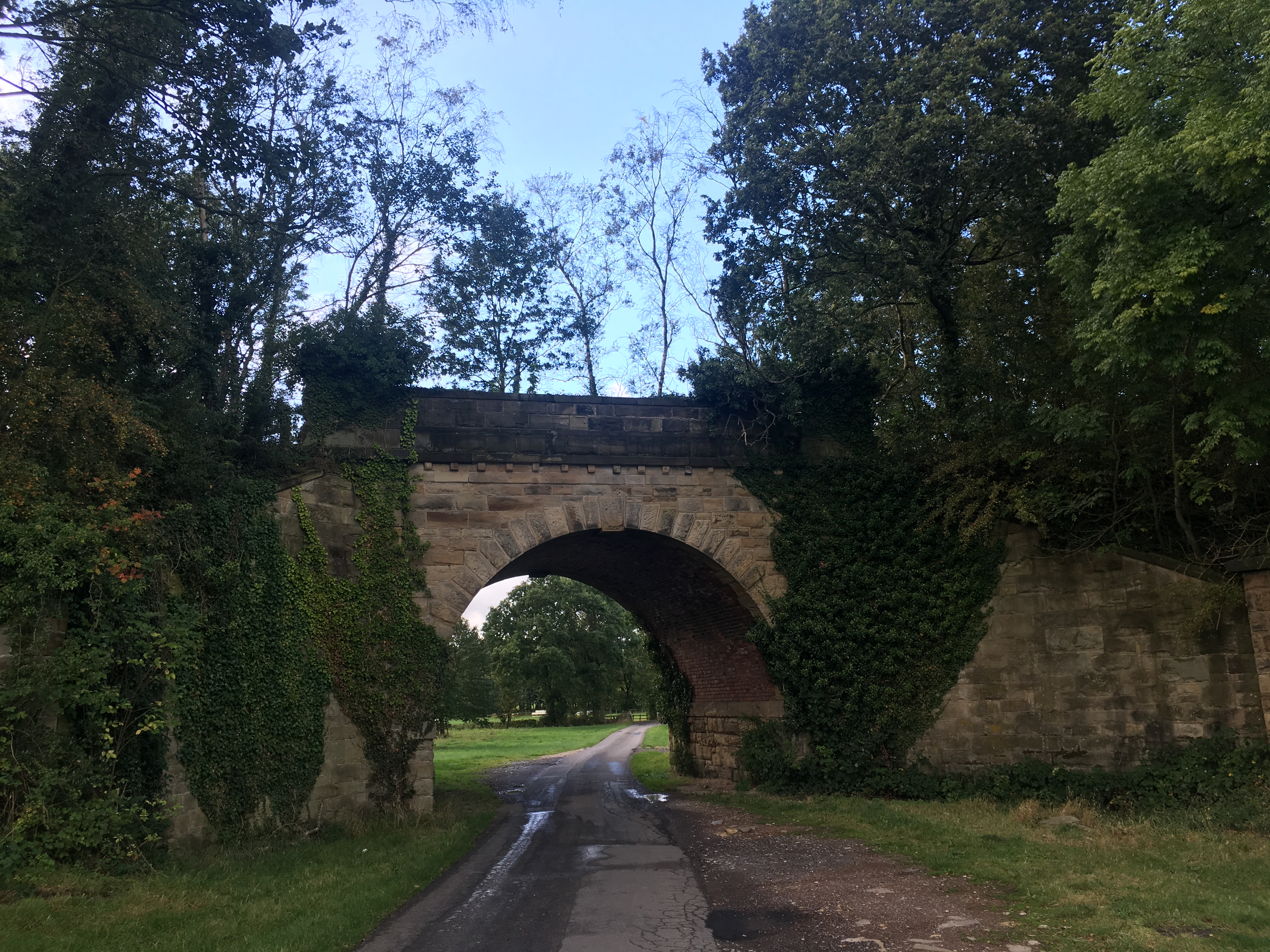
Back then I would play on a disused railway. The track was long gone and bridges were filled in. The cuttings themselves have been filled in since and the land returned to agriculture. The only trace of the railway ever existing is now in the maps, and a rough edge that can be seen by lidar.
These substantial changes in a small area happened within my own lifetime. What would remain after thousands of years? And what would survive the cataclysms? Ten million square miles of low lying fertile land was flooded at the end of the ice age. Who knows what went under the waves.
I don’t care either way, I just want a satisfactory explanation, and there are so many questions being ignored because they don’t fit. The experts appear to get cross when anyone says ‘but what about..?’. Doesn’t seem very professional.
Either way, I suppose that, in the end, time will tell.

























 Duggan's Dig