I have a story that I have been meaning to write for some time, a few actually, that are set in the old and smokey docklands of Liverpool, and to write these stories with any authority and authenticity, I need to establish an understanding of the period and setting. There is only so much that you can garner from books and archive films, and nothing beats a site visit. That was my excuse at least for dragging my wife and two children all the way to Liverpool to look at a train.
The train in particular that I wanted to see belonged to the Liverpool Overhead Railway, known colloquially as the Docker’s Umbrella. My digging told me that there was a preserved vehicle on Display at the Liverpool Museum, and probably a model railway too. Unfortunately the Model Railway wasn’t there, and I haven’t been able to track down the one that I saw at an exhibition a few years ago, but I’ll keep looking.
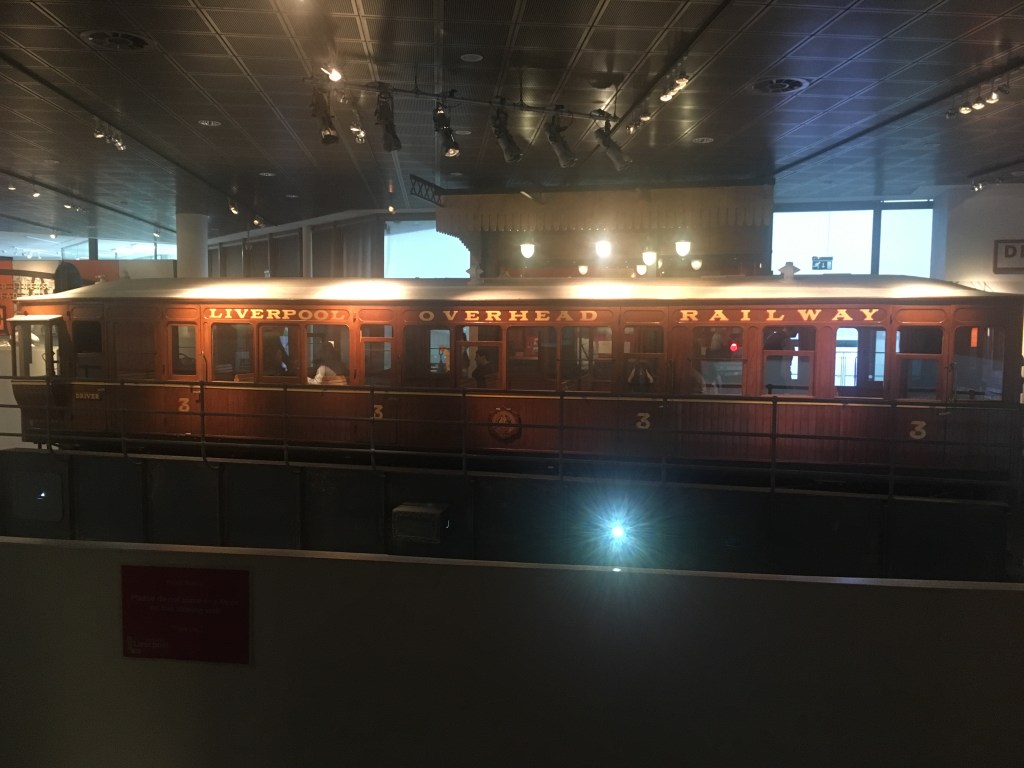
The lighting in the museum was really dim, and the spot lights caused a lot of glare and lens flare. J.J. Abrams would like it here.
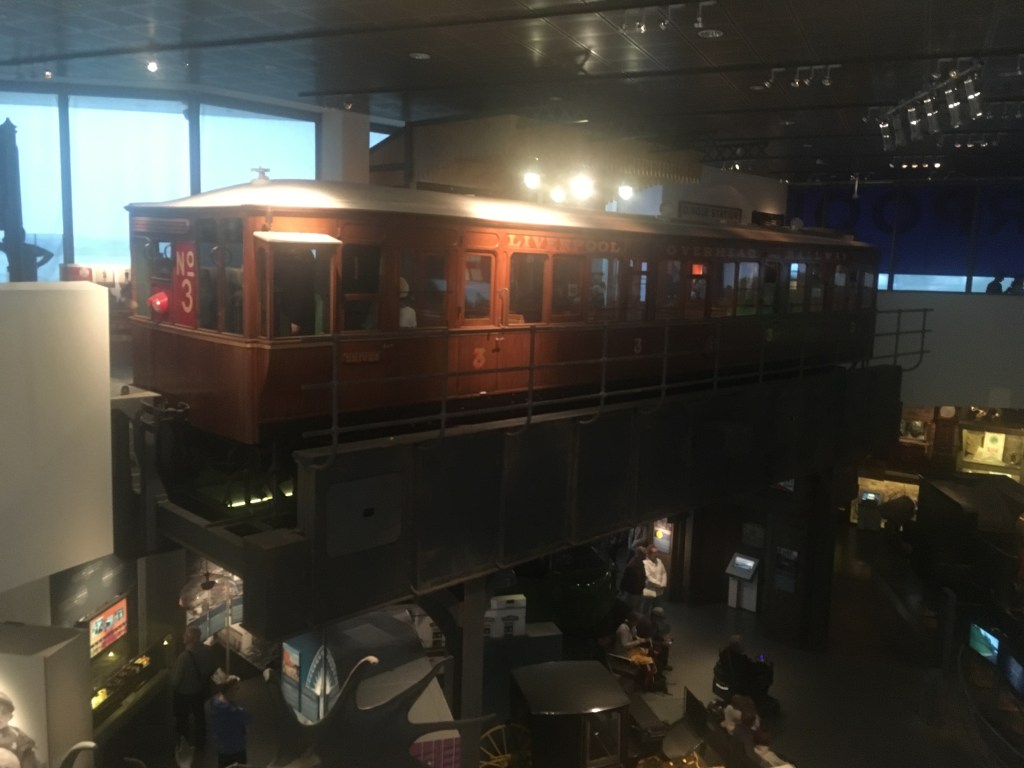
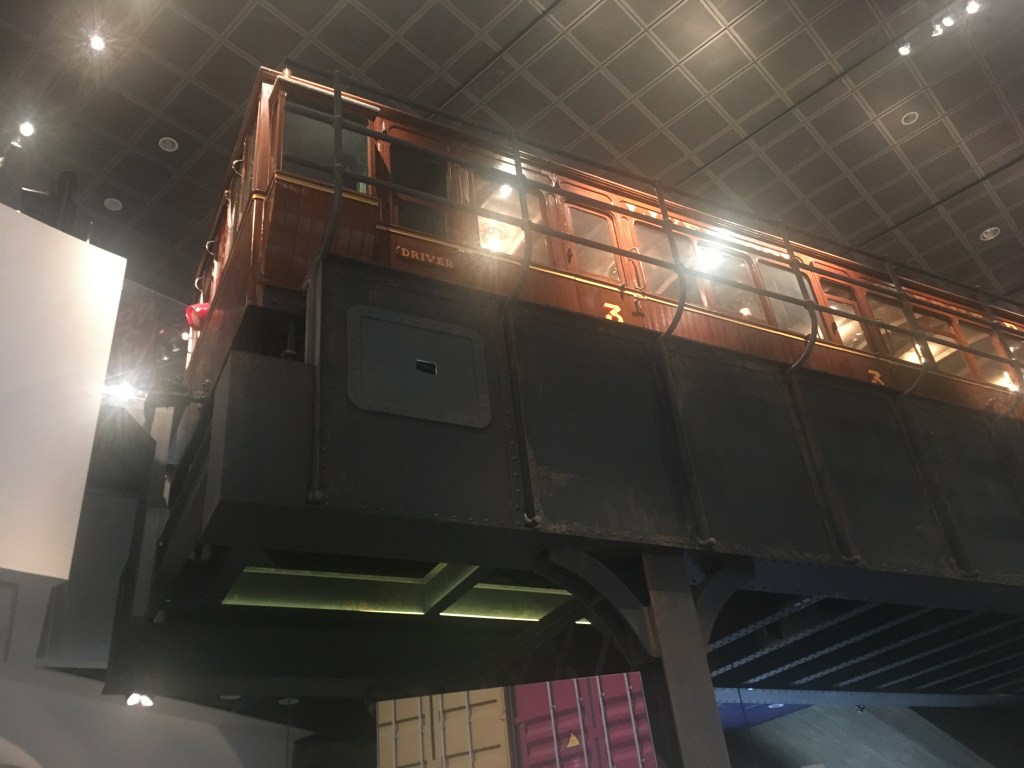
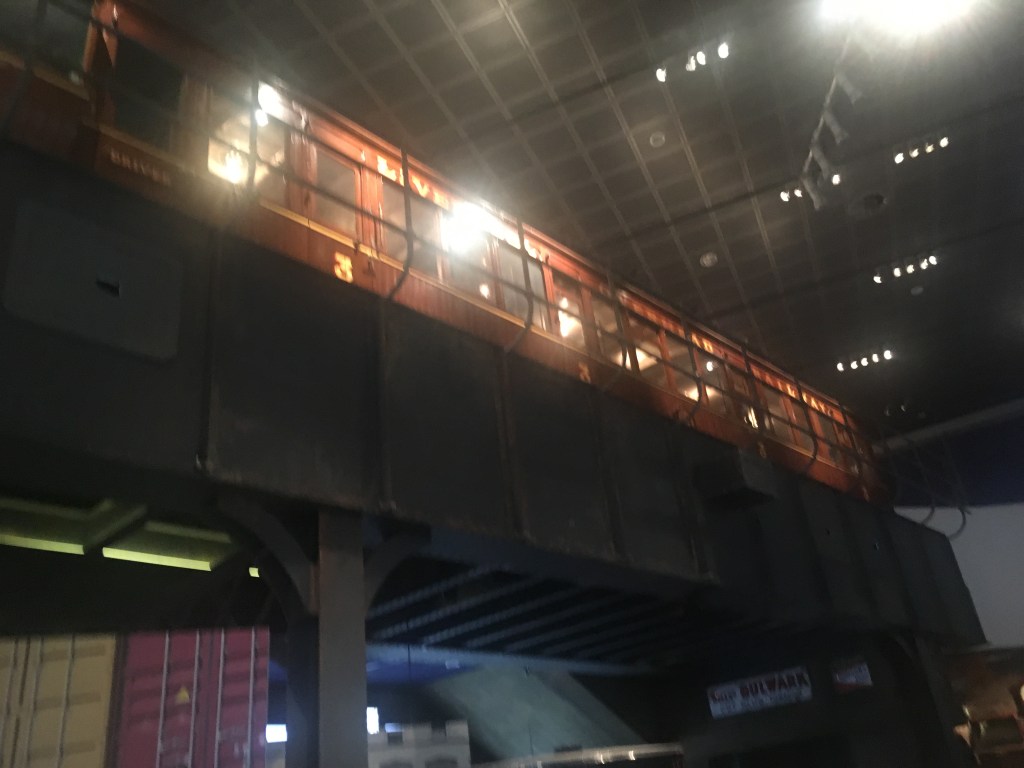
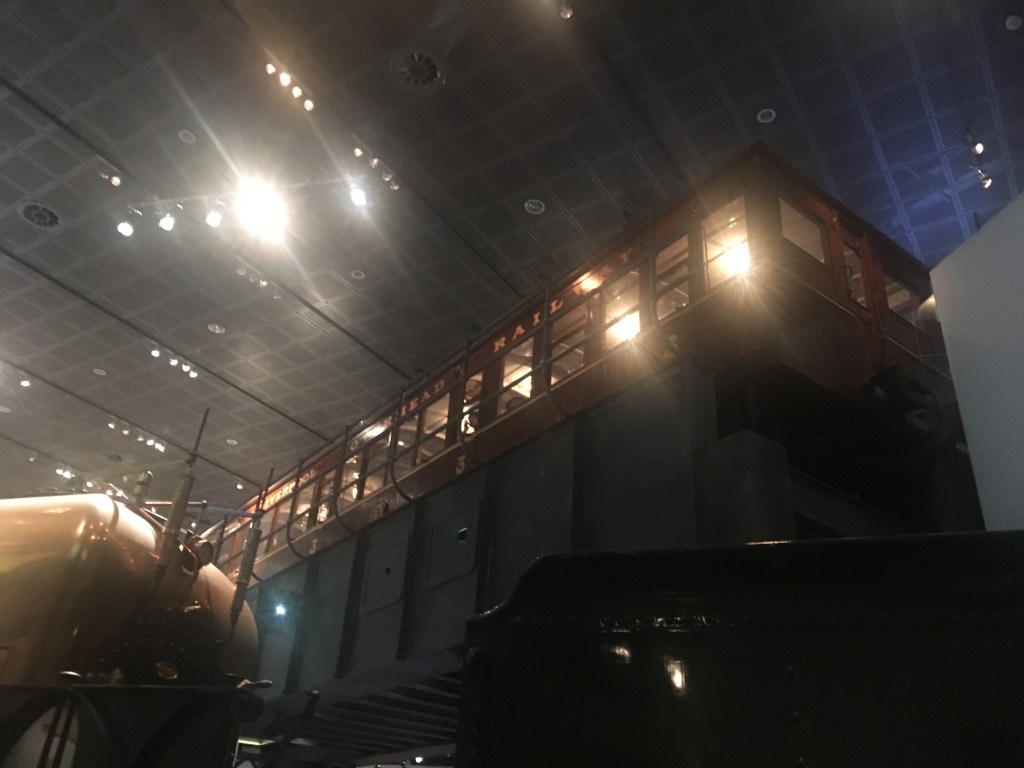
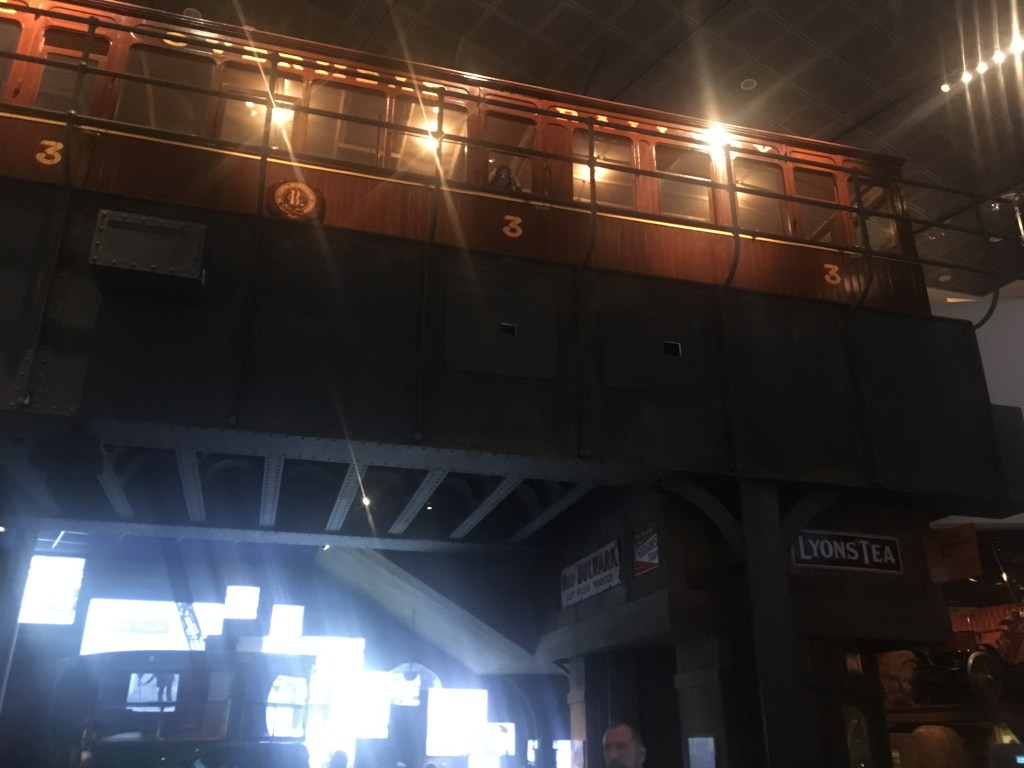
The view from beneath gives a good feel for what it might have been like to walk beneath the elevated track, and imagine the trains rumbling above our head.
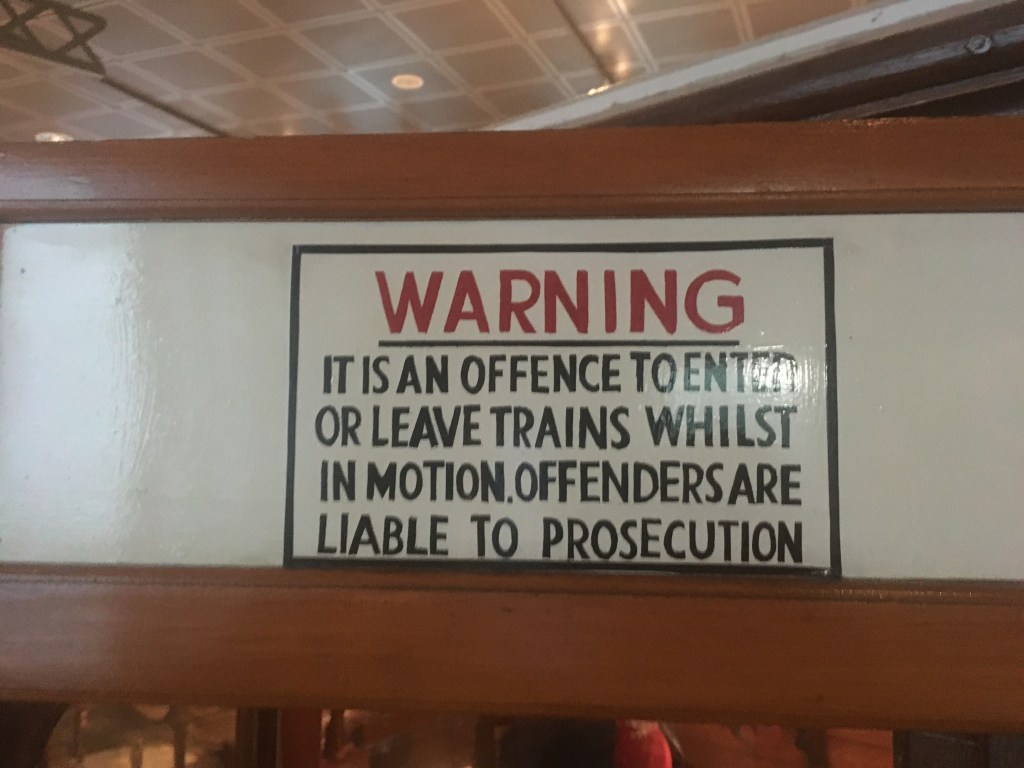
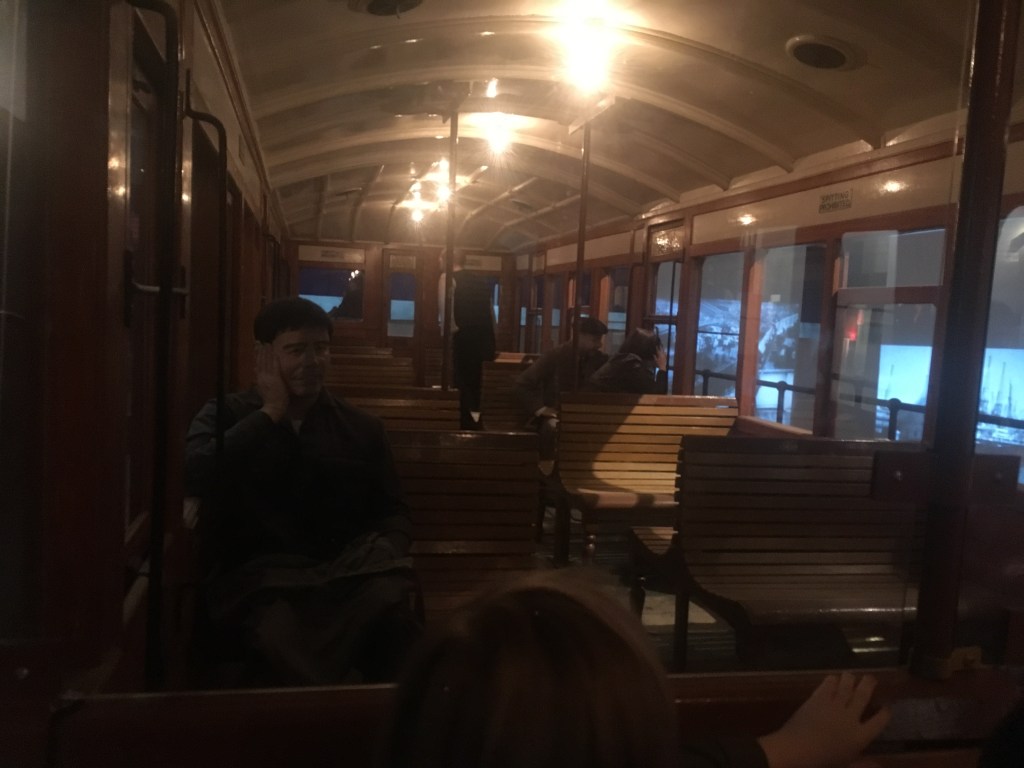
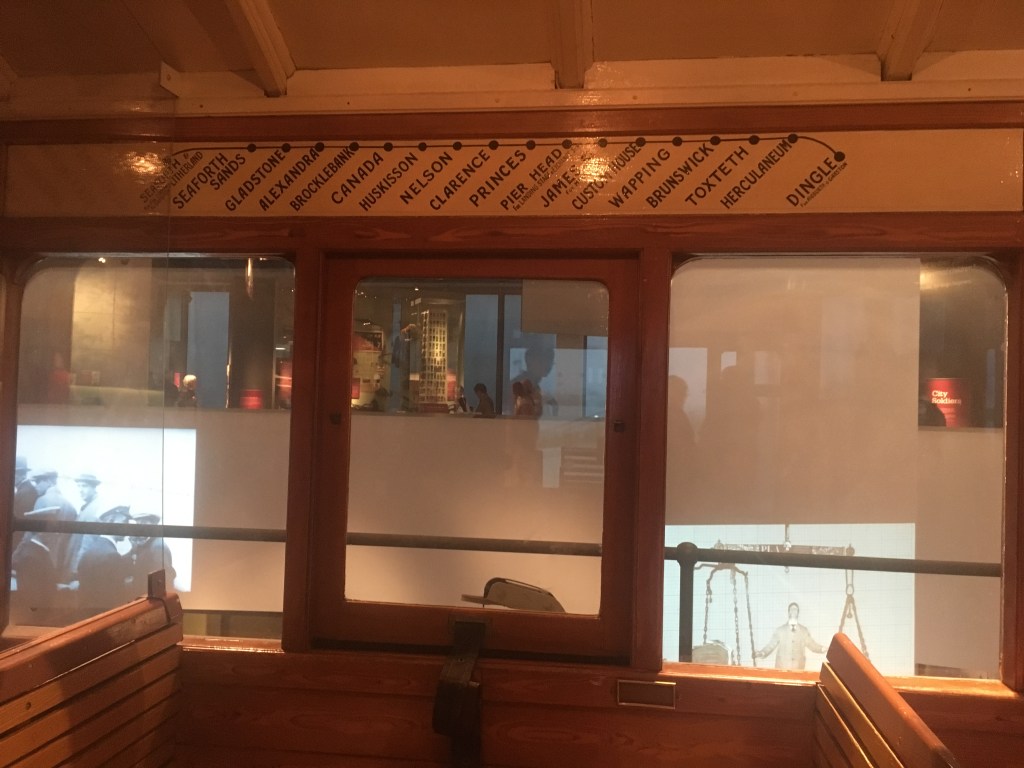
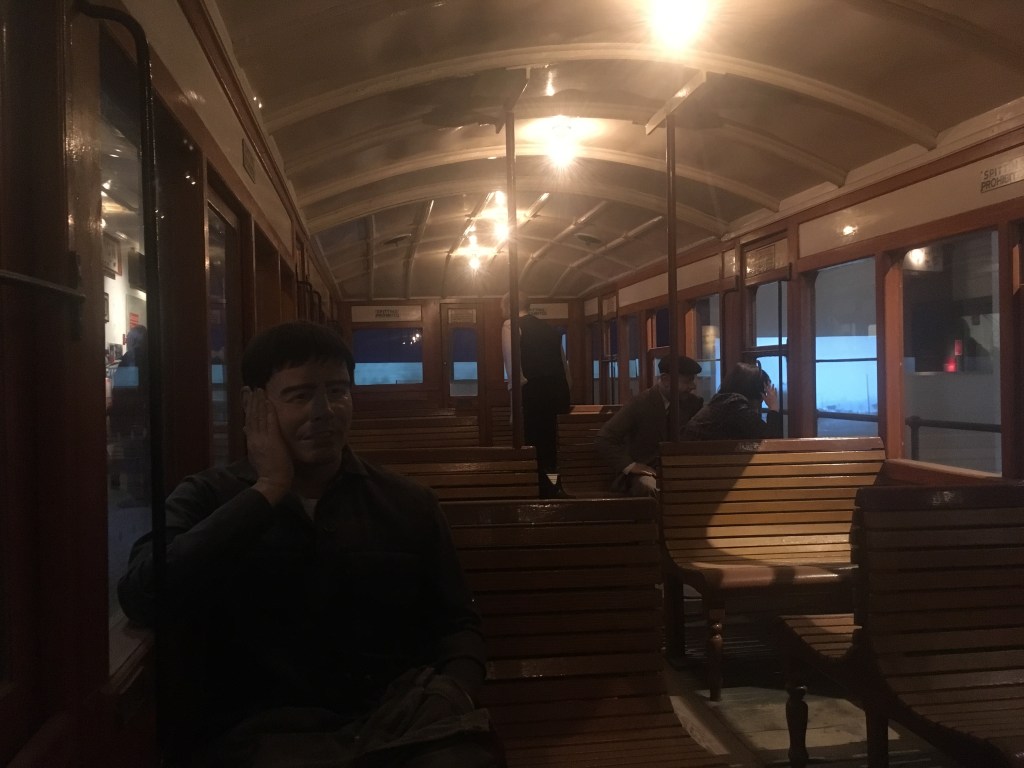
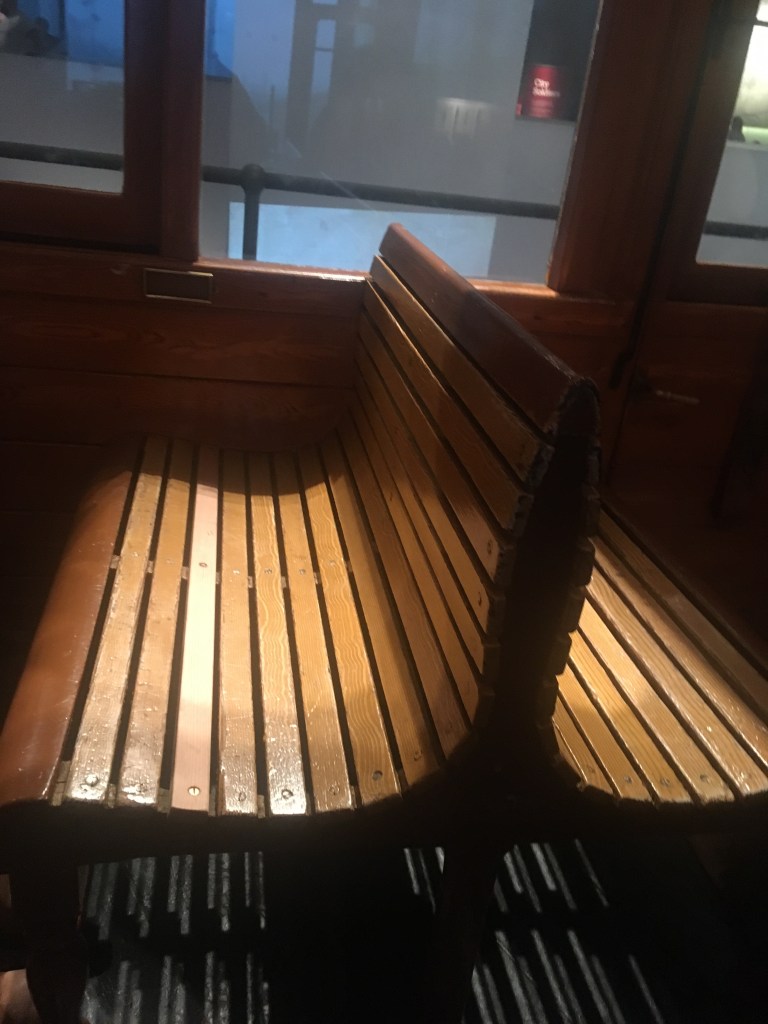
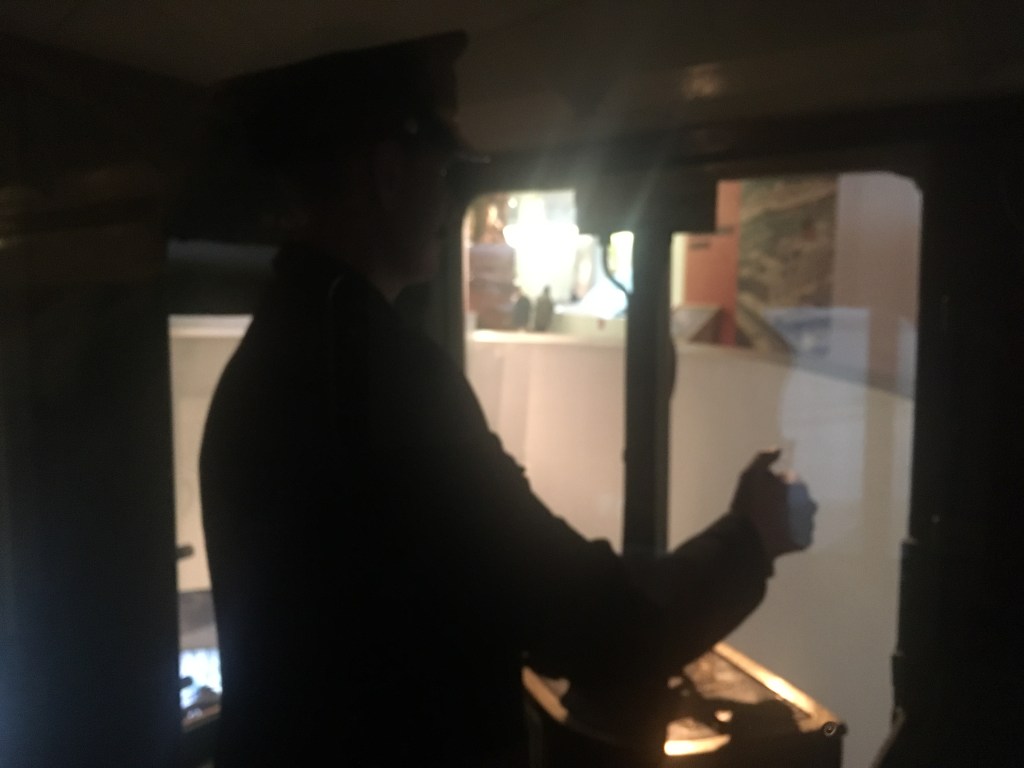
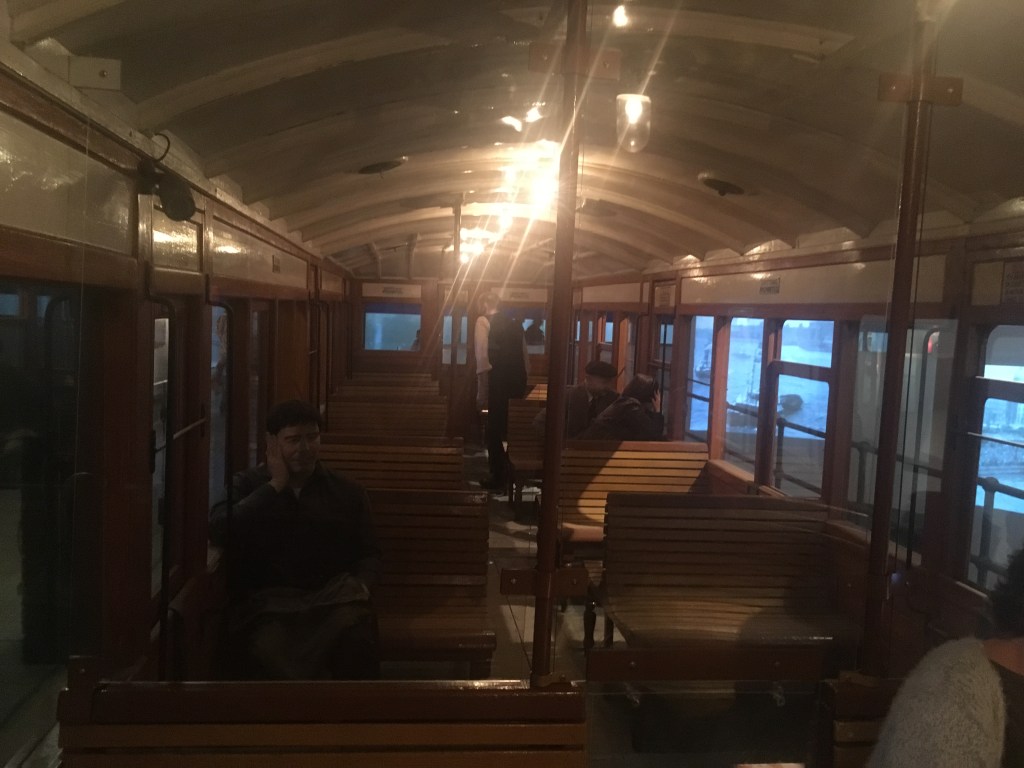
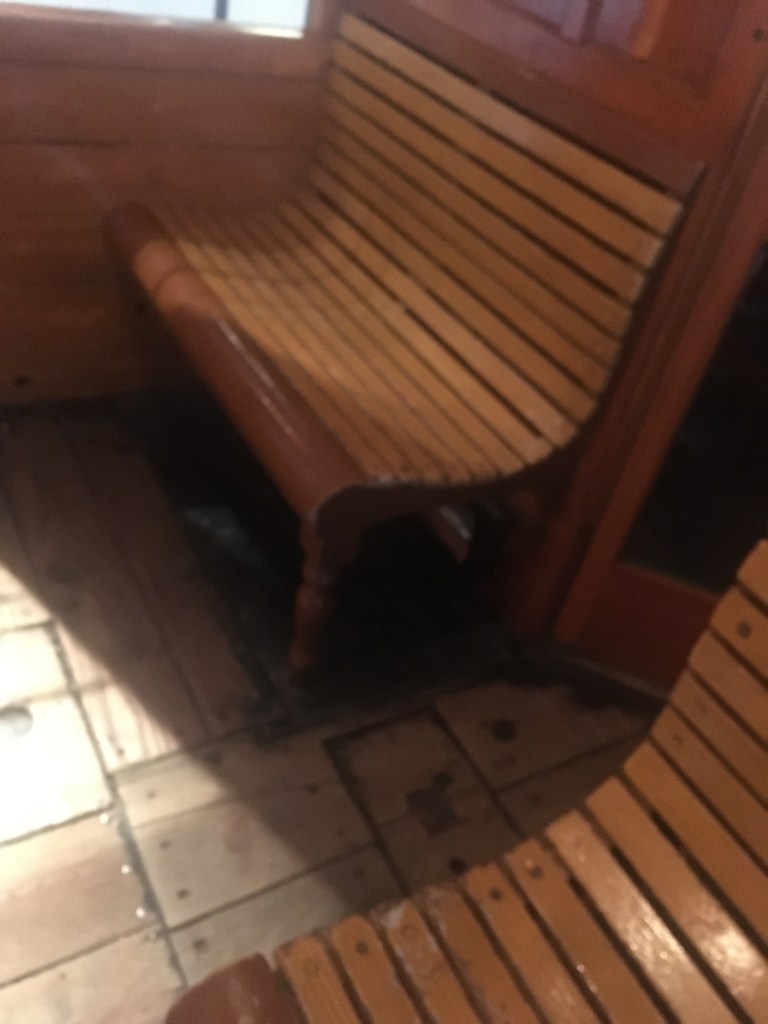
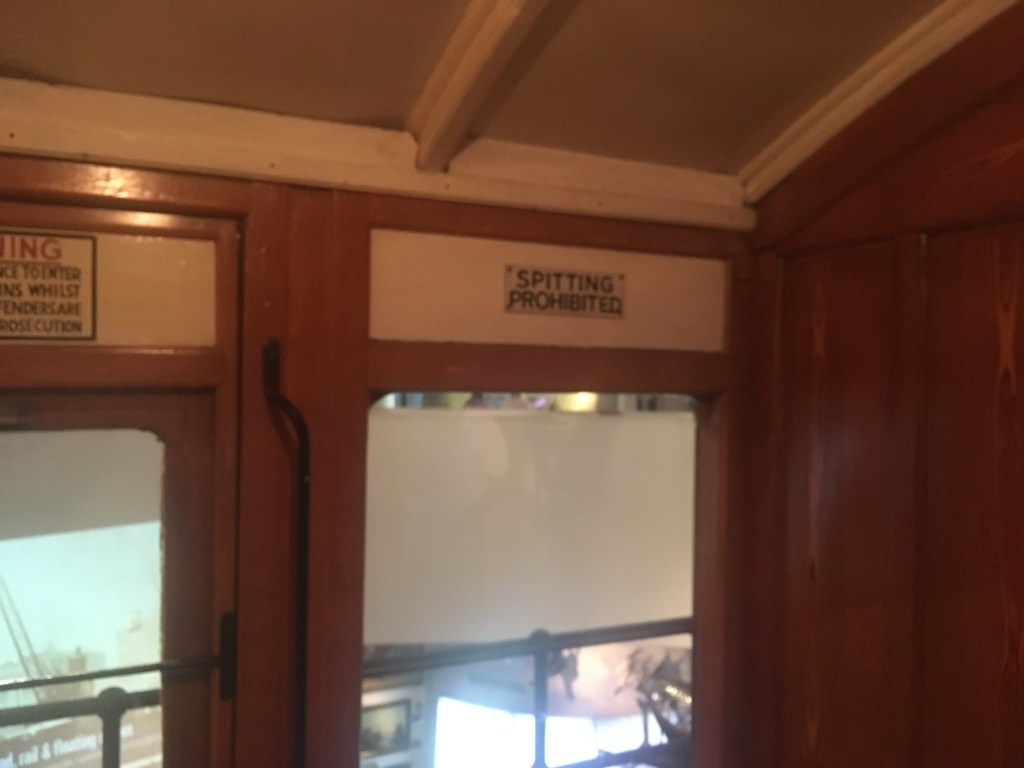
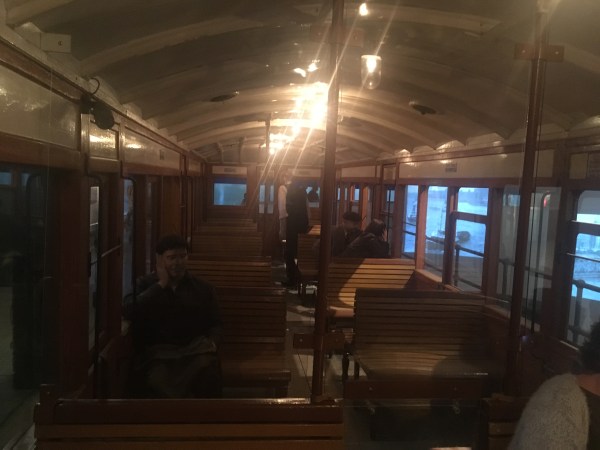
After taking the lift up to the first floor, there is a mock station display and part of the train compartment is accessible to visitors. We went inside and took a seat. I can’t imagine that these trains were this clean when they were in service. The elevated track ran for substantial sections directly above the steam operated dock railway. This would have been a much dirtier journey than we could ever expect today. Smoking would have been permitted too, and the floor was likely to be a grimy black, and littered with cigarette butts and paper wrappers.
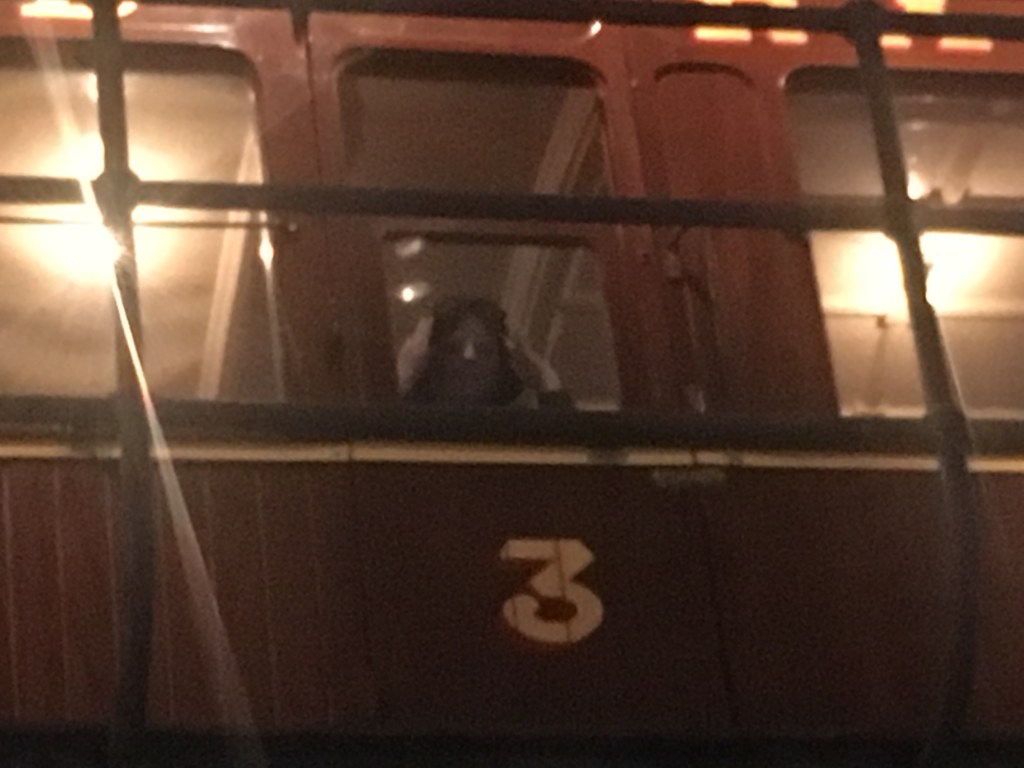
The seats, curved slatted wooden benches, were actually quite comfortable, this was a very well built machine. Two thirds of the carriage were inaccessible, but the mannequins in period dress posed behind the glass gave a good impression of what it was like in the fifties.
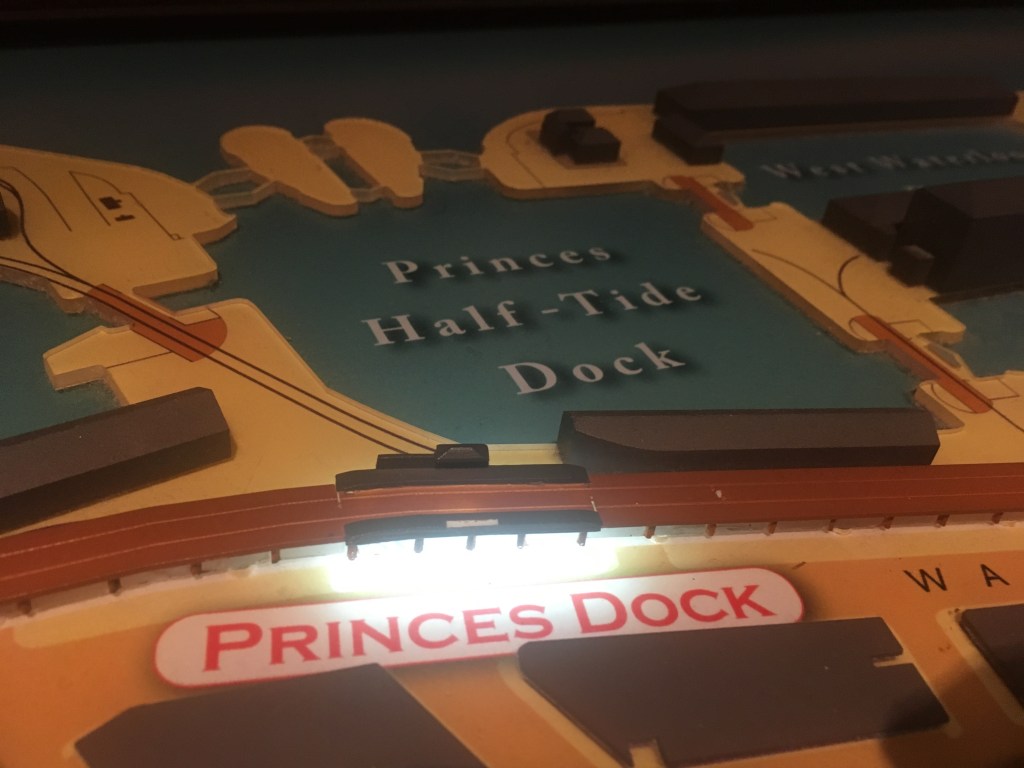
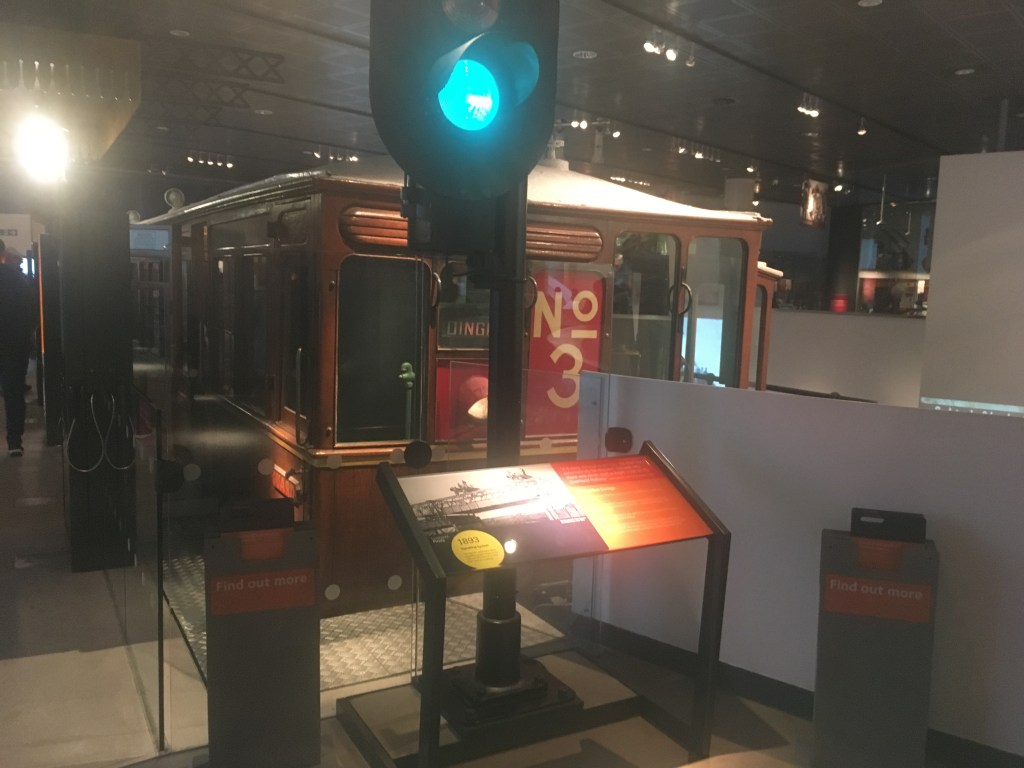
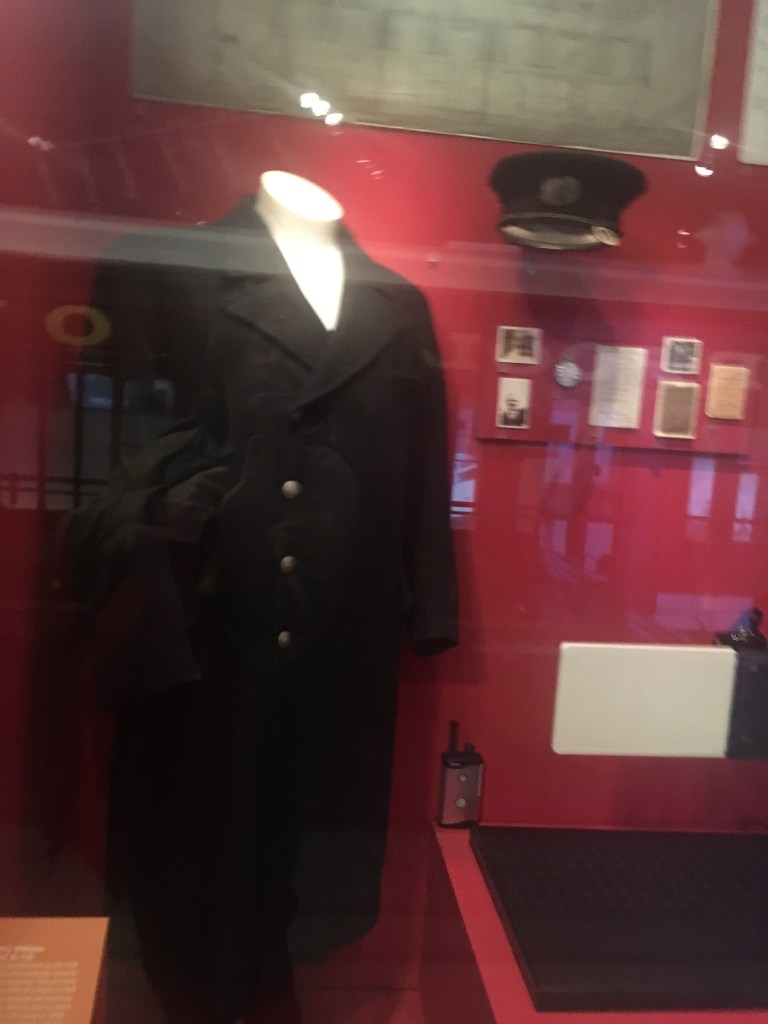
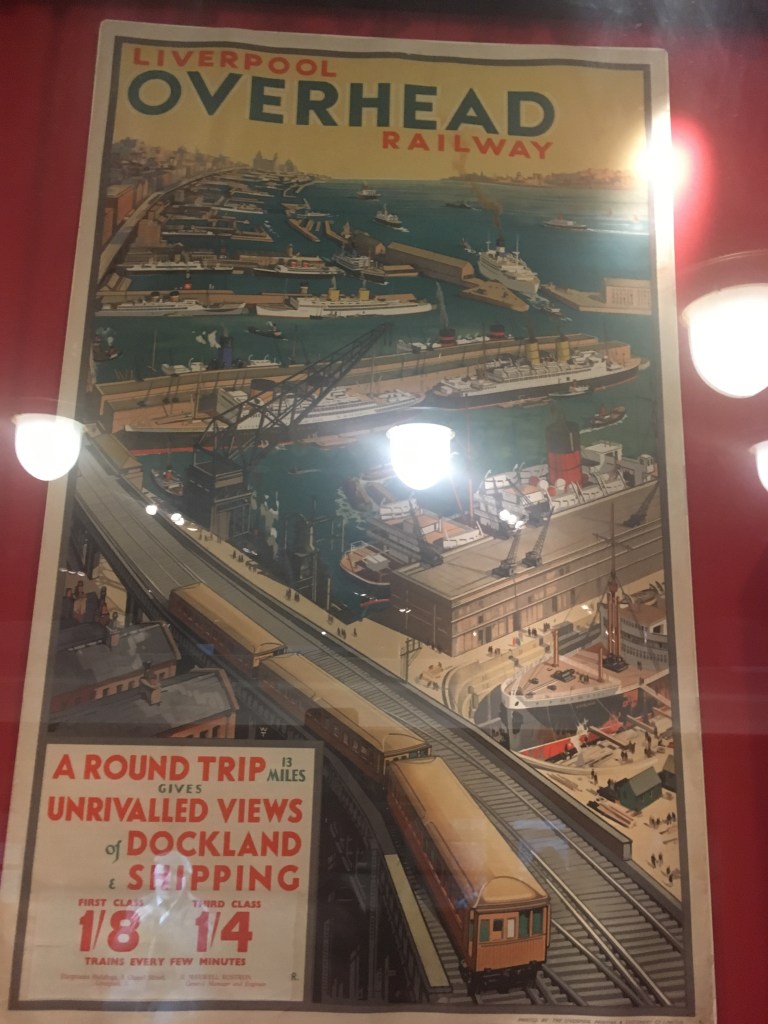
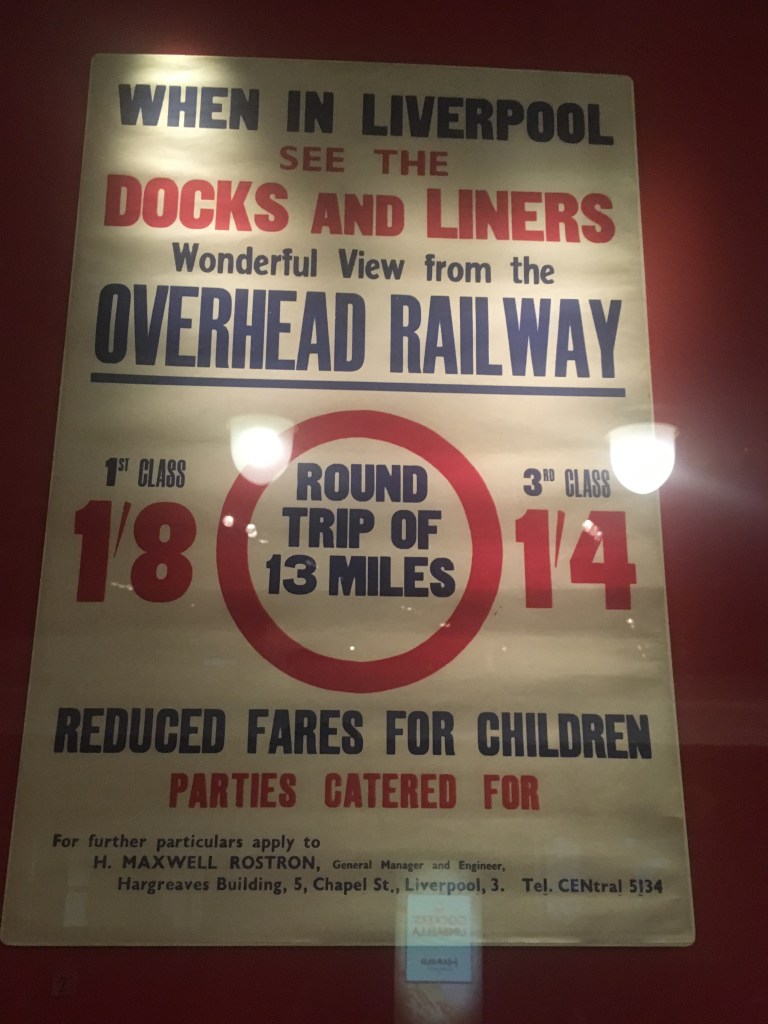
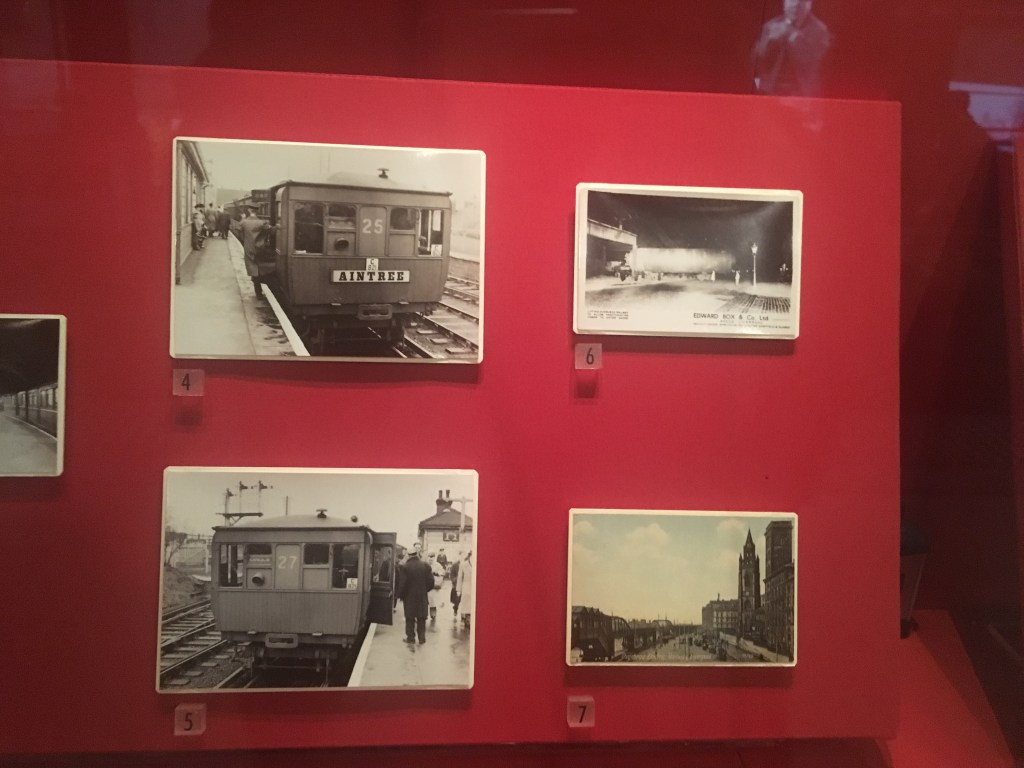
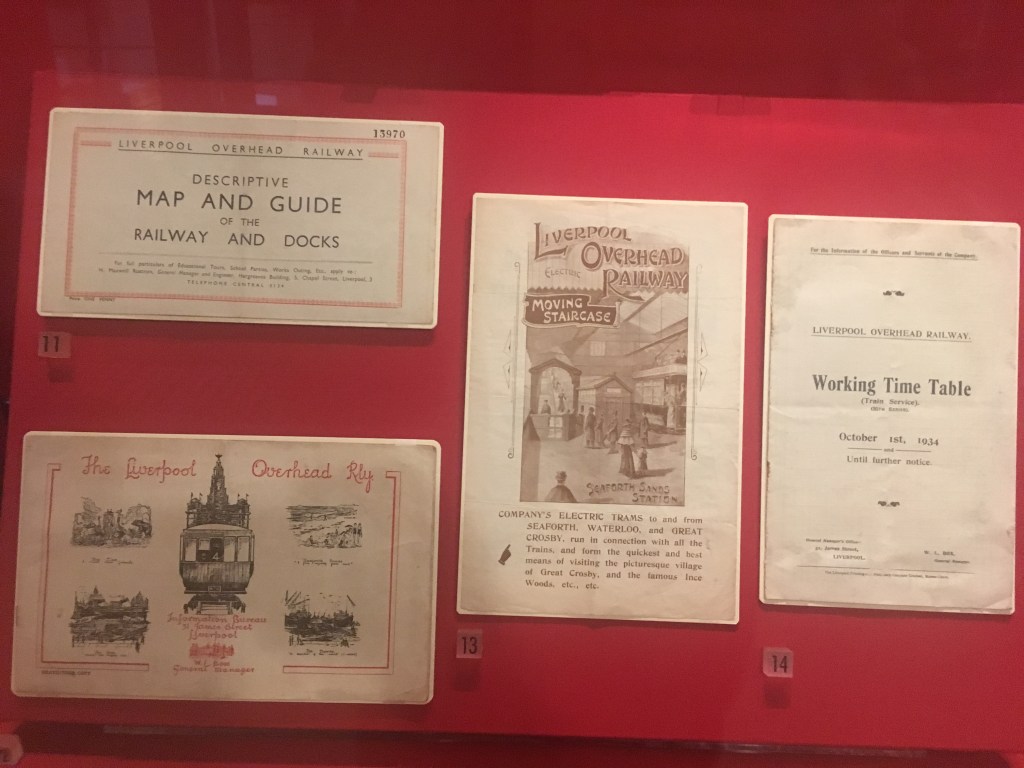

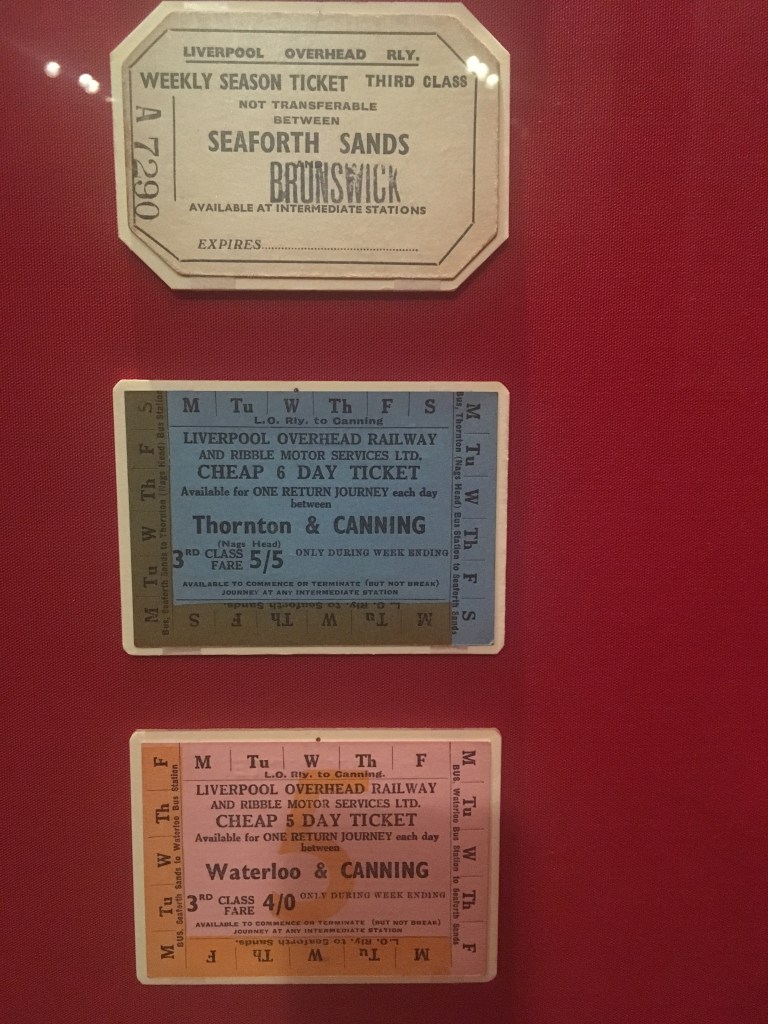
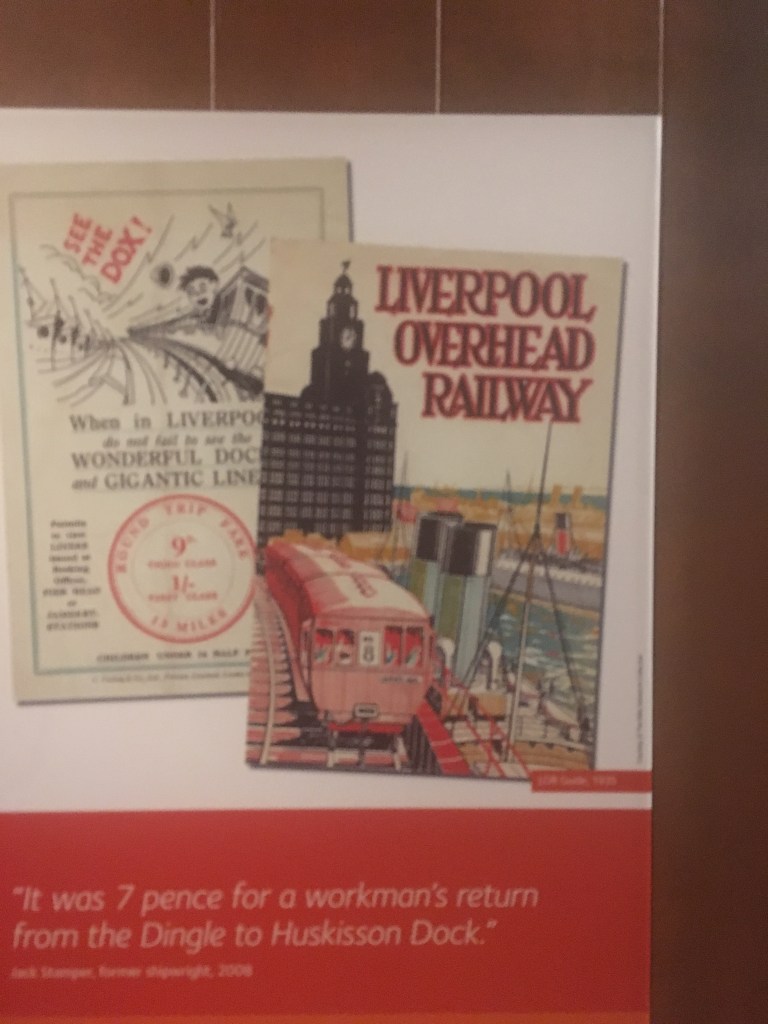
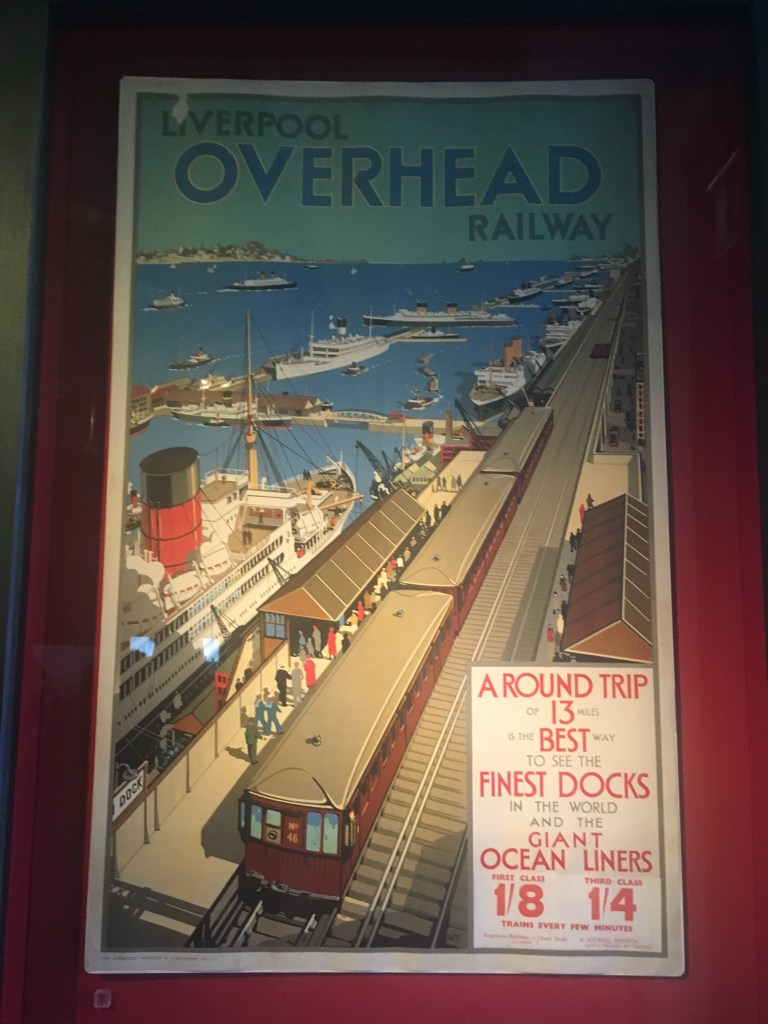
Around the carriage display, there are information panels, posters and memorabilia. Its a great shame that this railway didn’t survive and would be a great transport solution for Liverpool and tourist attraction in itself. Unfortunately, when the line was closed in the 1950s, the dock was in decline and the private motor car was in ascendance. Railways and tramways were being replaced by buses and the infrastructure being torn down. Even if there was an appetite to save this railway, the decades of steam and acrid smoke from the dock engines on the railway beneath had caused substantial damage to the iron structures and full replacement was never going to be feasible.
This was a great loss to Liverpool, and the country, but like all of the beloved railways of yesteryear, this one lives on in our imagination.
Further Reading
Read more of our train posts on our Wheels of Steel page, and more travel posts here.
- Facebook Group Liverpool Overhead Railway
- Wikipedia Liverpool Overhead Railway
 Duggan's Dig