AI AI AI – The Future is Simple

AI is everywhere already, and it’s only going to get everywhere else. I can’t even sit in bed on a morning with a mug of hot coffee, scrolling through my Facebook feed, without seeing more ads for AI.
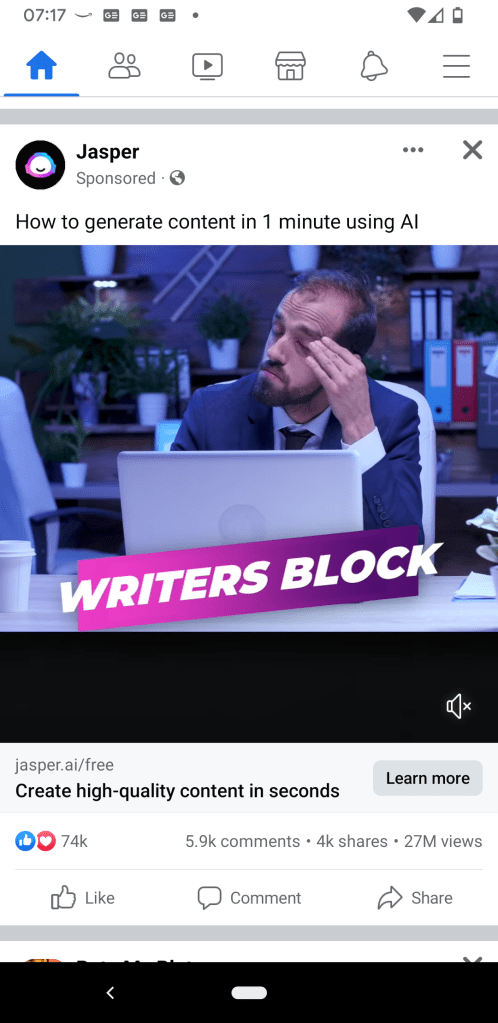
Create high quality content in seconds. Sounds like a bucket of awesomeness doesn’t it. Here I am, struggling to manage just one post a month, as I try to balance my time across work and watching telly and all the other drudges that take priority. Why bother collecting thoughts, doing research, selecting images and wot not before writing it down, editing, and, with no shortage of trepidation, hitting the publish button.

Not anymore says the AI people. With just a few clicks and a couple of key strokes, I can spam the entire internet with self referencing auto drivel.

I don’t know if I can challenge the “high quality” claim at half seven in the morning, but what is clear is the value destruction this will cause.

Anything that can be created in seconds by anyone anywhere cannot be said to have value. Value is derived from scarcity, everyone knows that.

So where does that leave bloggers? Dunno really.

I will continue to write the occasional post here and there, but I suppose the odds of being found and read will be even worse once the click bait factories deploy AI content on mass to the masses.

I picture an internet dominated by content produced whimsically and ephemerally, tailored to the user’s recent activity. Whole websites, like TV tropes for example, that took years to build with hundreds of contributors, will be created on the spot, and coloured to fit the views and biases of the individual in the interest of keeping them engaged long enough to register as an impression to an advertiser.

We won’t be able to trust a single thing we see on the internet. Photo and video and voice evidence will mean nothing. A few words uttered and you’ll have video evidence of anything you like.
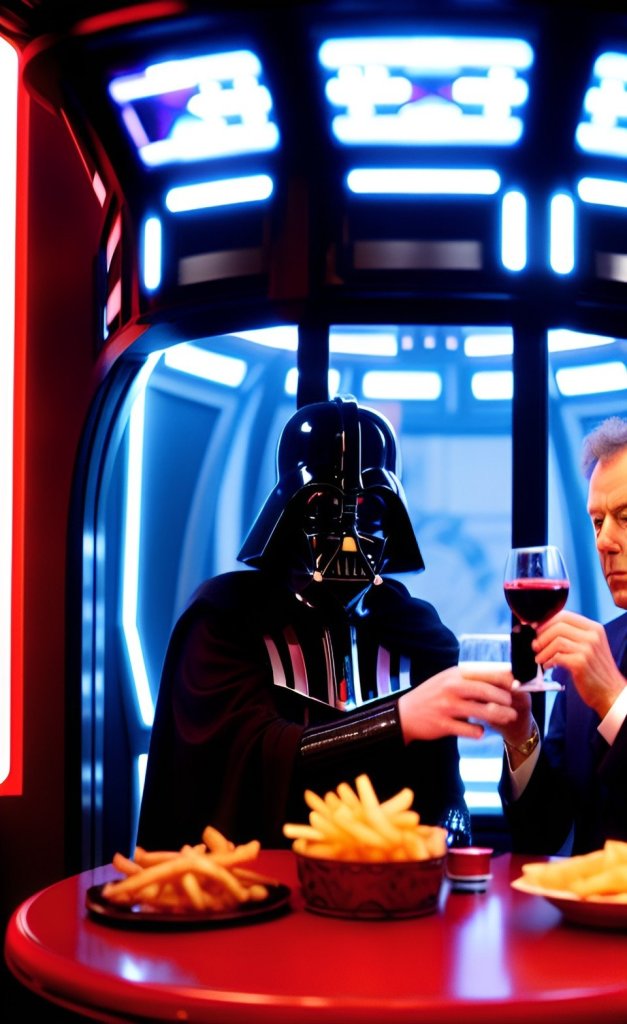

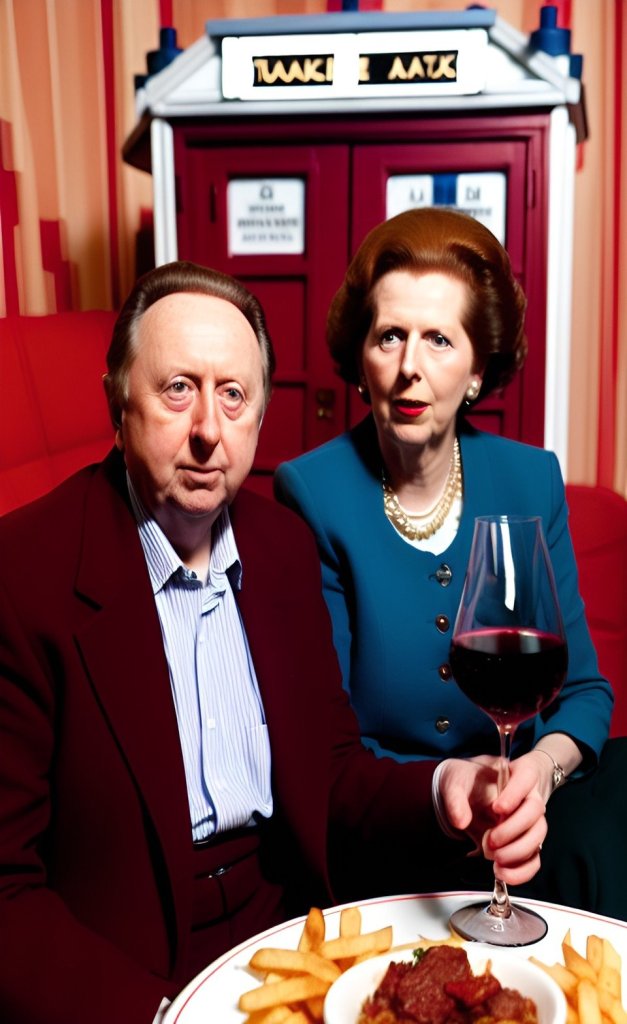
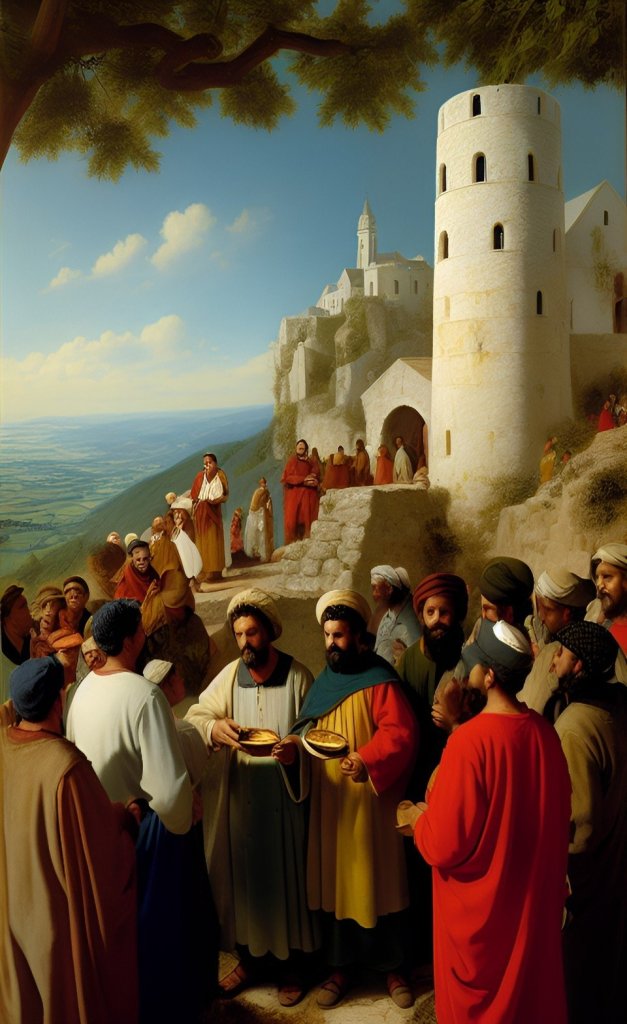
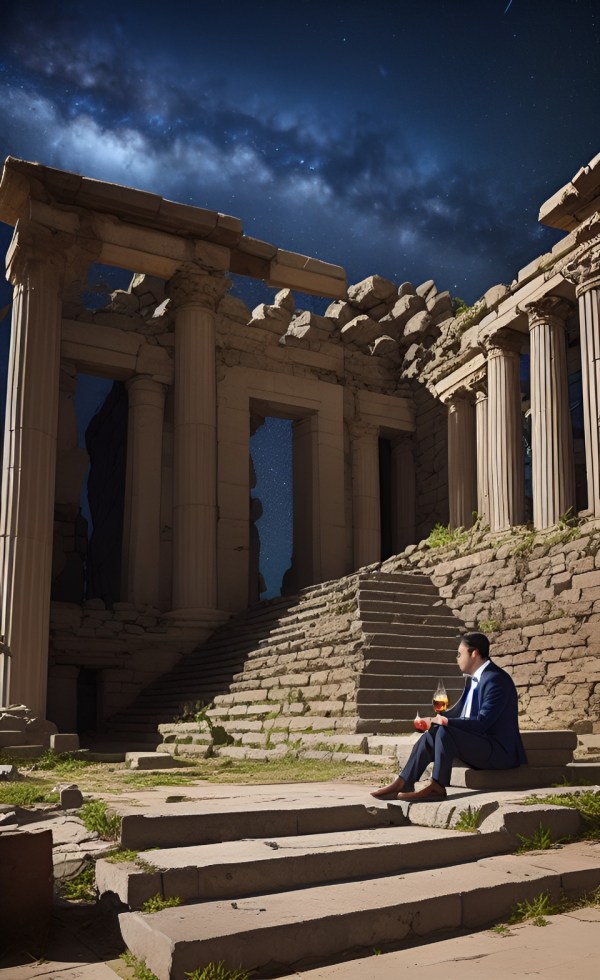
The standard of the images above is low, and on closer inspection, they don’t withstand any scrutiny. The eyes are particularly creepy. It will be easy to fool some, perhaps many for a while, but I think this is a huge shift in our civilisation. This is perhaps the beginning, ironicaly, of an information dark age.

Before the invention of photography and audio recordings, if something happened, we had to go on the word of those who witnessed it. I can see us returning to that state of being. Anything on the internet will be, to all intents and purposes, unreliable, unverifiable.

What we see and hear from the internet will bear even less semblance to what we see in the world beyond our window. Everyone will have to engage in their actual communities in order to survive, or at the very least, maintain the social order.

Am I catastrophising? I don’t think I am. I think we’re about to enter a very turbulent era in human history. The reality of AI is changing our relationship with everything.

I have a love of food, for example.
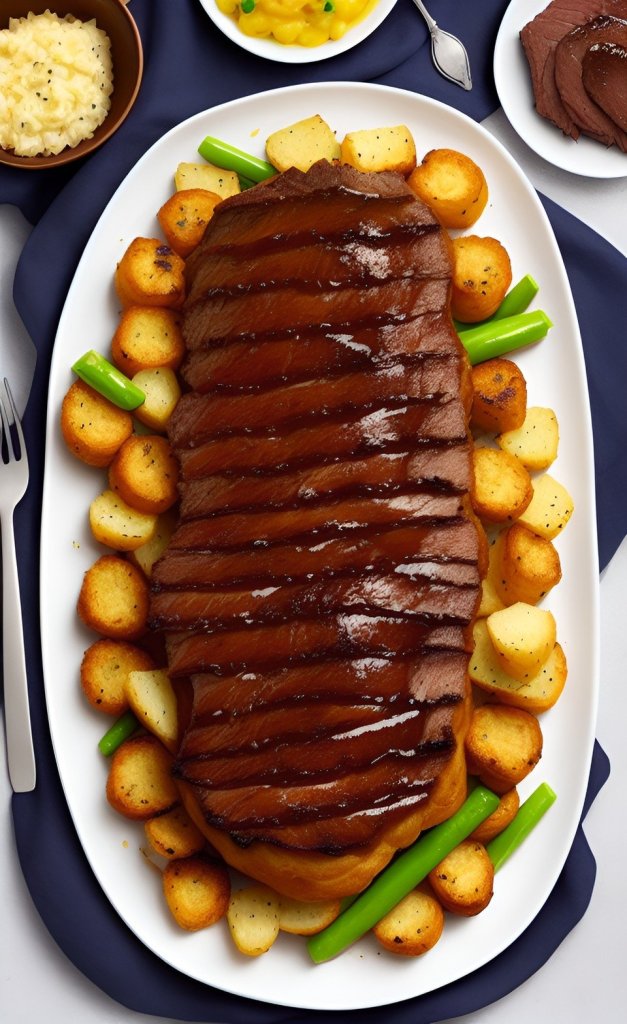
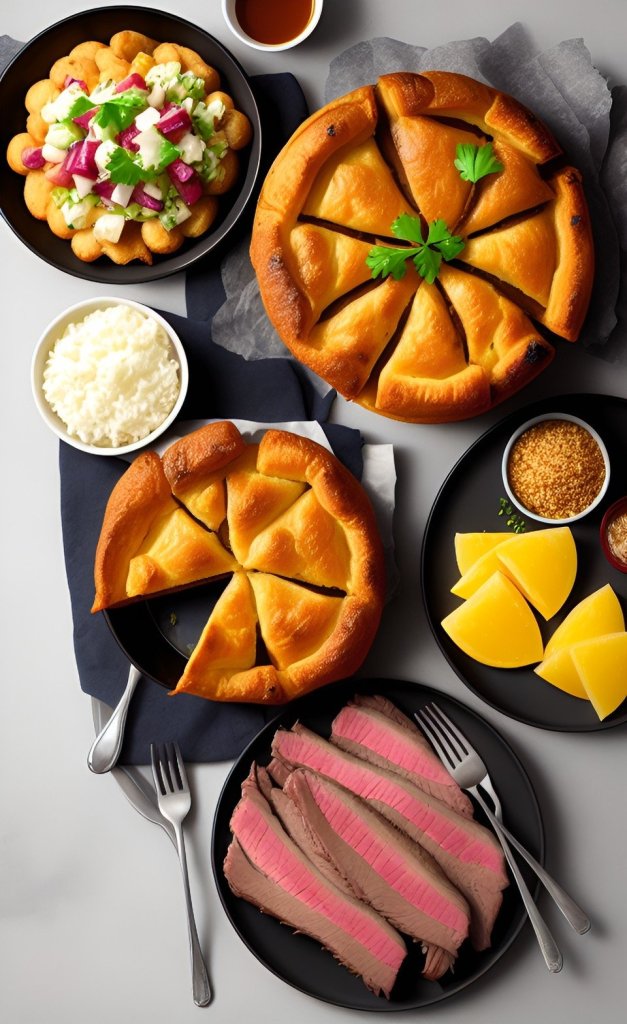
With AI I can enjoy endless images of food, food porn, and not a single chef need lift a finger. Shame they can’t be eaten.


These cakes and roast aren’t real, but they look good enough for a blog to be skimmed through, and it took next to zero effort to create them.

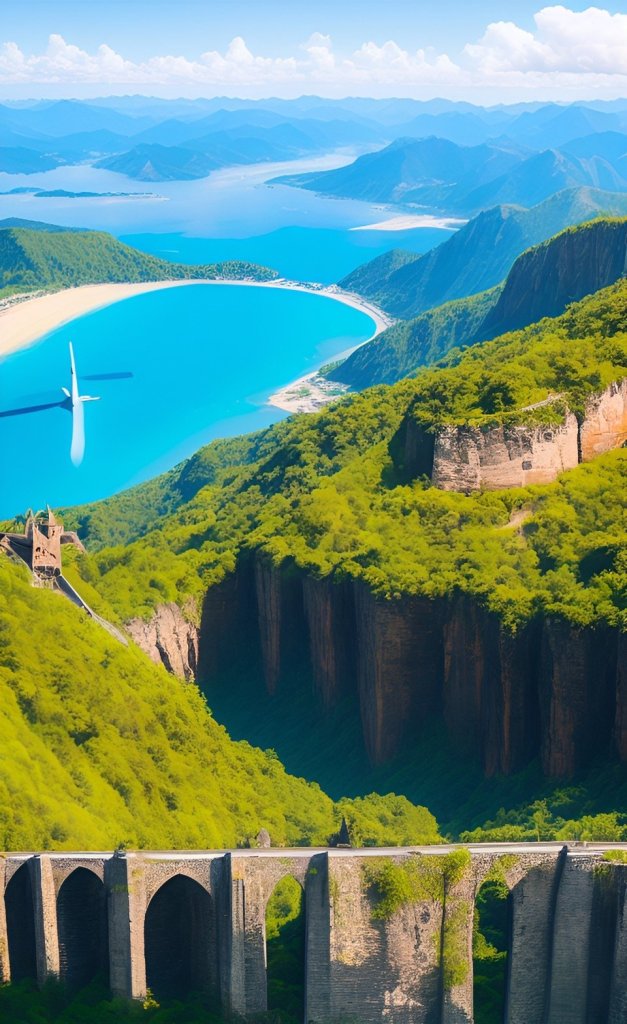
I could be a travel blogger if I wanted, and have the AI write up convincing articles and journals of exciting exotic places that only exist in ram.

The early days of the internet were great for exchanging ideas and finding like minded groups to talk about anything and everything. There were always trolls, and you couldn’t always trust that the truth was being told. But it was more or less a certainty that you were interacting with another human, or possibly a cat. We don’t have that certainty anymore. Conversations with AI can be utterly convincing. Imagine a forum where there are hundreds of Bots chatting among themselves.

The very idea of a website is under threat. Anyone looking to buy a fishing rod might stumble across a well established forum with decades of threads and posts and helpful members happy to direct the new member to a certain rod. A well established forum with decades of  threads and helpful members that only exists for the duration of the transaction.

Does a website exist if no one is looking at it? The internet will become a probability wave.
Deep.

AI, I’m told has already encroached on the world of adult content creators. I don’t like to judge, but it’s probably not a bad thing if the demand for live acts of depravity drops out. How this plays out is anyone’s guess though.

I mean, here I am, typing my own words for an article I could have generated in seconds, and no one would have known. But that’s not the point. I would know, and as AI becomes increasingly dominant, demand for actual words written by actual people, in my view, will only increase. Real experience and real accounts of real experience will become cherished.

I’m not one of those king Canute luddites resistant to change. I have nothing to gain from shunning AI art. It’s given me the opportunity to illustrate my words without resorting to effort, and paying an artist.

Does it really matter that these images are AI generated?  I’m only using them to brighten up the page anyway. I’d be a fool not to, wouldn’t I?

The long and short of it is. AI is going to be disruptive. Blogs like this, will become unique and authentic voices amidst the plethora of valueless content, and I have some faith that readers will know the difference, but the only way they will be certain is to see with their own eyes. If we have something to say, we’re all going to have to get used to speaking in public. The written word will count for little, and this complication will, ironicaly herald in a new simpler time.
There is a Future in Authenticism

Investigating AI shortcut hype

We are at an age where a new technology has come along. AI is making headlines as it infiltrates our daily lives. It is, apparently, writing successful job applications and essays. It threatens to flood the blognet with regurgitated drivel, so naturally I’m curious.

I have, admittedly, wasted an hour or two exploring the free image generators with mixed results. The AI generated images aren’t displeasing, but they also aren’t anything either. They are a curiosity, and have some illustrative utility, but there’s no value in anything that can be generated in a second on a whim.

But I wanted to see if there was much to the hype. Could it be a shortcut for my own endeavours? Word on the street is that Self Publishers are flooding Amazon with AI generated novels. How can that be good?

A test was necessary. On my massive to-do list is a reflective history of my home village. I have collected hundreds of accounts and memories from social media, news clippings, old photos, and read several books written about the place. There is still more to do, I might never finish it, but this is more about the journey I suppose, and I’m enjoying it so far.

But anyway. Could AI clip a few years off of my local history writing journey? I decided to ask it a whimsical essay question.

The Question

Write an essay explaining the socio economic situation in Thurnscoe South Yorkshire, describing its history, people, industry, culture, and future prospects.

The Answer

Thurnscoe South Yorkshire is a deprived inner city area in the metropolitan county of South Yorkshire, England. It is located approx 12 miles north of Sheffield and comprises the following wards: Burton, Clay Cross, East Pinder, Heppelthorpe, Jarrow, Mexborough, newington, and thurnscoe. The 2001 census recorded the population of Thurnscoe as 9,507, a decrease of 2.1% from the 10,047 recorded in 1991.

The socio-economic condition of Thurnscoe is reflective of the UK as a whole. Poverty, lack of opportunities and poor housing are common features. Thurnscoe has seen little recent job or economic growth, and its industry is aging and in decline. There is a high level of social deprivation.

Nevertheless there are also some positive features. The community is fiercely proud of its history and there is a strong sense of community spirit. The people are friendly and hospitable, and there is a lot of involvement in voluntary and community activities. The sense of humour is often unforced and the local pubs and clubs are lively and lively places.

Thurnscoe is unlikely to experience any dramatic socio-economic changes in the near future, but its prospects are difficult to predict.

What is an Essay?

An essay is a composition of prose that addresses a particular question or topic. It can be long or shorter, formal or informal, comprehensive or specific, and it typically explores one or more ideas in depth.

Judgement

As starting points go, this is pretty poor. It takes some stratosphericly high data and waffles a bit. This isn’t even GCSE geography level; just to be certain I also asked the AI what an essay was, I would have expected a few thousand words, but no, essays can be short form now, bit convenient. The claim that students, or job applicants, could use this tool as some shortcut to advantage doesn’t hold water. I would need to tweek and customise and furnish it with actual facts and research, in that the ChatGPT interface has nothing on the good old fashioned keyboard.

And perhaps more importantly, you can’t eat AI dessert. Just saying.

Remember Listening to Music?

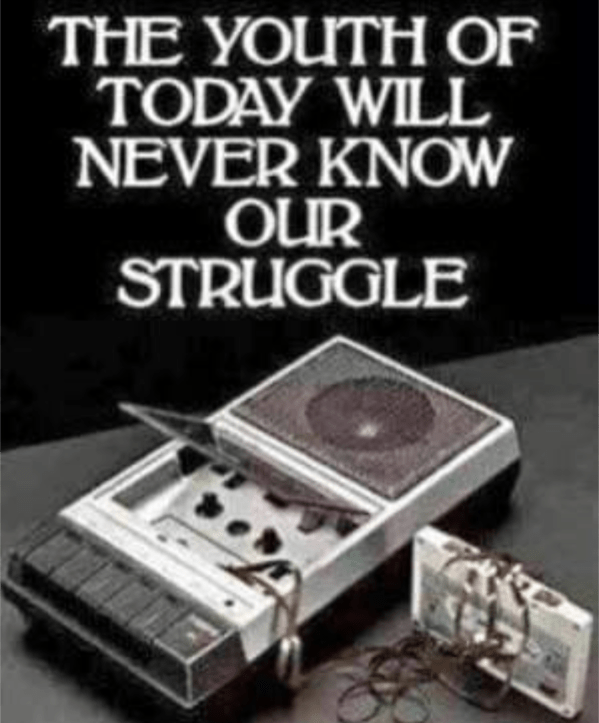
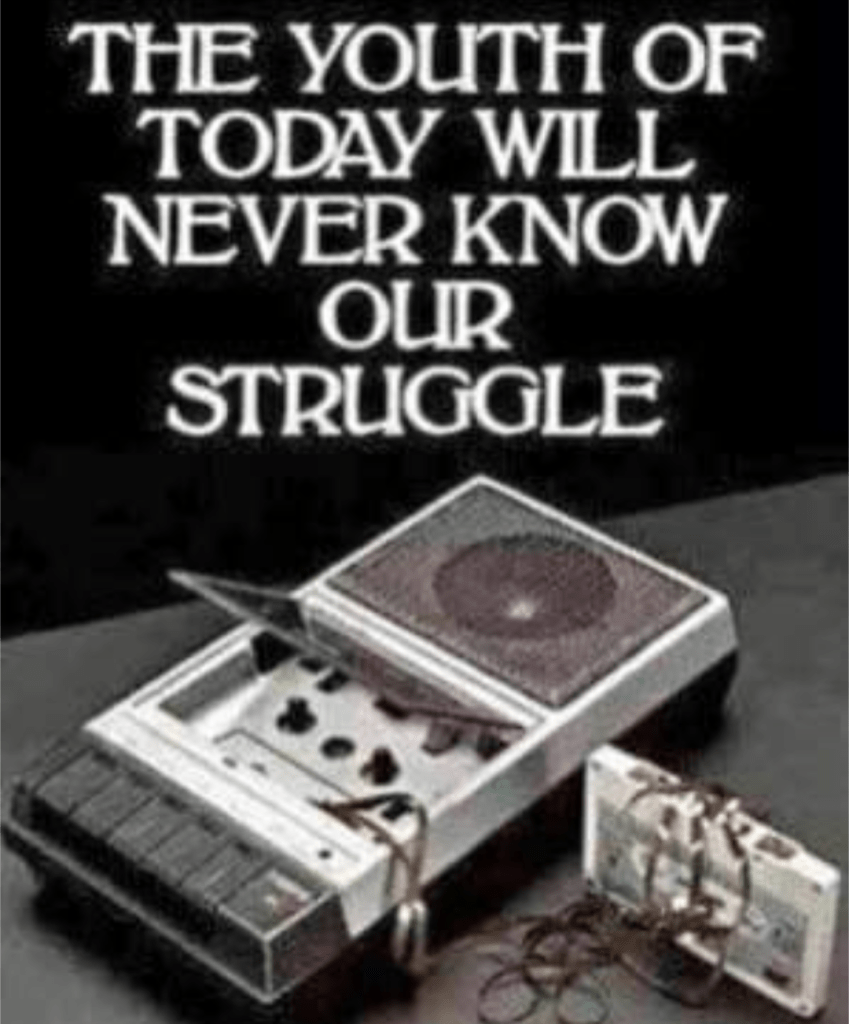
A Facebook meme. I am spending way too much time on Facebook. How much is too much? Some. Some time is too much many might say. But anyway. A meme cropped up.

A struggle indeed

The image of an old cassette with its tape all mangled and caught up in the tape head mechanism. Yup. How awful that was.

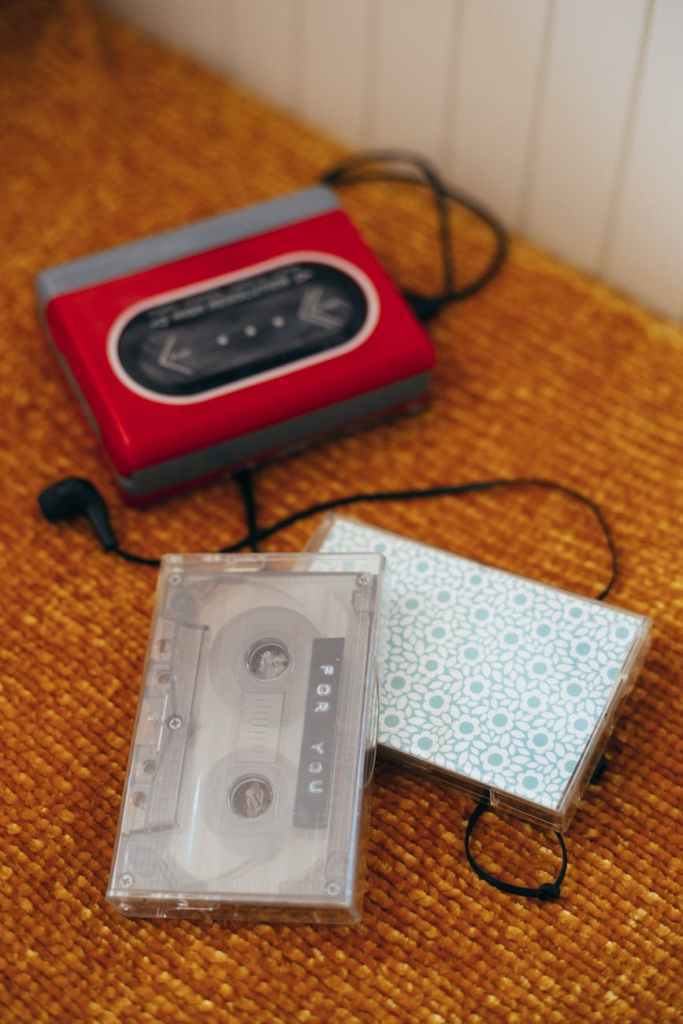
I remember one Christmas, probably 1988, I received a Walkman type device with headphones, and, among other things, Kylie Minogue’s  first album, on cassette. That Christmas night I dutifully went to bed when I was told. With the lights out, and me all snug beneath my duvet, I put on the headphones and pressed play. I didn’t even hear the first song in full. “I should be so luc…”

The tape player mangled my brand new Kylie album. And that wasn’t the first and it wasn’t the last. But what could be done? My room was full of cassettes. I had them for music, I had them for computer games, I even had audio books and a beginner’s course in French.

CDs changed that, but they changed a lot more than the mangling of tape and the bother of rewinding. They brought the repeat function, the skip function, and the program function, and that was no bad thing.

I didn’t give it a moment’s thought at the time. I didn’t have to listen to songs I didn’t like, and I could listen to my favourites on repeat, in superior sound quality, and no risk of damage or even wear.

Then came MP3. It became possible to rip your songs from your CDs and play any song at random. Out of the hundreds of songs I’d collected over the years I only ever  listened to a handful.

And then streaming came along and you could listen to any song you liked, whenever. Virtually any song ever recorded was now at your finger tips. I occasionally listen to a song or two, maybe every other month, if I feel like it.

Now, this train of thought keeps me going back to a quote from Star Trek:

We believe that when you create a machine to do the work of a man, you take something away from the man.

Star Trek: Insurrection; Sojef to Picard

In star trek, a group of people on some distant world had opted not to use their technological prowess because it lessened them, diminished them. I can see how that might work. But I’m not about to start listening to music on cassette again because streaming is too easy. That would be like cooking on an open fire in a wood because a kitchen is too convenient. But isn’t that what camping is?

Who needs a kitchen

When I was a teen I caught the bus every day to college. The journey was an hour. In the morning I would listen to Alan Parsons Project’s album Pyramid, on the return journey I would flip the tape and listen to I Robot. Thirty years later, every note in every song connects me immediately to a specific point on the bus route. Conversely, on the rare occasion that retread those ways, I automatically think of the song. Such is the power of the music, and it’s not just the song, it’s the emotions, the fond memories that it evokes. I doubt I’d have that if I’d had an unlimited playlist, or even a skip button. But that’s not all we’ve lost.

It’s not a major thing by any means. I don’t think the youth of today would believe they were missing out on anything. They’ve got their own music, and their own struggles. But this meme came up while I was pondering the nature of bliss. This is a philosophy blog afterall, and I was looking for a way to articulate this theme, that we cannot know bliss unless we know strife.

If a song is just a voice command away, it must surely have less value than a song that is recorded from the radio using a separate audio recorder to radio, speaker to microphone, in a noisy house with annoying siblings. And when the device can destroy your efforts. The song, listening to the song, enjoying the song, is the reward for the effort of simply hearing the song.

It’s a small thing, listening to a song, but it’s also a win. It’s a small win, but it’s an achievement none the less, and the way our brains are wired to give us little chemical rewards, dopamine I believe, when a plan comes together, missing those little wins must surely have some cumulative effect.

I’m not passing judgement on people’s lives, lifestyles, or life choices. We are where we are and what is is what is. A lot of the effort has been removed from our lives and yet we are in the midst of mental health crisis. I think there is a connection and that the struggle was confined to audio tape.

Thanks to Facebook I am exposed to a lot of unhappy people posting about poverty and misery, and sharing memes of their hopes that a communist revolution will resolve all of their problems. They haven’t thought it through. But I also know that there is genuine hardship out there, and that not everyone has an easy ride.

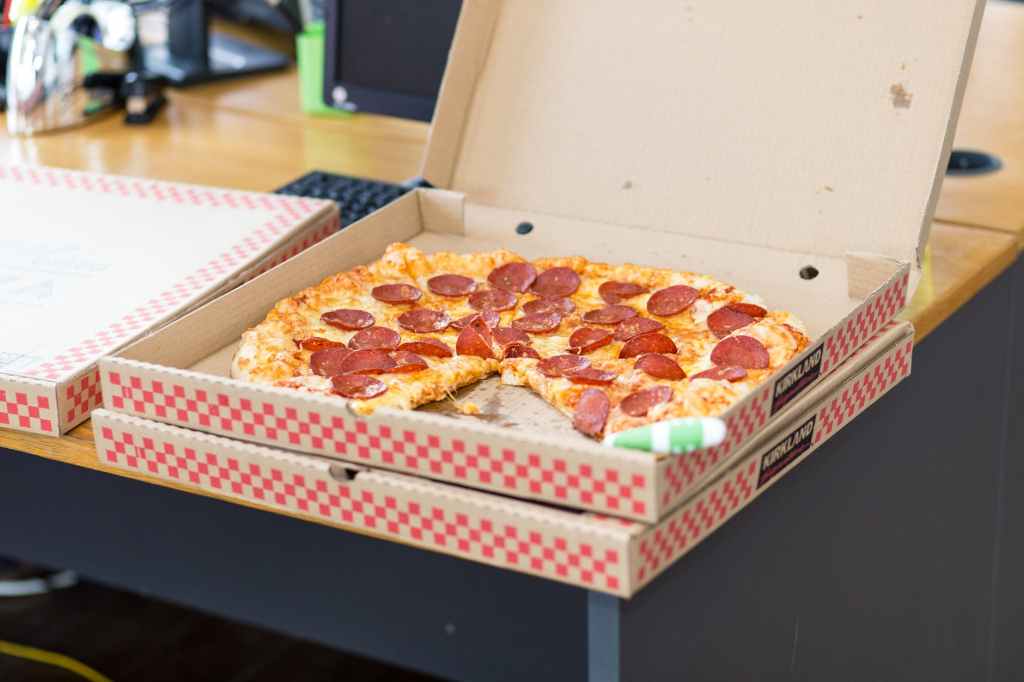
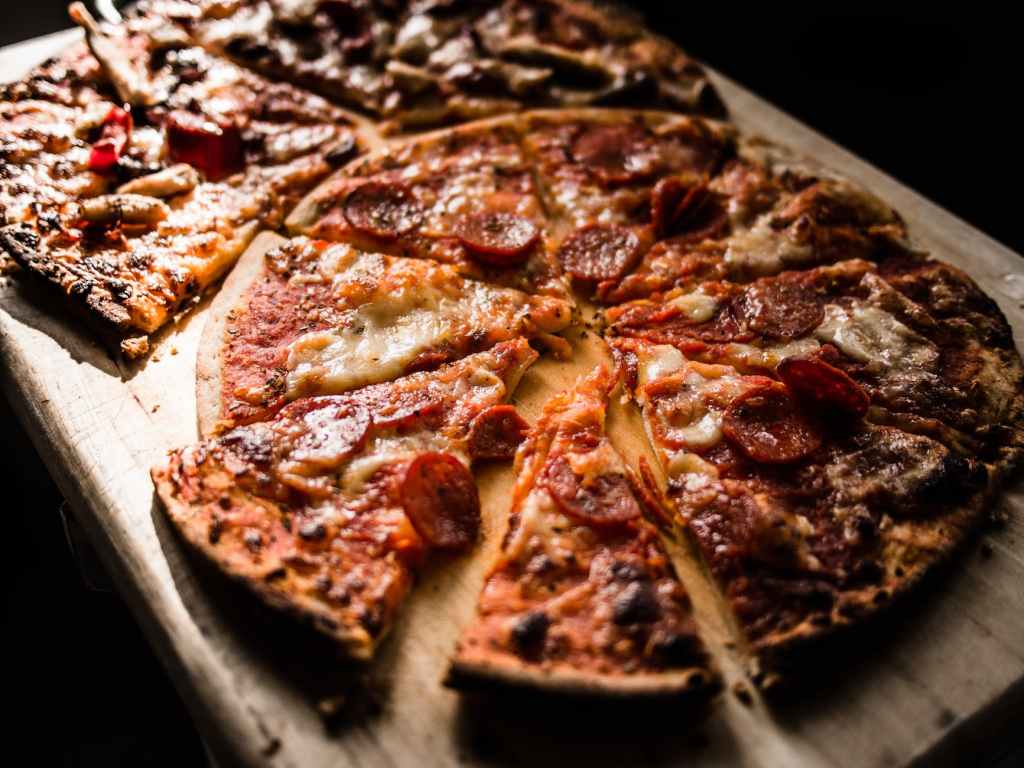
But take food as an example. If you want a pizza you can buy a basic one for 99p from the store. Or you can buy a premium one with stuff crust and generous toppings for £5. Or you can pay about £8 and have one freshly made for you and brought to your home with just a few commands on a smart phone app. I would argue though, that takeaway pizza for £8, though it might have better toppings and higher quality ingredients, it doesn’t have the value of the 99p pizza to the person with only £1.02p in their pocket that has a mile to walk to the store and a mile to walk back, and barely has the funds to cook it. Value comes from the struggle, and the struggle brings reward.

But back to the pizza. You want pizza, you can have pizza, very conveniently and tasty too. Then you have the extra time available because the pizza takes no more effort than sliding into a hot oven and sliding out when it’s done. There’s even a machine to wash the plate for you. Effortless and unrewarding.

Imagine that pizza if there was no supermarket and there was no takeaway. Just a butcher, a green grocer, and general store to buy flour and yeast, meat and veg, and oil, and spices, and if those shops were separated by some notable walking distance, and some produce were in short supply. One might be tempted to not bother with pizza at all, too much effort, have a sandwich instead. The pizza has become unobtainable to some extent and it’s value has increased. It has ceased to be the easy option, it is no longer junk food, it has become an endeavour.

Endeavours involve struggle that leads to reward. This is a tough problem though, and it affects all of us, unless we have a calling to pursue. You might think that making the pizza from scratch might resolve the issue, and although making a pizza from scratch might taste nicer than the store bought variety, the reward isn’t there because the struggle isn’t real. You choose to make pizza the hard way, with readily available ingredients from the supermarket. There might be some reward the first time you make it, that’s the learning reward, but it’s not a struggle, it’s a choice, an indulgence.

Boxes

More and more of our life is being prepackaged for our convenience. More and more of our jobs are becoming automated. About ten years ago, maybe more, probably more to be honest, I wrote a short story about a shop that had no staff and no check out. You just walked in, took what you needed, and walked out. The shop would know who you are, what you took, and charge your account for it. Those shops exist now. I thought it was a moment of genius foresight and never expected them to become a reality in my lifetime, I never suspected that they were already in development as I wrote my story.

Where does this leave us, as a people? The meaningful work done for us. What then? It’s been suggested that we’ll all need some kind of basic income, but what do we do with that? When our most basic needs are met and our whims catered to. What then?

Maybe Star Trek has the answers.

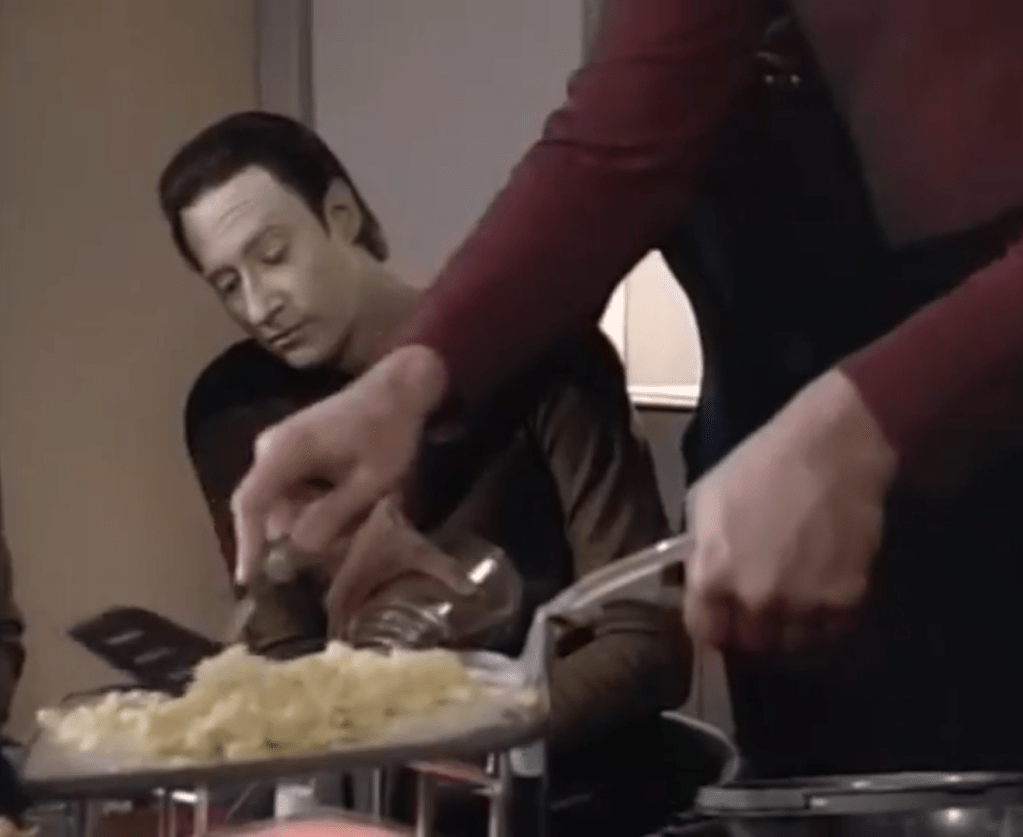
Star Trek is that bizarre utopian future where everything is taken care of, but they’re on a star ship exploring the universe, so not the same as our situation. I think if I was on a star ship I too wouldn’t be bothered by the coloured food cubes, they’re in space, meeting aliens. There are exceptions though. Commander Riker sees the failings of the replicated food and he tries to cook eggs, but he’s not very good at it.

This is all a long winded way of saying something isn’t right. The youth of today won’t know our struggles, but they have their own. The world is changing. We’re on the cusp of super conductors, cold fusion, quantum computers, abiogenesis, and who knows what else. The world is changing so quickly, but if we don’t find some way to restore purpose to everyone’s life, the struggle of a mangled tape will be a luxury beyond the imaginations of our future generations.

AI Writers

AI is coming so it seems, if it’s not already here.

Computers have been driving trains and landing planes for some time, but now it’s writing novels and drawing some stunning pictures. It’s scary stuff.

There was a particularly downbeat item in the Spectator about it the other day, the End of Writing it said. Now, have no doubt that before long we’ll be able to go to our TV and tell it that we want to watch a Batman v Iron Man movie in the style of Studio Ghibli, and it will be a great film. But I don’t think it’s the end of writing.

For a start, I write because I have something to say. I want to share my thoughts and insights with anyone that will listen. If I was the last surviving human, living in a cave on a planet at the other side of the cosmos, with zero chance of being found by another being, I would still write. AI wouldn’t. AI will fulfil a request against supplied parameters, it will make connections based on algorithms based on existing work and it will compile them in a way that satisfies a user requirement.

If you keep getting exactly what you want, you soon stop wanting it, because it’s there, and you can have it whenever, so it loses its value.

Sure, AI can answer questions and present information very effectively, but that’s not creative. I see AI, in this context, as a development of the audio visual interface. Like the difference between text based output and graphics.

For all I know, AI will set itself the task of tugging on every loose thread and unpicking the fabric of reality, thus answering all of the questions and handing us the moon on a stick, though I can’t help but think of the Nine Billion Names for God whenever computers are put to the ultimate question.

It could happen though, five years from now the AI could have figured it all out and set us on the path toward a Kardishev Type 10 civilization before the end of the decade. I’m not ruling anything out, but if that’s the case, worrying about writing career options is a little redundant.

My point is that although this is coming, I think readers will still want to connect with other humans. Humans will continue to write what they feel, and others will want to read that, and I think that will go on indefinitely.

It is impossible to predict where AI will take us, and where we will take AI. I imagine it will be misused. 1984 gave us the perfect application for such technology, and don’t think we have much defence against it. What will be will be, and I will continue to write about it all the same.

Start a Blog at WordPress.com.

Up ↑