
It may be a fad, it may be the algorithms, it may be my settings, I don’t know. But articles about AI are filling my news feeds at the moment, and truth be told, I’m not reading them.

Last night I found myself with the big TV to myself and an unexpected bottle of red I found next to the Christmas decorations that still need putting away. Naturally I embraced this me time to watch three old transport documentaries from the sixties – who wouldn’t?
I won’t labour the details but there was a programme about the newly built and most advanced automated marshalling yard in the world, Tinsley. It closed in 1998.
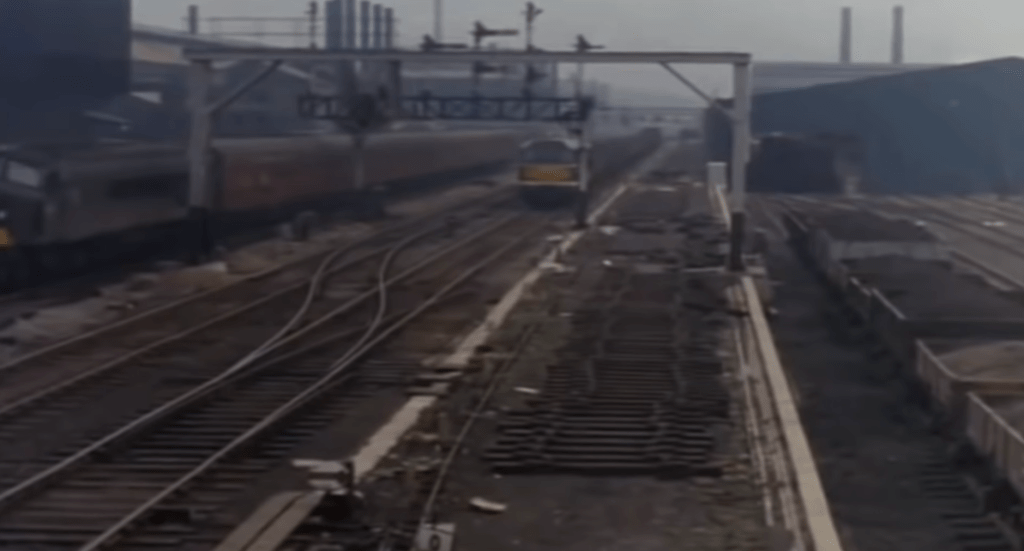
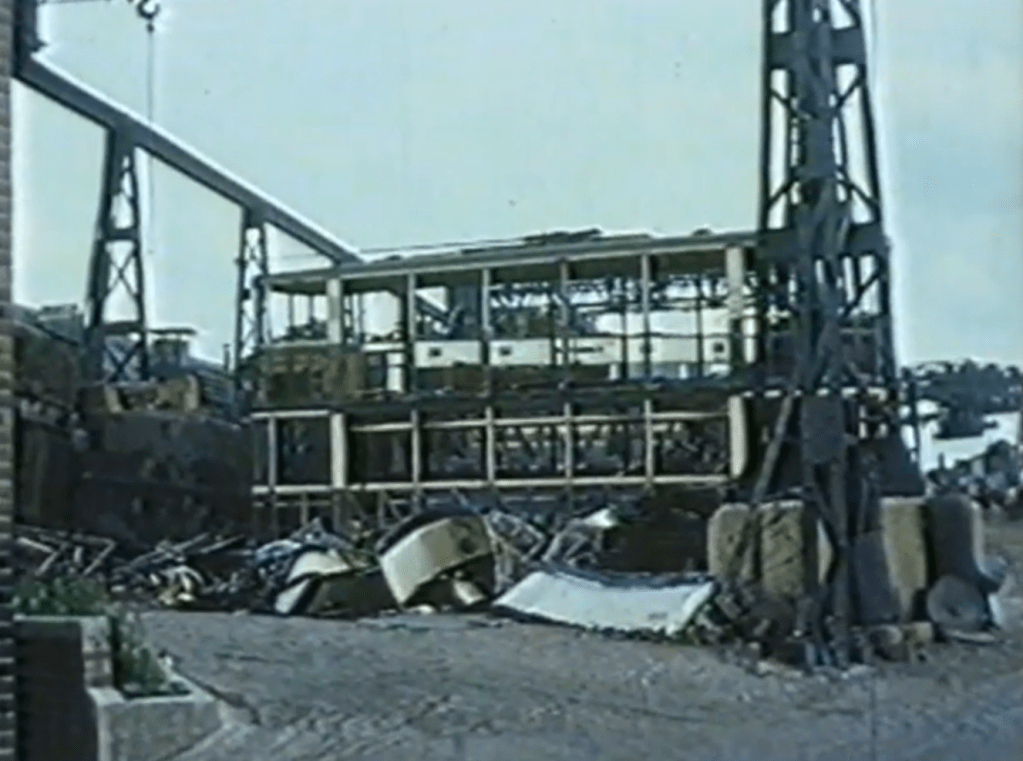
There was another one about the last day of Trams in Sheffield. The rails were ripped from Sheffield’s roads in 1960, and put back in again in 1993.
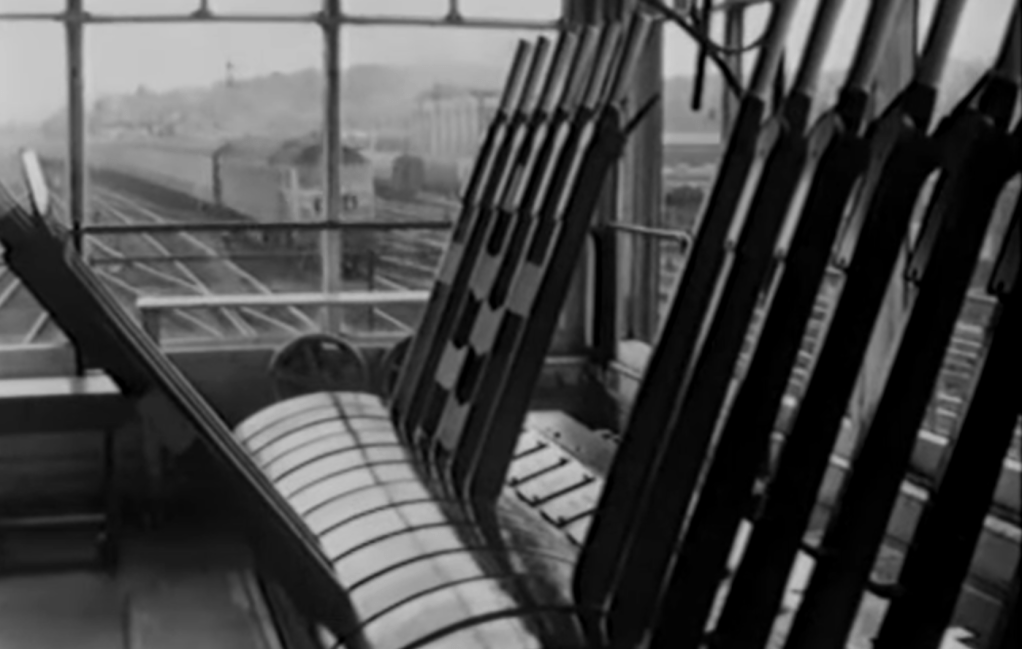
The last one was a BBC documentary called Engines Must Not Enter the Potato Siding. It was a look at the railways and railwaymen in 1969 and spoke to drivers and crew. Some lamented the passing of the steam engine, others espoused the modern electric locomotives. The electric locomotives, and the line they operated are both long gone. The trains went to scrap, the trackbed grassed over.

But what am I talking about trains for? I like trains. Also. It’s change and it’s impermanence. AI, or creative AI is going to ruffle a lot of feathers, and the world will adjust and move on. Banning AI at university because of the potential for cheating would be like banning the library because of its potential for cheating. AI gives students unlimited and context driven information in a form that their assessments require. It’s the assessments that must change, and will change, and as with everything else, it’s the early adopters, the innovative, that will reap the rewards that this new technology offers.
 Duggan's Dig