They say that nostalgia is good but it’s not what it used to be.
I’m a total nostalgia junky, I need no excuse to feel nostalgic, I simply can’t help myself.
On paper, the world is immeasurably better than it was. Most things are more reliable and readily available. But that just makes it bland. There is so little hardship now, that the little treats have no real purpose.
I was thinking just the other day about the frequent power cuts in the Seventies. I was very little at the time but remember the lights going out and the candles being lit. We would peer out the window and see the street lights were off, and our neighbors movements about their homes traced by the flickering shadows.
We would have toast made on the hot coals of the living room fire, drenched in real salty butter. And then be sent to bed with a candle to light the way. Toast was never so good in the toaster. Times were harsh but they gave us memories all the more cherishable for it.
The home of my childhood was torn down in the 2000s and replaced with affordable housing. The fields I played, are now affordable housing. My secondary school closed many years ago, even my college buildings have gone, Victorian blocks now towers of glass and steel. The market stalls are gone. Even the draughty old bus station, with its diesel fumes and greasy spoons, is gone.
Most of my childhood is now memory or museum pieces.
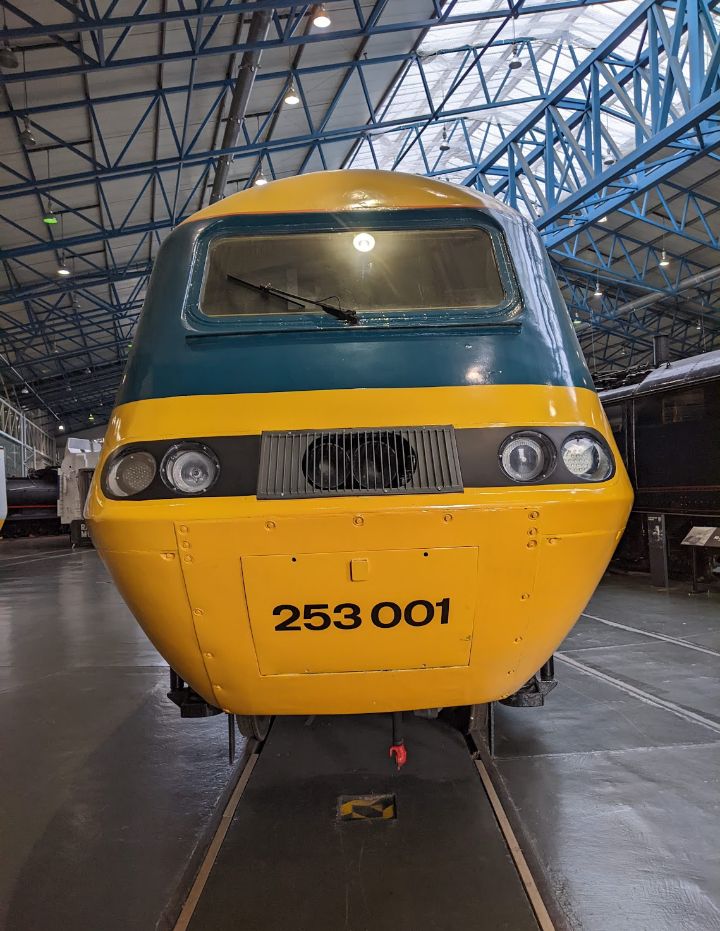
High Speed Train
My very first train set, was this High Speed Train. My first trip to London was on one of these. I felt like I’d been born in the future.
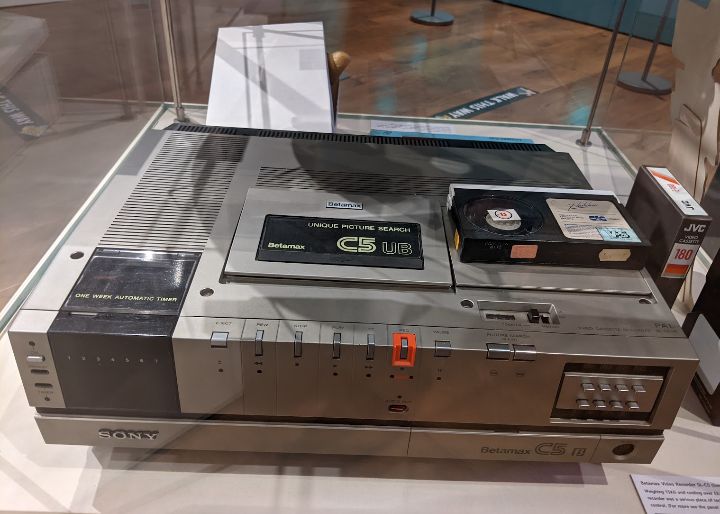
Betamax Video
We were the first on the street to get a video recorder. We could set the timer and record Coronation Street and Emmerdale Farm while we were on day trips to London. It really was the future.
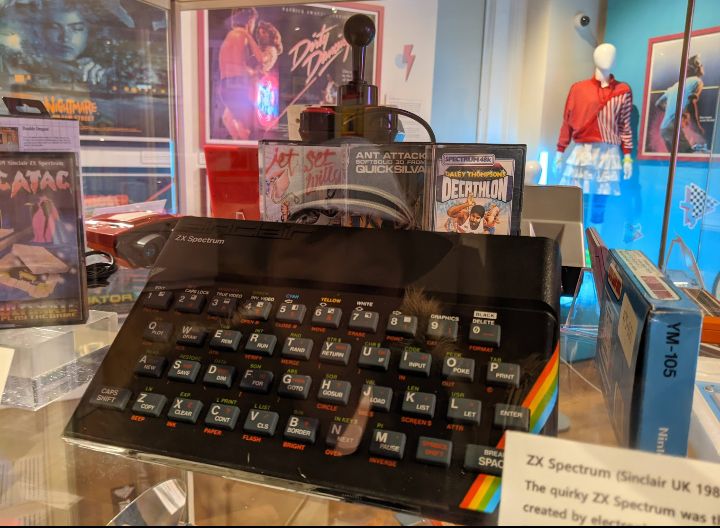
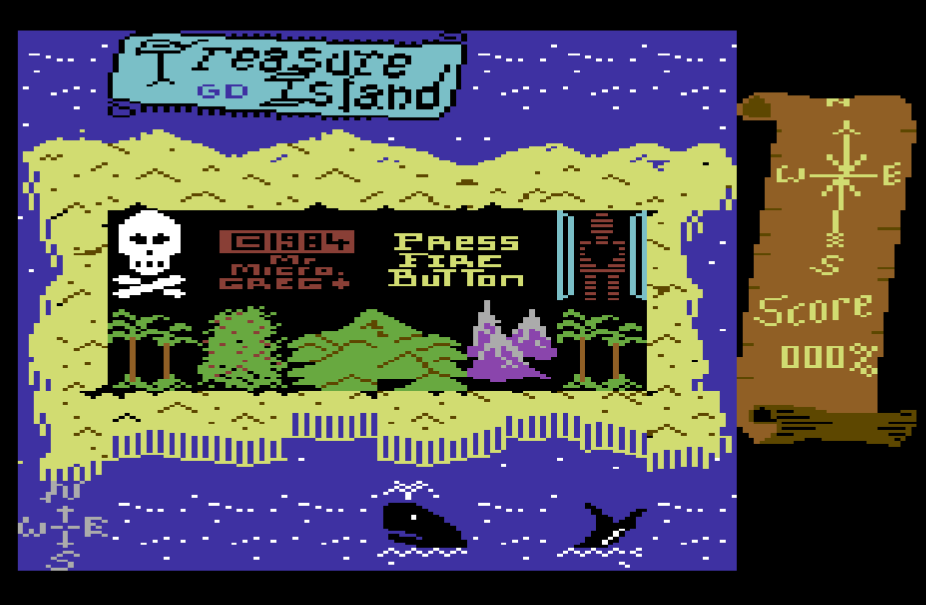
ZX Spectrum
The ZX Spectrum. A golden age video games.
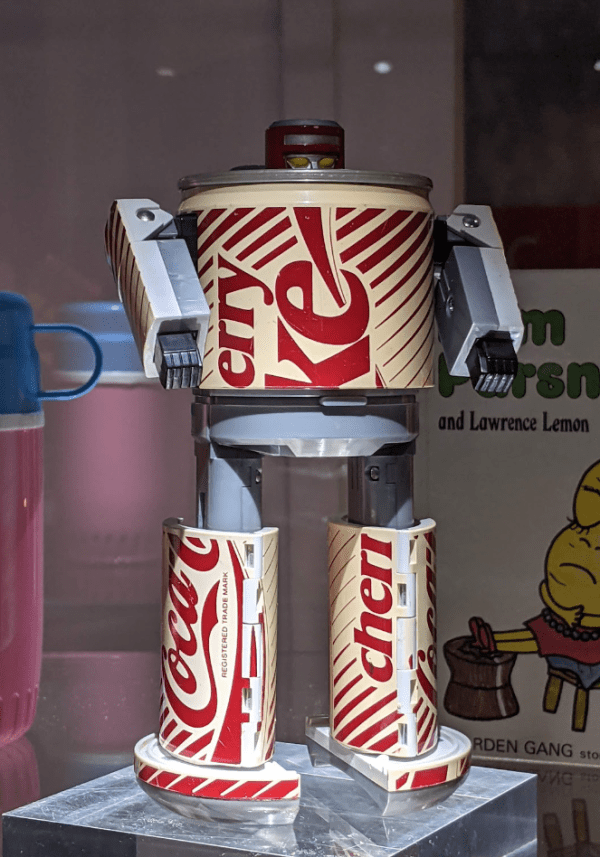
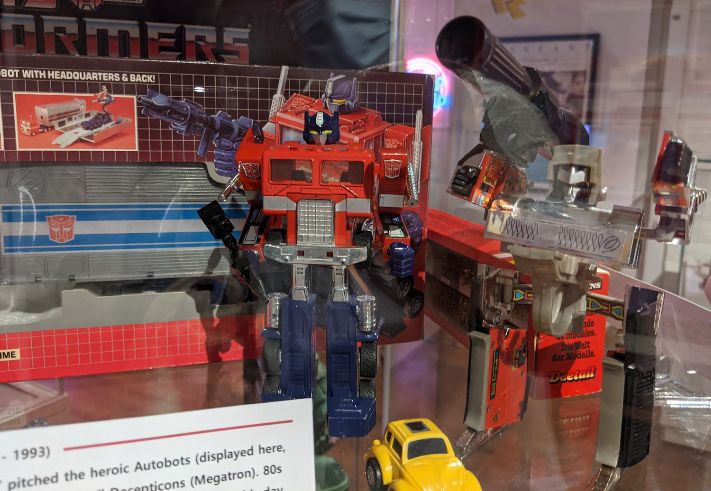
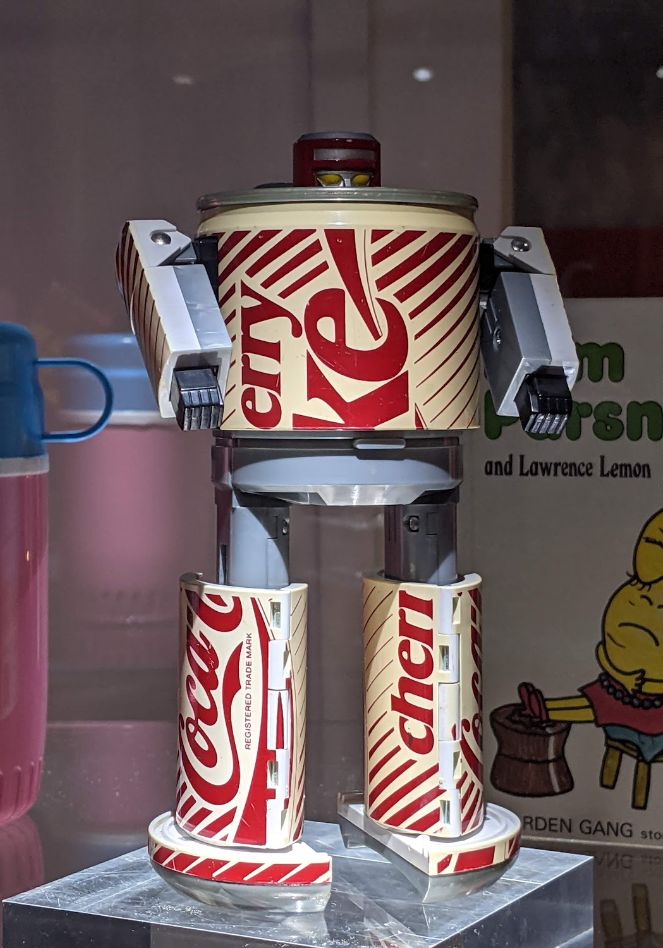
Robots in Disguise
The best toys were the Transformers. My first one was a Gobot, I still think about the hours spent playing with these, on my own, and with friends.
All of these pictures were taken in museums, Barnsley, and York. It’s quite sobering seeing our ‘now’ being preserved for posterity. We can no more stop the march of time than we can tell the tide to halt, but it’s fun to look back in simpler times.
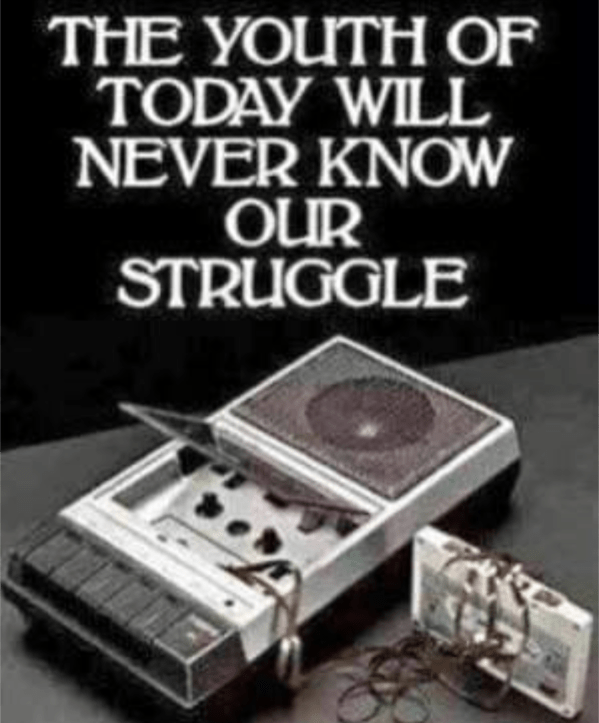
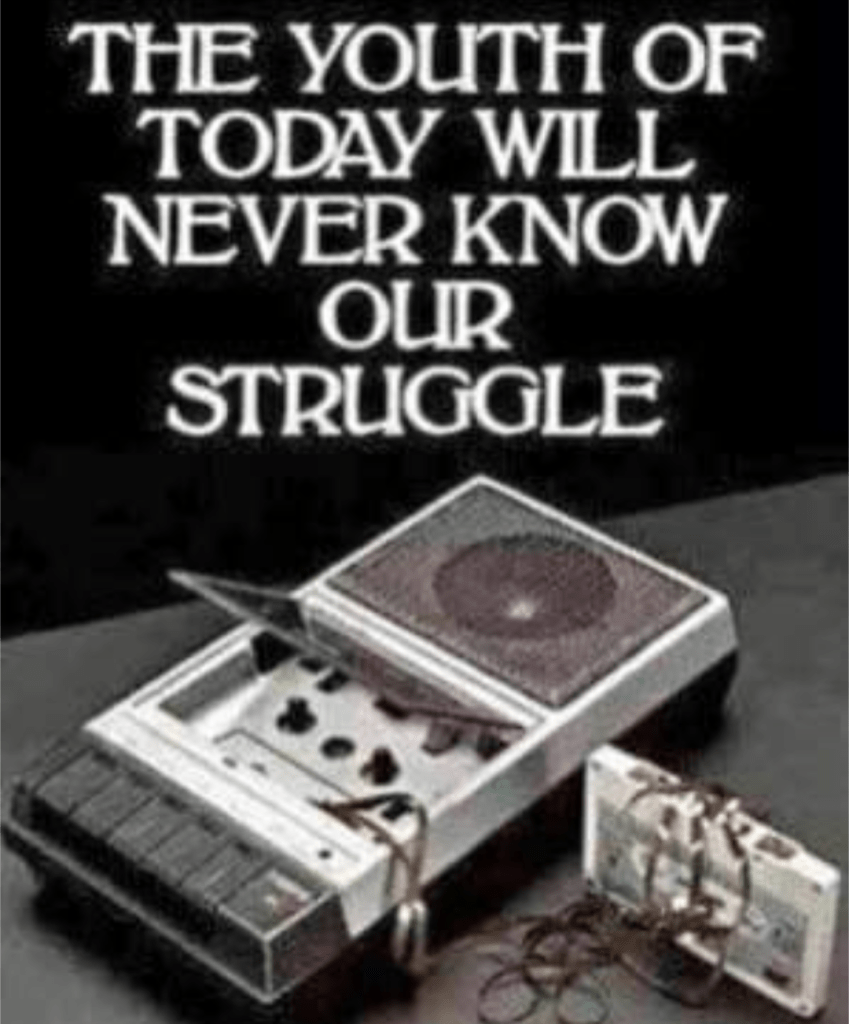
A Facebook meme. I am spending way too much time on Facebook. How much is too much? Some. Some time is too much many might say. But anyway. A meme cropped up.
A struggle indeed
The image of an old cassette with its tape all mangled and caught up in the tape head mechanism. Yup. How awful that was.
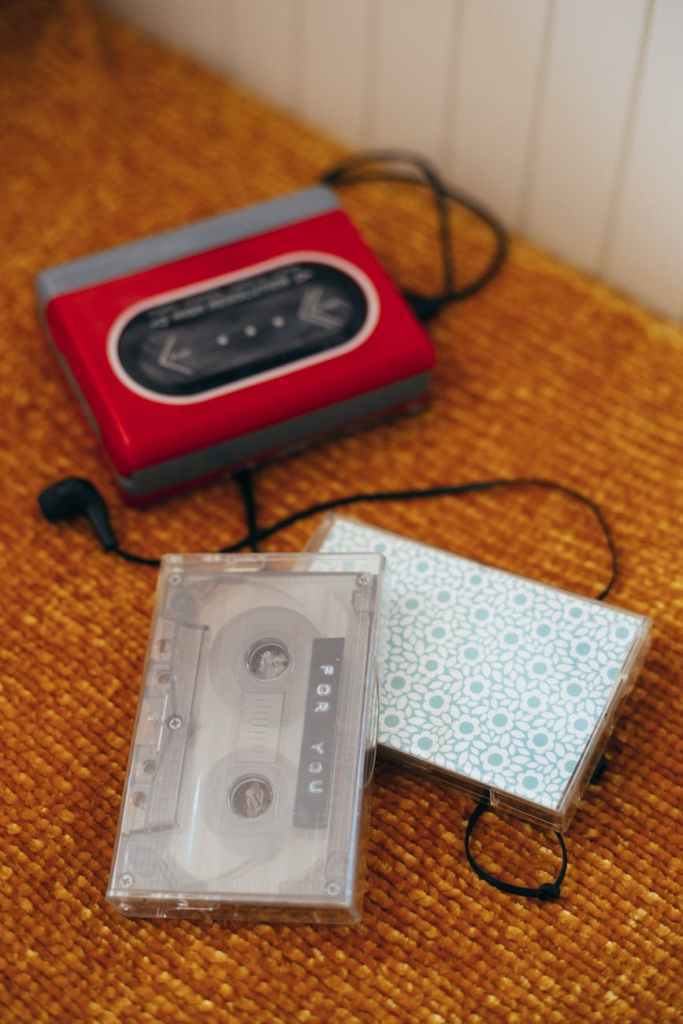
I remember one Christmas, probably 1988, I received a Walkman type device with headphones, and, among other things, Kylie Minogue’s first album, on cassette. That Christmas night I dutifully went to bed when I was told. With the lights out, and me all snug beneath my duvet, I put on the headphones and pressed play. I didn’t even hear the first song in full. “I should be so luc…”
The tape player mangled my brand new Kylie album. And that wasn’t the first and it wasn’t the last. But what could be done? My room was full of cassettes. I had them for music, I had them for computer games, I even had audio books and a beginner’s course in French.
CDs changed that, but they changed a lot more than the mangling of tape and the bother of rewinding. They brought the repeat function, the skip function, and the program function, and that was no bad thing.
I didn’t give it a moment’s thought at the time. I didn’t have to listen to songs I didn’t like, and I could listen to my favourites on repeat, in superior sound quality, and no risk of damage or even wear.
Then came MP3. It became possible to rip your songs from your CDs and play any song at random. Out of the hundreds of songs I’d collected over the years I only ever listened to a handful.
And then streaming came along and you could listen to any song you liked, whenever. Virtually any song ever recorded was now at your finger tips. I occasionally listen to a song or two, maybe every other month, if I feel like it.
Now, this train of thought keeps me going back to a quote from Star Trek:
We believe that when you create a machine to do the work of a man, you take something away from the man.
Star Trek: Insurrection; Sojef to Picard
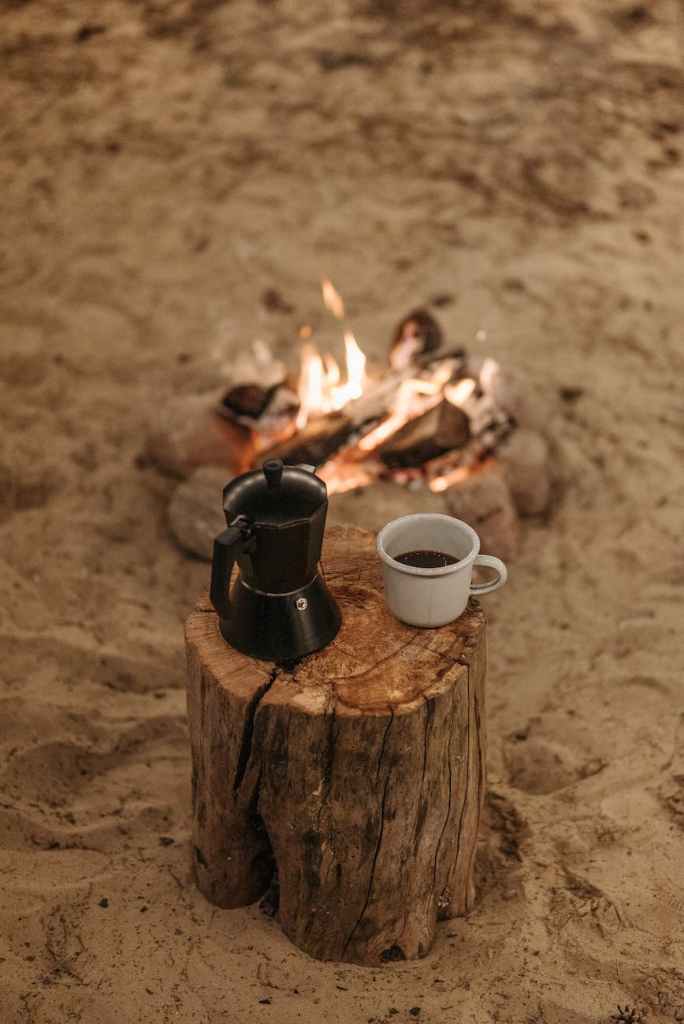
In star trek, a group of people on some distant world had opted not to use their technological prowess because it lessened them, diminished them. I can see how that might work. But I’m not about to start listening to music on cassette again because streaming is too easy. That would be like cooking on an open fire in a wood because a kitchen is too convenient. But isn’t that what camping is?
Who needs a kitchen
When I was a teen I caught the bus every day to college. The journey was an hour. In the morning I would listen to Alan Parsons Project’s album Pyramid, on the return journey I would flip the tape and listen to I Robot. Thirty years later, every note in every song connects me immediately to a specific point on the bus route. Conversely, on the rare occasion that retread those ways, I automatically think of the song. Such is the power of the music, and it’s not just the song, it’s the emotions, the fond memories that it evokes. I doubt I’d have that if I’d had an unlimited playlist, or even a skip button. But that’s not all we’ve lost.
It’s not a major thing by any means. I don’t think the youth of today would believe they were missing out on anything. They’ve got their own music, and their own struggles. But this meme came up while I was pondering the nature of bliss. This is a philosophy blog afterall, and I was looking for a way to articulate this theme, that we cannot know bliss unless we know strife.
If a song is just a voice command away, it must surely have less value than a song that is recorded from the radio using a separate audio recorder to radio, speaker to microphone, in a noisy house with annoying siblings. And when the device can destroy your efforts. The song, listening to the song, enjoying the song, is the reward for the effort of simply hearing the song.
It’s a small thing, listening to a song, but it’s also a win. It’s a small win, but it’s an achievement none the less, and the way our brains are wired to give us little chemical rewards, dopamine I believe, when a plan comes together, missing those little wins must surely have some cumulative effect.
I’m not passing judgement on people’s lives, lifestyles, or life choices. We are where we are and what is is what is. A lot of the effort has been removed from our lives and yet we are in the midst of mental health crisis. I think there is a connection and that the struggle was confined to audio tape.
Thanks to Facebook I am exposed to a lot of unhappy people posting about poverty and misery, and sharing memes of their hopes that a communist revolution will resolve all of their problems. They haven’t thought it through. But I also know that there is genuine hardship out there, and that not everyone has an easy ride.
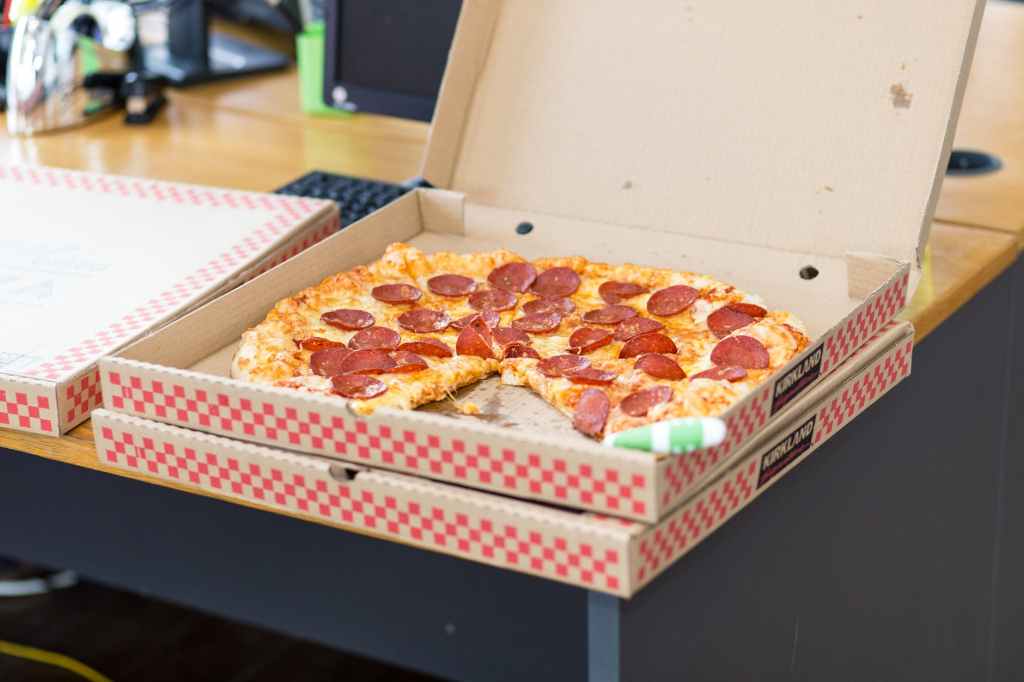
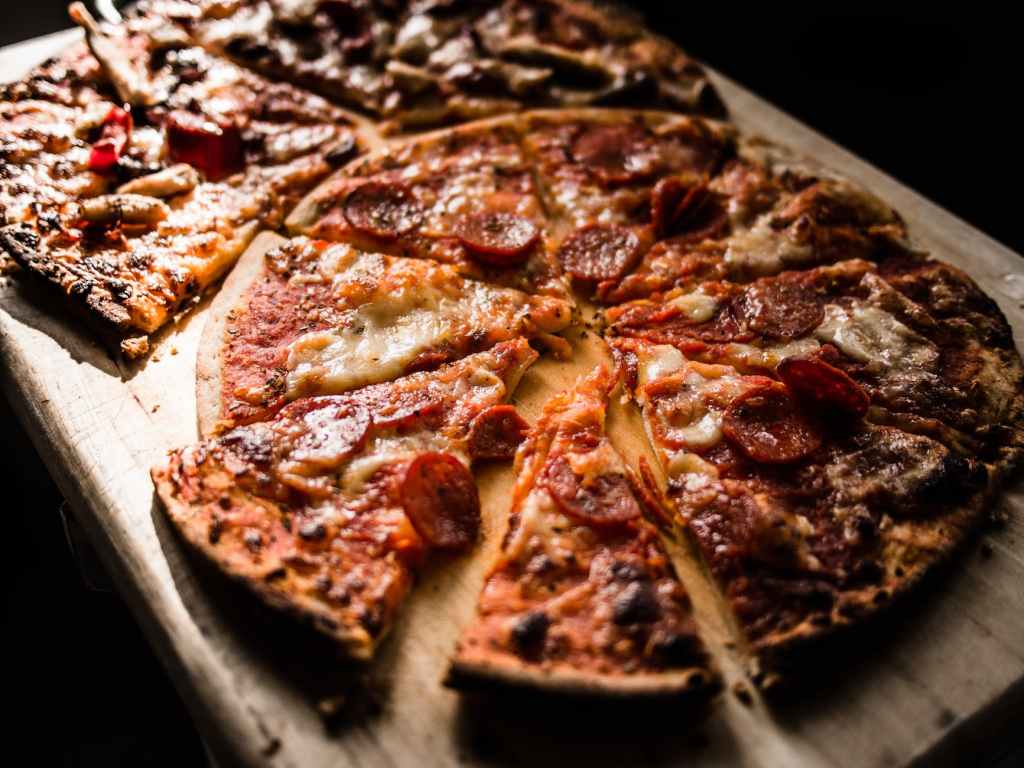
But take food as an example. If you want a pizza you can buy a basic one for 99p from the store. Or you can buy a premium one with stuff crust and generous toppings for £5. Or you can pay about £8 and have one freshly made for you and brought to your home with just a few commands on a smart phone app. I would argue though, that takeaway pizza for £8, though it might have better toppings and higher quality ingredients, it doesn’t have the value of the 99p pizza to the person with only £1.02p in their pocket that has a mile to walk to the store and a mile to walk back, and barely has the funds to cook it. Value comes from the struggle, and the struggle brings reward.
But back to the pizza. You want pizza, you can have pizza, very conveniently and tasty too. Then you have the extra time available because the pizza takes no more effort than sliding into a hot oven and sliding out when it’s done. There’s even a machine to wash the plate for you. Effortless and unrewarding.
Imagine that pizza if there was no supermarket and there was no takeaway. Just a butcher, a green grocer, and general store to buy flour and yeast, meat and veg, and oil, and spices, and if those shops were separated by some notable walking distance, and some produce were in short supply. One might be tempted to not bother with pizza at all, too much effort, have a sandwich instead. The pizza has become unobtainable to some extent and it’s value has increased. It has ceased to be the easy option, it is no longer junk food, it has become an endeavour.
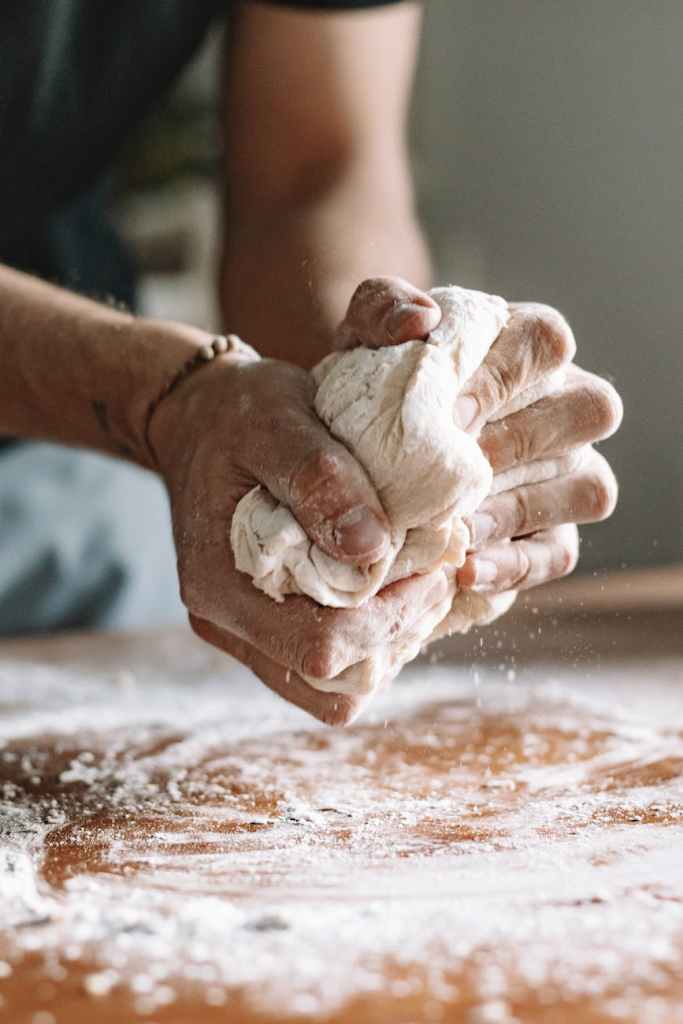
Endeavours involve struggle that leads to reward. This is a tough problem though, and it affects all of us, unless we have a calling to pursue. You might think that making the pizza from scratch might resolve the issue, and although making a pizza from scratch might taste nicer than the store bought variety, the reward isn’t there because the struggle isn’t real. You choose to make pizza the hard way, with readily available ingredients from the supermarket. There might be some reward the first time you make it, that’s the learning reward, but it’s not a struggle, it’s a choice, an indulgence.
Boxes
More and more of our life is being prepackaged for our convenience. More and more of our jobs are becoming automated. About ten years ago, maybe more, probably more to be honest, I wrote a short story about a shop that had no staff and no check out. You just walked in, took what you needed, and walked out. The shop would know who you are, what you took, and charge your account for it. Those shops exist now. I thought it was a moment of genius foresight and never expected them to become a reality in my lifetime, I never suspected that they were already in development as I wrote my story.
Where does this leave us, as a people? The meaningful work done for us. What then? It’s been suggested that we’ll all need some kind of basic income, but what do we do with that? When our most basic needs are met and our whims catered to. What then?
Maybe Star Trek has the answers.
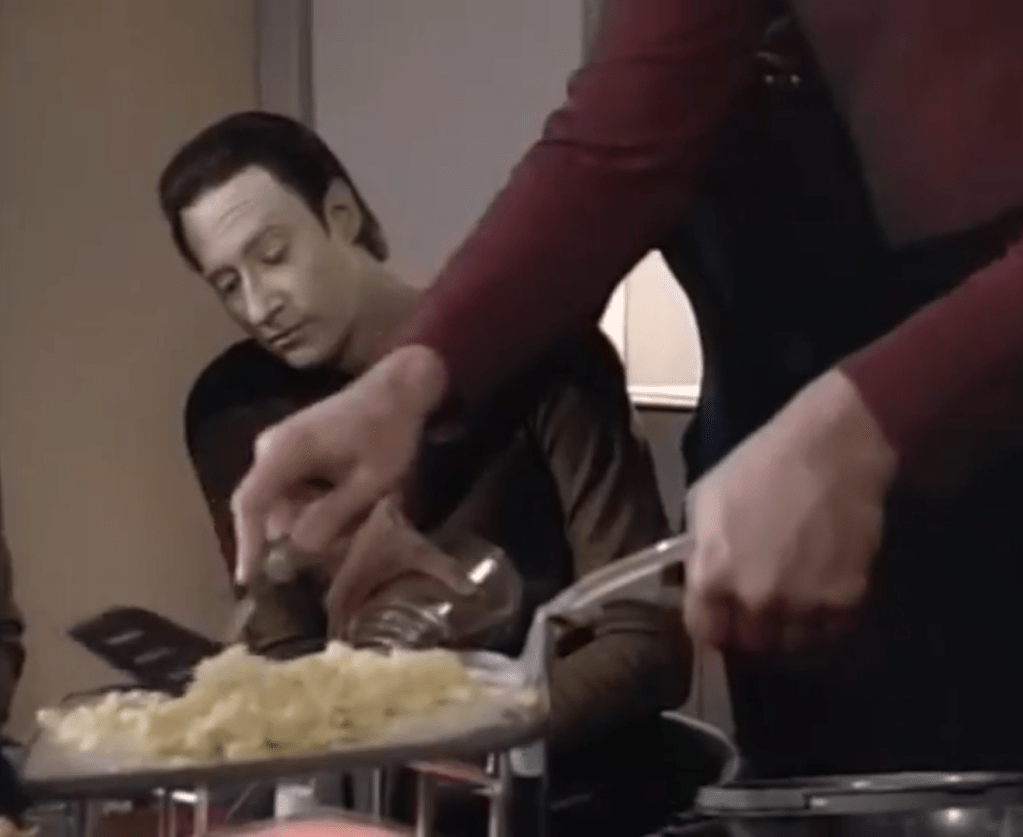
Food cubes or Katarian Eggs, I’ll pass
Star Trek is that bizarre utopian future where everything is taken care of, but they’re on a star ship exploring the universe, so not the same as our situation. I think if I was on a star ship I too wouldn’t be bothered by the coloured food cubes, they’re in space, meeting aliens. There are exceptions though. Commander Riker sees the failings of the replicated food and he tries to cook eggs, but he’s not very good at it.
This is all a long winded way of saying something isn’t right. The youth of today won’t know our struggles, but they have their own. The world is changing. We’re on the cusp of super conductors, cold fusion, quantum computers, abiogenesis, and who knows what else. The world is changing so quickly, but if we don’t find some way to restore purpose to everyone’s life, the struggle of a mangled tape will be a luxury beyond the imaginations of our future generations.
It was a warm spring day in the eighties that I discovered the piece of art that is Ghibli’s Castle in the Sky. I remember it particularly well because my aunty had come round to cut my hair and I ended up missing a good chunk of the movie, but what I remembered of it stuck with me for about twenty years or so until I found the DVD.
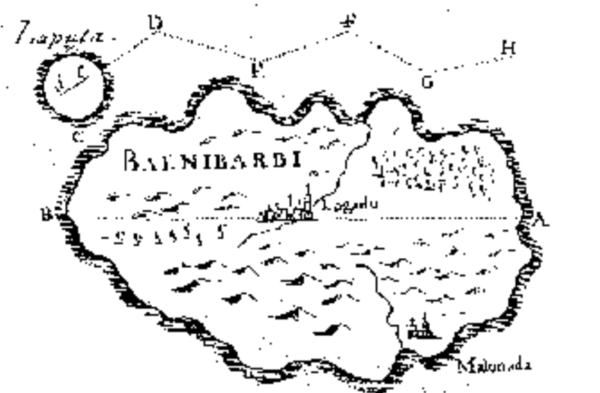
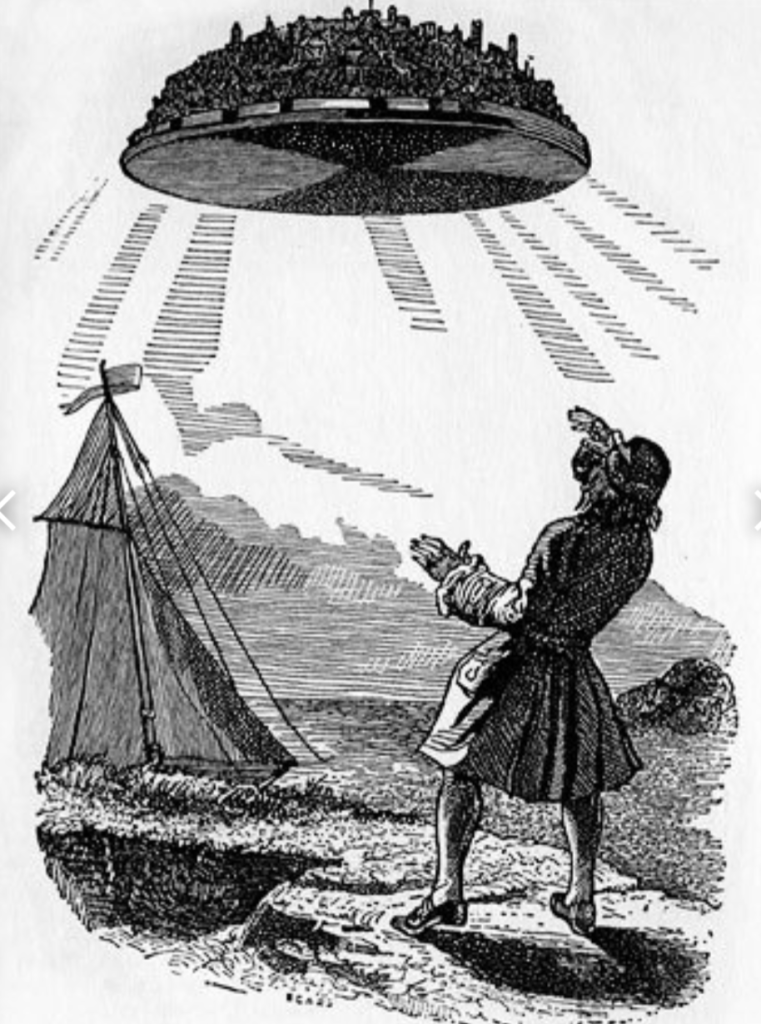
Laputa, Castle in the Sky is an animated movie based loosely on one of the bonkers communities encountered in Jonathan Swift’s classic Gulliver’s Travels. In it, the eponymous Gulliver encounters a madcap people inhabiting a floating castle, directing it with the magnetism of core load stone.
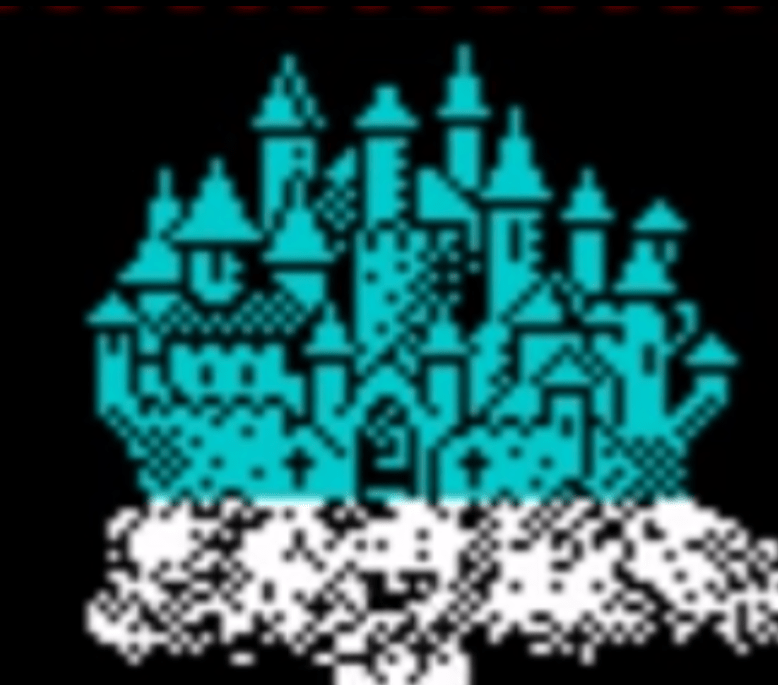
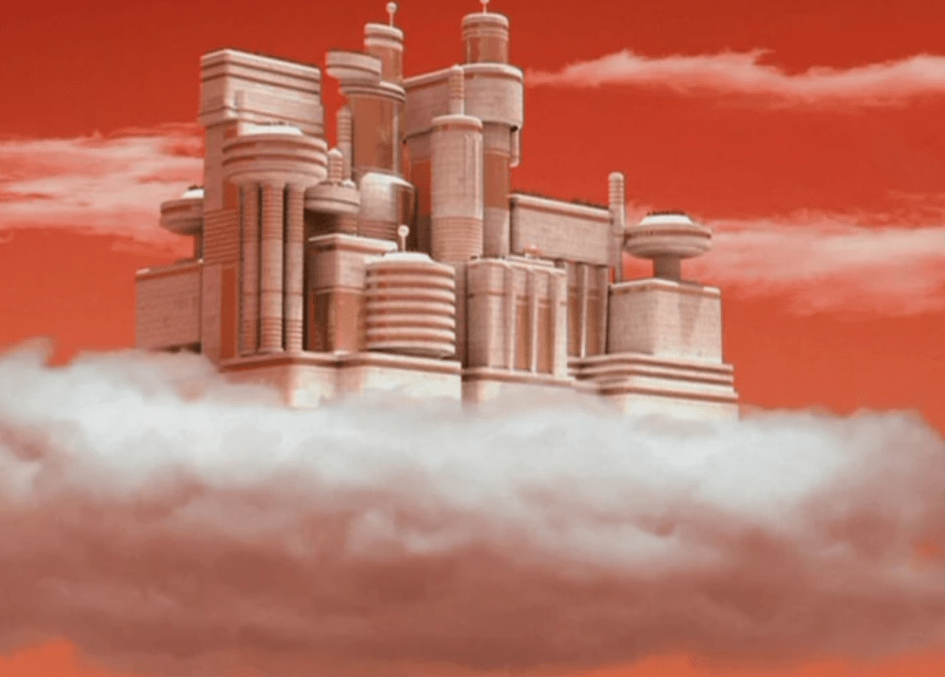
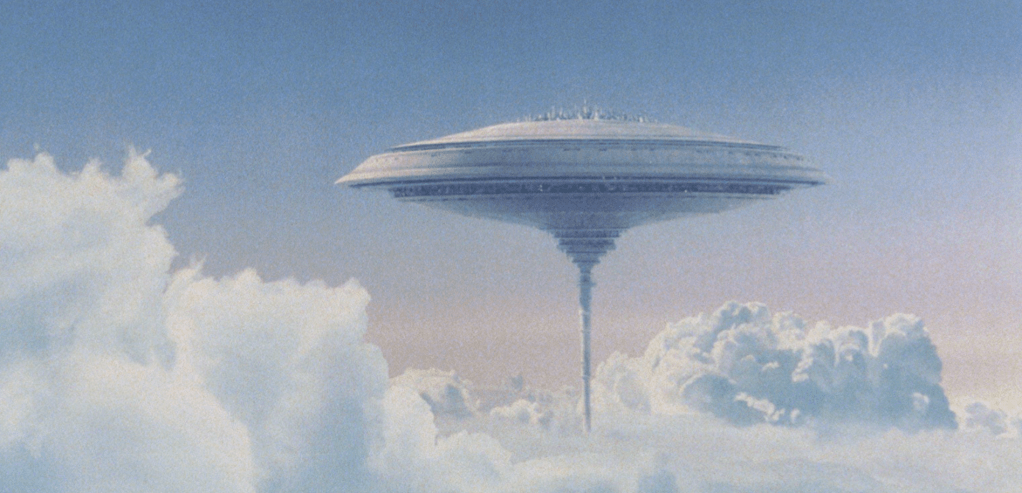
Cloud castles do hold a certain fascination in our civilisation, and they crop up time and time again in both our folk lore, and modern intellectual properties, from Star Trek to Star Wars and everything in between, there are cloud castles or cloud cities.
Cloud Cities
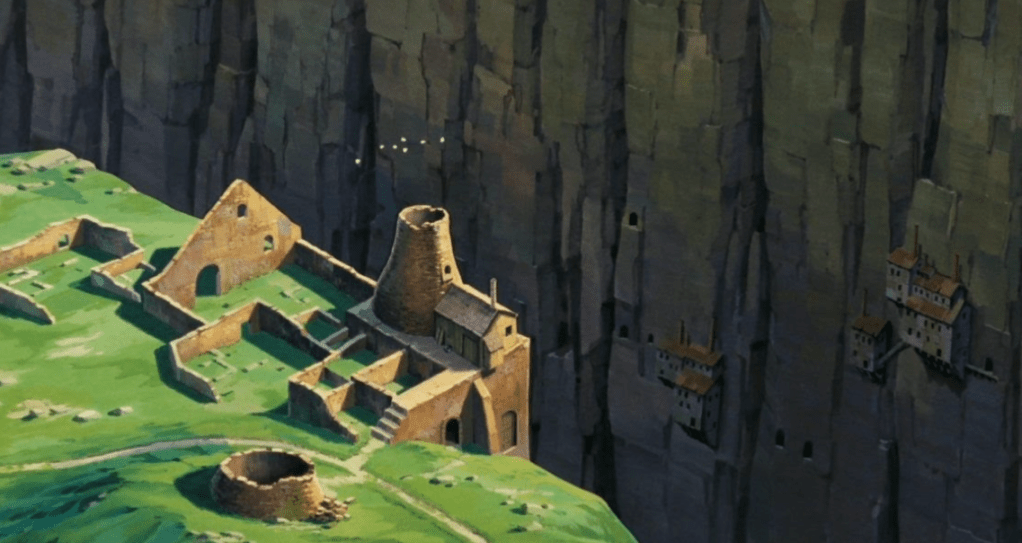
But fascinating as floating castles are, that isn’t the true appeal of the movie. The location of the story isn’t specified, there is no indication of when this takes place but it feels like the early twentieth century in Europe. Steam power and flat caps, but this isn’t a historical piece. There is powered flight beyond what we have, massive airships and insect inspired winged single seat craft.
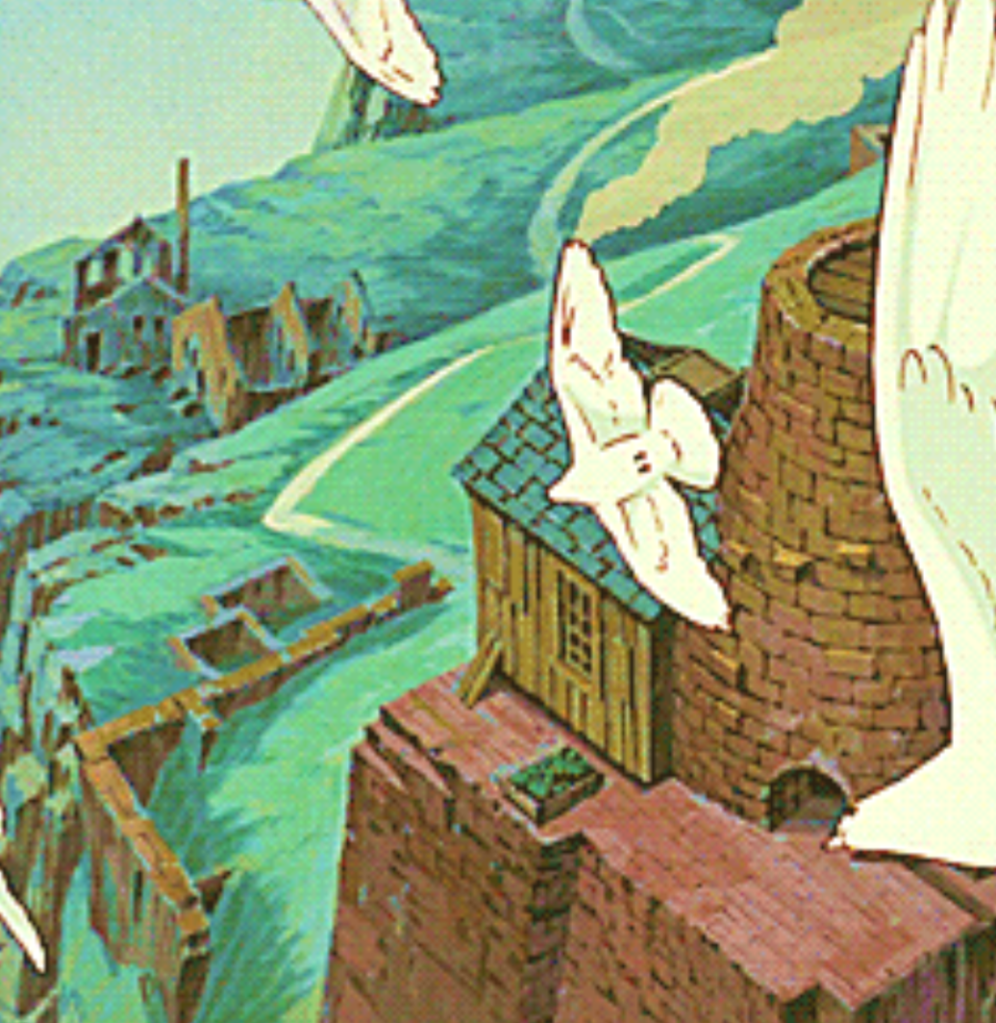
When and where this is, we do not know, but there seems to have been a great destructive war and the people that are left are just getting on with it. The backdrop is that of post industrial decline. Crumbling brick buildings, factories, furnaces, mines. It’s a nostalgic post golden-age golden age. That’s the only way I can describe it.
The lives of the characters we meet look tough. What they have is old and broken, they mend and make do, and they work hard to survive in a harsh barren mountainous area. But they laugh and they smile and make the best of it. Except of course for the antagonists. There are forces in this world, above the lower orders, with agendas and schemes that intersect with the sleepy mountain town when a stranger falls out of the sky, and when outsiders arrive in the town to find her, the residents are not to be pushed around.
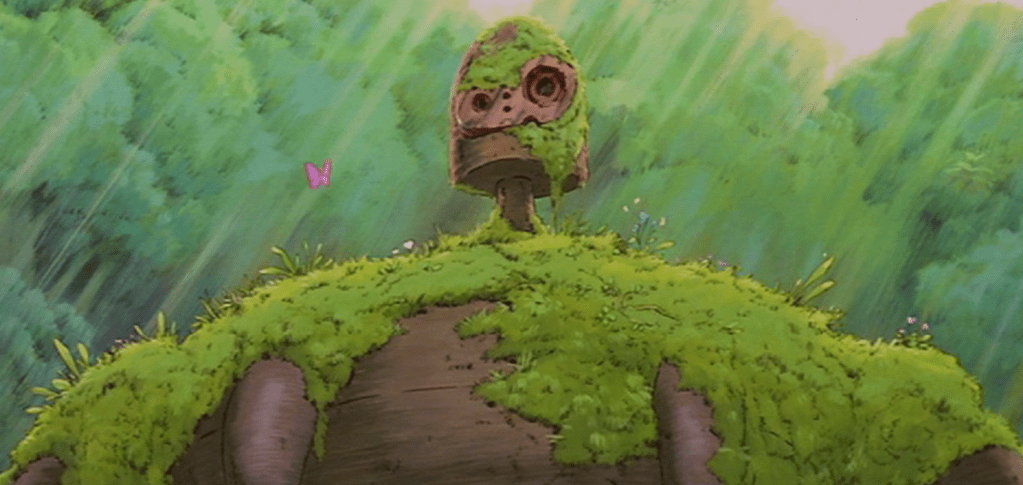
It’s a golden age of freedom and innocence, of kinship, community, and honest work, but all around there are clues to a golden age of abundance that has since been lost, the mythical floating island, and their terrible weapons of war, the mysterious giant robots that are dotted around the countryside, rusting, overgrown, returning to the Earth.
There is something both alluring and distantly familiar about the world presented here. I’m reminded of the eighties, when the mines closed, and the steel works, and the factories were left to decay and collapse, the dismantled railways overgrown, like the giant robots, and left to return to nature.
There is something unsettling about living in this age of uncertain abundance. That saying, “easy come easy go”, it is usually said so casually by some vagabond or scrounger type character, but it’s actually a warning. That which we gain with ease, we can lose with ease. I can’t deny the convenience of being able to go to the supermarket and buying an oven ready chicken, but I’m entirely reliant on others, a chain of others, to ensure that there is a chicken there for me to buy. That situation seems way more precarious than the self reliance of a small community living atop a literal precipice. The image of self reliance against adversity is as compelling as it is romantic.
I can’t help but feel that there is a message in this movie, that we have perhaps missed something. A great civilisation of massive power and achievements has crumbled away, and no one remembers it, no one mourns it or even speaks its name, and no one seems the worse for it. That is not to say I’d like to see a collapse of our civilisation, by any means, but a bit more self reliance would do us all the world of good, but I worry we’ve lost the capacity for that. Can’t exactly keep chickens in a one bedroom flat, but I suppose that’s what is romantic about it, it’s unrealistic.
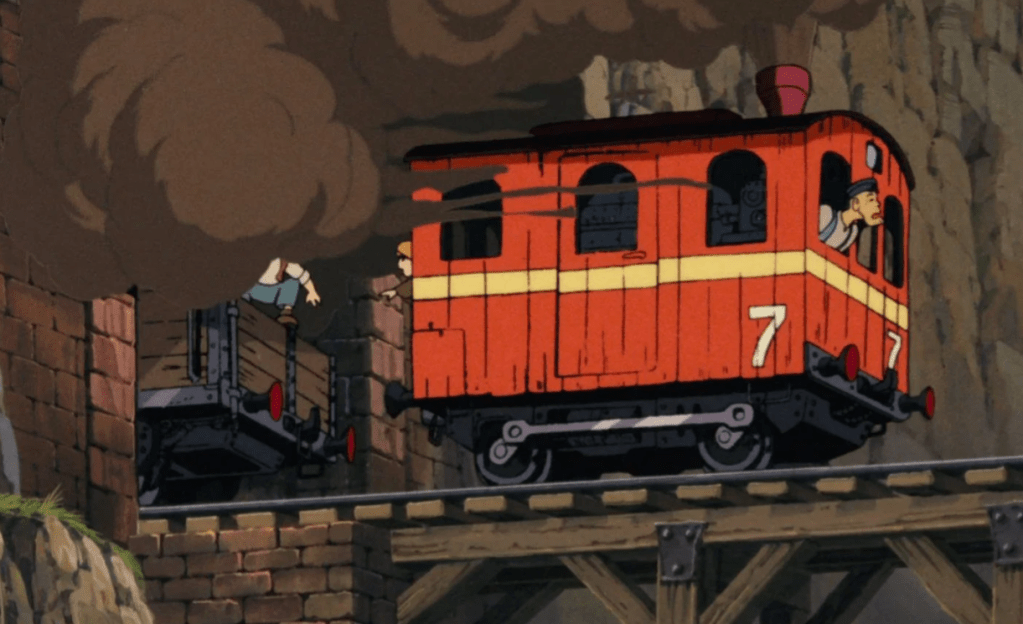
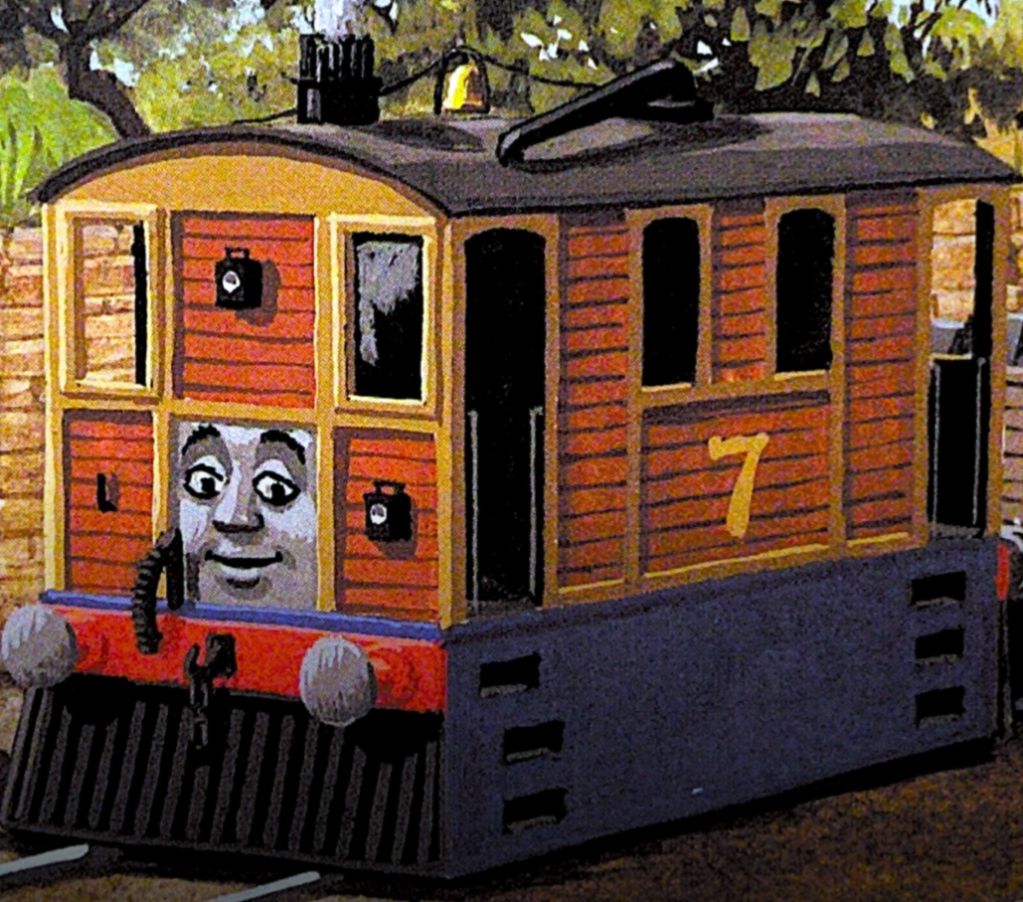
I can’t end this post without mentioning the trains though. There is a wonderful steam railway running through the mountains, carrying coals and wares, and of course the military for its unknown manoeuvres. I can’t help but notice the similarity of the locomotive number 7, to another number 7. Someone once said that there is no such thing as a coincidence, only the illusion of coincidence.


 Duggan's Dig