As I write this, the Omicron infections are rising, and as a new lockdown looks imminent, it is, once again, temporarily, academic, for the foreseeable.
I’m talking about Working From Home, or WFH as it’s often shortened. Ever since the first lockdown, when anyone who could work from home was instructed to do so, and anyone who couldn’t was paid to stay home. Unless of course they were a key worker. A driver, a nurse, a shop assistant, a butcher; anything that the country needed to operate.
At the start of 2020, the world wasn’t ready for Working From Home, psychologically at least. Pragmatically, many millions have been working from home for centuries in their home businesses: cottage industries, freelancers, and the like.
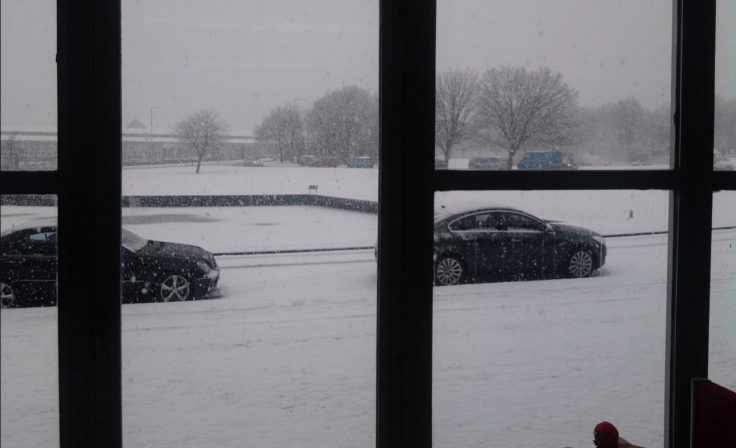
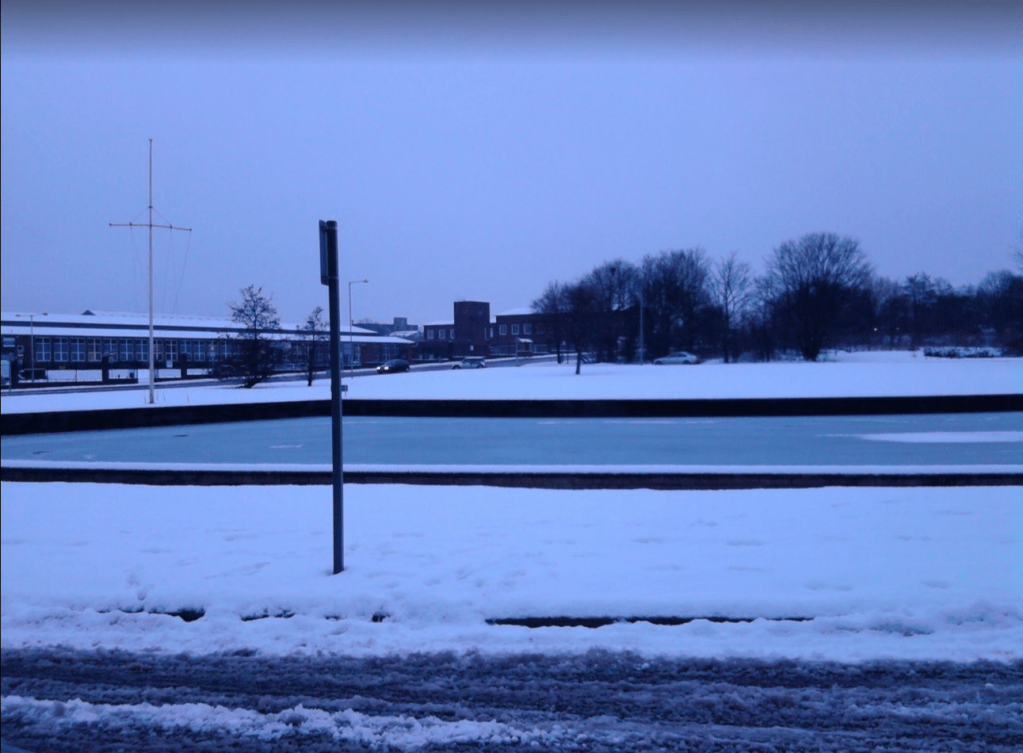
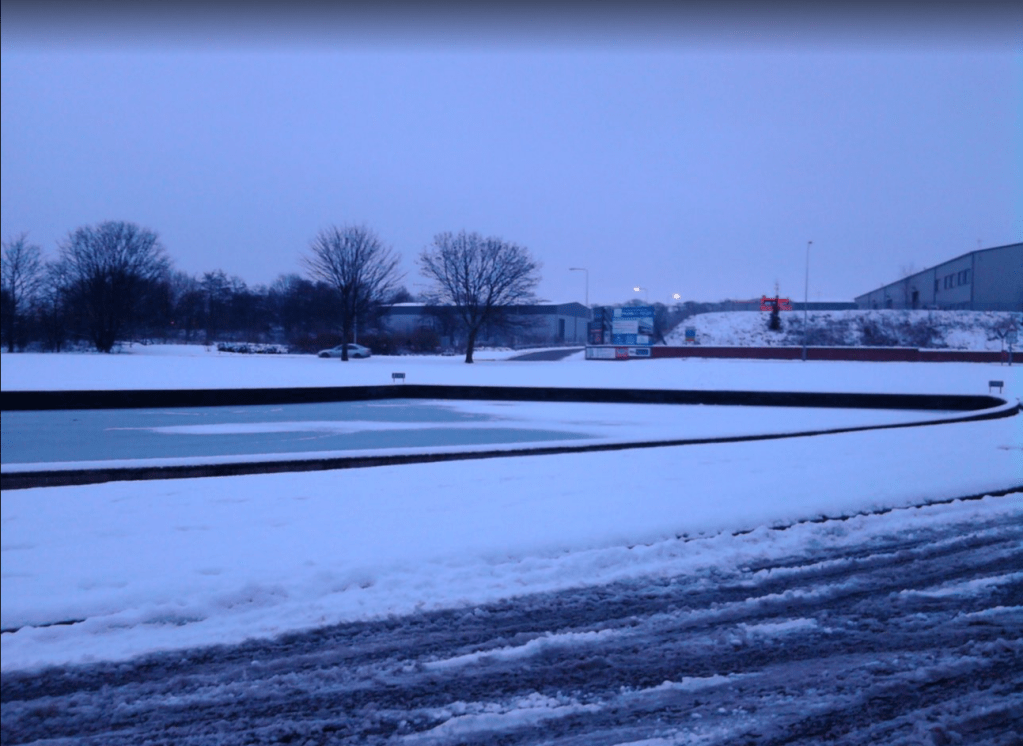
In 2009 we had snow. Lots of snow. Lots of snow in comparison to places that don’t get snow, but just a dusting compared to the snowy alpine countries that deal with several feet of snow on a daily basis. Switzerland doesn’t grind to a halt when there’s a bit of snow, they say, and it’s true, but they’re always expecting snow. In 2009, it snowed, and I remember being in the office as colleagues gathered at the big glass windows and watched everything turn white. Everyone checked the weather news sites, and one by one, reluctantly, declared that they couldn’t risk being stuck, so left work early.
I was one of the more persistent ones. It wasn’t that work needed me. I was an analyst, I provided monthly figures, but I felt this unfathomable pressure, a duty to stay at my post whilst others lost their heads. “What if they needed the First Time Permanent Reinstatement figures three and half weeks early? I really should stay.”
Eventually the Director walked by and saw me stood looking out the window. I don’t remember exactly what he said but it was something along the lines of “What the bloody hell are you still doing here? You’ve an hour’s drive in this you idiot. Sod off home and be safe, and for God’s sake drive carefully!” There may have been more swearing. Actually, there might have been less, I do tend to embellish my anecdotes with every retelling.
But why am I writing this? Much as I like recalling this tale, I do have an actual point. There is a thing, call it a condition, that inflicts our industries and encourages bad practice and drives inefficiency. That condition is Presenteeism. The idea that career progression is best served not by productivity, not by what we do, but by what we are seen to be doing.
Make sure that everyone in the chain of command knows what car you drive and make sure they see it in the car park when they arrive at 7am, and make sure it is still there when they leave, even if it’s 10pm. Have a jacket on the back of your seat so when you’re not there, you can’t be far away. Always make time for the CEO and those around them, but always have something important in your hand, and always be on the way to somewhere. Be aloof, but available if needed. Don’t be afraid to big yourself up and get junior staff to do some of your work. I’m obviously exaggerating here to some extent, but there’s a lot of it going on.
But what does this have to do with the snow? The very next day the whole country woke to a fresh covering of crisp white snow. When it snows overnight you don’t even need to look outside to know it’s snowed. You can hear. Everything outside is muffled, muted, like the volume is turned down.
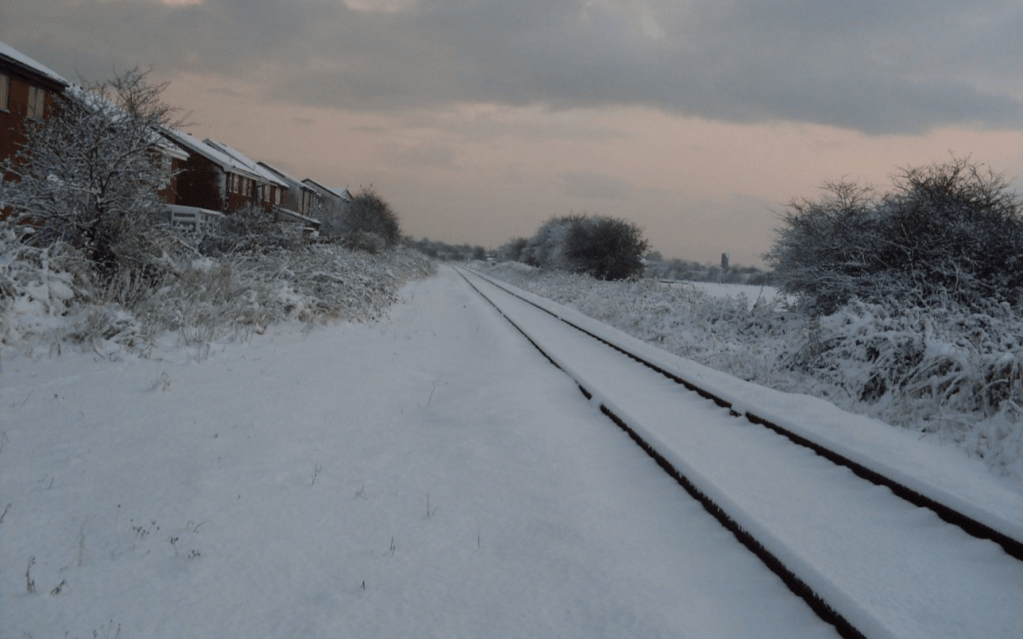
Outside on the street, neighbours were returning to their homes, unable to leave the village because of the ungritted roads were too steep to climb. I couldn’t go to work even if I wanted to, so it was lucky that the boss called me on my company phone and told me that the roads were treacherous and under no circumstances must I attempt the journey. Brill, but this didn’t mean that I could just go back to bed, or sit by the window with a hot chocolate and watch the sheep huddle in the field across the road. No. I had a company laptop, I had a company phone, and I had access to the virtual desktop. I had access to everything I needed in the office from the comfort of my own home. Except for the best liver and bacon in the world from the staff canteen, I had everything I needed to get the job done.
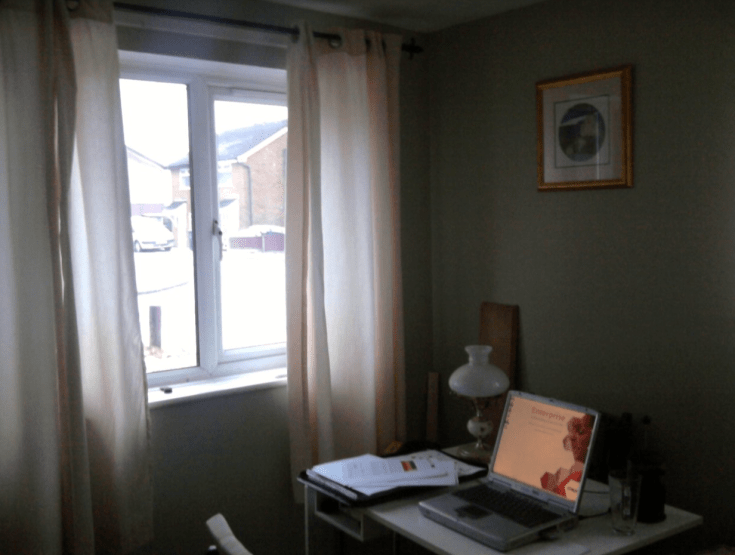
But there’s a problem. How can anyone park their car where it can be seen by senior management – remotely? How can anyone be seen to be doing anything at all – remotely. How could anyone demonstrate their value to the organisation if they have nothing to show for their time?
This was a problem in 2009 and it was a problem in 2020, but technology has moved on. So as the whole world went in to lockdown, and vast numbers made offices in kitchens, bedrooms, and on sofas, thousands felt the icy finger of accountability on their shoulder. “Work from Home?” They said, “Out of the question. Its impossible. A physical presence is critical. One cannot just send emails from anywhere you know. First you must phone the person that you are about to email and for that both you and your colleague need to be at your desks. Then you must send the email, again, from the desk in the office. Then you must ring the person to check that they have received it. And then the critical part, and this cannot be done remotely. You must visit your colleague, or subordinate, and discuss the content of the email while resting against their desk. None of this can be done from home”.
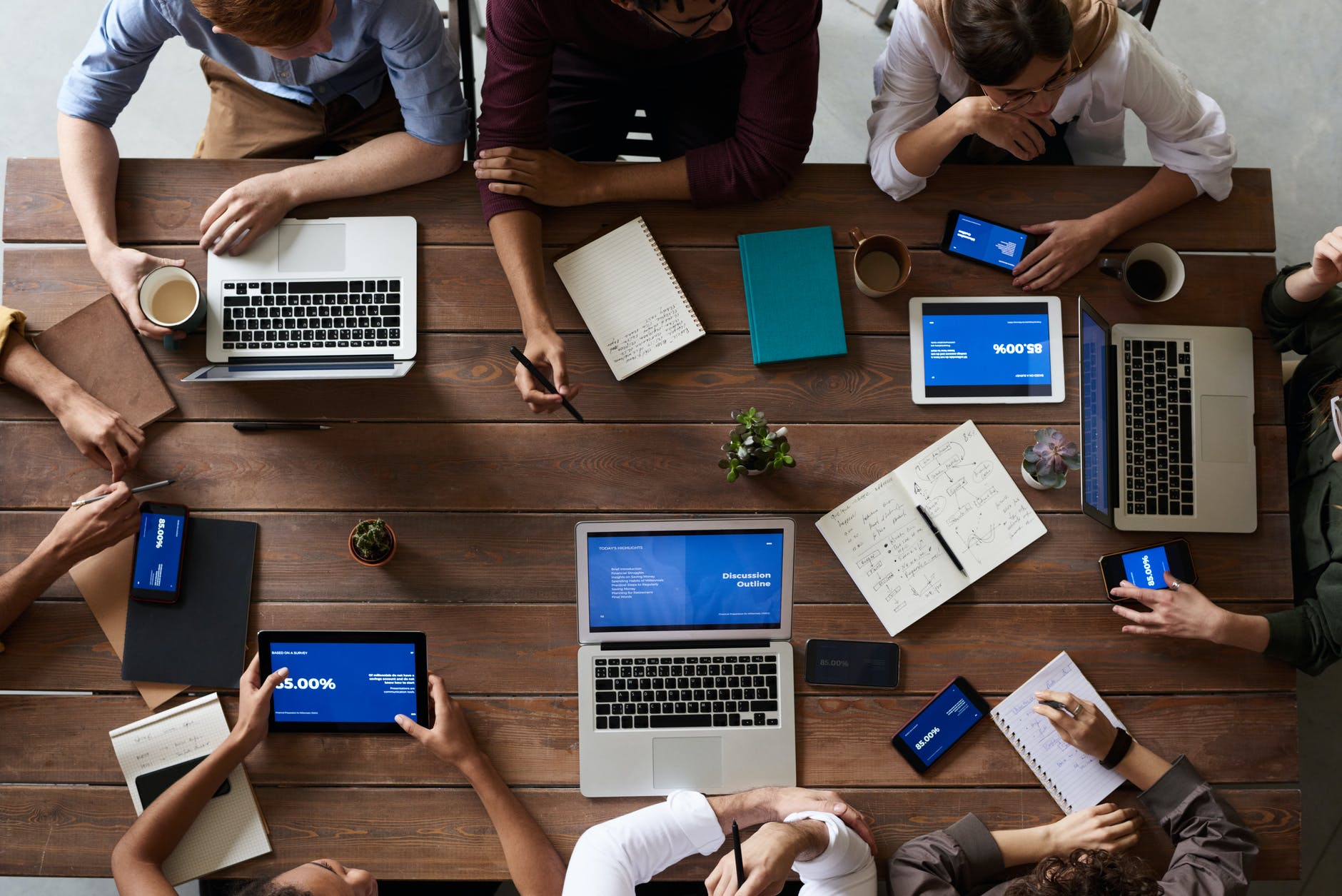
In lockdown, diaries filled with zoom meetings. Meetings about meetings. There were meetings about meetings. Pre meeting meeting meetings. Post meeting meeting meetings. Meetings to discuss the next meeting. Meetings to discuss discussing the next four pre meeting planning meetings and follow up. If nonsense and absurdity had a bastard child it would still be more sensible than that shower. But what does that matter? Everyone is busy, as they should be.
Well not quite. Productivity is right down during lock down. There are numbers and everything so it must true. Even the Guardian says so, and they’re the most unbiased and sensible newspaper in the world ever. Also, now that lockdown is over, there is a reduced footfall in the city centres, less workers eating overpriced sandwiches and drinking over priced coffee, filling over priced car parks, trains and office space. A terrible knock on effect that we are still yet to grasp the full magnitude.
Except. What about the ones that are rather suited to working from home? The ones that have found that they not only get more work done when they are free of the distraction of others, but they don’t really miss the commute?
There are some who quite enjoy the new way of things. No longer do they set their alarm clock for before sunrise to drop of their children in a breakfast club, for a fee, before enduring a long drive or ride to the office. They quite like that they now saunter to their desk at 9am feeling fresh and well rested.

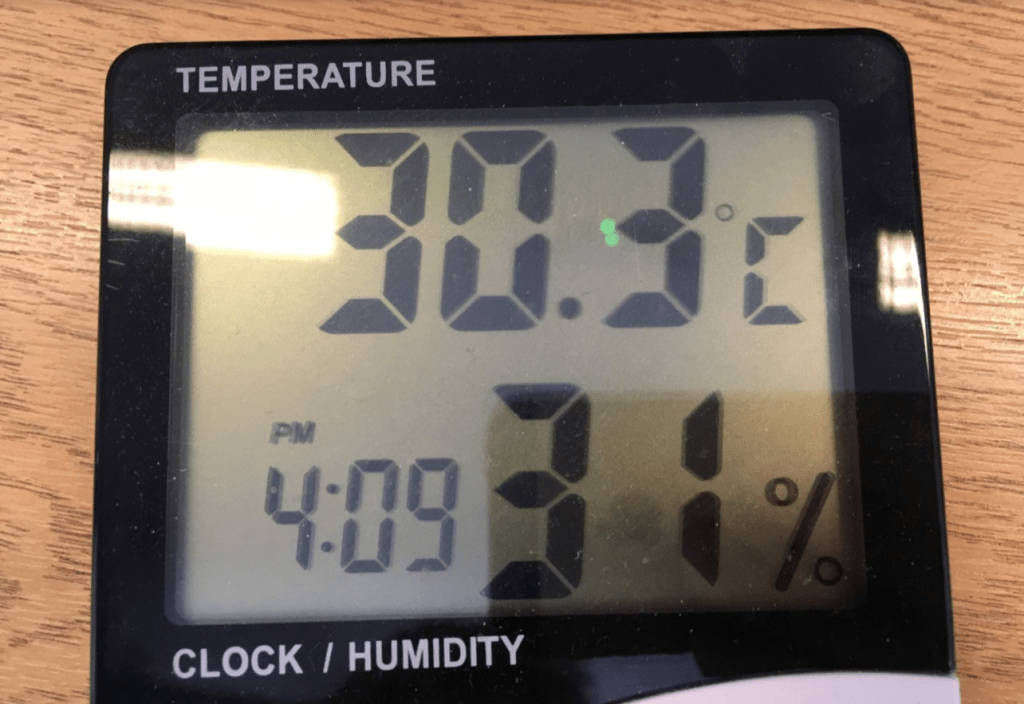
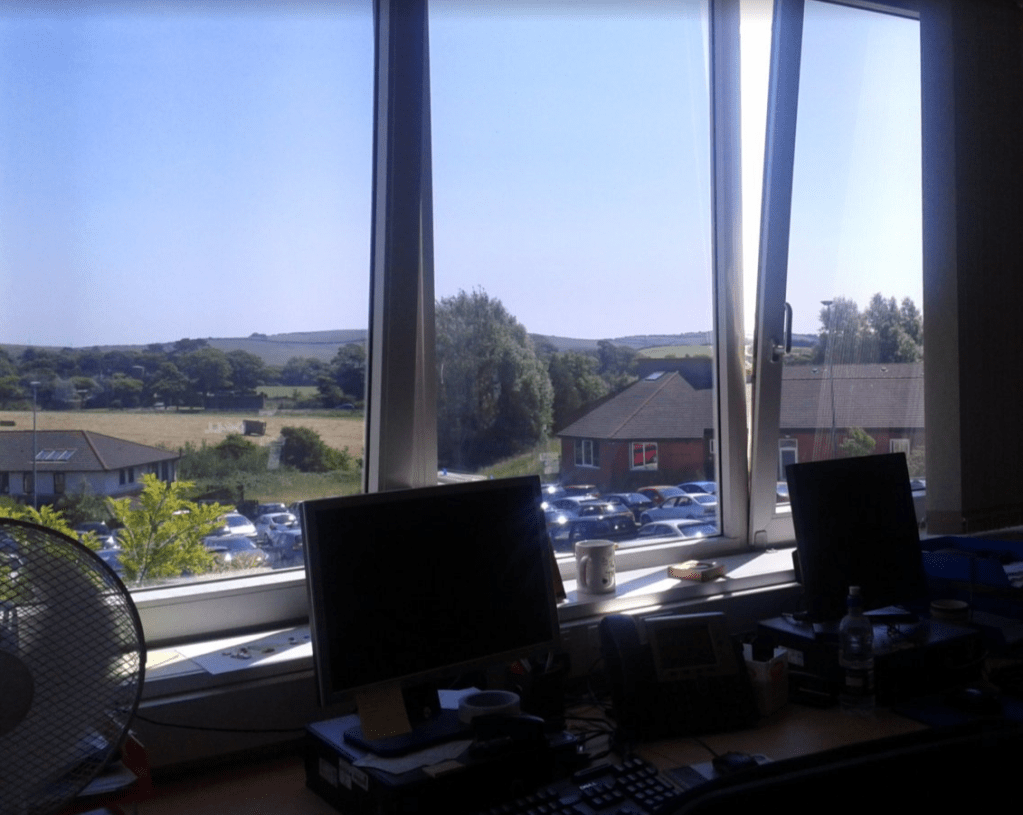
They like that, instead of sharing a cramped office, at the far side of a long commute, and with others that complain about the smell of cuppa soups, or can’t agree on the temperature, or talk loudly on the phone, or fart discreetly but whiffilly, or pretend they can’t hear them with headphones in, and talk about them behind their back etc, they can just sit down and do their job. Some people happen to really enjoy their job but just aren’t interested in office politics. This peculiar type of worker is often overlooked but they do add value to their organisations.
But why aren’t they worried about their value not being seen by the business? Why aren’t they just as desperate as the others to prove their worth? That difference is another P word, productivity, and unlike Presenteeism, it can be measured, and a value can be assigned. This class of worker isn’t burdened by politics, they simply receive their assigned task and complete it within an arranged timeframe, some times alone, sometimes in collaboration, but always more effectively than when also contending with the commute, or Barry’s smelly lunches.
Of course. Any job that can be done as effectively in a log cabin in the Lake District as it can in the office, could also be done in North Korea for a penny a day. While this is technically correct, outsourcing isn’t exactly a new phenomenon. It was tried in the Nineties with IT, and again in the Naughties with customer service. There are still IT jobs and Customer Service jobs in the UK. Automation is by far the biggest threat to job security, but that’s something else entirely.
Then there are the key workers, those whose jobs cannot be done from home. Some would say it’s not fair on them that others have the luxury of working from home. Sounds stupid but this has been said on forums and newspaper comment sections. Others have said that home workers should have their pay cut because they no longer have to cover the commuting and childcare costs if they won’t return to the office. Imagine the outrage if they were told to spend much of their income on something they didn’t need, or if shop workers and drivers were forced to convert half of the kitchen into an office space they don’t need because it’s not fair on homeworkers if they don’t. But let’s not linger on how ridiculous the argument can get.
The cat is out the bag now, the genie is out the bottle. There is no going back to normal, this is the normal. Big shiny offices, and grubby back offices where the support staff are hidden for that matter, are enormous overheads. Overheads that WFH has now made discretionary. While some businesses have taken the line that their staff will work where they are told, where they can be watched, whether they like it or not, their competitors are telling their staff to work where they perform best and are happiest, and are using the cost savings to improve pay and undercut the unresponsive and reactionary rivals.
The industrial revolution brought mass production and transport that changed the face of the planet. Anyone that didn’t adapt was outpaced by those that did. The digital revolution brought the internet and enabled the infrastructure for homeworking. Like the companies that failed to computerise in the eighties, and retailers that didn’t move online, those that snub their employees preference for WFH will also disappear.
Working from home has given me time with my family I would otherwise spend on the commute. It’s given me longer hours in the evening and more hours of sleep. I’m eating better, sleeping better, drinking less, and not missing out on what matters. And on top of that, I put in a good shift every day and the results are there for all to see.
I’m under no such pressure to return to anywhere, but the voices are out there, calling on us all to do our duty and keep Pret supplied with starving miserable workers looking for a quick bite to eat, and the nurseries filled with miserable infants missing their parents for ten hours a day. Well I say no. Not on your Nelly. And so should everyone else.