It may be a fad, it may be the algorithms, it may be my settings, I don’t know. But articles about AI are filling my news feeds at the moment, and truth be told, I’m not reading them.
Last night I found myself with the big TV to myself and an unexpected bottle of red I found next to the Christmas decorations that still need putting away. Naturally I embraced this metime to watch three old transport documentaries from the sixties – who wouldn’t?
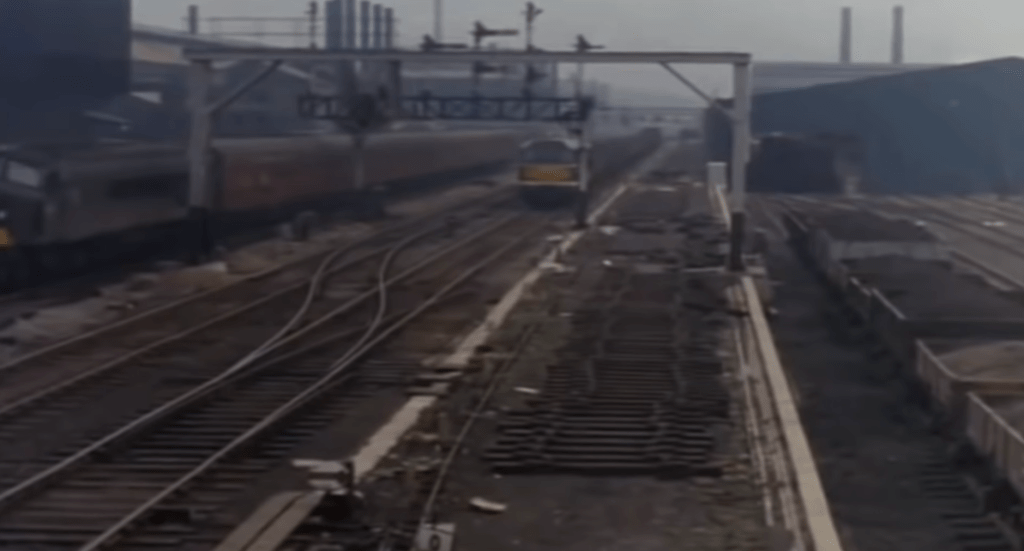
I won’t labour the details but there was a programme about the newly built and most advanced automated marshalling yard in the world, Tinsley. It closed in 1998.
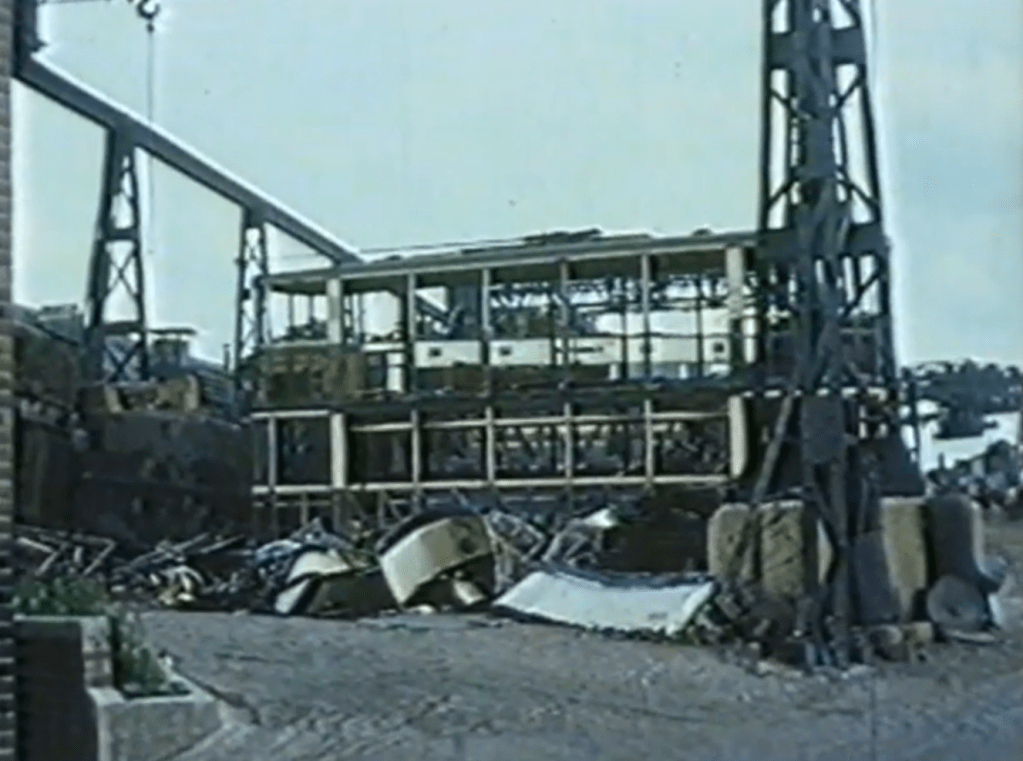
There was another one about the last day of Trams in Sheffield. The rails were ripped from Sheffield’s roads in 1960, and put back in again in 1993.
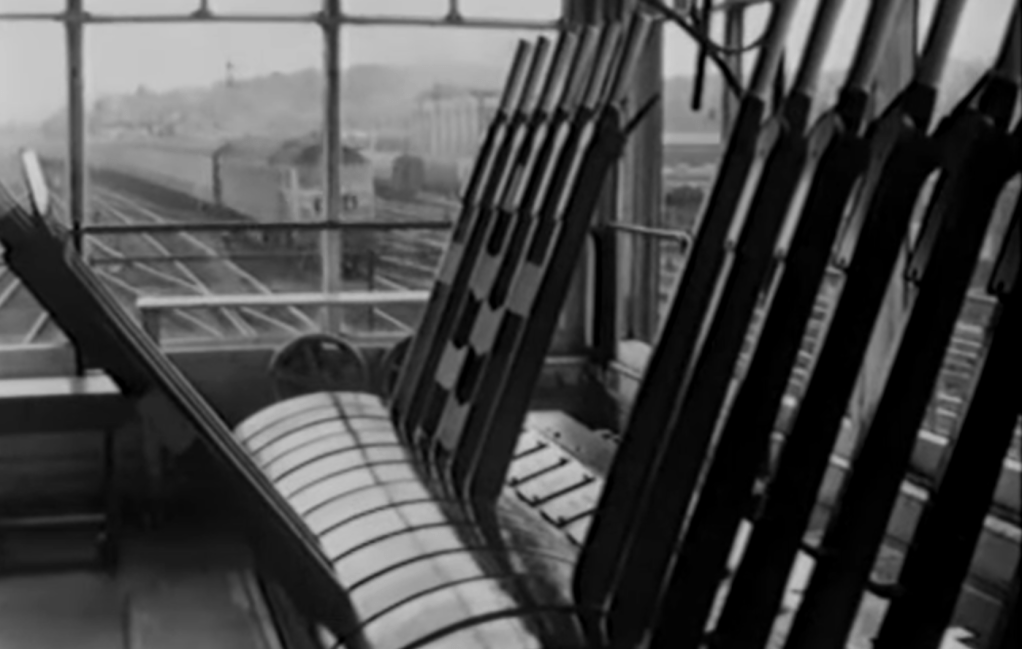
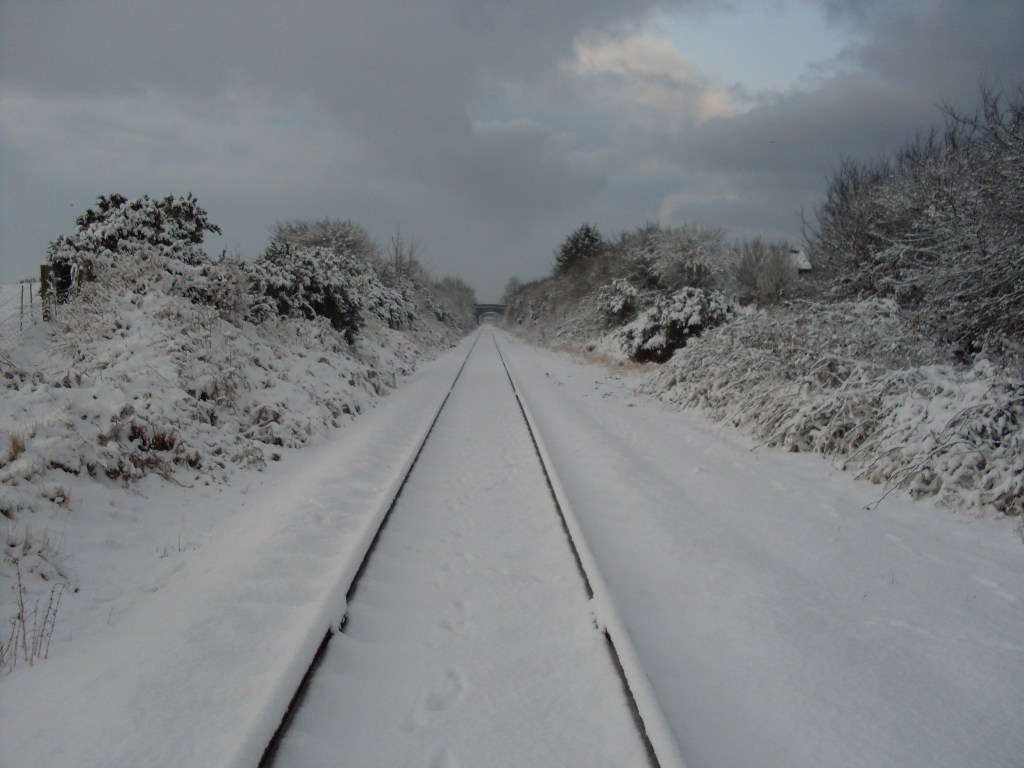
The last one was a BBC documentary called Engines Must Not Enter the Potato Siding. It was a look at the railways and railwaymen in 1969 and spoke to drivers and crew. Some lamented the passing of the steam engine, others espoused the modern electric locomotives. The electric locomotives, and the line they operated are both long gone. The trains went to scrap, the trackbed grassed over.
But what am I talking about trains for? I like trains. Also. It’s change and it’s impermanence. AI, or creative AI is going to ruffle a lot of feathers, and the world will adjust and move on. Banning AI at university because of the potential for cheating would be like banning the library because of its potential for cheating. AI gives students unlimited and context driven information in a form that their assessments require. It’s the assessments that must change, and will change, and as with everything else, it’s the early adopters, the innovative, that will reap the rewards that this new technology offers.
It was a warm spring day in the eighties that I discovered the piece of art that is Ghibli’s Castle in the Sky. I remember it particularly well because my aunty had come round to cut my hair and I ended up missing a good chunk of the movie, but what I remembered of it stuck with me for about twenty years or so until I found the DVD.
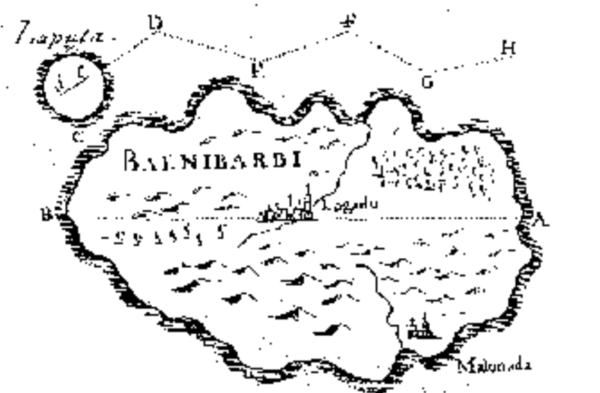
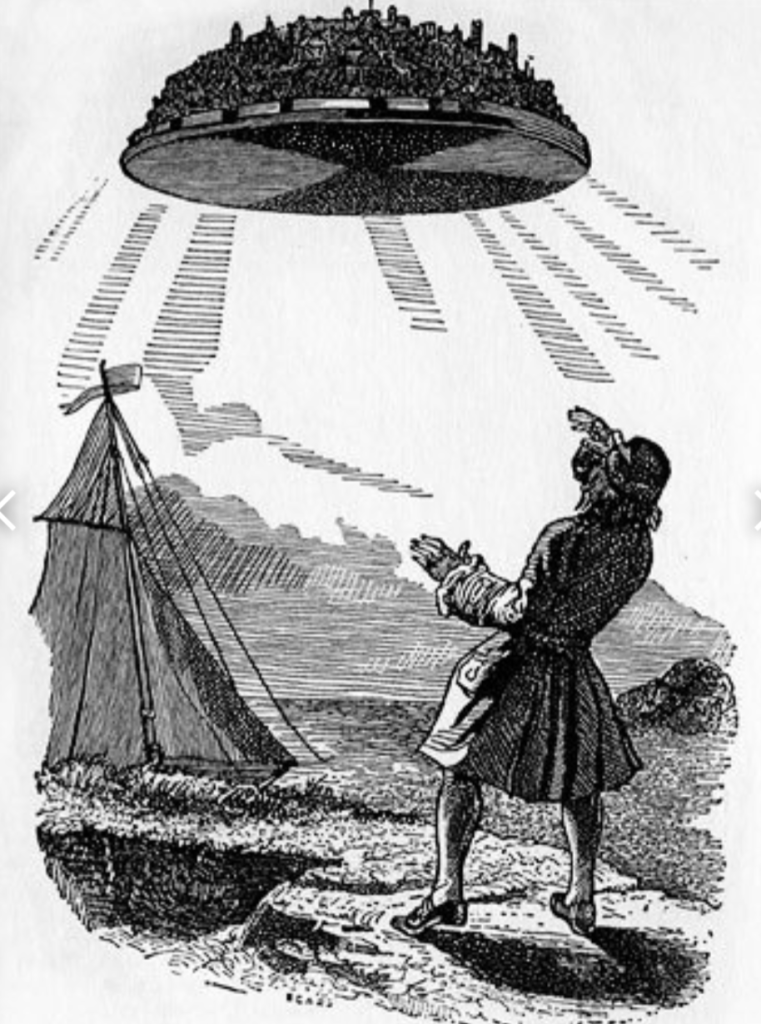
Laputa, Castle in the Sky is an animated movie based loosely on one of the bonkers communities encountered in Jonathan Swift’s classic Gulliver’s Travels. In it, the eponymous Gulliver encounters a madcap people inhabiting a floating castle, directing it with the magnetism of core load stone.
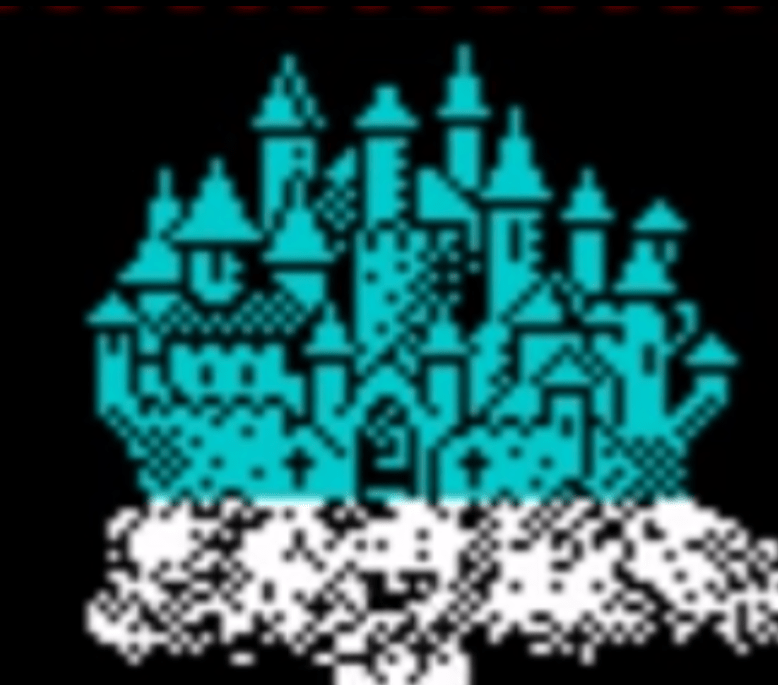
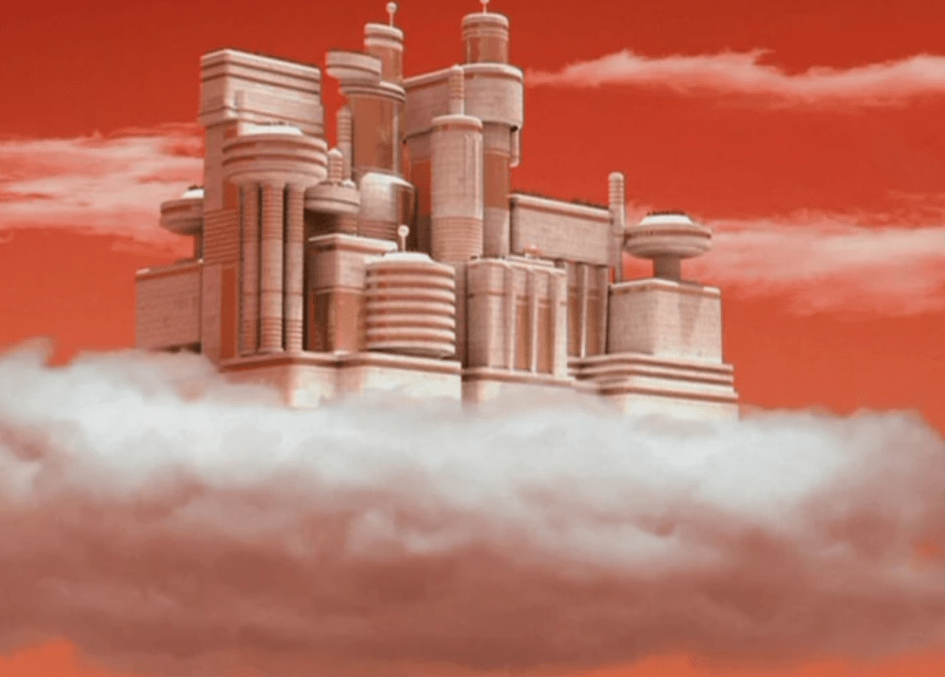
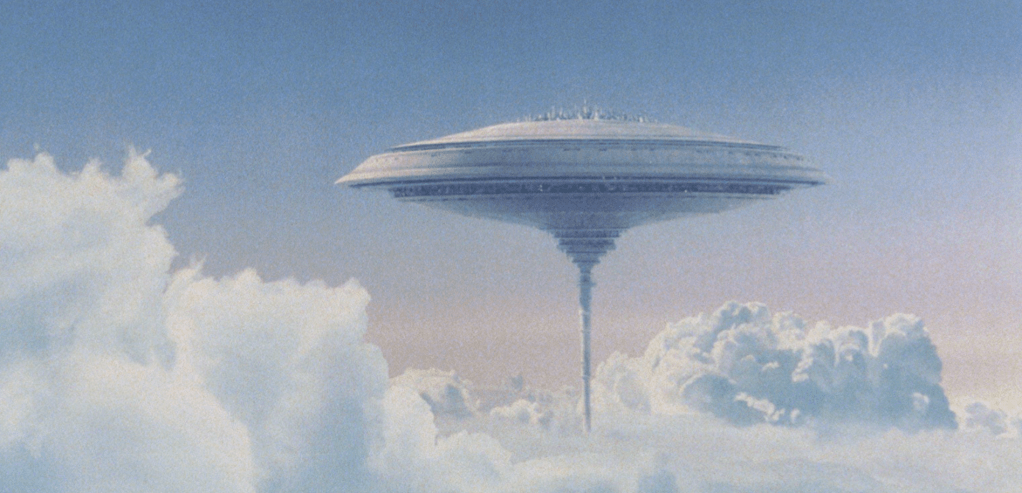
Cloud castles do hold a certain fascination in our civilisation, and they crop up time and time again in both our folk lore, and modern intellectual properties, from Star Trek to Star Wars and everything in between, there are cloud castles or cloud cities.
Cloud Cities
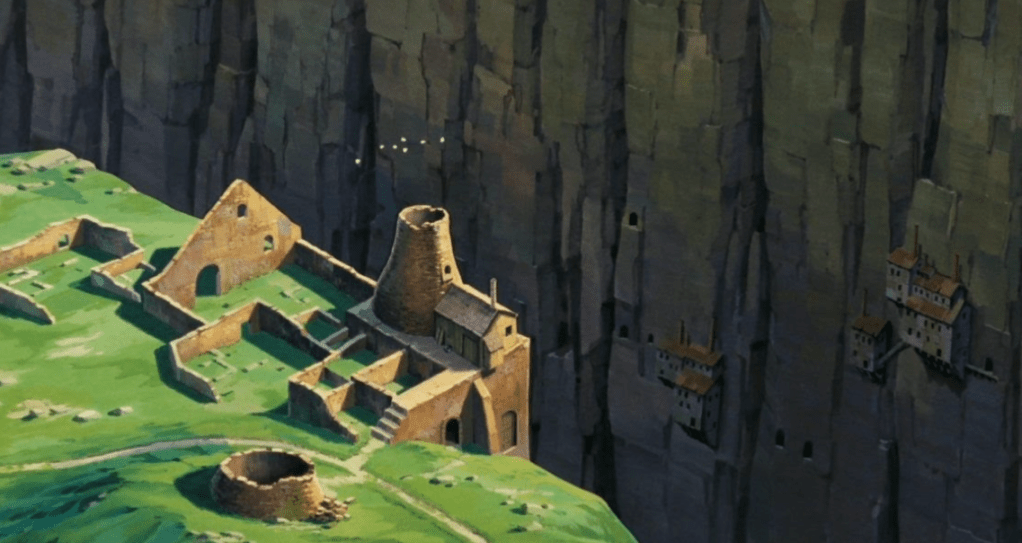
But fascinating as floating castles are, that isn’t the true appeal of the movie. The location of the story isn’t specified, there is no indication of when this takes place but it feels like the early twentieth century in Europe. Steam power and flat caps, but this isn’t a historical piece. There is powered flight beyond what we have, massive airships and insect inspired winged single seat craft.
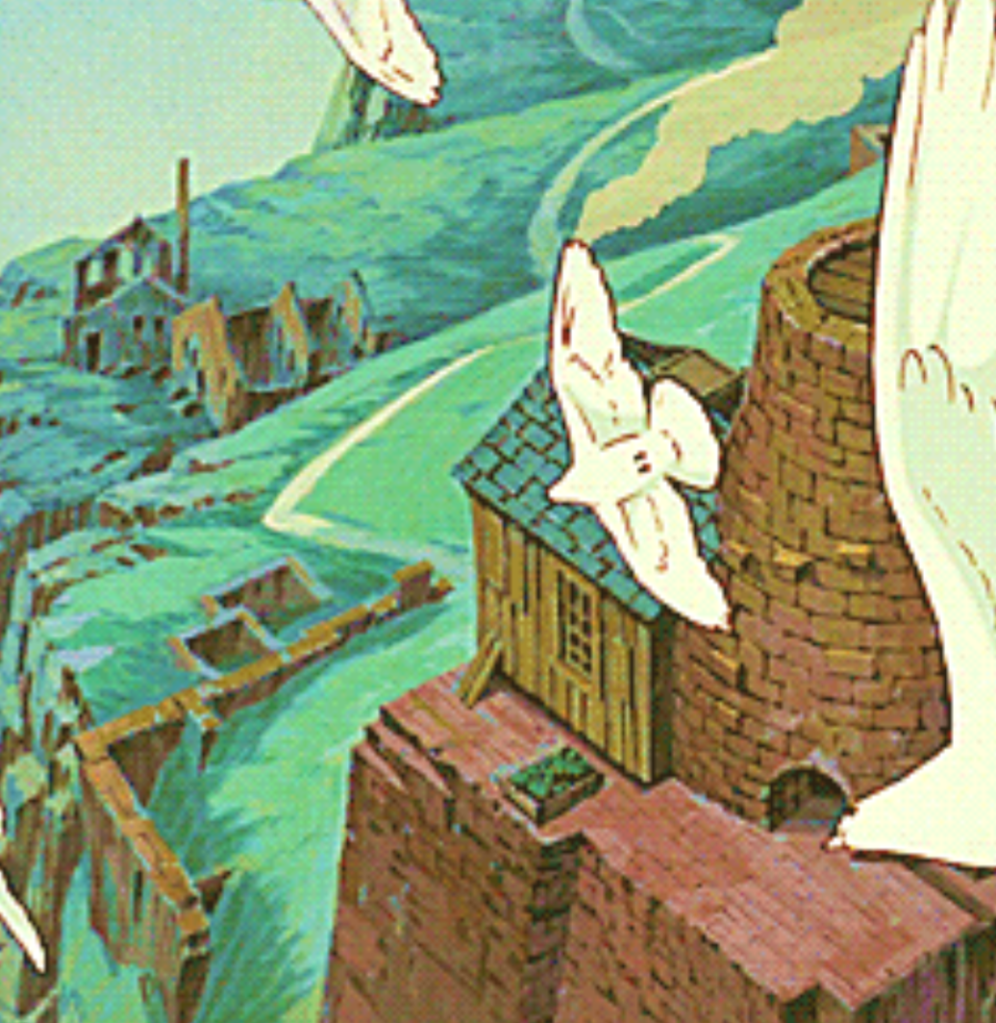
When and where this is, we do not know, but there seems to have been a great destructive war and the people that are left are just getting on with it. The backdrop is that of post industrial decline. Crumbling brick buildings, factories, furnaces, mines. It’s a nostalgic post golden-age golden age. That’s the only way I can describe it.
The lives of the characters we meet look tough. What they have is old and broken, they mend and make do, and they work hard to survive in a harsh barren mountainous area. But they laugh and they smile and make the best of it. Except of course for the antagonists. There are forces in this world, above the lower orders, with agendas and schemes that intersect with the sleepy mountain town when a stranger falls out of the sky, and when outsiders arrive in the town to find her, the residents are not to be pushed around.
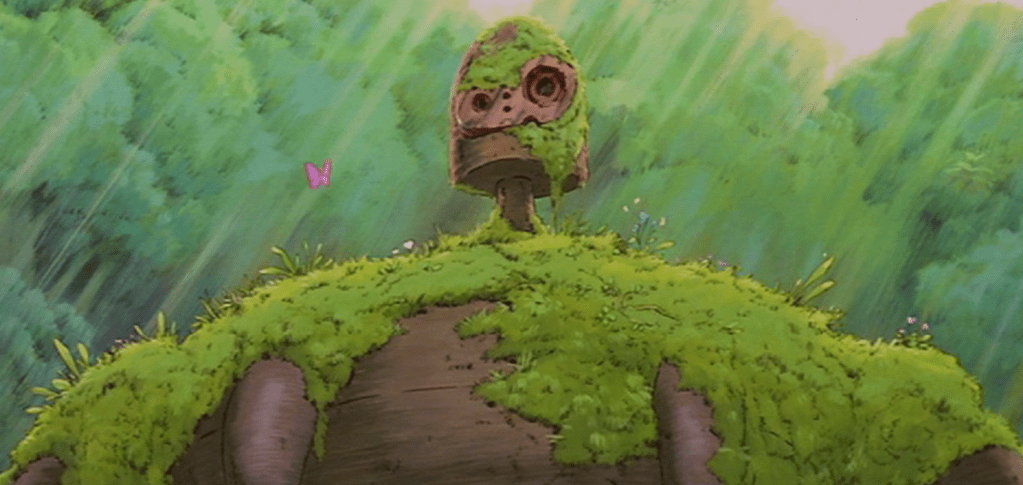
It’s a golden age of freedom and innocence, of kinship, community, and honest work, but all around there are clues to a golden age of abundance that has since been lost, the mythical floating island, and their terrible weapons of war, the mysterious giant robots that are dotted around the countryside, rusting, overgrown, returning to the Earth.
There is something both alluring and distantly familiar about the world presented here. I’m reminded of the eighties, when the mines closed, and the steel works, and the factories were left to decay and collapse, the dismantled railways overgrown, like the giant robots, and left to return to nature.
There is something unsettling about living in this age of uncertain abundance. That saying, “easy come easy go”, it is usually said so casually by some vagabond or scrounger type character, but it’s actually a warning. That which we gain with ease, we can lose with ease. I can’t deny the convenience of being able to go to the supermarket and buying an oven ready chicken, but I’m entirely reliant on others, a chain of others, to ensure that there is a chicken there for me to buy. That situation seems way more precarious than the self reliance of a small community living atop a literal precipice. The image of self reliance against adversity is as compelling as it is romantic.
I can’t help but feel that there is a message in this movie, that we have perhaps missed something. A great civilisation of massive power and achievements has crumbled away, and no one remembers it, no one mourns it or even speaks its name, and no one seems the worse for it. That is not to say I’d like to see a collapse of our civilisation, by any means, but a bit more self reliance would do us all the world of good, but I worry we’ve lost the capacity for that. Can’t exactly keep chickens in a one bedroom flat, but I suppose that’s what is romantic about it, it’s unrealistic.
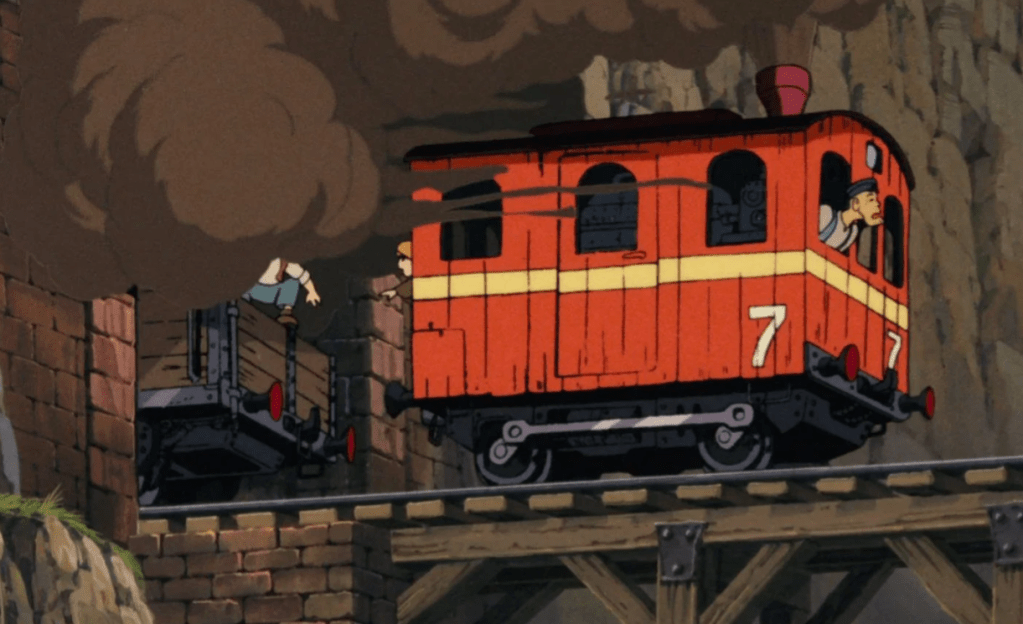
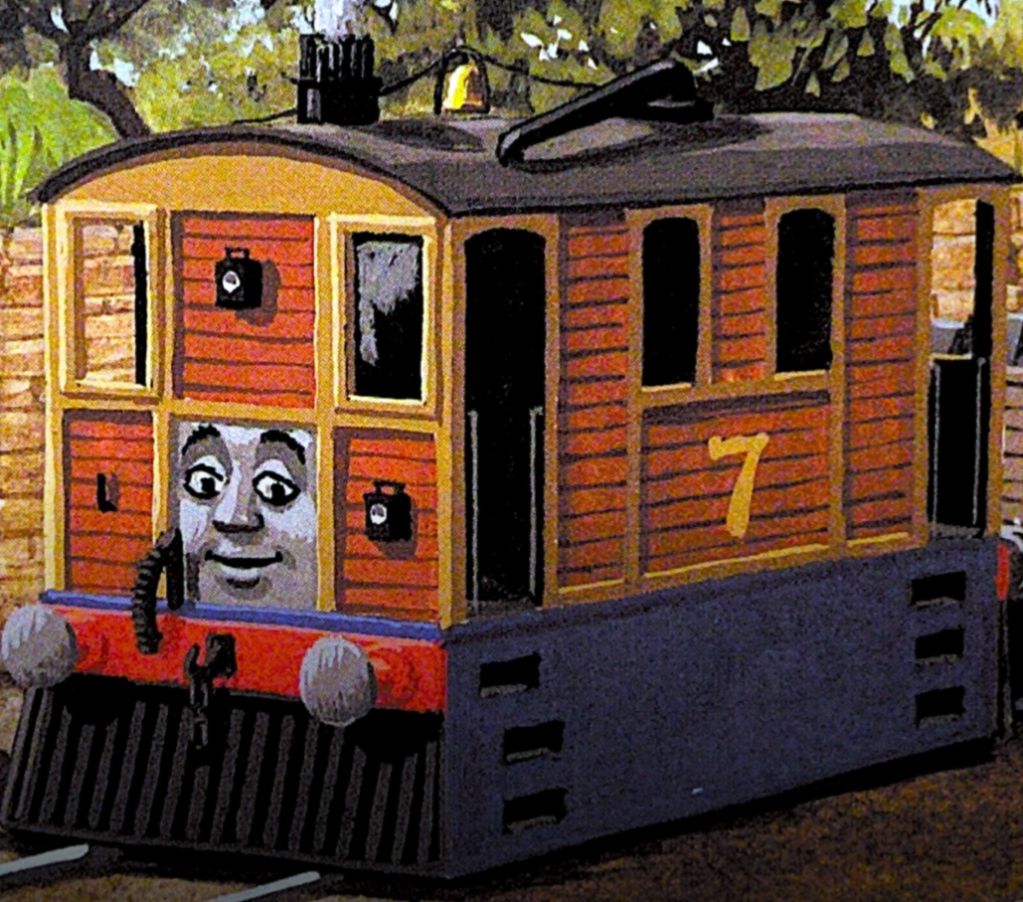
I can’t end this post without mentioning the trains though. There is a wonderful steam railway running through the mountains, carrying coals and wares, and of course the military for its unknown manoeuvres. I can’t help but notice the similarity of the locomotive number 7, to another number 7. Someone once said that there is no such thing as a coincidence, only the illusion of coincidence.
It’s not an easy question to answer. I thought I knew what I wanted. I mean, something like that should be autonomic really, shouldn’t it? I mean, the heart wants what the heart wants does it not?
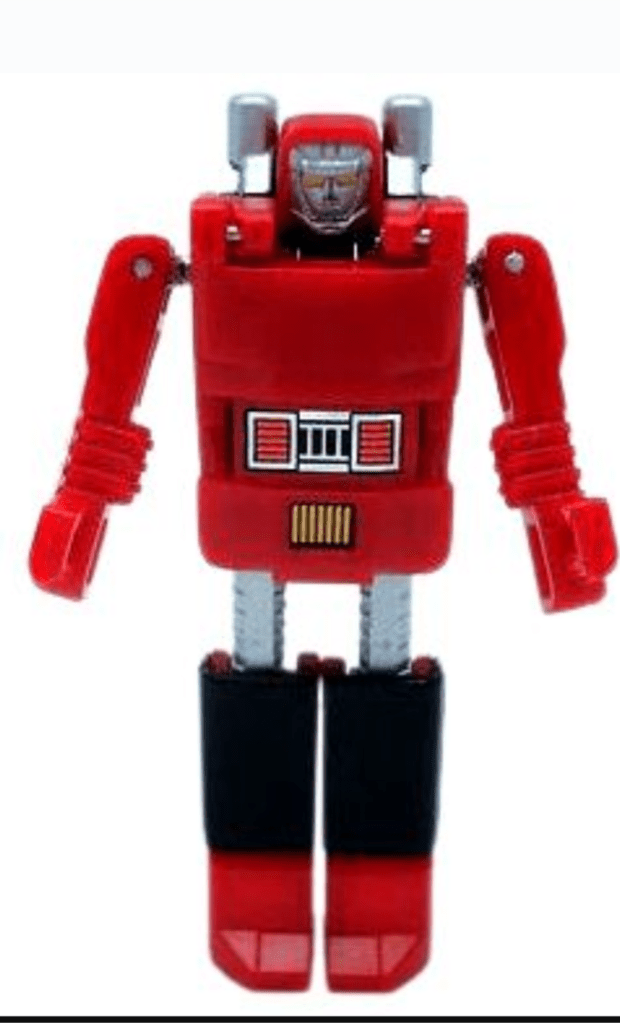
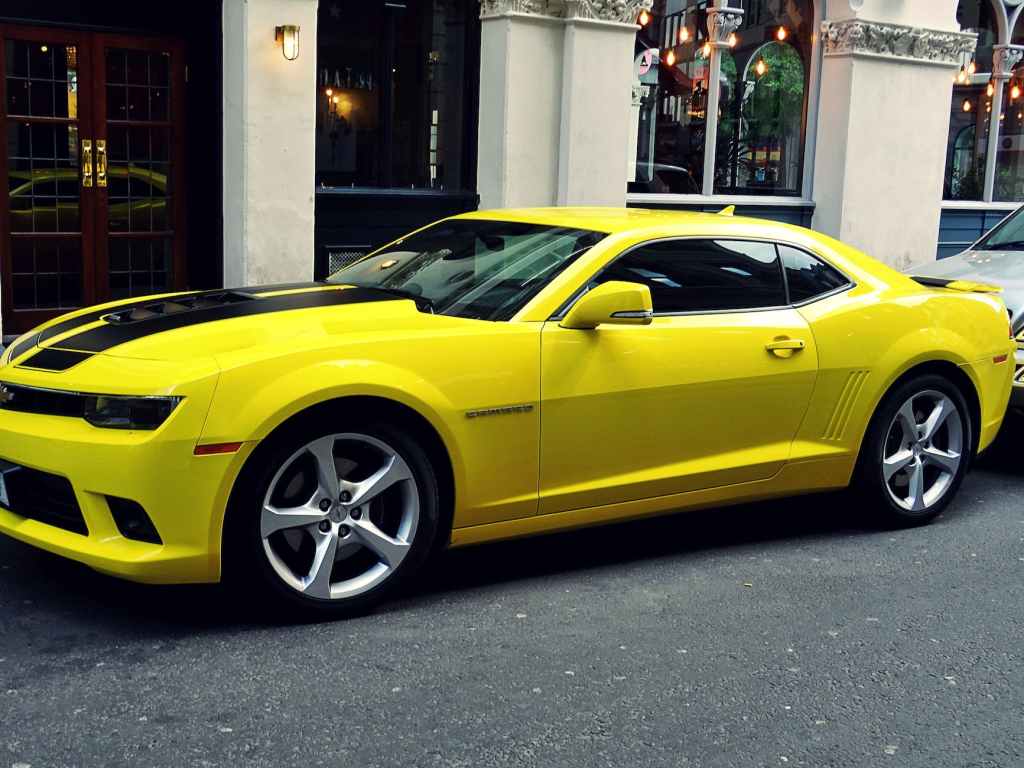
When I was a child I wanted an Advanced Passenger Train for my model railway. I wanted all of the Transformers and Gobots. I wanted lots of chocolate. I wanted to play video games, make video games even. I wanted to climb tall trees and explore derelict buildings.
As I got older I wanted beer, and women, and more beer. Usual stuff really. I wanted a career, a home, a family, a wife, a car, and maybe a little bit more beer.
As you get older, I suppose that question gets more difficult to answer. At first I thought that it was depression. Then I thought it was a midlife crisis and all I needed to do was buy a sports car. And then I thought it was depression again, so I turned to Google for the answer.
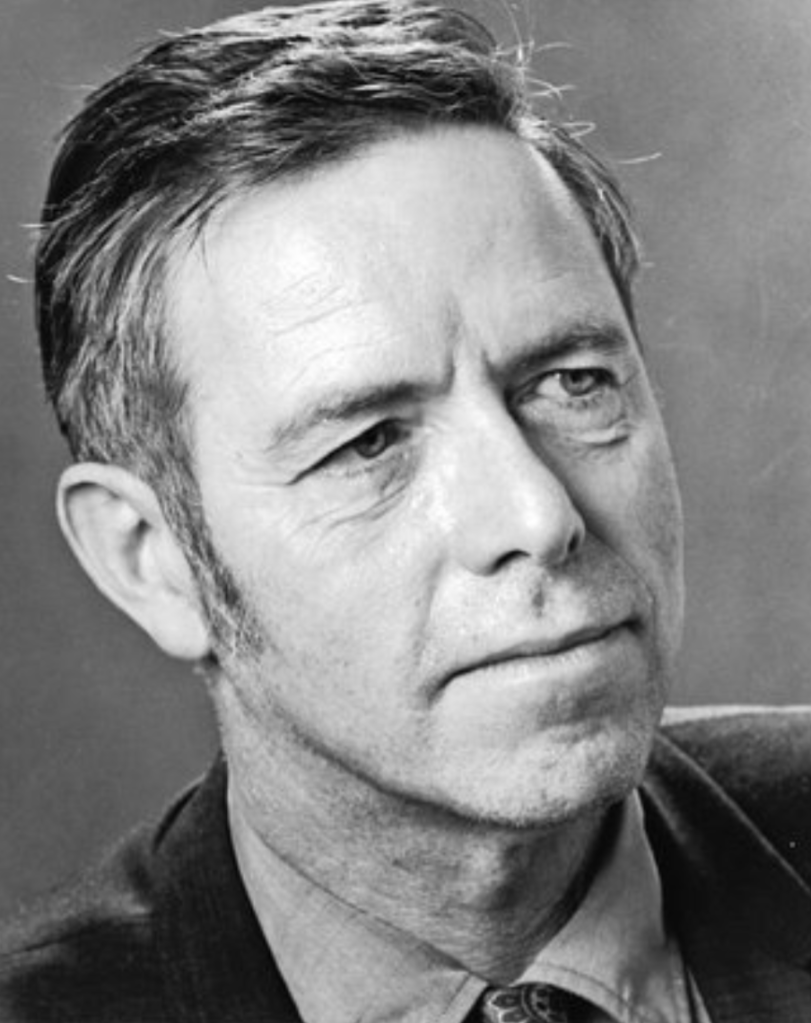
“Why don’t I know what I want?” I keyed into the search box. I reasoned someone somewhere was bound to have figured it out. The first result that caught my eye was a video by a chap called Alan Watts. I didn’t know the name but I recognised the voice immediately from the Cunard cruise ship advert that is doing the rounds at the moment.
I listened to the mesmerising voice of this English philosopher as he got straight to the point. What I heard was an eye opener, though it’s probably common sense to the more enlightened among us, my mind was blown.
When we don’t know what we want we have reached a state of desirelessness. He explains, more eloquently than I could dream, that there are three stages of not knowing. At the start, we don’t know because we haven’t thought about it. Then there’s the stage where were asked, pressed, on the matter, you want this and that, right? And we might say yes, to begin with. But then we realise that no, that’s not what we want at all. Maybe those things will be satisfying for a while, and that we wouldn’t turn our noses up at them, but really, they’re not what we want.
There are two reasons, he explains, why we don’t know what we want. The first one is that we already have it. The second is that we don’t know ourselves.
The question “who are you?” is the same as “What do you want?” I always thought of them as being diametric opposites, but that’s because I was for many years obsessed with Babylon 5.
We cannot know ourselves, if I’m understanding this correctly, because the Godhead cannot be the object of its own knowledge. It is a mystery.
I don’t know, uttered in the infinite interior of the spirit is the same as I Love, I let go, I don’t try to force or control. It’s the same thing as humility.
Upanishad said, if you think you understand Brahman, you do not understand and have yet to be instructed further. If you think that you do not know Brahman, then you truly understand, for the Brahman is unknown to those who know it and known to those who know it not.
Alan Watts
These are powerful evocative words and gave me much to think about.
He goes on to explain that when we give up control we have access to power that we can be trusted with and are one with the divine, but when we try to control our situation, we lose that energy because we are defending ourselves against that which we cannot defend.
We have to give it away and trust the universe because there is nothing to hold on to anyway. Everything is falling apart. We are going to die and leave not a rack behind. What we truly want is kind of irrelevant in the grand scheme of impermanence.
He goes on to quote Shakespeare, a few lines I was familiar with from Star Trek VI, but had never grasped the significance.
Our revels now are ended.
These our actors,
As I foretold you, were all spirits and
Are melted into air, into thin air:
And, like the baseless fabric of this vision,
The cloud-capp'd towers, the gorgeous palaces,
The solemn temples, the great globe itself,
Yea, all which it inherit, shall dissolve
And, like this insubstantial pageant faded,
Leave not a rack behind. We are such stuff
As dreams are made on, and our little life
Is rounded with a sleep.

William Shakespeare
From The Tempest, Act 4 Scene 1
Everything I recall ever wanting was for a future fulfilled, or a past revisited. But there is no past and there is no future. There is no time. There is only now. The infinite and eternal now. It is always now. Sufficient to the day is the worry of it. They should teach this stuff at school.
"Time is a tool you can hang on the wall, you can wear it on your wrist.

The past is far behind us, the future doesn't exist."
My youngest son spoke those timely words, seemingly out of nowhere, after a long car journey on which I’d considered the matter of time and the eternal now. It’s from a YouTube channel called Don’t Hug Me I’m scared. Deep stuff.
I am a long way from satori, but I did have to laugh on that journey as I mulled over and over the unknowableness of the Brahman. If to know it is to not not know it, and to not know it, is to truly know it, then doesn’t knowing that I don’t know it mean that I do know it, except that I can’t because knowing that I know it because I don’t know it means that I can’t know it because I know that I don’t know it.
Bonkers. All of it.
I still don’t know what I truly want, but I do now know that I don’t know what I want.
You know that feeling you get when something doesn’t ring true? I’ve been getting this a lot lately and I’m almost embarrassed to mention it in case I be carted off to the loonie bin.
There are certain indisputable facts on which all can agree. Such as modern Humans, people just like us, having existed well in excess 200,000 years, closer to 300 with more recent discoveries. We also know from the evidence available that the last ice age ended about 12000 years ago, abruptly, and with catastrophic sea level rise.
History doesn’t have much to say about the ice age because there are no written records of it, but stories of massive destructive floods have been passed down through oral tradition, but because no one thought to write it down at the time they can be easily dismissed as myth, campfire stories invented to entertain the tribefolk in the long winter months or something.
So the story goes, that modern humans, homo sapiens, appeared on earth about 300,000 years ago, give or take, and lived a hunter gatherer lifestyle for about 294,000 years, give or take, until about 6000 years ago, when there was a spark of creative genius and they invented religion, agriculture, writing, and architecture, practically over night. At this time they built massive structures, way beyond our capability to explain, nevermind replicate, all over the world, and then forgot how to do it.
These people were very clever but they had not yet fully understood the importance of documenting all of their developments.
So we know that writing was invented 6000 years ago because that’s how old the oldest discovered writing is. People wrote on stone tablets because they had not yet invented paper, which is lucky because stone tablets have a greater longevity than parchment.
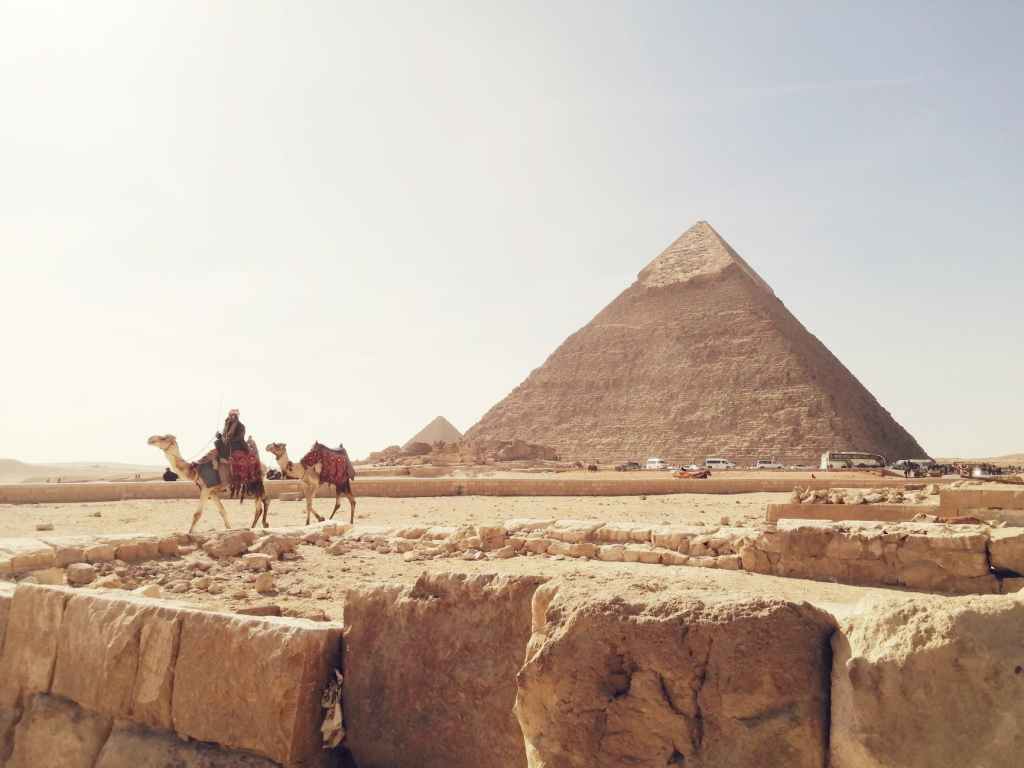
But this is where I struggle. The pyramids are an iconic mystery but their origin doesn’t seem to be up for debate even though the evidence is tenuous at best. There is a bit of graffiti inside the great pyramid that bears the name Khufu, and that is the only tangible thing that can be used, without it, there is no connection to the Ancient Egyptians apart from them being present in ancient Egypt.
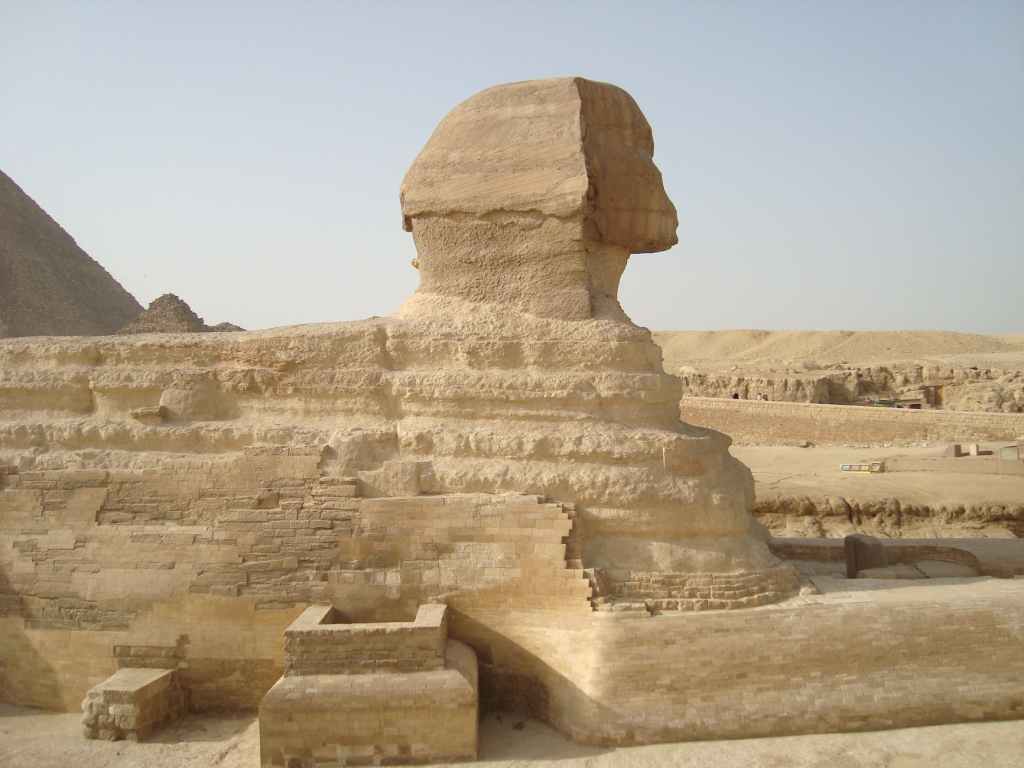
The Pyramids are one thing, but the Sphinx was also supposed to be built around the same time, even though it’s clearly weathered by thousands of years of precipitation. I live in North West England, I know what water erosion looks like.
The general insinuation when you don’t readily believe that a statue carved out of solid rock in a desert can show signs of extensive water erosion is that you must be some kind of deviant.
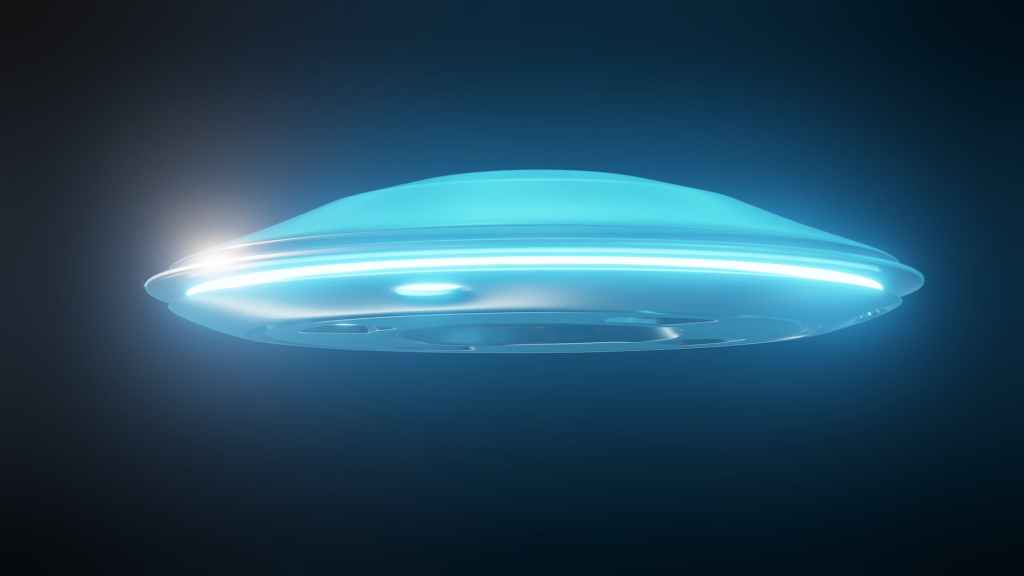
“Well if the ancient Egyptians didn’t build the pyramids, who did? Aliens?”
It’s a hell of a stretch isn’t it? Accept their story, in the face of everything else you know, or get called a name. I don’t have any skin in this game, it’s fascinating to me, but if it doesn’t ring true, I can’t help but ask questions, it’s not my fault the evidence isn’t there.
All in all, I find it baffling that the cataclysm at the end of the ice age doesn’t factor more prominently into human prehistory. What’s more plausible? That humans sat on their hands for 300,000 years, and, at the last minute, and in isolated pockets across the globe, made astonishing leaps forward, beyond what we can fathom today, and then forgot. Or that Humans didn’t take 300,000 years to get their act together, and that by the end of the ice age they were doing rather well for themselves.
Anyone that has a lawn to maintain knows how quickly nature takes back any square centimetre that goes unattended. My garden shed is thirty years old and is rotting away. Soon there will be nothing left of it.
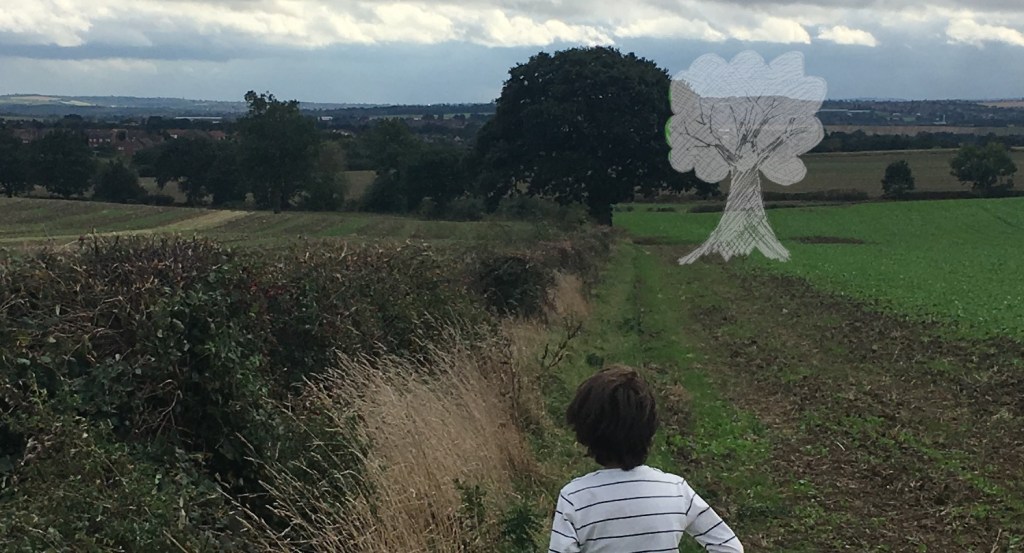
Forty years ago, when I was a young scally exploring my village, I felt the world was permanent. That everything was the way it always was, and I’d be amazed when parents told me about the olden days. I had no idea that my home was only a few years old, and I definitely had no idea that it too would be bulldozed just 20 years later, gone without a trace and replaced with more modern houses. The place is unrecognisable.
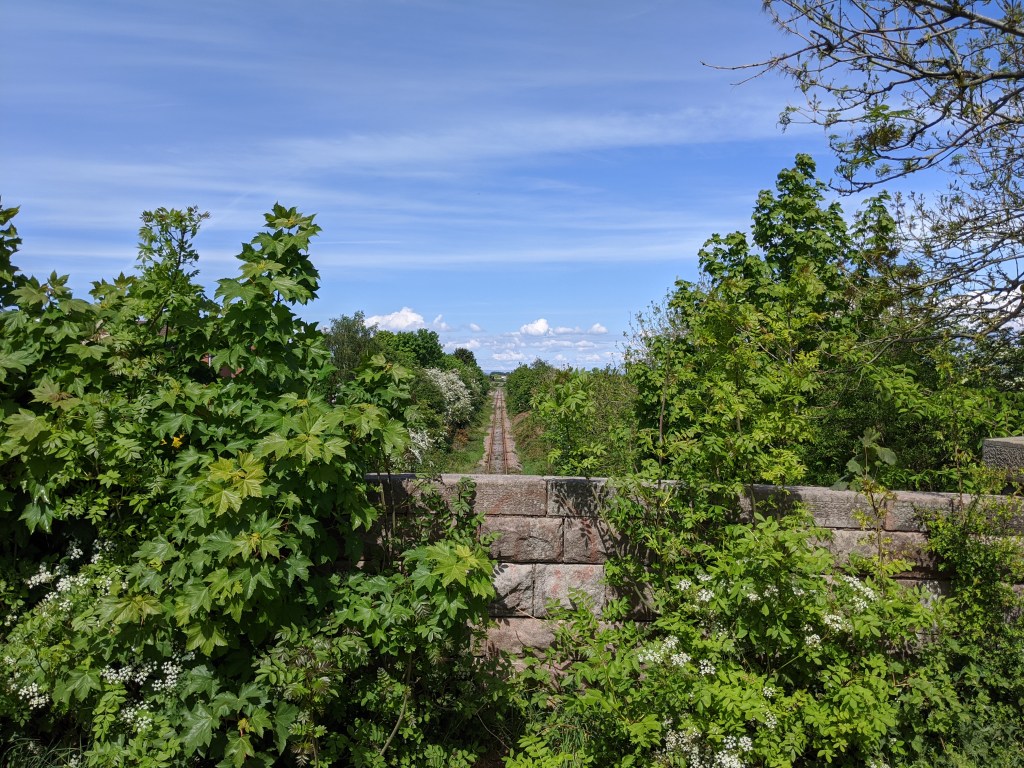
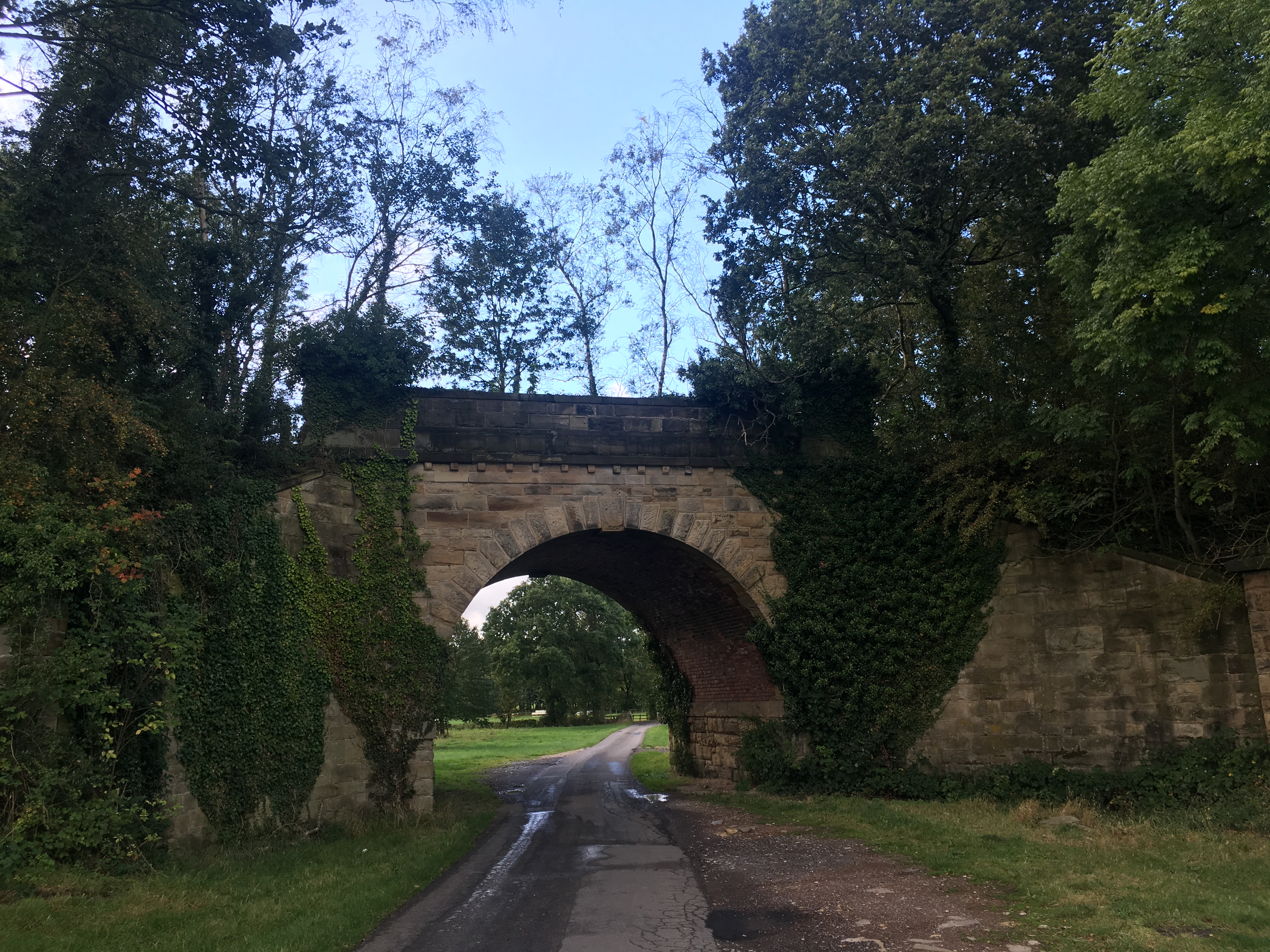
Back then I would play on a disused railway. The track was long gone and bridges were filled in. The cuttings themselves have been filled in since and the land returned to agriculture. The only trace of the railway ever existing is now in the maps, and a rough edge that can be seen by lidar.
These substantial changes in a small area happened within my own lifetime. What would remain after thousands of years? And what would survive the cataclysms? Ten million square miles of low lying fertile land was flooded at the end of the ice age. Who knows what went under the waves.
I don’t care either way, I just want a satisfactory explanation, and there are so many questions being ignored because they don’t fit. The experts appear to get cross when anyone says ‘but what about..?’. Doesn’t seem very professional.
Either way, I suppose that, in the end, time will tell.
AI is coming so it seems, if it’s not already here.
Computers have been driving trains and landing planes for some time, but now it’s writing novels and drawing some stunning pictures. It’s scary stuff.
There was a particularly downbeat item in the Spectator about it the other day, the End of Writing it said. Now, have no doubt that before long we’ll be able to go to our TV and tell it that we want to watch a Batman v Iron Man movie in the style of Studio Ghibli, and it will be a great film. But I don’t think it’s the end of writing.
For a start, I write because I have something to say. I want to share my thoughts and insights with anyone that will listen. If I was the last surviving human, living in a cave on a planet at the other side of the cosmos, with zero chance of being found by another being, I would still write. AI wouldn’t. AI will fulfil a request against supplied parameters, it will make connections based on algorithms based on existing work and it will compile them in a way that satisfies a user requirement.
If you keep getting exactly what you want, you soon stop wanting it, because it’s there, and you can have it whenever, so it loses its value.
Sure, AI can answer questions and present information very effectively, but that’s not creative. I see AI, in this context, as a development of the audio visual interface. Like the difference between text based output and graphics.
For all I know, AI will set itself the task of tugging on every loose thread and unpicking the fabric of reality, thus answering all of the questions and handing us the moon on a stick, though I can’t help but think of the Nine Billion Names for God whenever computers are put to the ultimate question.
It could happen though, five years from now the AI could have figured it all out and set us on the path toward a Kardishev Type 10 civilization before the end of the decade. I’m not ruling anything out, but if that’s the case, worrying about writing career options is a little redundant.
My point is that although this is coming, I think readers will still want to connect with other humans. Humans will continue to write what they feel, and others will want to read that, and I think that will go on indefinitely.
It is impossible to predict where AI will take us, and where we will take AI. I imagine it will be misused. 1984 gave us the perfect application for such technology, and don’t think we have much defence against it. What will be will be, and I will continue to write about it all the same.
I haven’t posted anything in ages it seems. It’s not that I haven’t had much to say, I always have much to say about one thing or another, but I’ve been distracted by the seemingly full time job of moving house.
That task is now coming toward a conclusion and I have finally begun to unpack some of the things I have spent the past twenty years packing for this very move.
Like most wannabe creatives I have dozens, if not hundreds of note books stuffed with award winning ideas, scribbles, doodles, and sentence fragments written, barely legible, in faded biro on scraps of paper; betting slips, truth be told.
But taking a break from unpacking I decided to flick through the leaves of an old sketch pad, and that gave me an idea for something to do while I waited for my back to un-seize so that I can peel myself from the floor. I could post some doodles.
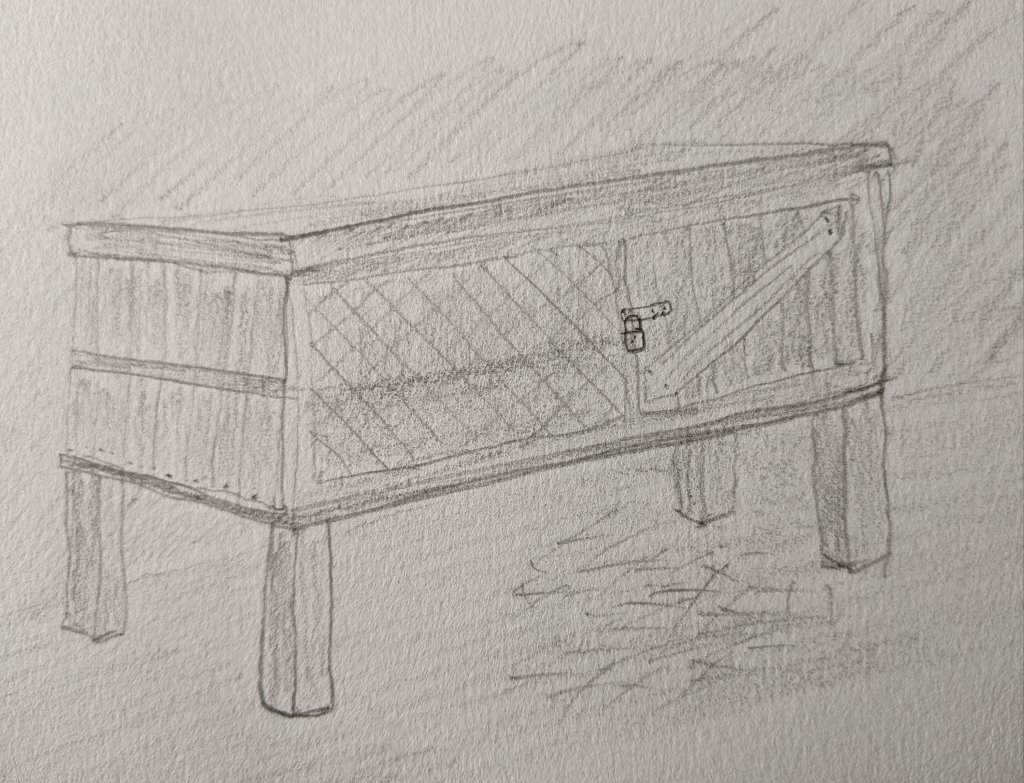
A hutch
I don’t remember drawing this hutch, but the caption in the sketch pad tells me it was to do with an abandoned plot device. I’d like to elaborate but there’s still mileage in that device and I will come to revisit it.
Bizarrely, maybe somewhat bizarrely, we now have a hutch much like this in the backyard. Inhabited not by bunnies, we use it for barbecue equipment and accoutrements.
Foster
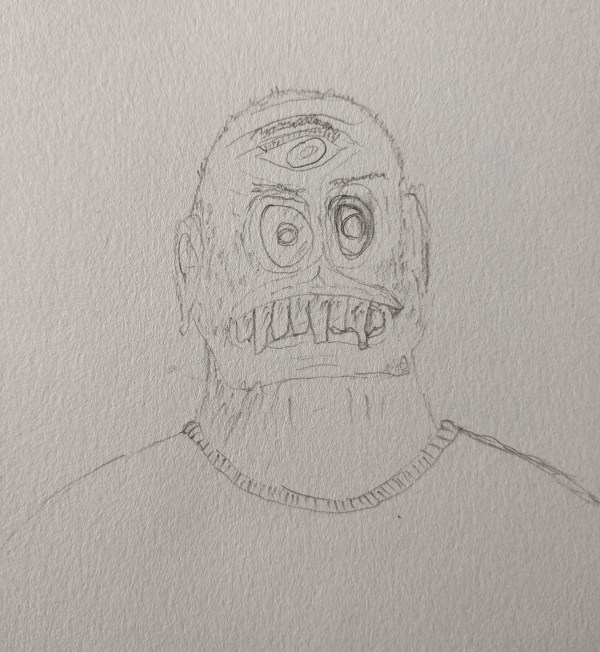
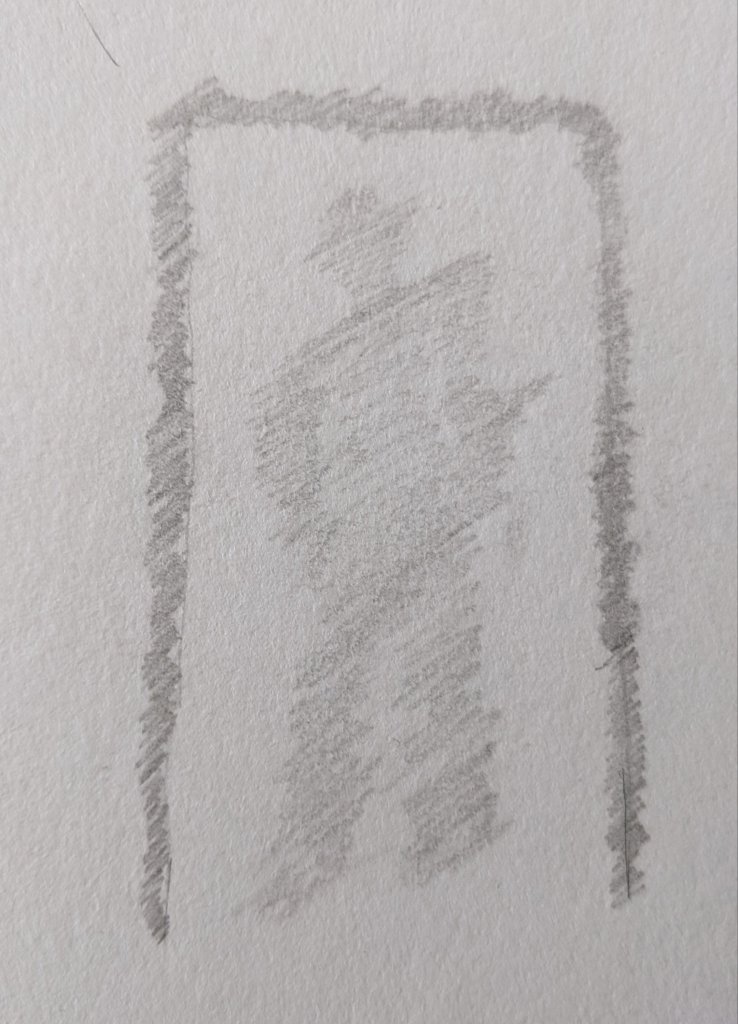
Many years ago, our youngest child, who had just turned one at the time, had an imaginary friend called Foster. Foster usually stood in the corner where only he could see him, and we’d often hear half of a conversation late at night over the baby monitor.
This is how I imagined Foster to look, had he appeared in our bedroom doorway.
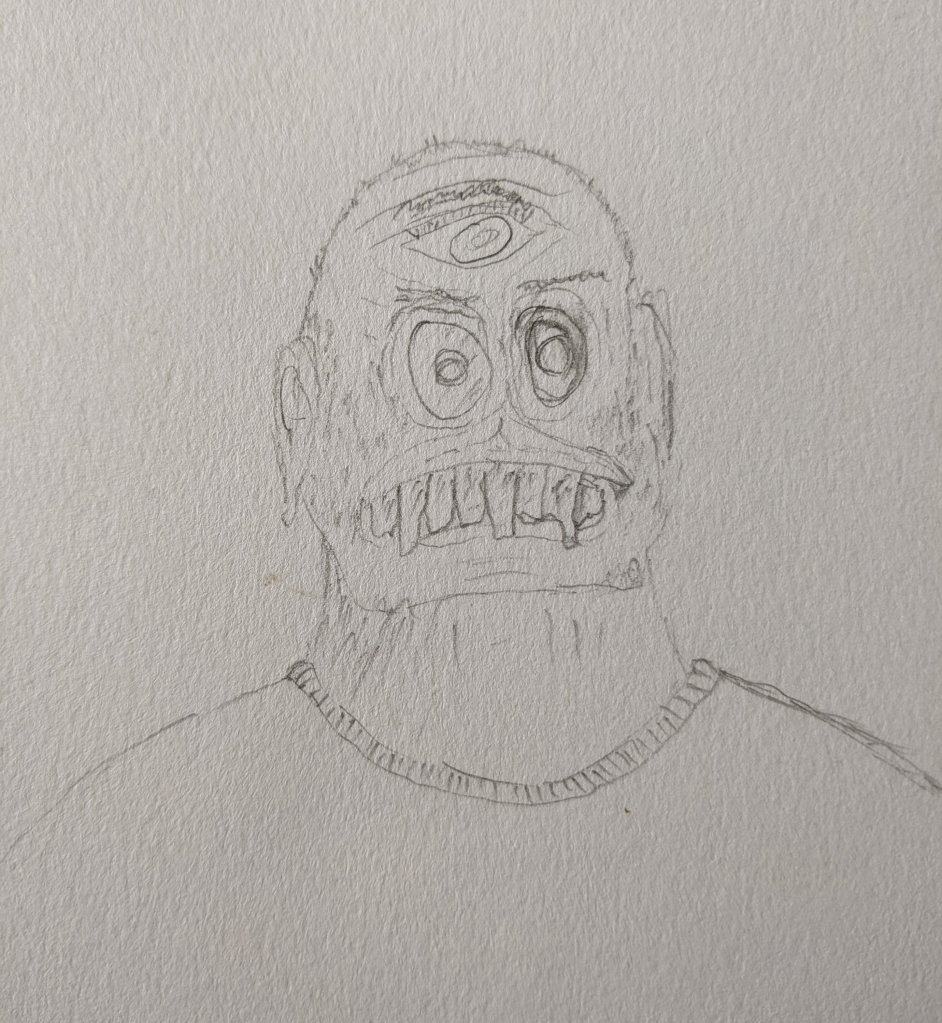
Third Eye
This guy has a third eye, and that’s pretty much all I know about him, except that he has a similar taste in sweaters, and better teeth than me. There is a story behind this chap, but I’ve no idea what it is. I’m sure it will come back to me eventually.
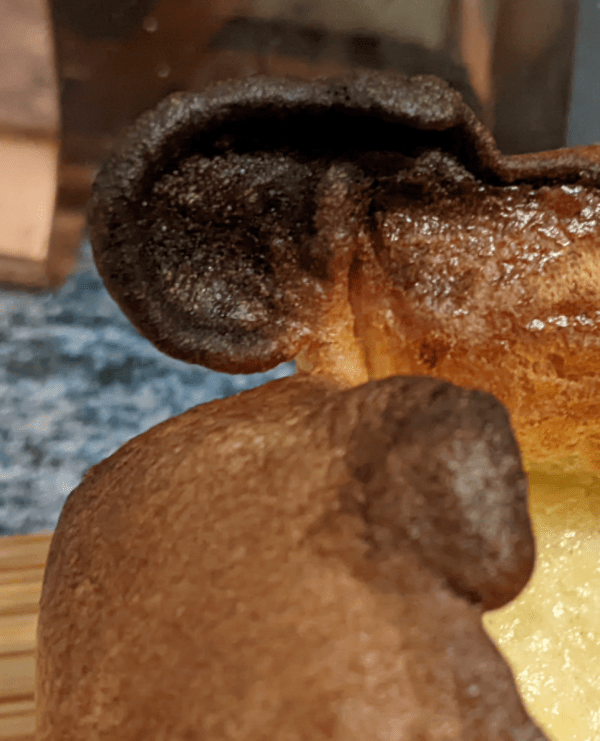
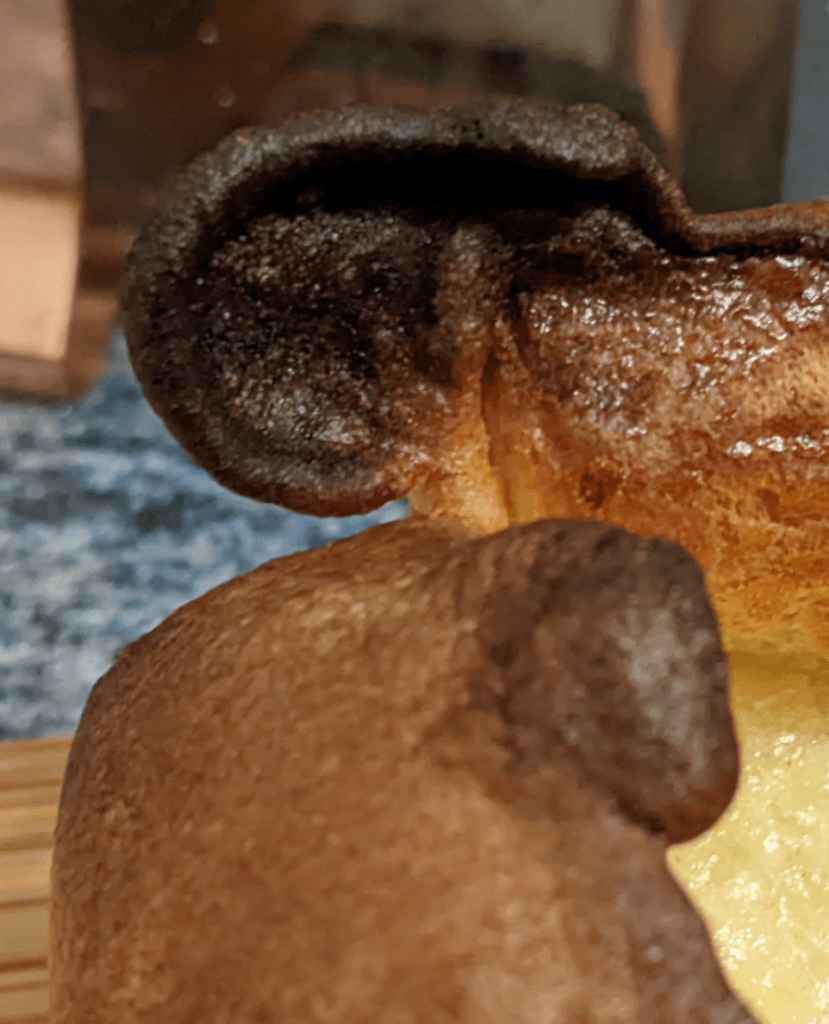
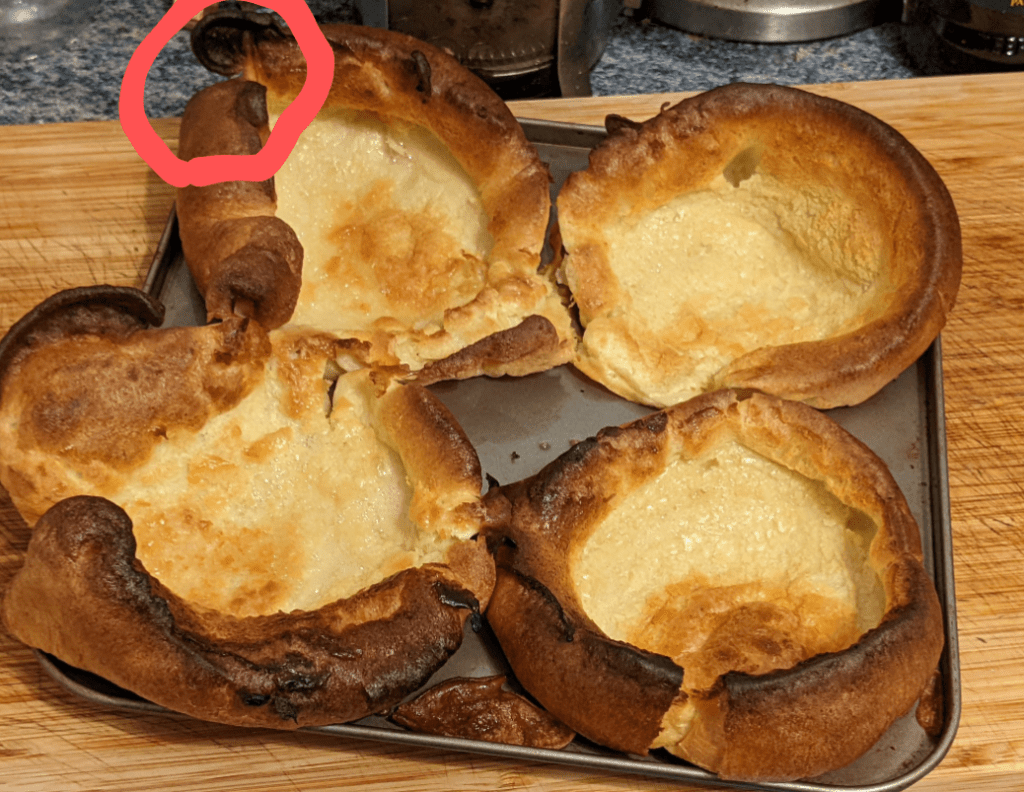
Admittedly this one is not a face, but it does look like an ear, which is technically part of the face, so it’s an acceptable entry. A beautifully formed ear on a Yorkshire Pudding.